






The Story of Star Trek II: The Wrath of Khan
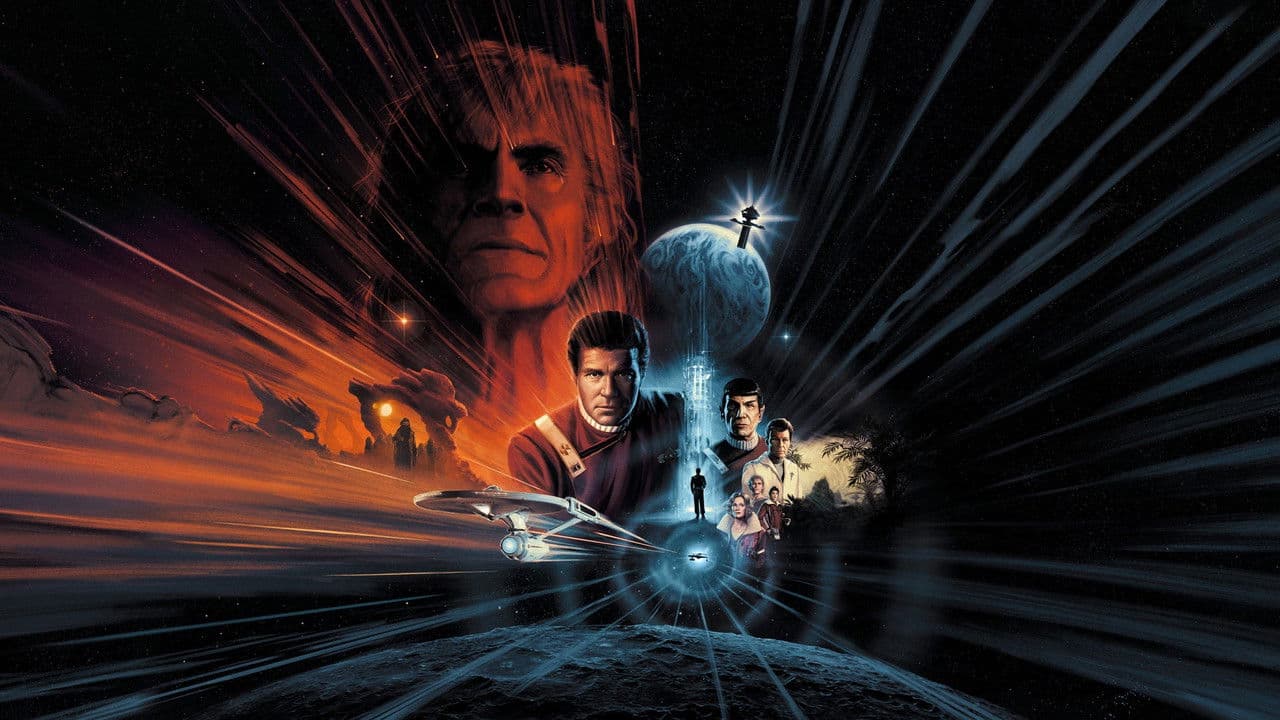
Star Trek II: The Wrath of Khan opens with Admiral James T. Kirk commanding a training simulation aboard the Enterprise—a moment that immediately signals the film isn't interested in philosophical navel-gazing. When a distress call pulls the crew away from their routine, they discover that Khan Noonien Singh, the superhuman tyrant Kirk defeated 15 years earlier in the original series episode "Space Seed," has escaped his desert exile. Now he's hunting for a device called Project Genesis, a terraforming technology with enough power to reshape worlds—or destroy them. What unfolds is a tense game of cat-and-mouse across space, where Khan's obsession with revenge collides with Kirk's determination to protect his crew and the galaxy itself. The stakes aren't abstract or philosophical here; they're visceral, personal, and immediate.
Behind the Making of Star Trek II: The Wrath of Khan
Director Nicholas Meyer took the helm for this sequel after the original 1979 Star Trek film had disappointed many fans with its slow pacing and excessive visual indulgence. Meyer's mandate was clear: make it an action film. What's striking is how he delivered exactly that while still respecting the source material. The production brought back William Shatner as Kirk alongside Leonard Nimoy as Spock, and cast Ricardo Montalban as Khan—reprising his role from the 1967 television episode. Montalban's performance is wonderfully theatrical, all controlled menace and Shakespearean intensity; he doesn't phone it in, he amplifies it. The film was shot in 1981 and released in June 1982 by Paramount Pictures, landing during a period when the franchise desperately needed a hit. It delivered: the movie earned over $97 million worldwide, a massive return that justified the studio's faith in reviving the property. The 113-minute runtime keeps the pacing tight—no meandering sequences, no longueurs. Audiences noticed. Critics praised the shift in tone, and Movie OTT users consistently rank it among the franchise's best entries.
What Makes Star Trek II: The Wrath of Khan Stand Out
The thing nobody mentions is that this film works because it understands something fundamental about drama: conflict requires a worthy opponent. Khan isn't a faceless villain barking orders from a distant bridge. He's an intellectual equal to Kirk, maybe even a superior one—genetically engineered, centuries old in temperament if not in years, and absolutely convinced of his moral righteousness. Montalban plays him with a kind of tragic grandeur, a man who's been wronged and believes he's entitled to vengeance. The famous line "From hell's heart, I stab at thee!" isn't just scenery-chewing; it's the culmination of a character arc that makes sense. Beyond the antagonist, the film benefits from strong ensemble work. Nimoy's Spock gets material that allows him to wrestle with logic versus emotion in ways that matter to the plot. The supporting cast—James Doohan, Nichelle Nichols, George Takei—aren't sidelined; they're woven into the narrative. What's more, the special effects hold up remarkably well even today. The transporter effects, the phaser blasts, the space sequences—they're all practical, tactile, and convincing in a way that pure CGI sometimes struggles to match. The film doesn't feel dated because it was made with craft and intention, not just budget. Movie OTT tracks where this title streams so you can see how Meyer's direction, combined with strong performances and smart effects work, created something that transcends its era.
Where to Stream Star Trek II: The Wrath of Khan Online
Finding Star Trek II: The Wrath of Khan is straightforward—it's available on major OTT services, and you can check the Where to Watch widget at the top of this page for current availability in your region. Paramount Pictures, the original distributor, has ensured the film remains in wide circulation across streaming platforms. Whether you're revisiting it for the first time in decades or discovering it fresh, the 113-minute runtime makes it an easy watch, and the film's pacing means you won't be tempted to skip ahead. It's the kind of movie that rewards a full viewing, especially if you're coming to the Star Trek universe for the first time—it doesn't require deep knowledge of the TV series, though familiarity with Kirk and Khan's history from "Space Seed" certainly enriches the experience.
Frequently asked questions
Q: Is Star Trek II: The Wrath of Khan a sequel to the original TV series?
Yes, it's a direct sequel to the 1967 episode "Space Seed," where Khan first appeared. You don't need to watch the episode to enjoy the film, but it adds context to the rivalry between Kirk and Khan.
Q: Who directed Star Trek II: The Wrath of Khan?
Nicholas Meyer directed the film. He brought a more action-oriented approach compared to the first Star Trek movie, which many fans credit with saving the franchise.
Q: Is Star Trek II: The Wrath of Khan part of a larger story?
Yes—it's the first film in a three-film arc that continues with Star Trek III: The Search for Spock (1984) and concludes with Star Trek IV: The Voyage Home (1986). The three films work together as a continuous narrative.
Q: What's the runtime, and is it worth watching in full?
The film runs 113 minutes. It's absolutely worth the full watch—the pacing is tight, and there aren't any slow sections that tempt you to skip ahead.
Q: How does the 1982 special effects work up today?
The practical effects, including the transporter sequences and space battles, hold up remarkably well. They feel tactile and real in ways that give the film a timeless quality.
Final Thoughts on Star Trek II: The Wrath of Khan
Star Trek II: The Wrath of Khan isn't just the best Star Trek film—it's a masterclass in how to resurrect a franchise. It respects what came before while refusing to be bound by it. The film understands that audiences want spectacle, character, and genuine stakes, and it delivers all three without apology. Khan remains one of cinema's great villains, and Kirk's journey here is genuinely moving. If you haven't seen it, now's the time. If you have, it's worth revisiting.