









The Story of The Hurried Man
The Hurried Man (also known as Man in a Hurry) follows Pierre Niox, a wealthy art collector who's built his entire existence around speed and acquisition. He doesn't just move quickly—he lives in a state of perpetual urgency, treating every aspect of life as a transaction to be completed as fast as possible. Whether he's hunting down rare paintings, snapping up real estate, marrying for convenience, or pursuing any other goal, Niox approaches everything with the same frantic energy. The film doesn't glamorize this lifestyle. Instead, it watches as his disregard for morality and human decency gradually erodes everything around him, until his own momentum becomes his undoing. What starts as a portrait of ambition transforms into something darker—a meditation on what we lose when we sacrifice everything for speed.
Behind the Making of The Hurried Man
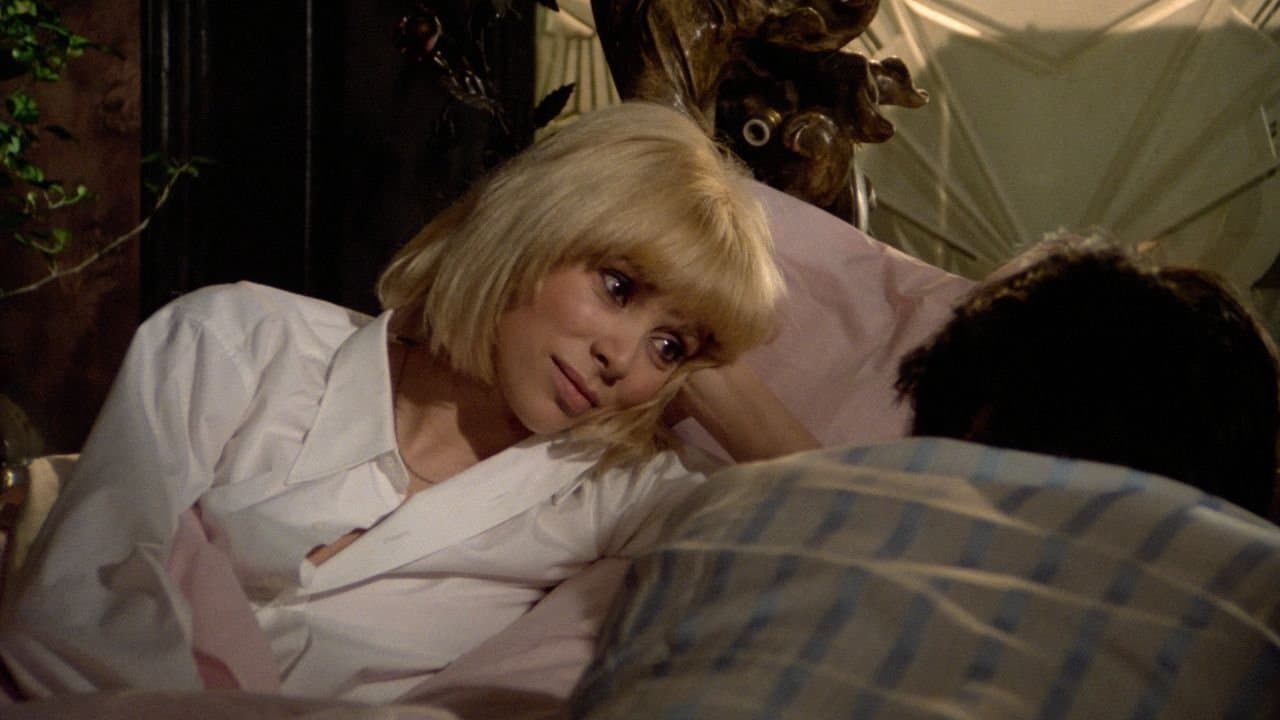
The Hurried Man arrived in 1977 as a French-Italian co-production, directed by Édouard Molinaro and drawing on Paul Morand's novel The Man in a Hurry. The film's pedigree was solid from the outset: Alain Delon, one of Europe's most bankable stars at the time, anchored the lead role alongside Mireille Darc. Delon's presence alone guaranteed international attention. The production itself was a genuine continental effort, with Adel Productions, Irrigazione Cinematografica, and Lira Films pooling resources—a common arrangement in European cinema during the 1970s when co-financing was the only way to get ambitious projects off the ground. The film's box office performance in France was respectable, drawing 730,581 admissions, which was solid for a character-driven drama in that era. At 91 minutes, Molinaro kept the pacing tight, refusing to let the film itself become bloated or self-indulgent—a smart choice given the subject matter. While it didn't rack up major awards recognition, the film's existence speaks to a moment when European studios were willing to fund morality tales that didn't necessarily come with happy endings.
What Makes The Hurried Man Stand Out
What's striking about The Hurried Man is how it refuses to let Niox be sympathetic, even as Delon's charisma might tempt us to root for him. The film understands something that a lot of contemporary cinema seems to have forgotten: you don't need to make a character likeable for audiences to be fascinated by watching him self-destruct. Delon brings a kind of exhausted intensity to the role—he's not cackling with villainy, he's just... tired, always moving, never satisfied, and incapable of slowing down even when the warning signs are flashing red. The performances matter here because they ground what could've been a preachy fable into something that feels lived-in and human, even as the character's choices become increasingly indefensible.
The film also works because Molinaro doesn't spell everything out. There's a restraint to the storytelling that respects the audience's intelligence—you're watching a man rush toward his own destruction, and you don't need a narrator explaining the irony. That kind of subtlety has become rarer, honestly. The thing nobody mentions is how The Hurried Man captures something about the 1970s specifically: that decade's anxieties about consumer culture, wealth accumulation, and whether the rat race was actually worth running. It's not a film that's trying to be trendy or relevant to modern audiences; it's a period piece that happens to ask questions that never really go out of style.
Where to Stream The Hurried Man Online
The Hurried Man is currently available on major OTT services, making it accessible to viewers hunting for lesser-known European dramas from the '70s. If you're looking for where to watch, check the streaming availability widget at the top of this page—it'll show you exactly which platforms have it in your region right now. Movie OTT tracks current availability across multiple services, so you can find it without having to hunt through three different apps. The film's relative obscurity outside of serious cinephile circles means it's not always front-and-center on streaming homepages, but it's out there. Whether you're a fan of Delon's work, interested in 1970s European cinema, or just looking for a drama that doesn't pull punches, it's worth tracking down.
Frequently asked questions
Q: Who directed The Hurried Man?
Édouard Molinaro directed The Hurried Man in 1977. Molinaro was a respected French filmmaker who worked across multiple genres; this film represents one of his more character-focused dramatic efforts.
Q: Is The Hurried Man based on a true story?
No, the film is based on Paul Morand's novel The Man in a Hurry, a fictional work. While the themes about ambition and moral compromise resonate with real human experiences, the story itself is a literary creation adapted for the screen.
Q: What's the runtime of The Hurried Man?
The Hurried Man runs 91 minutes, a lean runtime that keeps the narrative moving without unnecessary digression—fitting for a film about a man who can't slow down.
Q: Why isn't The Hurried Man more well-known?
Despite solid box office numbers in France and respectable critical reception, the film hasn't achieved the lasting cultural footprint of some of Delon's other work. European dramas from the '70s often get overshadowed by more commercially oriented films, though they're increasingly being rediscovered by streaming audiences.
Q: What's the IMDb rating for The Hurried Man?
The Hurried Man holds a 5.774/10 rating on IMDb, which reflects a mixed-to-modest reception. Don't let that number scare you away—it's a thoughtful film that rewards patient viewing, even if it's not universally beloved.
Final Thoughts on The Hurried Man
The Hurried Man isn't a comfortable watch, and it's not designed to be. It's a film about consequences, about the price of living without pause or reflection. Delon's performance carries you through 91 minutes of watching a man accelerate toward his own ruin. If you're tired of feel-good narratives and want something that actually has something to say about ambition and morality, this is worth your time. It's the kind of film that sticks with you—not because it's flashy, but because it's honest.