





The story of The Ladies Club and its provocative premise
The Ladies Club is a 1986 rape-revenge film that doesn't look away from its subject matter. It follows a Los Angeles policewoman who, after becoming a victim of sexual assault herself, bands together with other women who've survived similar attacks. Rather than seek justice through a legal system they've come to distrust—one that's let their attackers walk free on technicalities—these women decide to take matters into their own hands. The group begins systematically hunting down repeat offenders, men with histories of violence who've slipped through the cracks of law enforcement. What happens when they find these perpetrators is brutal, permanent, and absolutely intentional. That's the film's central provocation: it asks viewers to consider whether vigilante castration is justice or murder, whether rage born from trauma can ever be righteous.
Behind the making of The Ladies Club and its cast
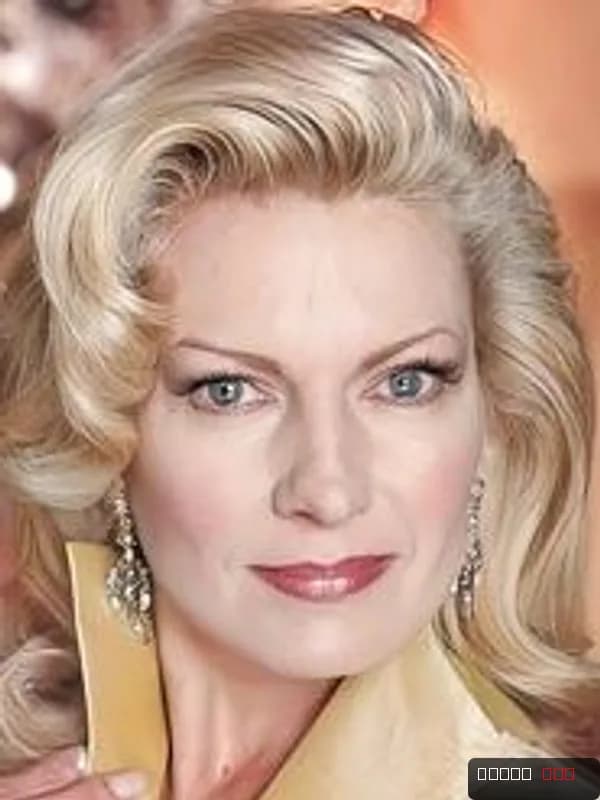
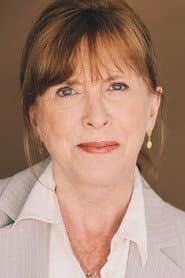
Directed by Janet Greek, The Ladies Club was adapted from the novel The Sisterhood by Casey Bishop and Betty Black, with a screenplay by Fran Lewis Ebeling and Paul Mason. The film assembled a solid ensemble of 1980s character actors who'd go on to bigger roles. Karen Austin, who'd later appear in St. Elsewhere, anchors the picture as the policewoman leading the charge. Diana Scarwid—an Oscar nominee for her work in Mommie Dearest—brings intensity to her role as a fellow survivor. Christine Belford and Bruce Davison round out the core cast, with Davison playing against type in a supporting role. The film was produced by Media Home Entertainment and Heron Communications, released theatrically in 1986 to modest box office returns and considerable controversy. It arrived during a wave of exploitation cinema that courted both feminist audiences and genre fans, though it satisfied neither camp entirely. On IMDb, it sits at 5.8/10—respectable enough for a cult item, though the rating reflects its divisive nature.
What makes The Ladies Club stand out as a rape-revenge narrative
Here's what's striking about The Ladies Club: it refuses to sentimentalize its victims or their violence. Most rape-revenge films (think I Spit on Your Grave or later, Promising Young Woman) frame the act of retribution as cathartic, even justified. The Ladies Club does something weirder. It presents the women's actions with an almost documentary flatness—they're not heroes, they're not monsters, they're just women who've decided the system has failed them and they're going to fix it themselves. The performances don't play up melodrama; instead, there's a grim professionalism to how these women plan and execute their operations. That restraint makes the film more unsettling than if it had gone full exploitation. You're never quite comfortable. You're never quite sure what you're supposed to feel about what you're watching, which is probably the point. The film doesn't ask you to cheer. It asks you to think about the gap between justice and revenge, between legal systems and lived reality—questions that remain urgent decades later, even if the film's answers feel incomplete.
Where to stream The Ladies Club online
The Ladies Club is available on major OTT services, and Movie OTT tracks current streaming availability across platforms so you can find exactly where it's showing right now. Rather than hunting through five different apps, you can check the "Where to Watch" widget at the top of this page to see which service has it in your region. Availability shifts seasonally and varies by geography, so what's on one platform this month might move to another next month. The widget handles that legwork for you—it's updated in real time, so you'll always know your options.
Frequently asked questions
Q: Who directed The Ladies Club?
Janet Greek directed the film. She brought a clinical, unflinching eye to the material that sets it apart from other exploitation revenge films of the era.
Q: Is The Ladies Club based on a true story?
No, it's a fictional narrative, though it was adapted from the novel The Sisterhood by Casey Bishop and Betty Black. The film explores themes that touch on real systemic failures in how sexual violence is prosecuted.
Q: What's the runtime of The Ladies Club?
The film runs 85 minutes, which is lean enough that it doesn't overstay its welcome despite the heavy subject matter.
Q: Who stars in The Ladies Club?
Karen Austin leads the ensemble, with Diana Scarwid, Christine Belford, and Bruce Davison in key roles. Austin's performance as the policeorganizing the vigilante group is the emotional center of the film.
Q: Why is The Ladies Club controversial?
The film's unflinching depiction of sexual violence and its portrayal of extrajudicial punishment—specifically castration—sparked debate about whether it exploits trauma or honestly confronts it. That tension is deliberate and unresolved.
Final thoughts on The Ladies Club
The Ladies Club isn't easy viewing, and it's not meant to be. It's a film that demands you sit with your discomfort rather than resolve it neatly. Thirty-eight years after its release, it hasn't aged into clarity—it's still as morally ambiguous and provocative as ever. That's not a flaw; it's the whole point. If you're drawn to cinema that challenges rather than comforts, that refuses simple answers about justice and revenge, it's worth tracking down. Just don't expect catharsis. You'll get provocation instead.