
The Story of The Last Four Days
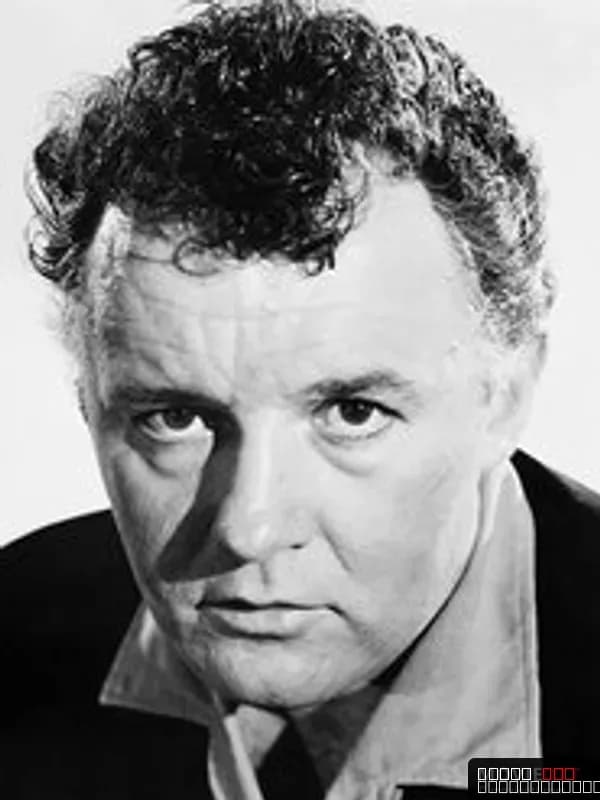
The Last Four Days isn't a biopic in the traditional sense—it's a historical pressure cooker. Director Carlo Lizzani focuses on the final period of Benito Mussolini's life, zeroing in on those claustrophobic, desperate hours when the Italian dictator's regime crumbled around him. The film doesn't start with Mussolini's rise to power or his grand speeches; instead, it drops you into the endgame, where paranoia, betrayal, and the machinery of collapse are the only certainties. Rod Steiger embodies Mussolini not as a caricature but as a man watching his world unravel in real time. What makes the narrative compelling is its refusal to sensationalize—this is a film about the mechanics of political collapse, the way power evaporates when the apparatus supporting it falls away. You're watching a dictator become a fugitive, watching history happen in cramped rooms and hasty retreats.
Behind the Making of The Last Four Days
Lizzani brought considerable pedigree to this project. An Italian director with a background in neorealism and historical drama, he'd spent decades studying how cinema could interrogate political history without didacticism. The 1974 production assembled a cast that felt like a who's who of European cinema at the time. Rod Steiger—fresh off his Oscar-winning turn in In the Heat of the Night just four years prior—took on the role of Mussolini with the kind of committed, internalized intensity that defined his career. Franco Nero, Lisa Gastoni, and Lino Capolicchio rounded out the ensemble, each bringing credibility to their roles as the regime's loyalists and hangers-on. The film clocked in at 124 minutes, a substantial runtime that Lizzani used to build atmosphere rather than rush through plot. While it didn't break box office records in the way some Italian productions of that era did, the film found its audience among critics and historians interested in how cinema could wrestle with fascism's final hours. The film's approach—treating its subject matter with sobriety rather than melodrama—set it apart from other WWII-era dramas circulating at the time. Movie OTT tracks where historical dramas like this one are currently streaming, making it easier to discover films that might otherwise slip under the radar.
What Makes The Last Four Days Stand Out
What's striking about The Last Four Days is how it refuses the temptation to make Mussolini sympathetic or, conversely, to turn him into a cartoon villain. Steiger's performance walks that knife's edge—you see a man whose conviction in his own historical importance hasn't wavered even as the facts on the ground prove him delusional. There's something almost tragic about watching someone cling to authority when authority has already abandoned him. The film's visual language mirrors this collapse: spaces grow tighter, conversations more fraught, and the sense of inevitability more suffocating. Lizzani doesn't shy away from the political dimensions either. Italian cinema of the 1970s was grappling with its own fascist past—this wasn't ancient history, it was living memory for audiences who'd experienced Mussolini's rule directly. That temporal proximity gives the film a weight that might otherwise feel academic. The performances anchor everything. Steiger doesn't play Mussolini as a ranting tyrant; he plays him as a man whose grip on reality is slipping, who alternates between defiance and a kind of bewildered recognition that the game is over. Franco Nero, as a character caught between loyalty and self-preservation, provides the moral center the film needs—his internal conflict becomes our window into the chaos. I keep coming back to how the film treats its supporting characters: they're not props in Mussolini's tragedy, they're people with their own stakes, their own calculations about what happens next.
Where to Stream The Last Four Days Online
If you're hunting for The Last Four Days, you'll find it available on Prime Video, where it's accessible to subscribers looking to explore deeper cuts of historical drama. The film's availability on a major streaming platform makes it far more discoverable than it might have been even a decade ago—this is the kind of 1974 Italian historical drama that could've disappeared into the film-festival circuit and arthouse theaters. Prime Video's catalog includes a solid selection of international cinema and period dramas, and this Lizzani film sits comfortably alongside other serious historical examinations. Check the where-to-watch widget at the top of the page to confirm current streaming status, as availability can shift. Movie OTT keeps tabs on where titles like this one are currently streaming across services, so you'll always know where to find it.
Frequently Asked Questions
Q: Is The Last Four Days based on a true story?
Yes. The film dramatizes the actual final days of Benito Mussolini's life in April 1945, as his regime collapsed and he was executed. While Lizzani takes creative liberties with dialogue and specific scenes, the historical framework and timeline are grounded in documented fact.
Q: Who directed The Last Four Days?
Carlo Lizzani, an Italian director known for his work in neorealism and historical cinema. Lizzani was particularly interested in how cinema could examine fascism and political collapse without resorting to melodrama.
Q: What is Rod Steiger's performance like in The Last Four Days?
Steiger delivers a nuanced portrayal of Mussolini—not as a ranting villain but as a man losing his grip on reality as his political world crumbles. It's a restrained, internalized performance that avoids caricature.
Q: How long is The Last Four Days?
The film runs 124 minutes, giving Lizzani ample time to build atmosphere and explore the psychological dimensions of his characters rather than rushing through events.
Q: Where can I watch The Last Four Days?
The film is currently streaming on Prime Video. You can check the where-to-watch widget on this page for the most up-to-date availability information across services.
Final Thoughts on The Last Four Days
The Last Four Days isn't comfortable viewing, but that's precisely why it matters. It's a film about power's fragility, about how quickly certainty becomes delusion, and about the human cost of dictatorship—not in the abstract, but in the specific, claustrophobic details of collapse. If you're drawn to historical dramas that trust their audience's intelligence and aren't afraid of ambiguity, this is essential viewing. Steiger's performance alone justifies the runtime. Movie OTT recommends seeking it out if you appreciate cinema that grapples seriously with history.