







The Story of The Last Princess
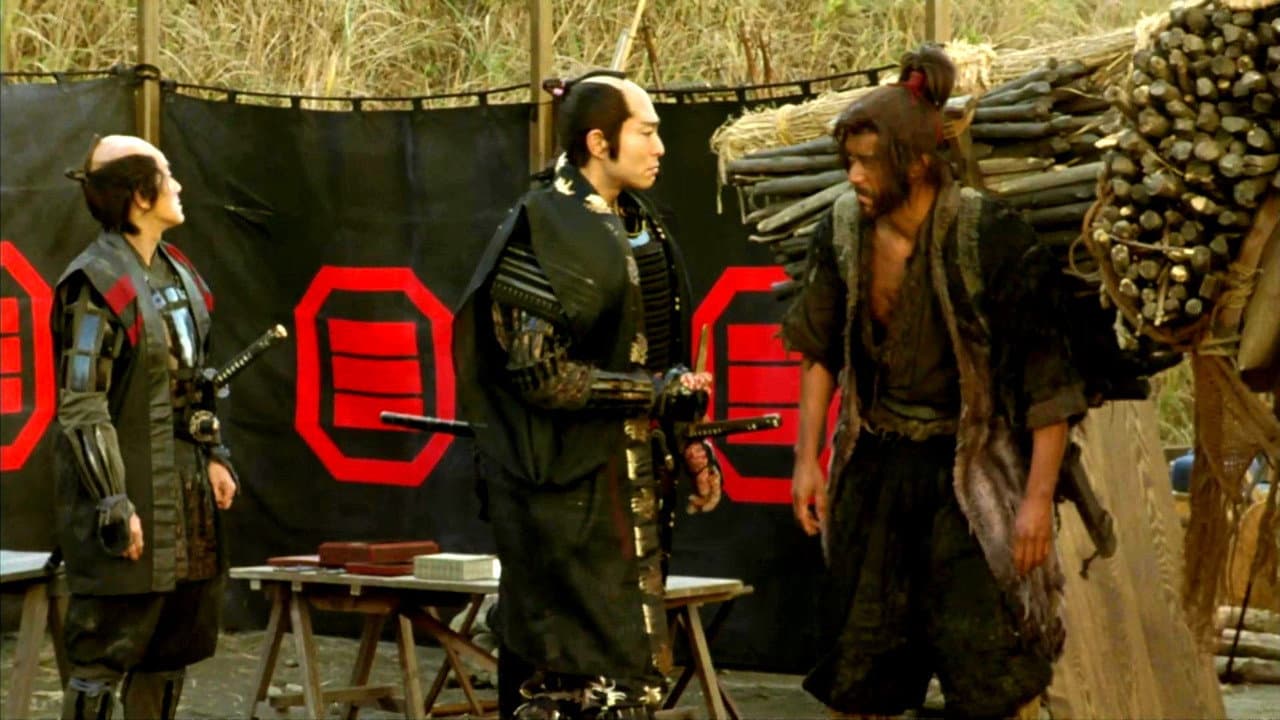
The Last Princess unfolds during Japan's turbulent Sengoku period, when feudal clans clashed for dominance and survival meant everything. The film opens with the Akizuku clan's catastrophic defeat at the hands of their rivals, the Yamana. With their fortunes reversed, Princess Yuki and General Rokurota are forced into hiding within a secret fortress, sheltering not just themselves but their entire clan and a vault of gold that could change everything. It's a setup that feels almost too convenient — until two unlikely heroes stumble into the picture. Takezo, a brash young miner with more confidence than sense, and his bumbling sidekick Shinhachi aren't looking for heroics. They're after the gold. But what starts as a mercenary scheme transforms into something messier and more human: a desperate journey across hostile terrain, with Yuki disguised as a man, her first real taste of danger waiting around every corner, and an undeniable chemistry building between her and the willful, sharp-tongued Takezo.
Behind the Making of The Last Princess
The Last Princess emerged from a notable collaboration of Japanese entertainment powerhouses. Produced by a consortium that included Yomiuri Shimbun Company, Yomiuri Telecasting Corporation, Chukyo TV Broadcasting Company, J Storm, Shogakukan, TOHO, dentsu, and Nippon Television Network Corporation, the film benefited from the resources and expertise of some of Japan's most established media entities. The 118-minute runtime suggests a deliberate pacing — not a quick action romp but a proper historical drama with room for character development and relationship-building. As with many Japanese period pieces from this era, the production values reflect a commitment to authentic costume and set design, though the film's box office performance and awards recognition remain modest compared to its production scale. The IMDb rating of 5.9/10 indicates that critical and audience reception was mixed; some viewers embraced its blend of action and romance, while others found the tonal shifts uneven. Movie OTT tracks the availability of titles like this across multiple streaming platforms, making it easier to discover lesser-known international period dramas that might otherwise slip past casual viewers.
What Makes The Last Princess Stand Out
What's striking about The Last Princess is how it refuses to stay in one lane. You've got your historical action-adventure framework — the hidden fortress, the pursuing assassins, the gold heist element — but the film's real engine is character transformation. Yuki's journey from sheltered royalty to someone who can survive in the dirt and dust of the real world isn't window dressing; it's the emotional core. There's something genuinely compelling about watching a princess discover that the world outside palace walls is both harsher and more honest than anything she's known. Takezo serves as her unlikely guide, and the dynamic between them crackles with the kind of friction that only builds into something deeper when two people are forced to rely on each other under pressure. The film doesn't shy away from showing her vulnerability — the blisters, the exhaustion, the fear — which grounds the romance in something tactile rather than abstract. That said, the film's mixed reception suggests it doesn't always nail the balance. Some viewers find the tonal shifts between adventure-comedy beats and genuine peril jarring, and the bumbling-sidekick archetype (Shinhachi) won't land for everyone. But for those who connect with its particular brand of historical romance-adventure, there's real heart here.
Where to Stream The Last Princess Online
The Last Princess is currently available on major OTT services, though availability varies by region and shifts with licensing agreements. Rather than hunting through multiple platforms yourself, Movie OTT's where-to-watch widget at the top of this page shows you exactly which services are carrying the film right now in your area. Streaming rights for international films — especially Japanese period dramas — can be fragmented, so checking a reliable aggregator saves frustration. If you're a fan of jidaigeki and historical drama, you'll want to know where titles like this land as soon as they drop on a new platform.
Frequently asked questions
Q: What time period is The Last Princess set in?
The film is set during Japan's Sengoku period, an era of civil war and feudal fragmentation. This historical backdrop gives the story its stakes and atmosphere — a world where loyalty, survival, and honor collide.
Q: Is The Last Princess based on a true story?
The film is a fictional adventure set within the historical Sengoku era, not a biography of a real princess. The characters and plot are original creations, though they're grounded in the authentic conflicts and social structures of the period.
Q: Who plays Princess Yuki?
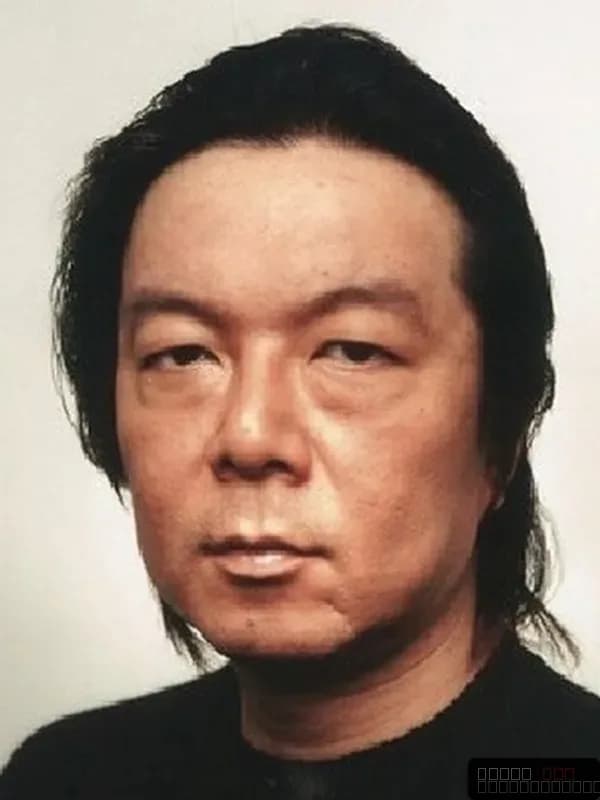
The film features a strong ensemble cast drawn from Japanese television and film, though the supporting cast includes the reliable character actors who give the adventure its weight and texture.
Q: How long is The Last Princess?
The film runs 118 minutes, giving it enough time to develop both the action sequences and the romantic subplot without feeling rushed or bloated.
Q: What genre is The Last Princess?
It blends action, drama, and history. Think of it as a historical adventure-romance with enough character work to justify the runtime and enough danger to keep the pacing alive.
Final Thoughts on The Last Princess
The Last Princess won't appeal to everyone — its mixed critical reception makes that clear. But if you're drawn to period dramas that prioritize character and romance alongside spectacle, or if you're looking to explore Japanese historical cinema beyond the most famous names, it's worth a shot. The film's central conceit — a princess learning to survive in the real world — taps into something genuinely human beneath all the swords and gold and running. That's what lingers after the credits roll.