



The story of The Missing: A mother's desperate search
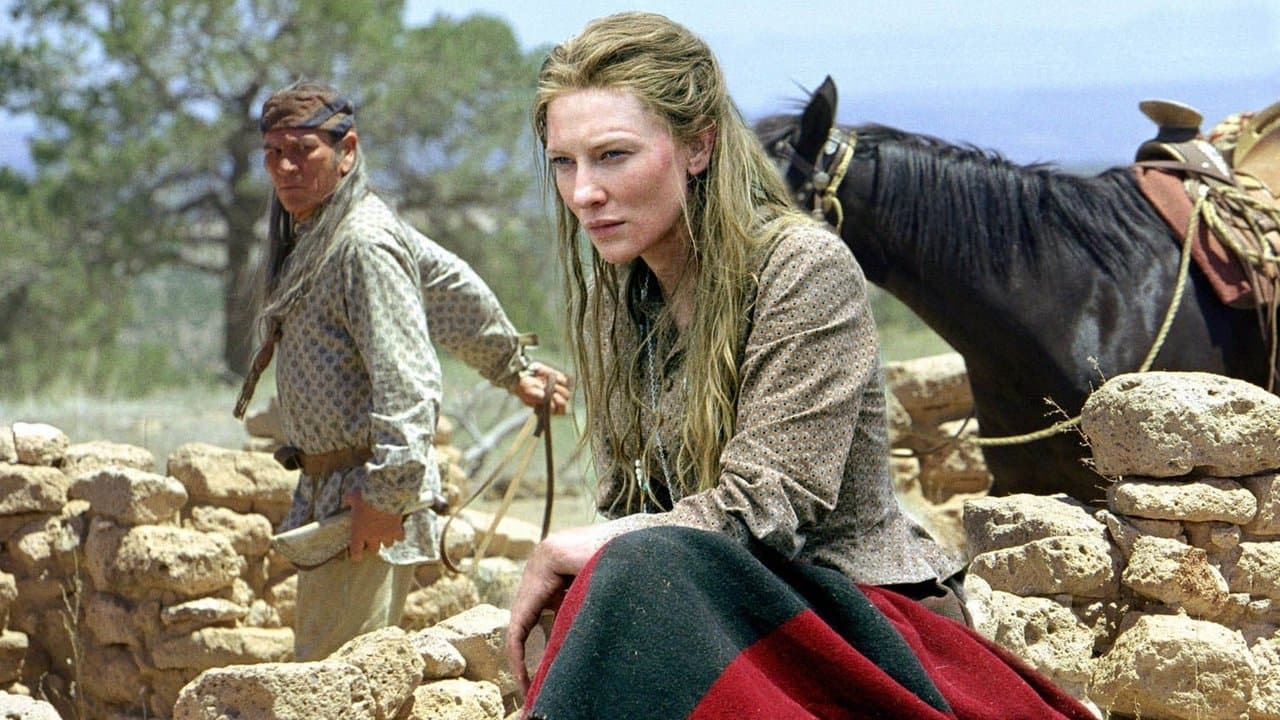
When your teenage daughter vanishes into the New Mexico wilderness, you don't have the luxury of grudges. That's the brutal calculus at the heart of The Missing, Ron Howard's 2003 western thriller that follows Maggie Gilkeson, a hardened rancher and single mother, as she confronts the one person she swore she'd never see again—her estranged father, Samuel—to track down her kidnapped daughter Lily before she's forced across the border into a life of exploitation. Set in 1885 New Mexico Territory, the film refuses easy sentiment; it's a story about how far desperation can push you, and whether some rifts can be bridged when everything else is stripped away. The kidnapping isn't a plot device so much as a crucible, forcing Maggie and Samuel to move past years of unresolved pain if they're going to have any chance of bringing Lily home alive.
Behind the making of The Missing: Production, cast, and commercial struggle
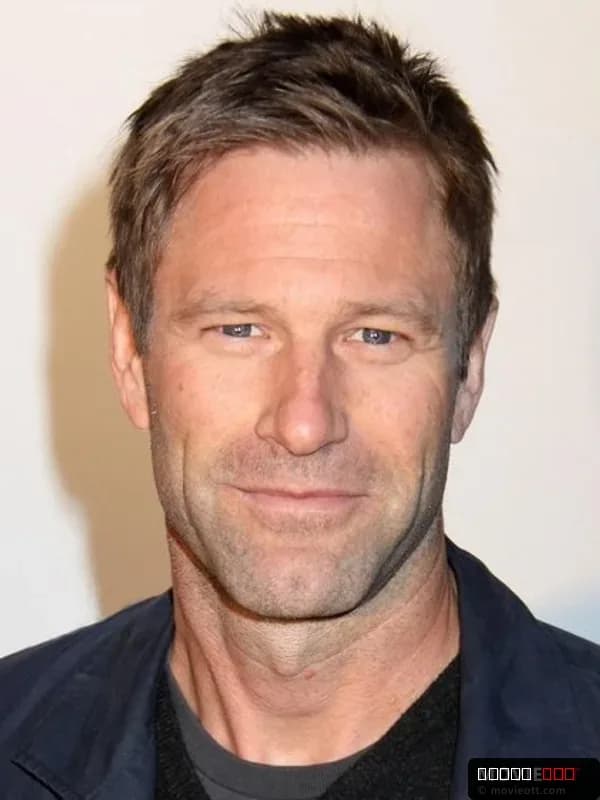
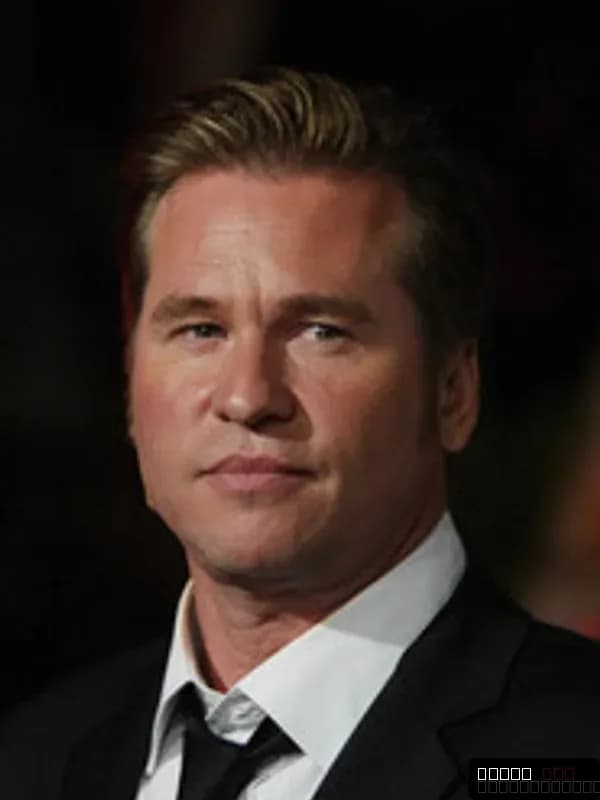
The Missing arrived in November 2003 as a prestige project with serious pedigree behind it. Ron Howard directed from Ken Kaufman's screenplay, adapted from Thomas Eidson's 1995 novel The Last Ride. The film was produced by Imagine Entertainment, Revolution Studios, and Daniel Ostroff Productions, with Columbia Pictures and Sony Pictures Releasing handling distribution. The cast paired Tommy Lee Jones—already an Oscar winner by this point—with Cate Blanchett, an actress who'd proven herself across period pieces and contemporary drama alike. Supporting roles included Val Kilmer, Aaron Eckhart, and Evan Rachel Wood, who played the kidnapped Lily.
What's striking is the film's commitment to linguistic authenticity. Rather than use approximations or invented dialogue, various cast members spent considerable time studying and speaking Apache language on set—a choice that cost time and money but grounded the film in something real. James Horner composed the score, while cinematographer Salvatore Totino captured the harsh beauty of the New Mexico landscape. Despite this caliber of talent and investment, the film struggled commercially. It grossed $38.4 million against a $60 million budget, making it a box-office disappointment that likely discouraged further theatrical westerns of its scale in the years that followed. That financial underperformance has somewhat overshadowed the film's actual merits.
What makes The Missing stand out: Performances and the weight of estrangement
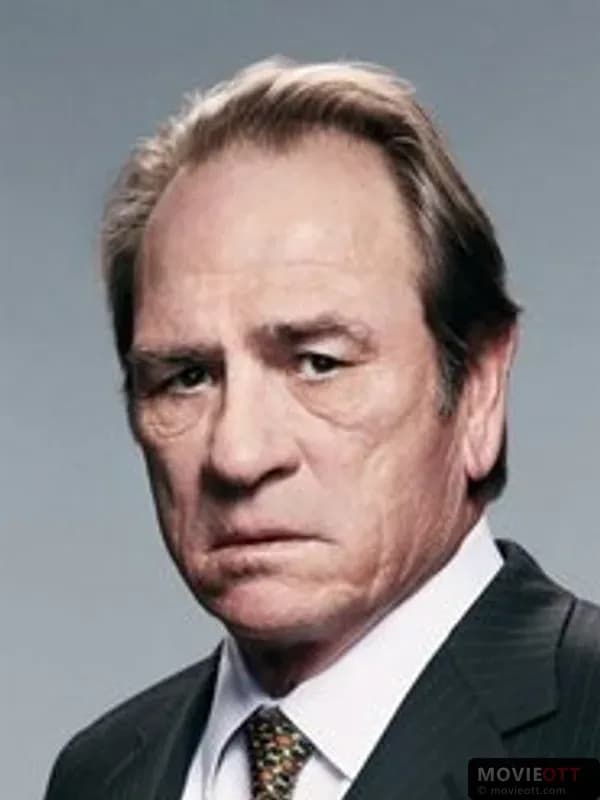
There's a particular kind of chemistry that emerges when two strong actors are forced to play characters who actively don't want to work together. Tommy Lee Jones brings his trademark weathered intensity to Samuel—a man who's lived hard and made harder choices—while Blanchett anchors the film as Maggie, a woman whose competence and survival instinct are constantly tested by her need to trust someone she's spent years resenting. What I keep coming back to is how the film doesn't rush their reconciliation. They bicker, they disagree about tactics, they carry old wounds that don't magically dissolve because there's a crisis. That friction feels earned rather than manufactured.
The film works best when it leans into the moral ambiguity of its premise. It doesn't present the Apache rebels as cartoonish villains or noble savages—they're complicated figures responding to their own circumstances, which complicates Maggie's mission in ways a simpler revenge narrative wouldn't. The action sequences are tense without feeling gratuitous, and Howard's direction keeps the pacing tight across the 135-minute runtime. Critics gave it mixed reviews, but that's partly because the film resists easy categorization; it's not quite a traditional western, not quite a thriller, not quite a family drama—it's all three, which can make it harder to market or immediately appreciate. What critics did acknowledge was the seriousness of the performances and the film's refusal to shortcut its emotional stakes.
Where to stream The Missing online
The Missing is available on major OTT platforms, and you can check the Where to Watch widget at the top of this page to see which services currently carry it in your region. Streaming availability shifts regularly, so Movie OTT tracks current availability across platforms to help you find exactly where to watch it without the guesswork. Given the film's 135-minute runtime, you'll want to set aside a solid evening—this isn't a casual background watch, but rather something that demands your attention, especially in the stretches where dialogue and character tension carry more weight than action.
Frequently asked questions
Q: Who directed The Missing?
Ron Howard directed The Missing from a screenplay by Ken Kaufman, adapting Thomas Eidson's 1995 novel The Last Ride. It was released in November 2003 by Sony Pictures Releasing.
Q: Is The Missing based on a true story?
No, the film is based on Thomas Eidson's fictional novel The Last Ride, though it's set against the real historical backdrop of 1885 New Mexico Territory and Apache conflicts of that era.
Q: What's the runtime of The Missing?
The Missing runs 135 minutes, giving Howard plenty of time to develop both the action sequences and the emotional core of Maggie and Samuel's fractured relationship.
Q: Why did The Missing underperform at the box office?
The film grossed $38.4 million against a $60 million budget, making it a commercial disappointment despite strong casting and direction. Western films were already struggling in the theatrical market by 2003, and the film's mixed critical reception likely suppressed word-of-mouth.
Q: What languages are spoken in The Missing?
The film is notable for its authentic use of the Apache language, with cast members spending significant time studying and performing in the language rather than using approximations or invented dialogue.
Final thoughts on The Missing
The Missing won't appeal to everyone—it's deliberately paced in places where modern audiences might expect faster cuts, and its moral landscape is murkier than typical action-thrillers. But it's a film that respects its audience's intelligence and its characters' complexity. If you're drawn to westerns that prioritize character work alongside spectacle, or if you appreciate seeing established actors like Jones and Blanchett tackle material with real emotional weight, it's worth your time. Don't let the box-office numbers fool you—sometimes the best films find their audience later.