

What The Monte Carlo Story is about
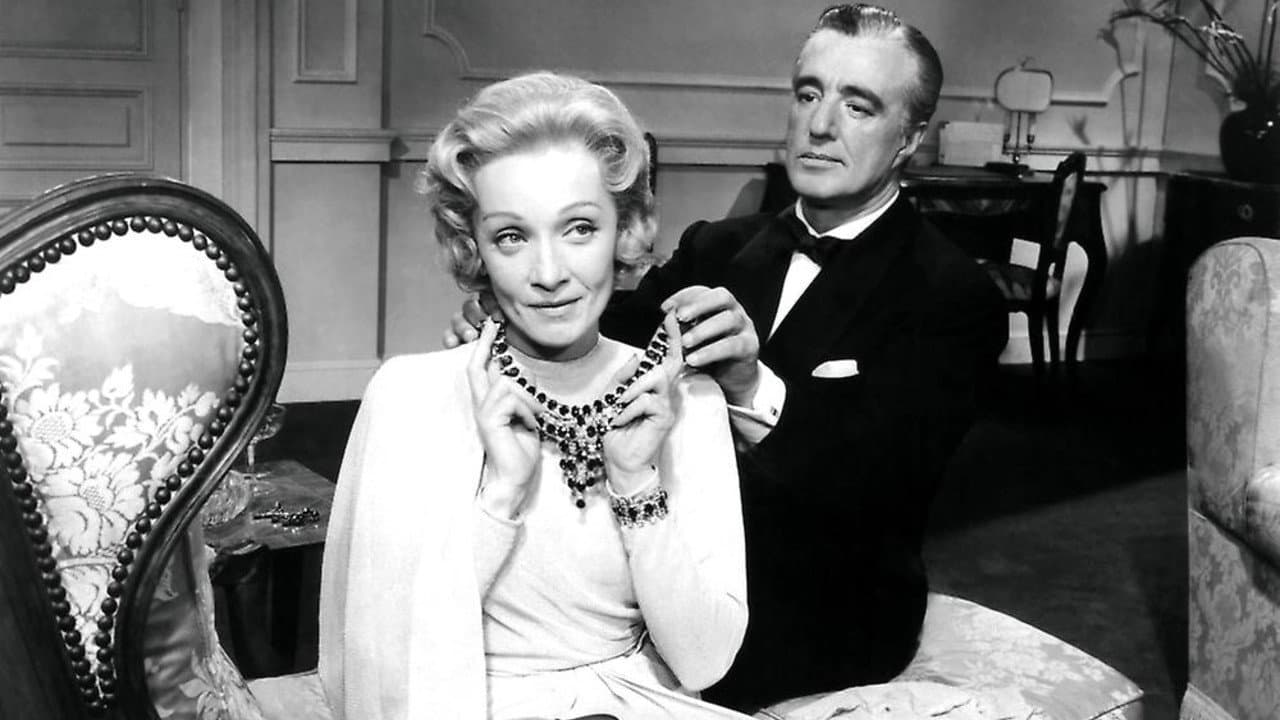
The Monte Carlo Story opens on the sun-drenched streets of the French Riviera, where style and charm matter far more than actual currency. Dino and Maria are the kind of people who look expensive in a room full of millionaires — all tailored suits, knowing glances, and the kind of ease that comes from faking it perfectly. They're also completely broke. What starts as a romance between two equally penniless schemers quickly pivots when both realize that marrying each other solves nothing; instead, they turn their attention toward a wealthy widower and his daughter, hoping to secure their financial futures through calculated seduction. The twist? Dino's a compulsive gambler who can't stop losing money he doesn't have to investors who are getting increasingly anxious. It's the kind of plot that doesn't hold up under scrutiny—and that's sort of the point.
Behind the making of The Monte Carlo Story
The Monte Carlo Story arrived in 1956 as a product of genuine international collaboration between Italian studio Titanus and French production company Société Générale de Cinématographie. Samuel A. Taylor, who'd proven himself a master of romantic comedy on stage and screen, wrote and directed the film from an original story he developed with Marcello Girosi and Dino Risi. The real distinction, though, belongs to the technical achievement: this was the first feature ever shot in Technirama, a widescreen color process that allowed filmmakers to capture the Mediterranean landscape in a way that standard formats simply couldn't. Marcello Girosi served as producer, ensuring the Italian sensibility remained intact even as the film courted international appeal. The costume design by Jean Louis—who'd dressed everyone from Rita Hayworth to Grace Kelly—gave the picture an undeniable sheen of sophistication. You can see it in every frame, the way fabric moves, the precision of every accessory. That visual polish mattered, because without it, the whole enterprise might've collapsed under the weight of its own implausibility. The film's 102-minute runtime keeps things brisk, never allowing the audience time to ask too many questions about the logic of the plot.
Why The Monte Carlo Story works despite itself
What's striking is that The Monte Carlo Story shouldn't work at all. The premise is gossamer-thin, the moral stakes are nonexistent, and the characters are essentially asking us to root for two con artists as they con other people. And yet—and this is where the craft matters—Marlene Dietrich and Vittorio De Sica bring a kind of knowing complicity to their roles that makes the whole thing feel like a wink shared between old friends. They're not trying to convince you they're good people; they're inviting you to enjoy the performance of being bad people with excellent taste in hotels. De Sica, who'd anchored neorealist masterpieces just years earlier, leans into the comedy with a lightness that suggests he's having genuine fun. Dietrich, meanwhile, was in her mid-fifties when she made this, and there's something defiant about her presence—she's not trying to play young, and she's not apologizing for it either. The supporting cast, including Arthur O'Connell and Natalie Trundy, fill out the world competently enough that the Riviera itself becomes almost a character. The real draw, though, is watching two seasoned professionals toy with material that knows exactly what it is: a confection. Nothing more, nothing less. Movie OTT tracks where classic films like this are currently streaming, making it easier to catch up on the kind of mid-century entertainment that doesn't pretend to be anything weightier than a champagne cocktail.
Where to stream The Monte Carlo Story online
The Monte Carlo Story is available across major OTT services, and you can check the "Where to Watch" widget at the top of this page to see exactly which platforms are currently carrying it in your region. Streaming availability shifts seasonally, so if you're planning to revisit the Riviera, it's worth checking Movie OTT's streaming guide regularly—the film pops up on different services depending on licensing agreements and regional catalogs. It's the kind of mid-century gem that deserves to be rediscovered by viewers who appreciate the craftsmanship of classic Hollywood and European co-productions, even when the story itself is pure fluff.
Frequently asked questions
Q: Who directed The Monte Carlo Story?
Samuel A. Taylor both wrote and directed The Monte Carlo Story, bringing his expertise in romantic comedy from Broadway and earlier films to this 1956 production. He worked from an original story developed with Marcello Girosi and Dino Risi.
Q: Was The Monte Carlo Story the first film shot in Technirama?
Yes—The Monte Carlo Story holds the distinction of being the first feature film ever shot in the Technirama widescreen color process, which allowed cinematographers to capture the French Riviera's landscape in vivid detail and expansive framing.
Q: Who are the main stars of The Monte Carlo Story?
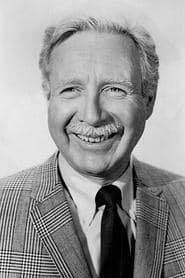
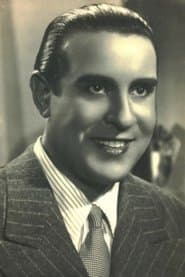
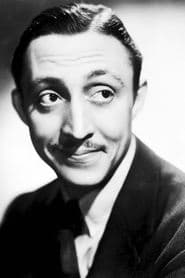
Marlene Dietrich and Vittorio De Sica headline the film, with supporting performances from Arthur O'Connell, Natalie Trundy, and Renato Rascel. The cast brings considerable pedigree to what is ultimately a lightweight romantic romp.
Q: What's The Monte Carlo Story actually about?
Two sophisticated but completely broke con artists—Dino and Maria—pursue each other romantically until they realize neither has any money, forcing them to shift their attention to a wealthy widower and his daughter. Complications arise when Dino's gambling addiction spirals out of control.
Q: Is The Monte Carlo Story based on a true story?
No—The Monte Carlo Story is an original creation developed specifically for the screen by Samuel A. Taylor, Marcello Girosi, and Dino Risi. It's pure fiction designed as escapist entertainment.
Final thoughts on The Monte Carlo Story
If you're looking for something that takes itself seriously, The Monte Carlo Story isn't your film. But if you want to spend 102 minutes on the French Riviera with two charismatic actors who understand exactly how to play a scene where nobody's being honest with anybody—including the audience—then it's worth your time. It's a film that knows its limits and works within them beautifully. Not every movie needs to say something profound about the human condition. Sometimes a stylish con game, shot in stunning color with impeccable costumes, is exactly what you need.