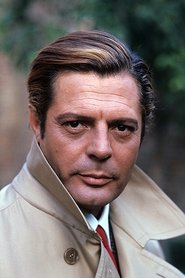
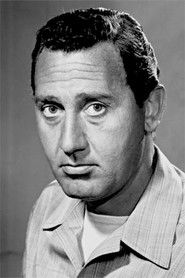
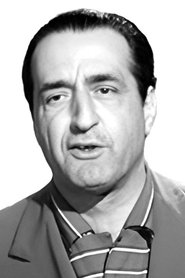
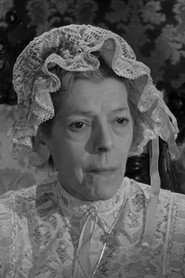
Actor & Director
Vittorio De Sica
49 films on Movie OTT · 19 as director · Active 1937–2009
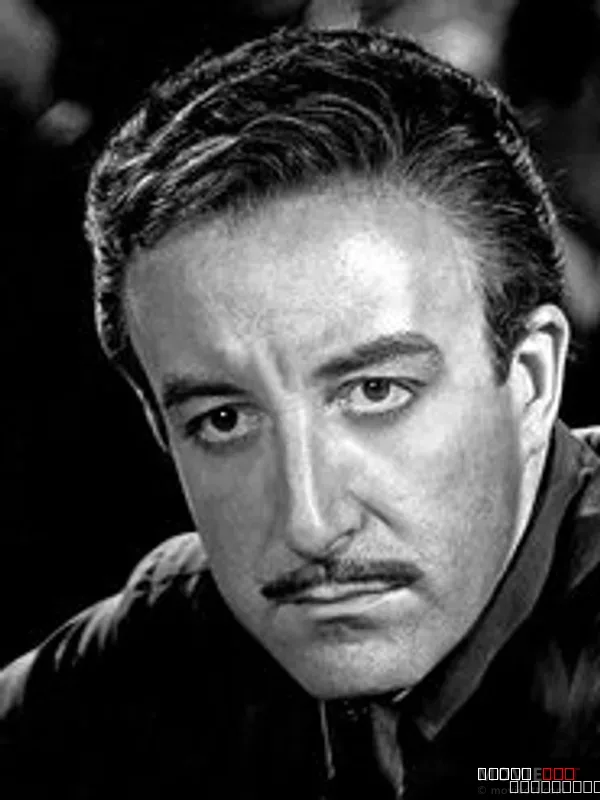
Vittorio De Sica — director, actor, and one of the most consequential figures Italian cinema has ever produced — spent roughly five decades working in front of and behind the camera, and the range of what he pulled off is genuinely hard to square. Born July 7, 1901, in Sora, a small city in Lazio, Italy (TMDB), he died November 13, 1974 (TMDB), leaving behind a filmography that runs from postwar moral devastation to broad Peter Sellers farce. That breadth isn't a contradiction. It's the point.
About Vittorio De Sica
Vittorio De Sica — director, actor, and one of the most consequential figures Italian cinema has ever produced — spent roughly five decades working in front of and behind the camera, and the range of what he pulled off is genuinely hard to square. Born July 7, 1901, in Sora, a small city in Lazio, Italy (TMDB), he died November 13, 1974 (TMDB), leaving behind a filmography that runs from postwar moral devastation to broad Peter Sellers farce. That breadth isn't a contradiction. It's the point.
What's striking is how thoroughly his neorealist work redefined what foreign-language cinema could mean to American audiences and institutions. Four of his films won Academy Awards (Wikipedia): Sciuscià and Bicycle Thieves each received honorary Oscars, while Yesterday, Today and Tomorrow and Il giardino dei Finzi Contini took home the Academy Award for Best Foreign Language Film. Turner Classic Movies cited Bicycle Thieves as one of the 15 most influential films in cinema history (Wikipedia) — and if you've seen that final scene, a father and son on a Roman street with nowhere left to go, you don't need a critic to explain why.
He wasn't only a director. De Sica kept acting throughout his career, and he was good enough at it that he earned a 1957 Oscar nomination for Best Supporting Actor — playing Major Rinaldi in Charles Vidor's adaptation of A Farewell to Arms — despite the film itself being widely panned (Wikipedia). His performance was considered the film's one genuine asset. That's a particular kind of talent: the ability to do serious work inside a project that doesn't deserve it.
Currently streaming
5 of 49 on platforms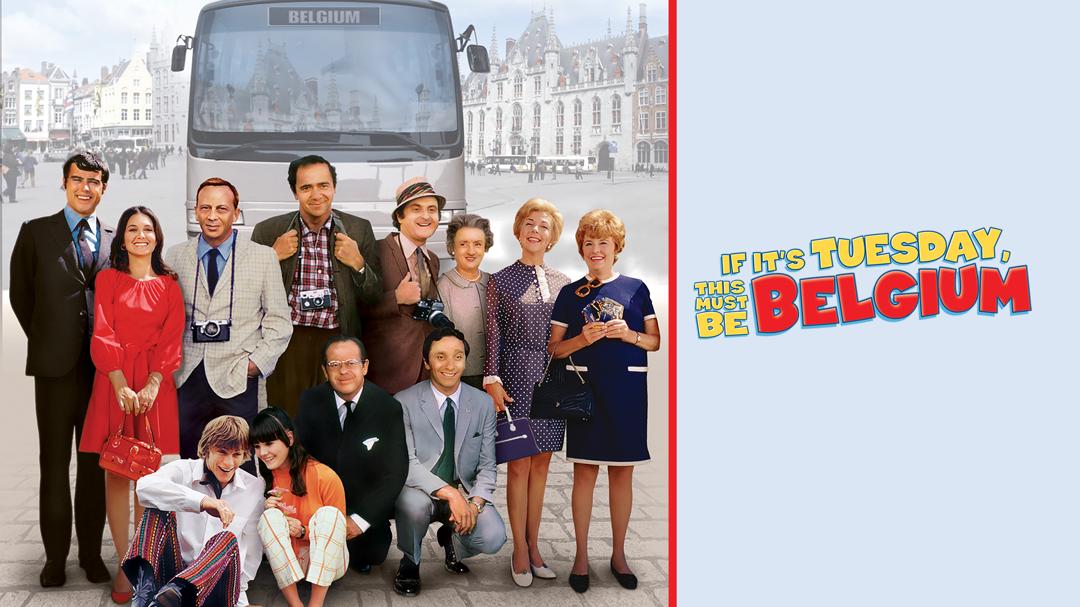
If It's Tuesday, This Must Be Belgium
1969 · Amazon Prime Video with Ads, Filmin +6
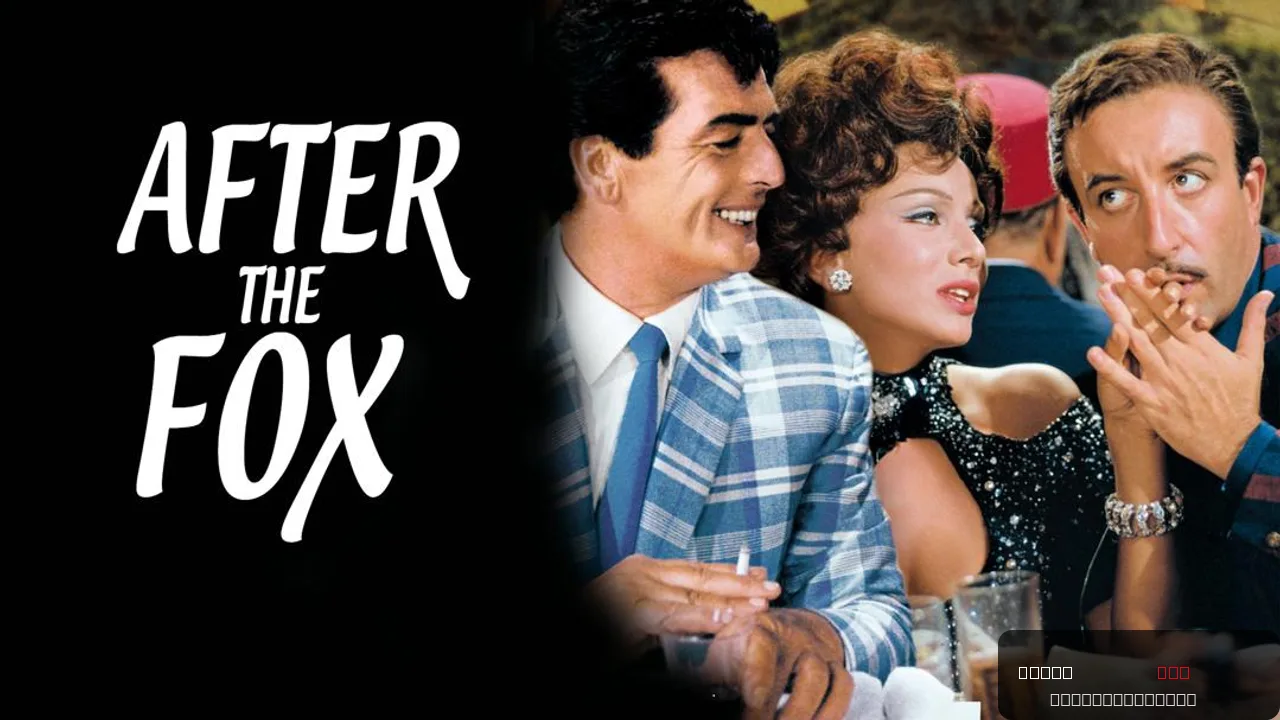
After the Fox: A Comedic Caper with Peter Sellers
1966 · Amazon Prime Video with Ads, fuboTV +6

Ferdinand I King of Naples
1959 · Netflix

The Earrings of Madame de...
1953 · Prime Video

Indiscretion of an American Wife
1953 · Prime Video
Early life & background
Vittorio De Sica was born on July 7, 1901, in Sora, in the Frosinone province of Lazio, Italy (TMDB). Beyond his birthplace and date, the available sourced record doesn't offer much detail about his family background, education, or early upbringing — so we'll leave that territory alone rather than speculate. What the record does confirm is the arc: a man who came up in early twentieth-century Italy and built one of the most recognized careers in the history of European cinema. The specifics of how he got from Sora to that position remain worth-ing against primary biographical sources.
Career
Cite this page
For Wikipedia, journalism, or academic references — copy the citation below:
Movie OTT. "Vittorio De Sica." Accessed Sep 18, 2026. https://movieott.com/talent/vittorio-de-sicaCross-references: Wikipedia
Last updated June 30, 2026 · Sources: tmdb+wikipedia+tmdb-credits+ai-claude
Filmography
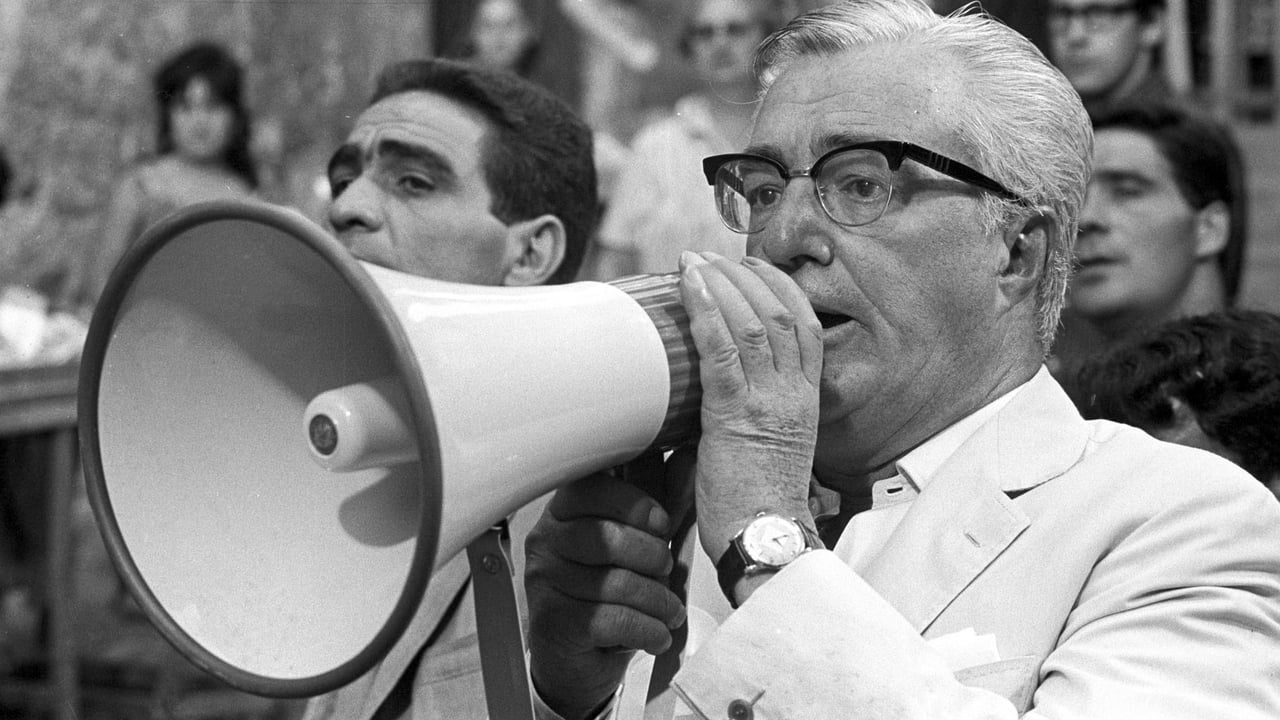
Vittorio D.
2009 · Self (archive footage)
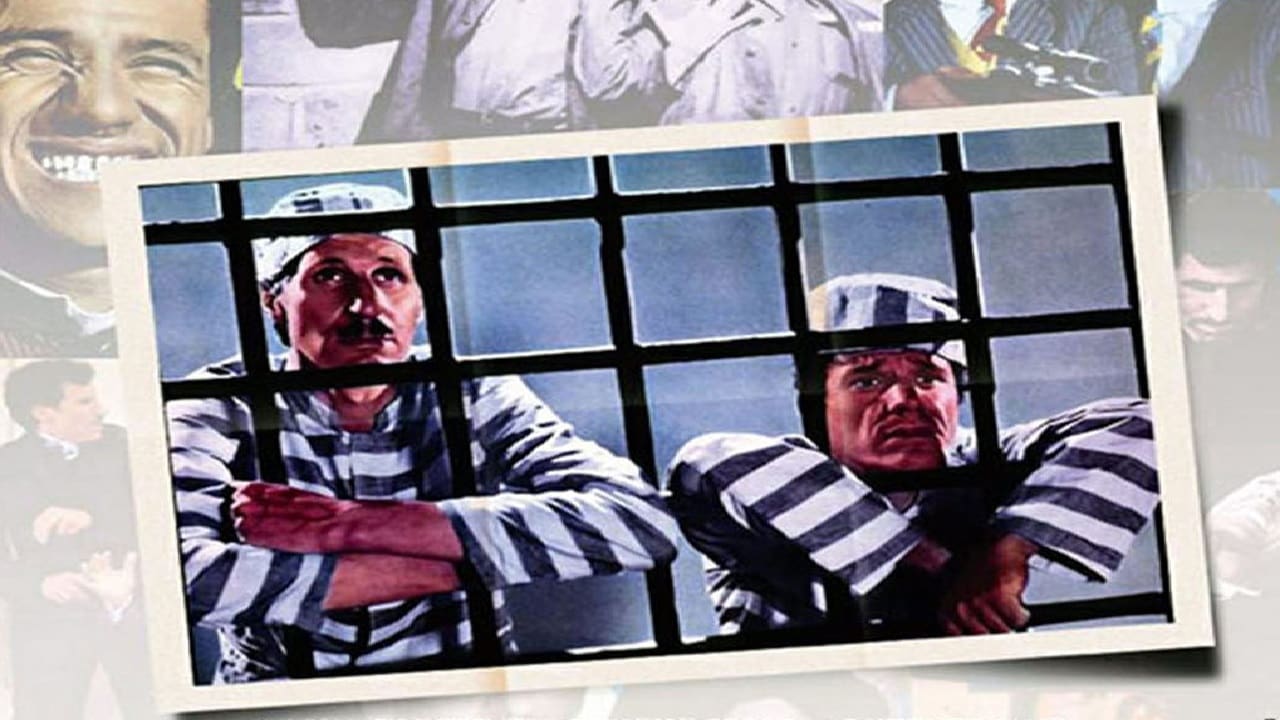
How We Got the Italian Movie Business Into Trouble: The True Story of Franco and Ciccio
2004 · (archive footage)
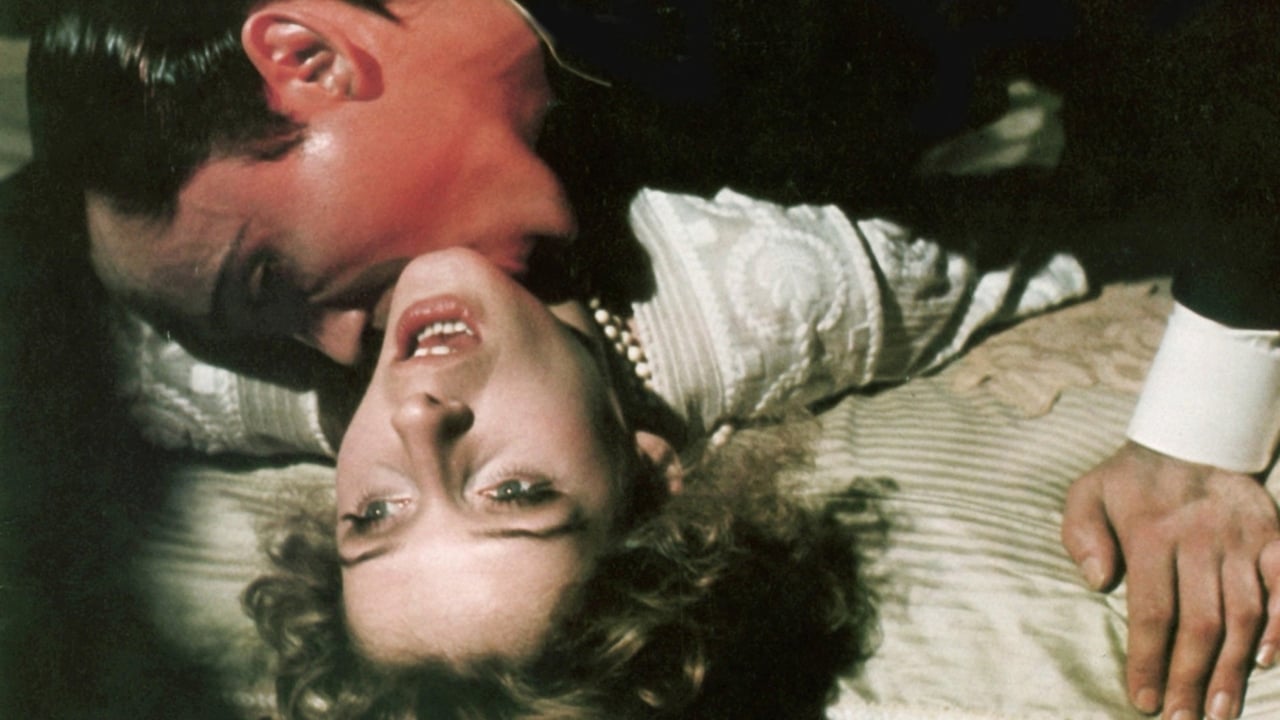
Blood for Dracula
1974 · Marquis Di Fiore
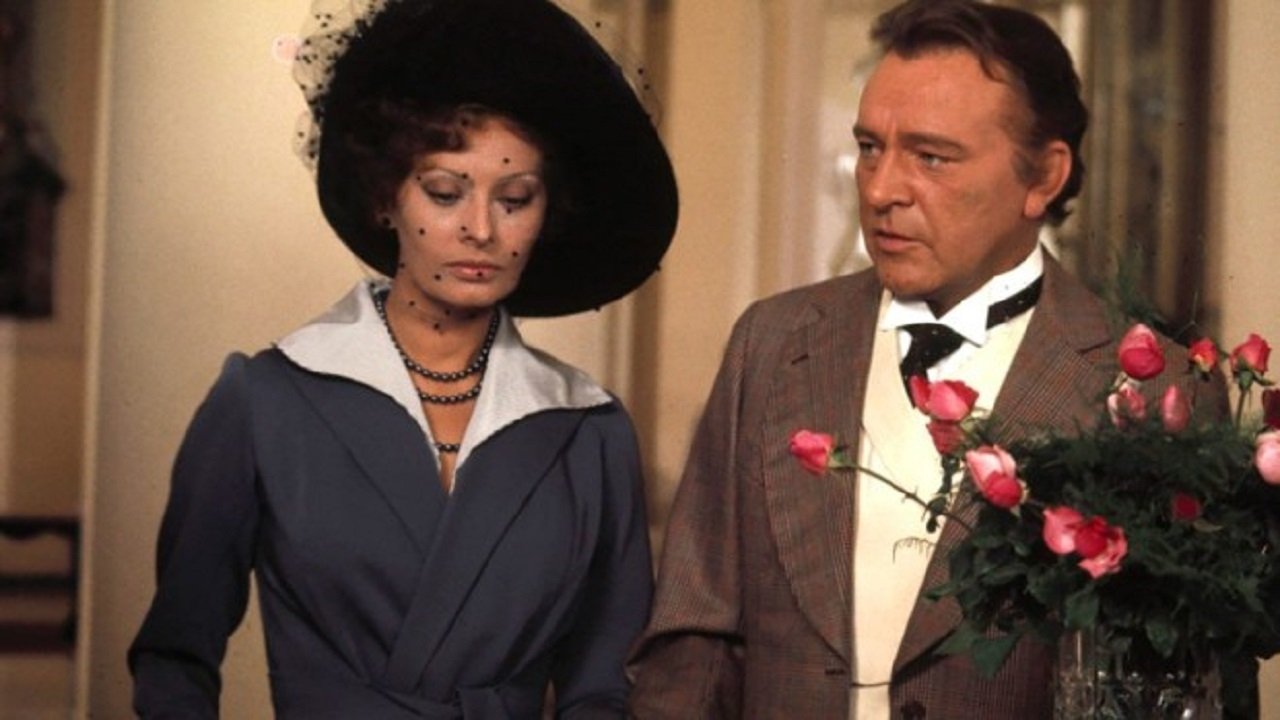
The Voyage
1974 · Director
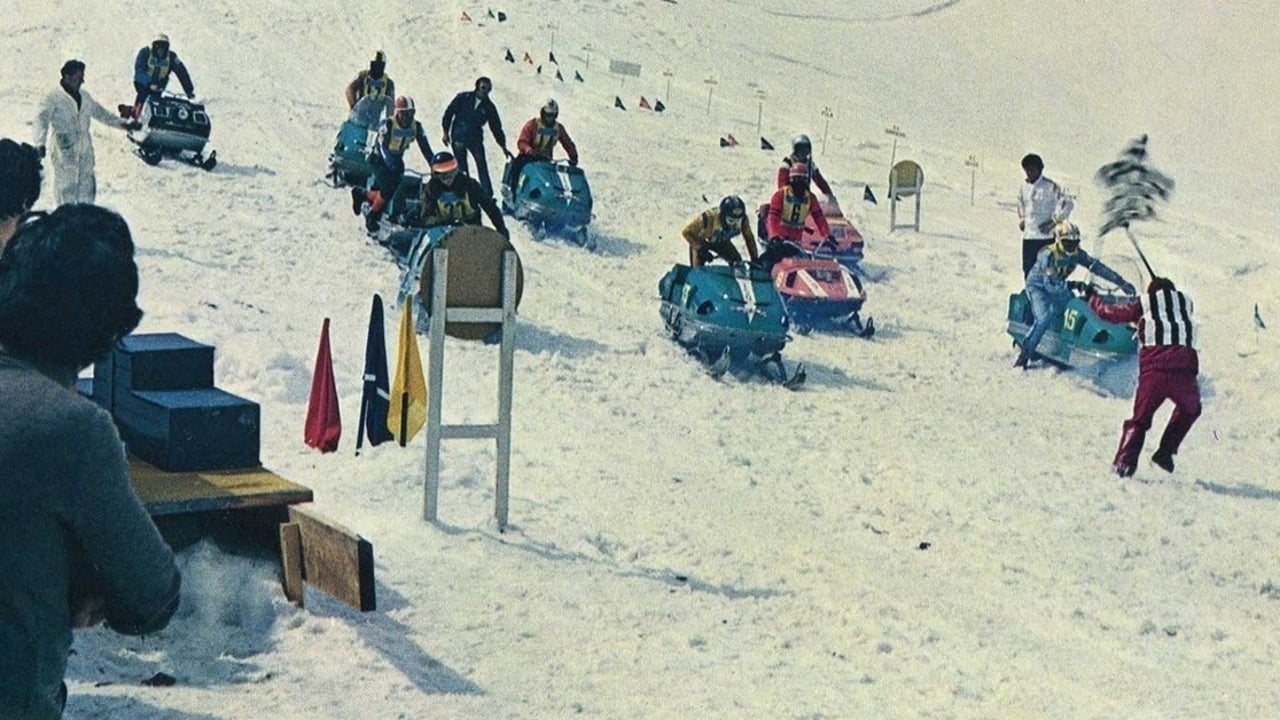
Snow Job
1972 · Enrico Dolphi
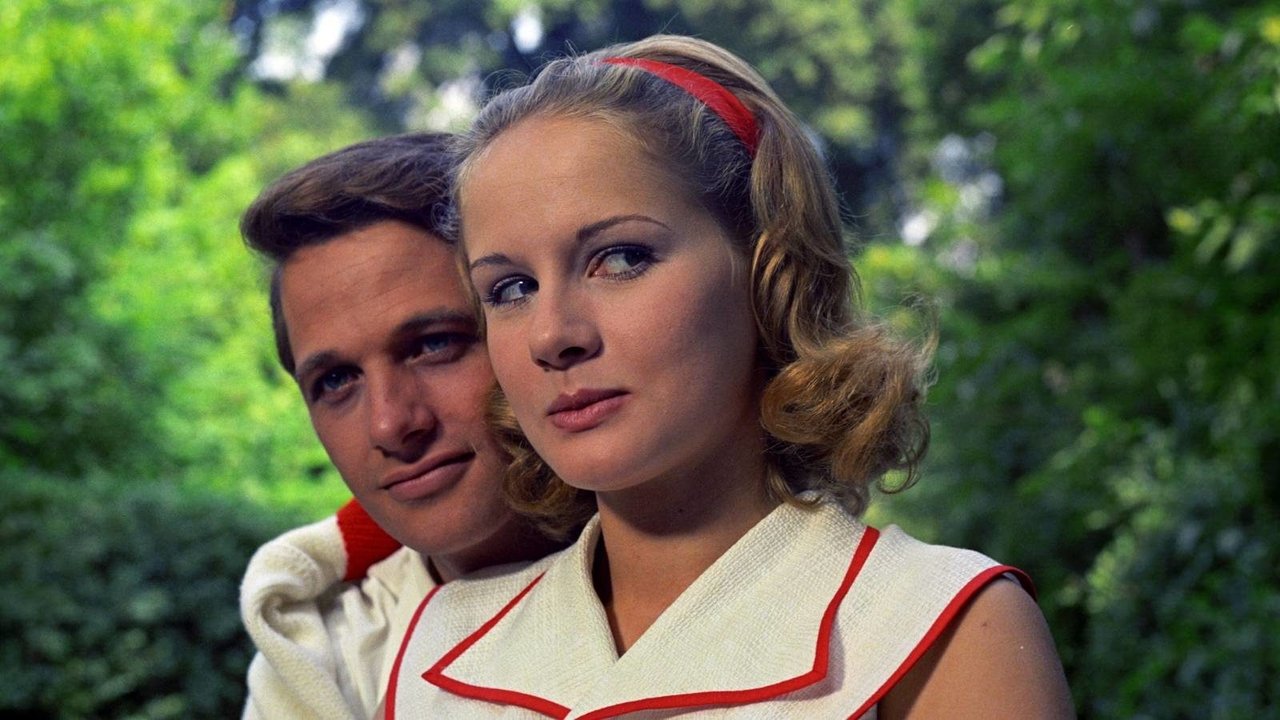
The Garden of the Finzi-Continis
1970 · Director
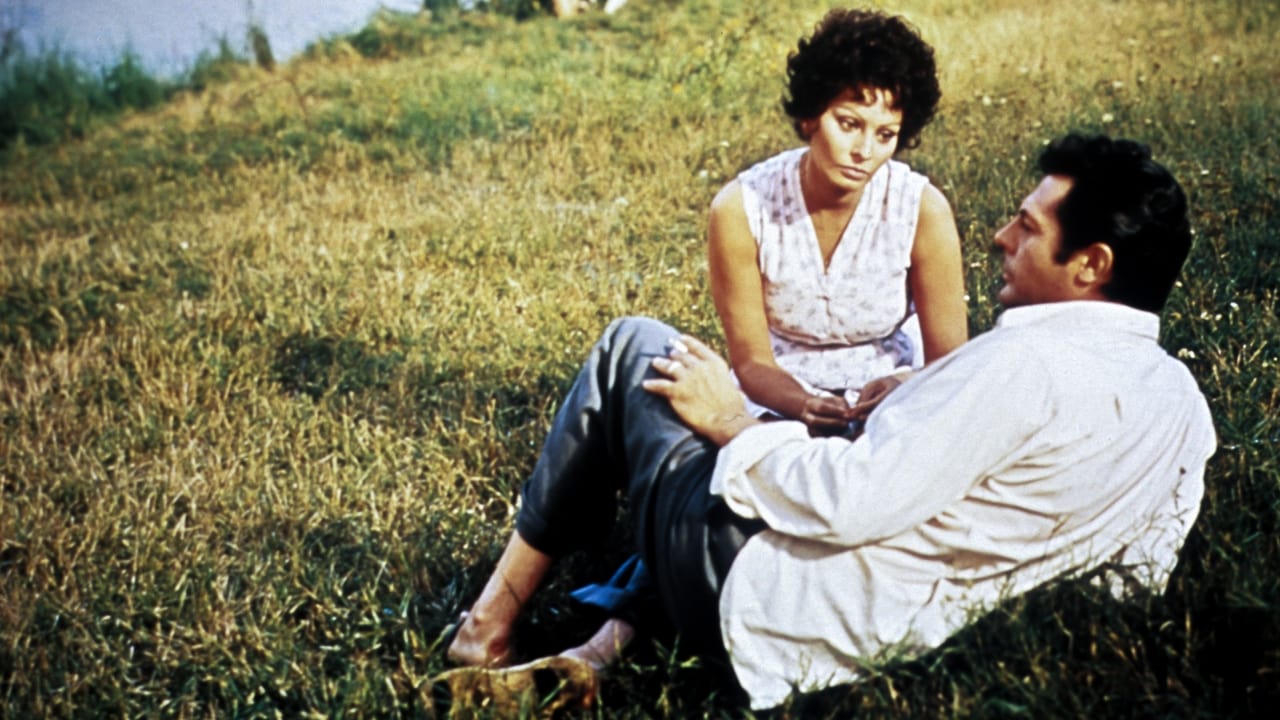
Sunflower
1970 · Director
If It's Tuesday, This Must Be Belgium
1969 · Cast
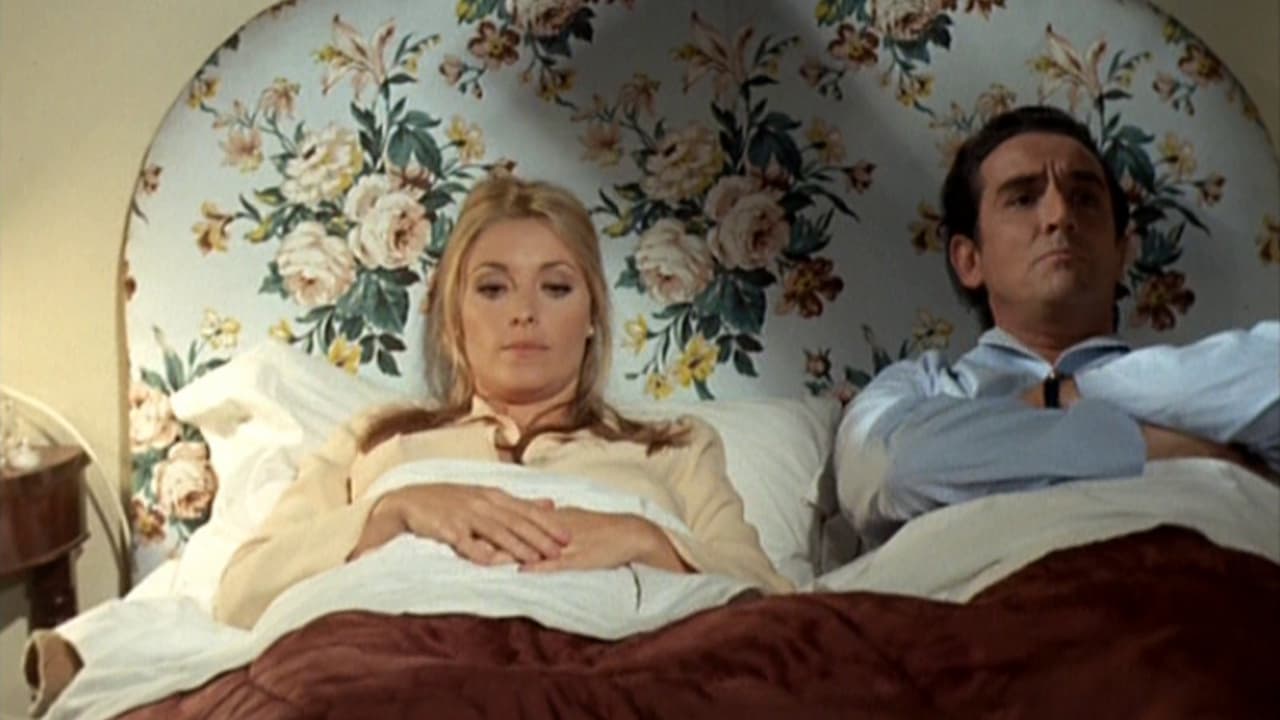
Twelve Plus One
1969 · Di Seta
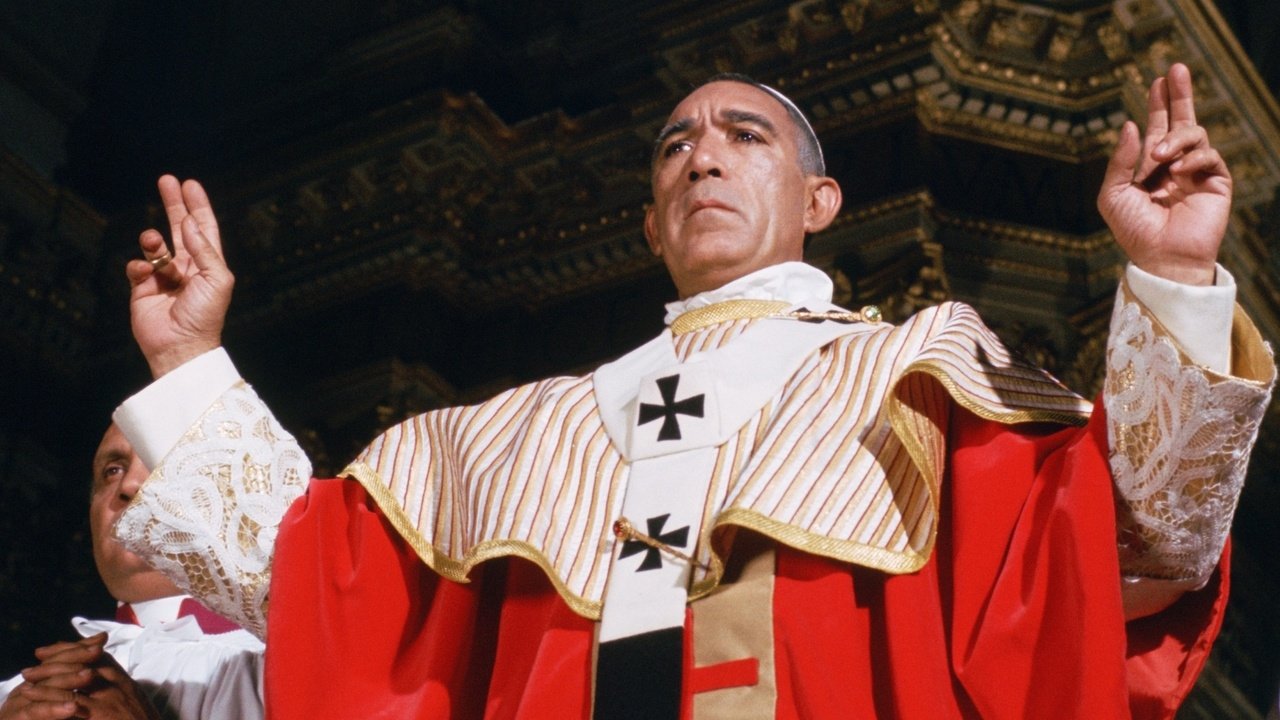
The Shoes of the Fisherman
1968 · Cardinal Rinaldi
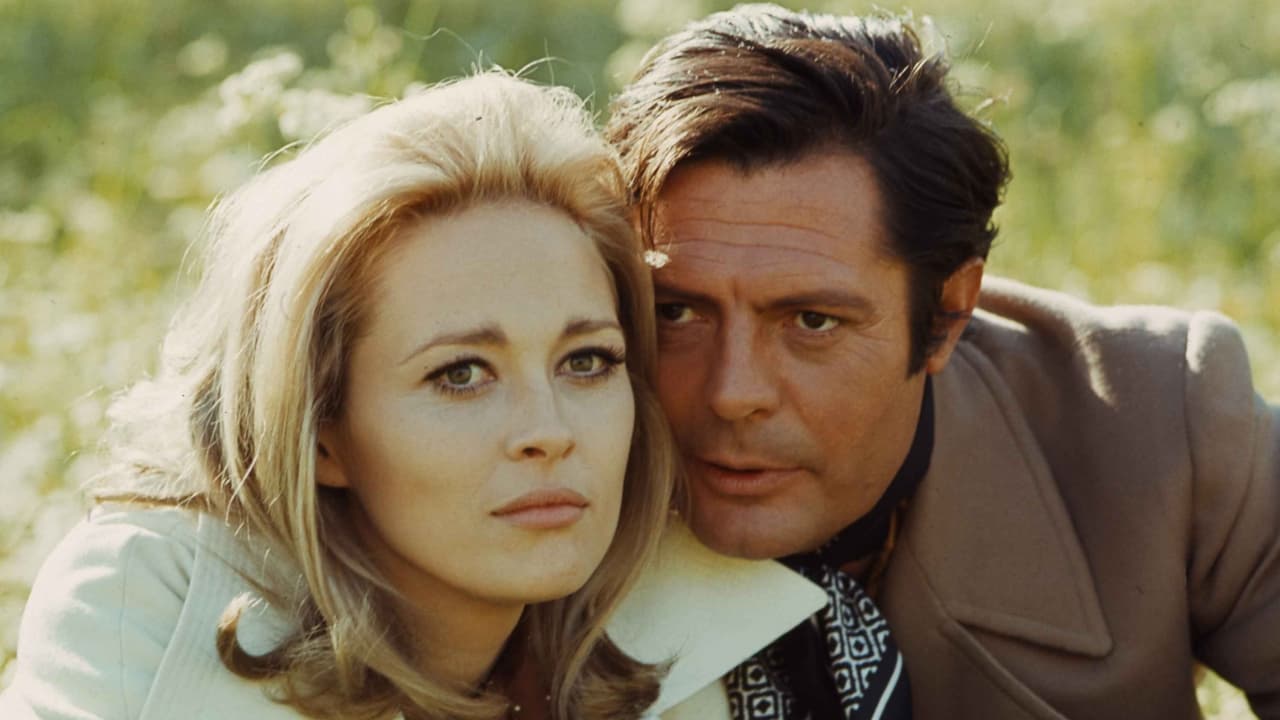
A Place for Lovers
1968 · Director
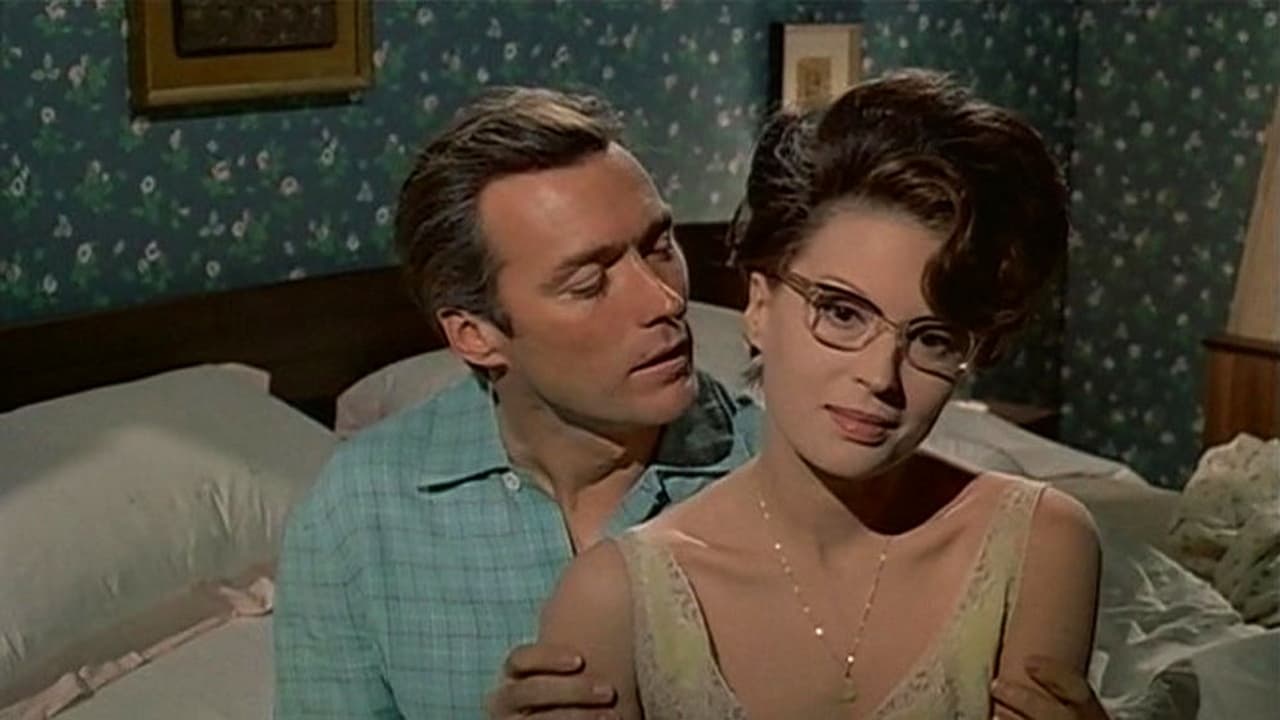
The Witches
1967 · Director

Woman Times Seven
1967 · Director
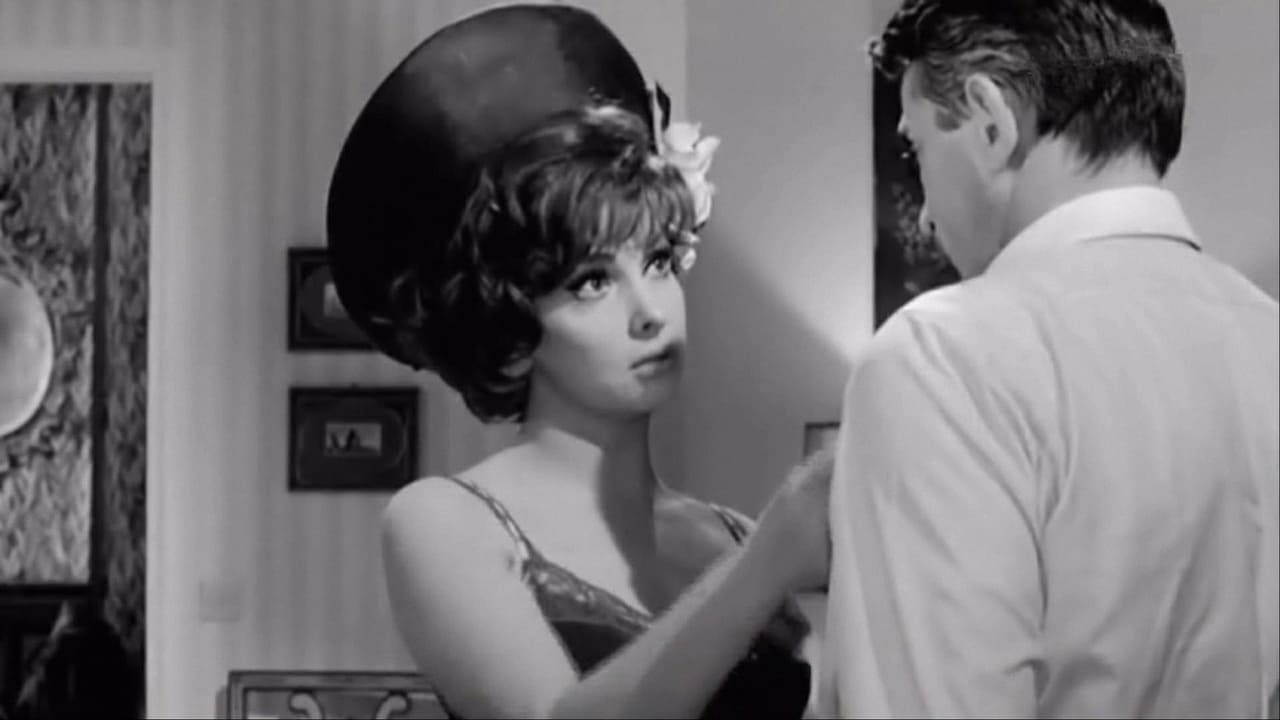
Me, Me, Me... and the Others
1966 · Commendator Trepossi
After the Fox: A Comedic Caper with Peter Sellers
1966 · Director

The Amorous Adventures of Moll Flanders
1965 · der Graf
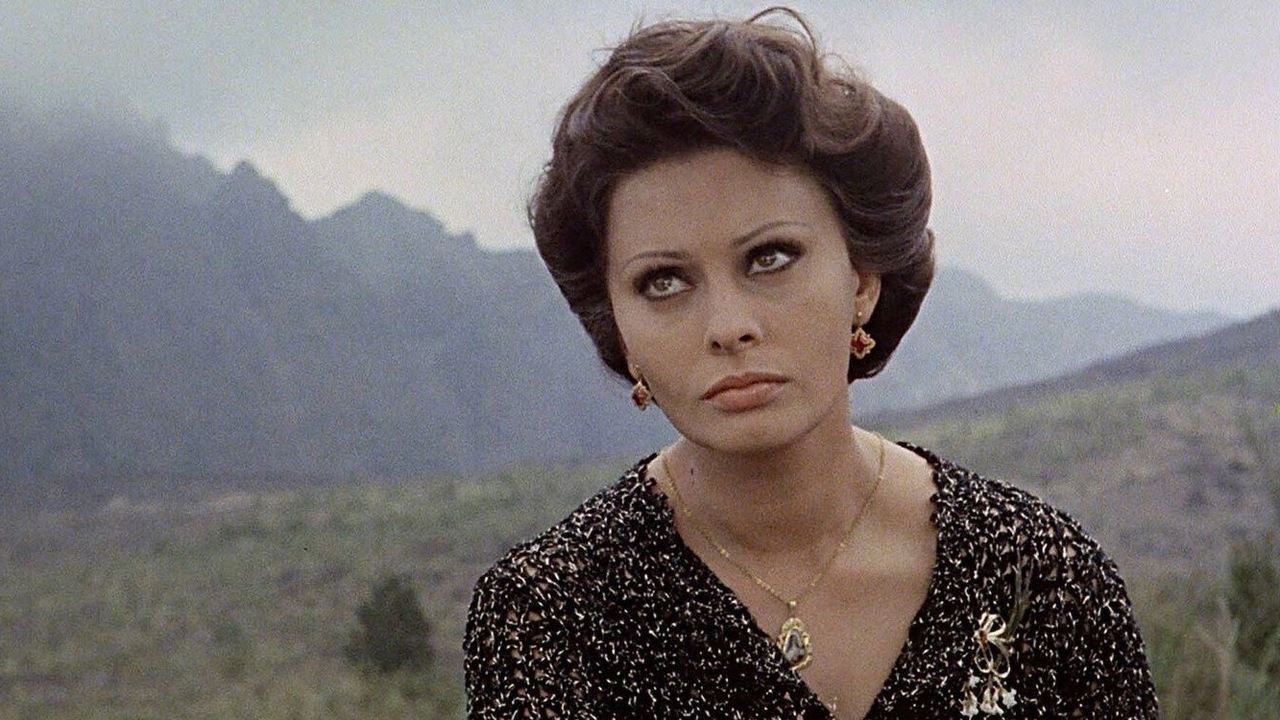
Marriage Italian Style
1964 · Director
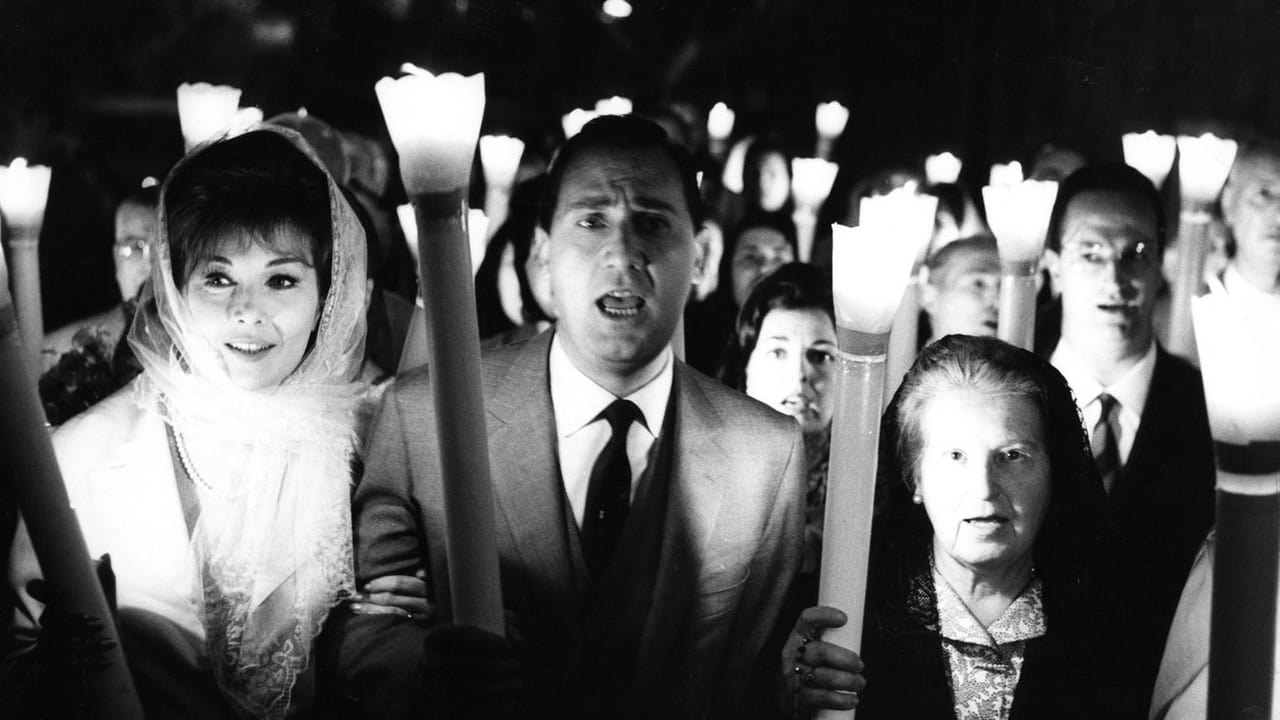
The Boom
1963 · Director
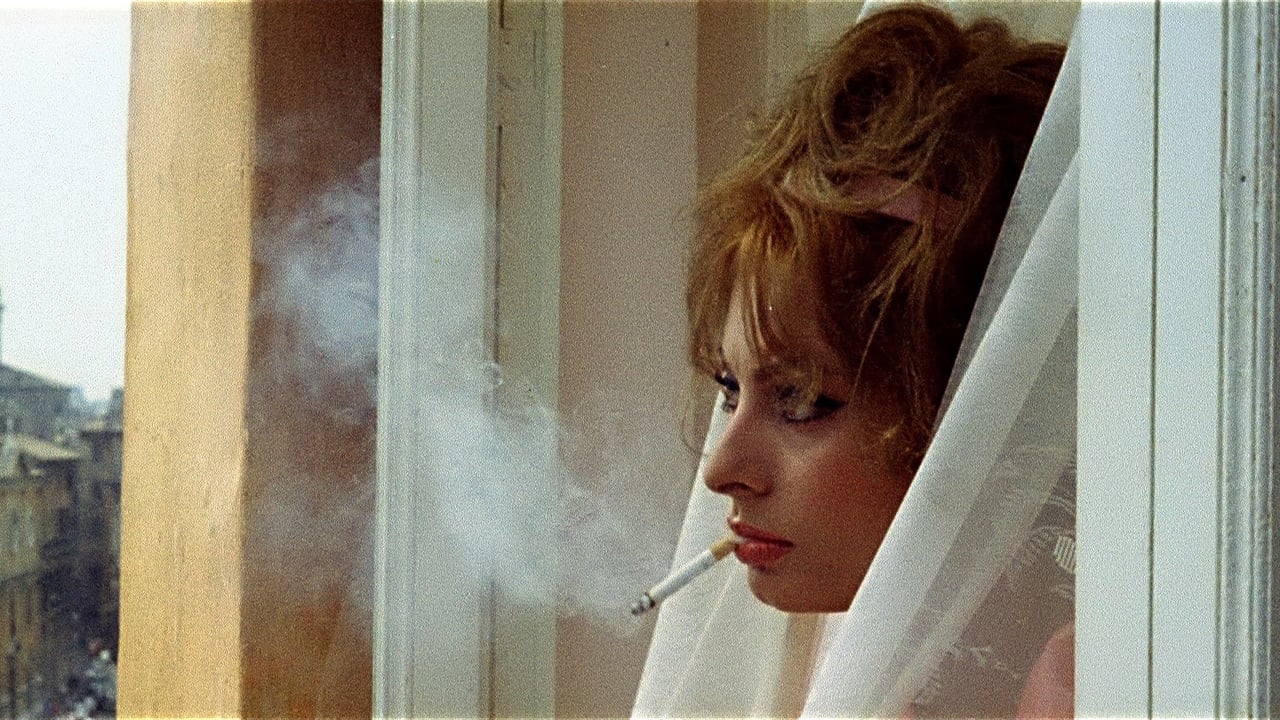
Yesterday, Today and Tomorrow
1963 · Director
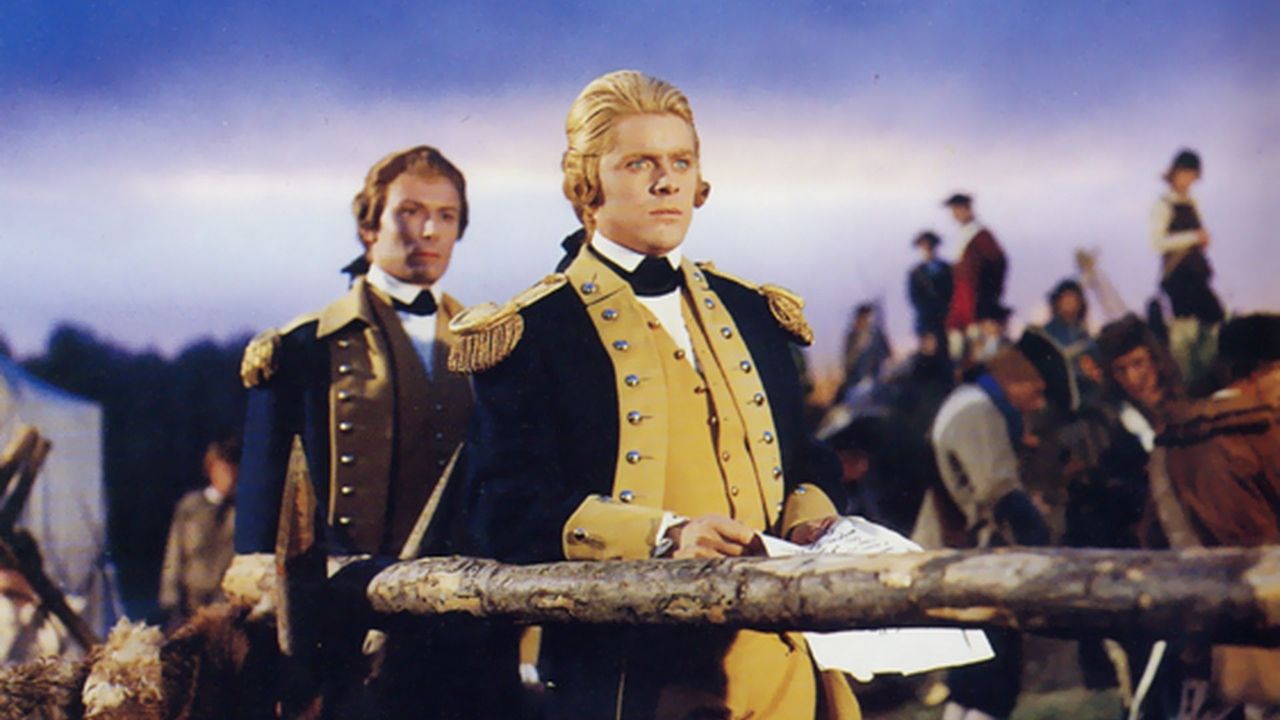
Lafayette
1962 · Bancroft
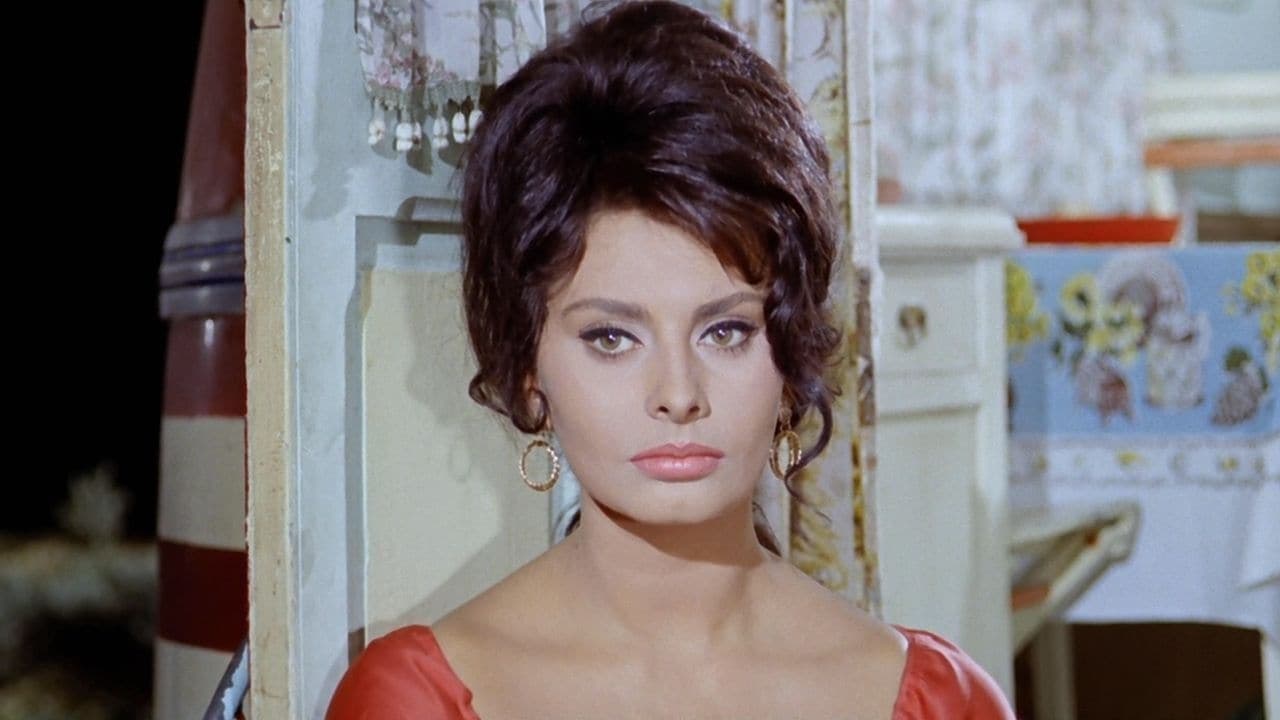
Boccaccio '70
1962 · Director

The Wonders of Aladdin
1961 · Genie
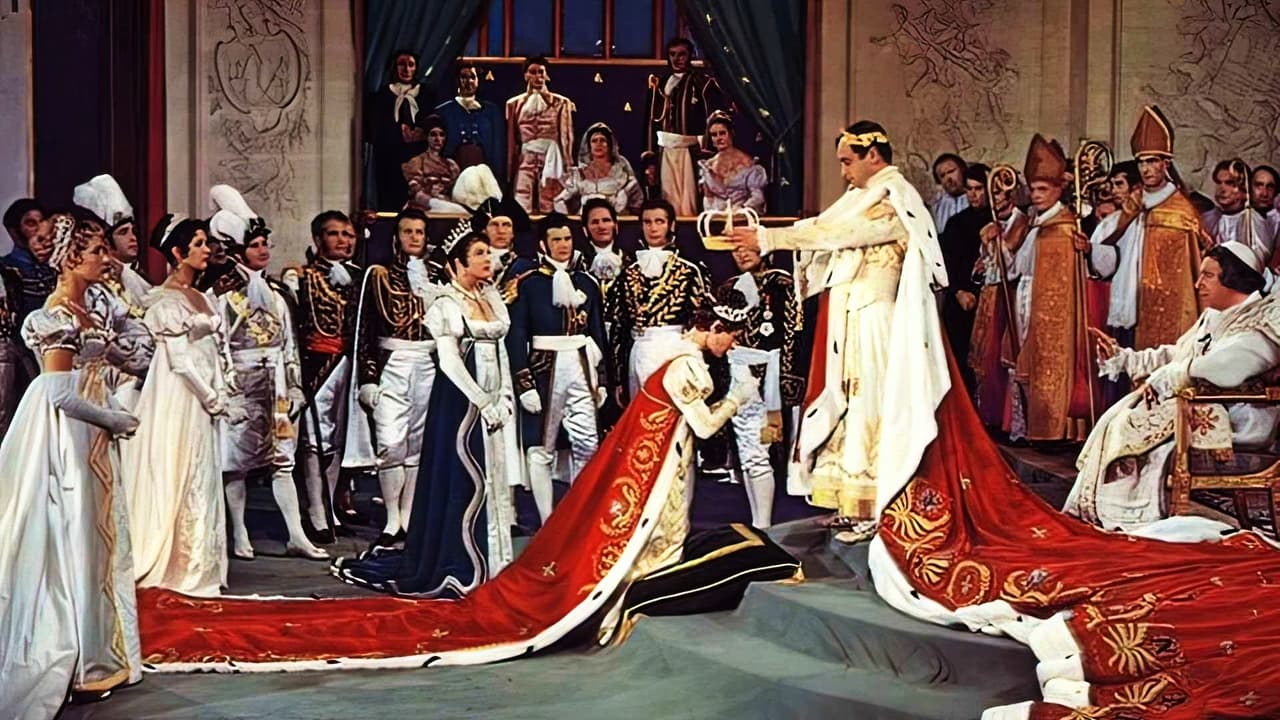
The Battle of Austerlitz
1960 · le pape Pie VII
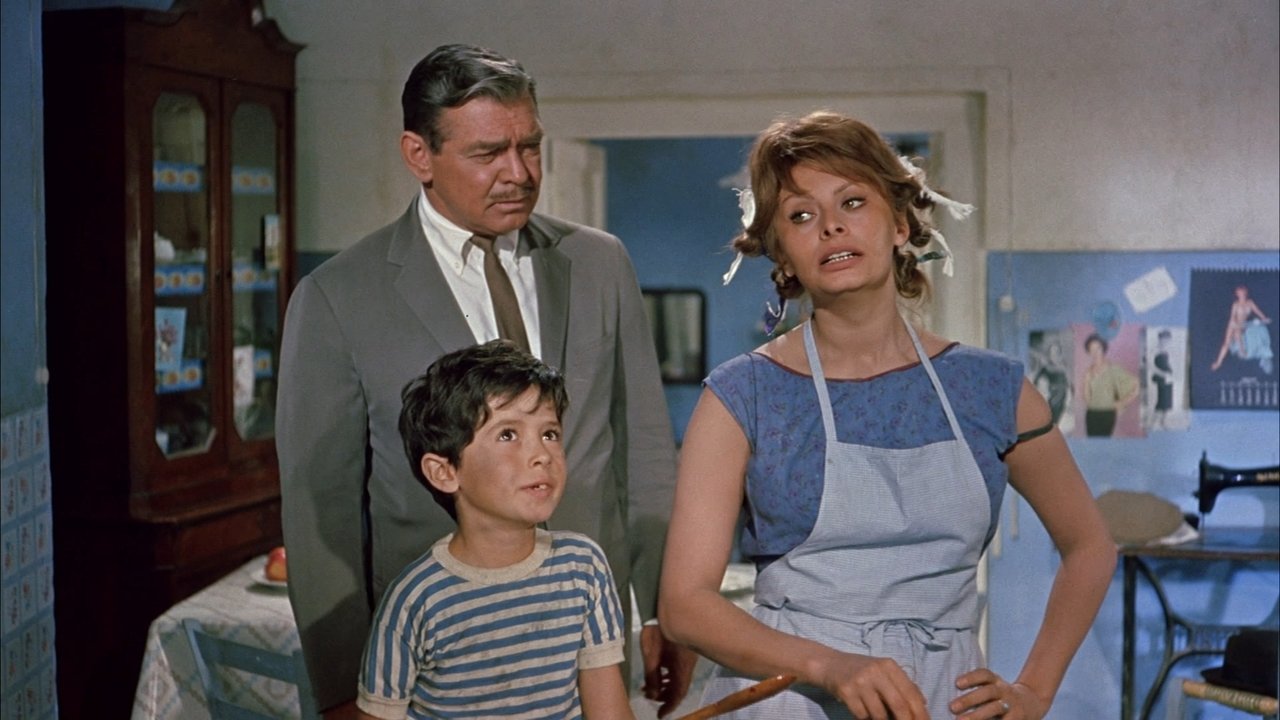
It Started in Naples
1960 · Mario Vitale
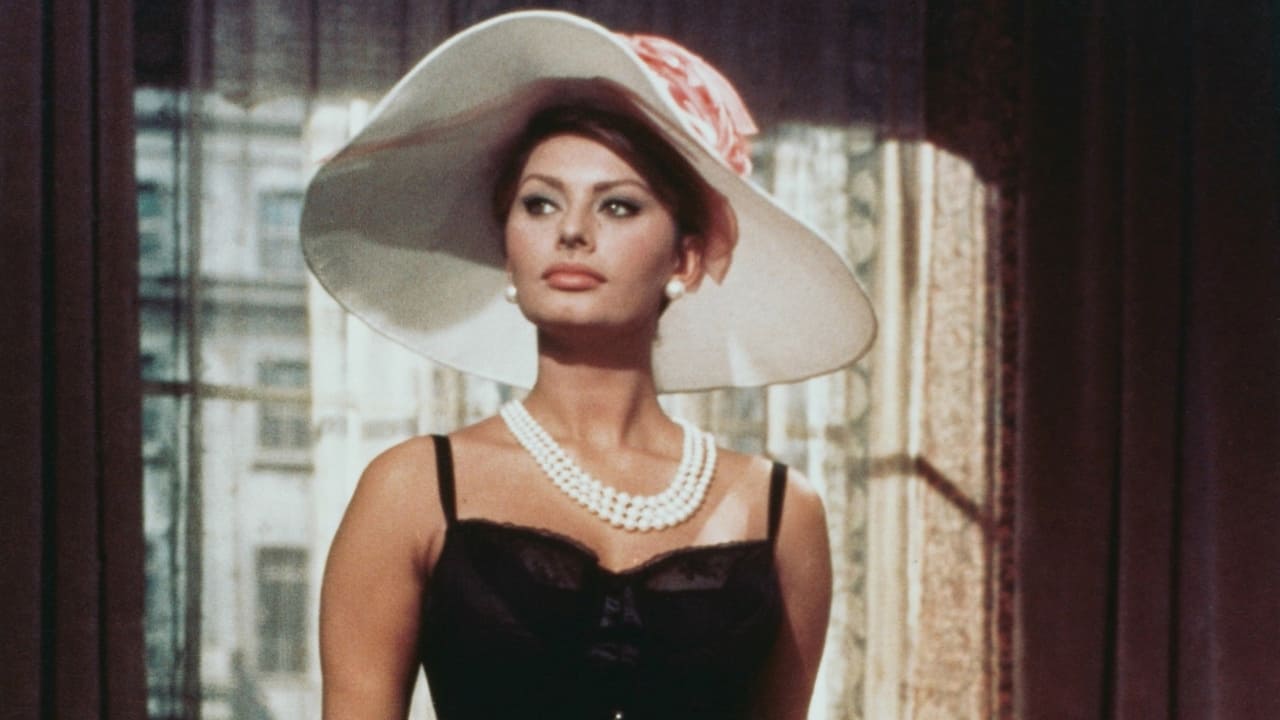
The Millionairess
1960 · Joe
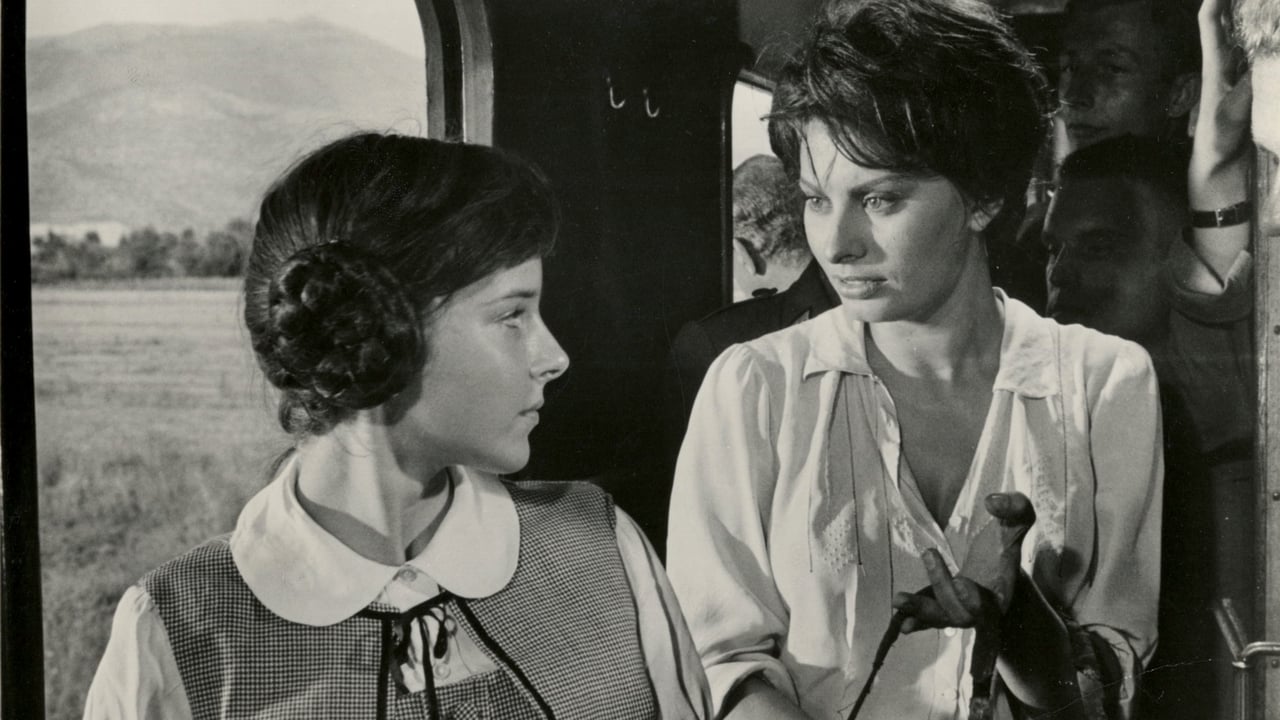
Two Women
1960 · Director
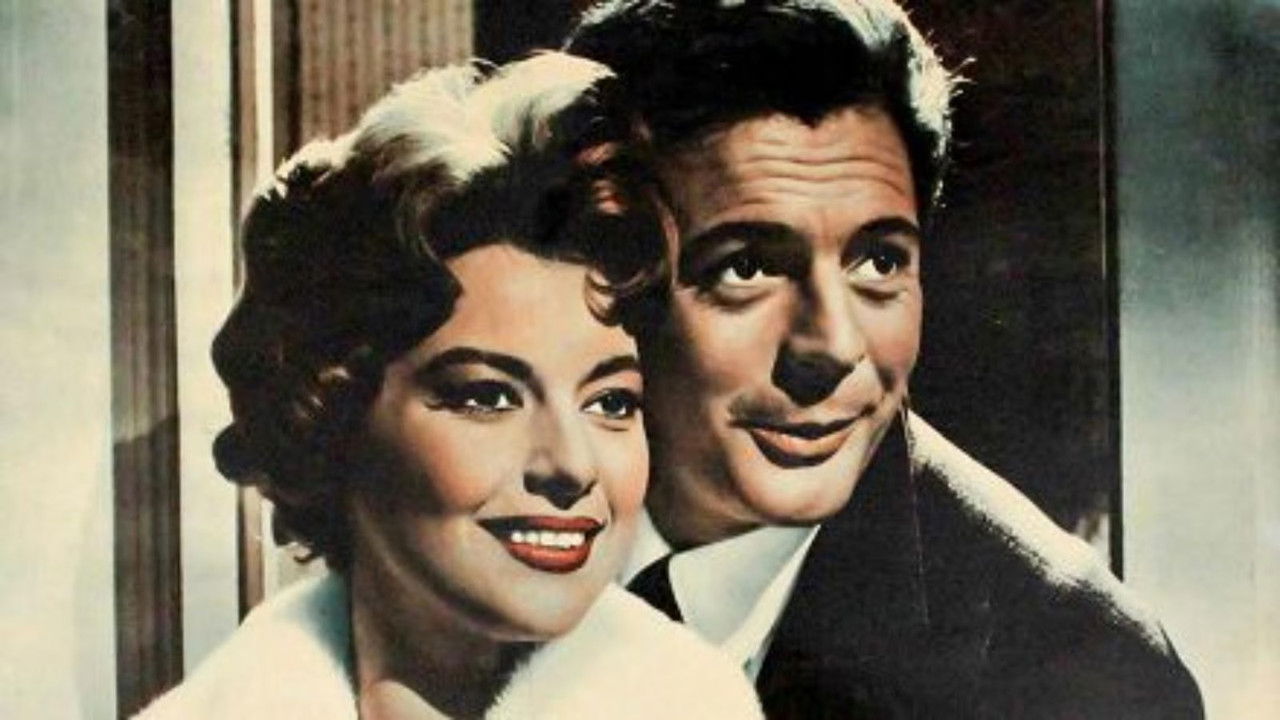
My Wife's Enemy
1959 · professor Ottavio Tornabuoni
Ferdinand I King of Naples
1959 · Cast
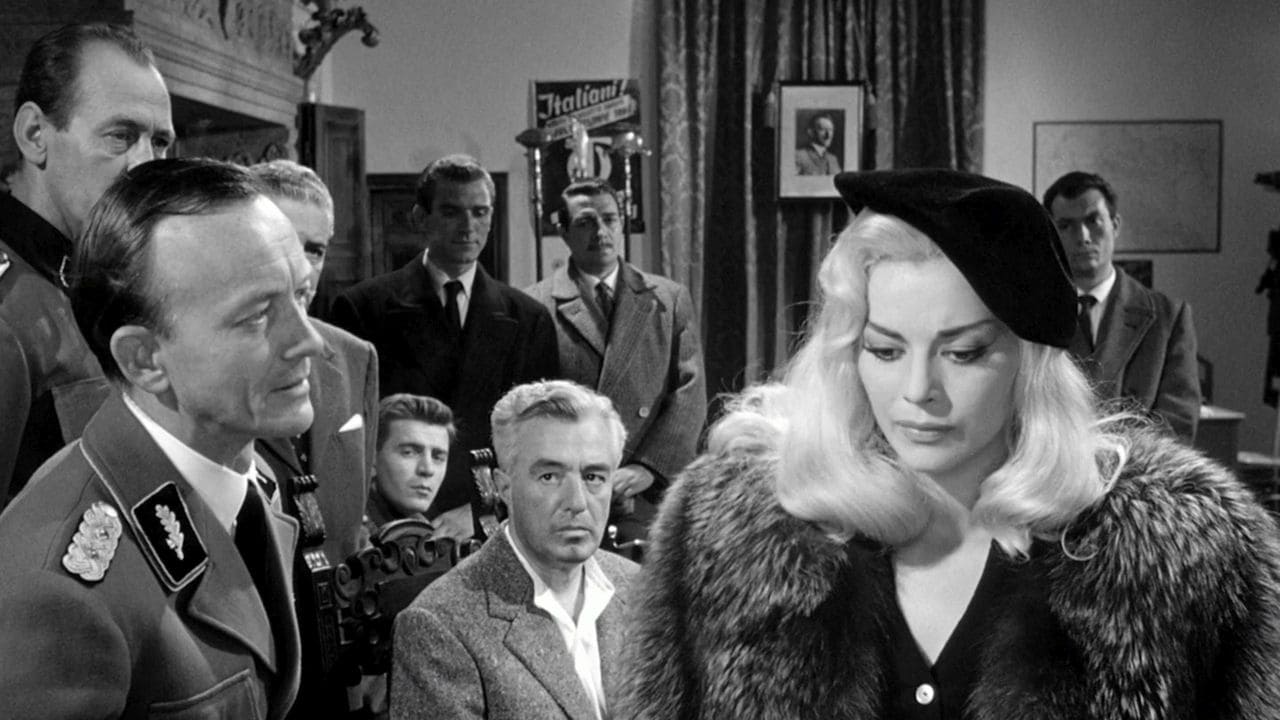
General Della Rovere
1959 · Bardone AKA 'Grimaldi'
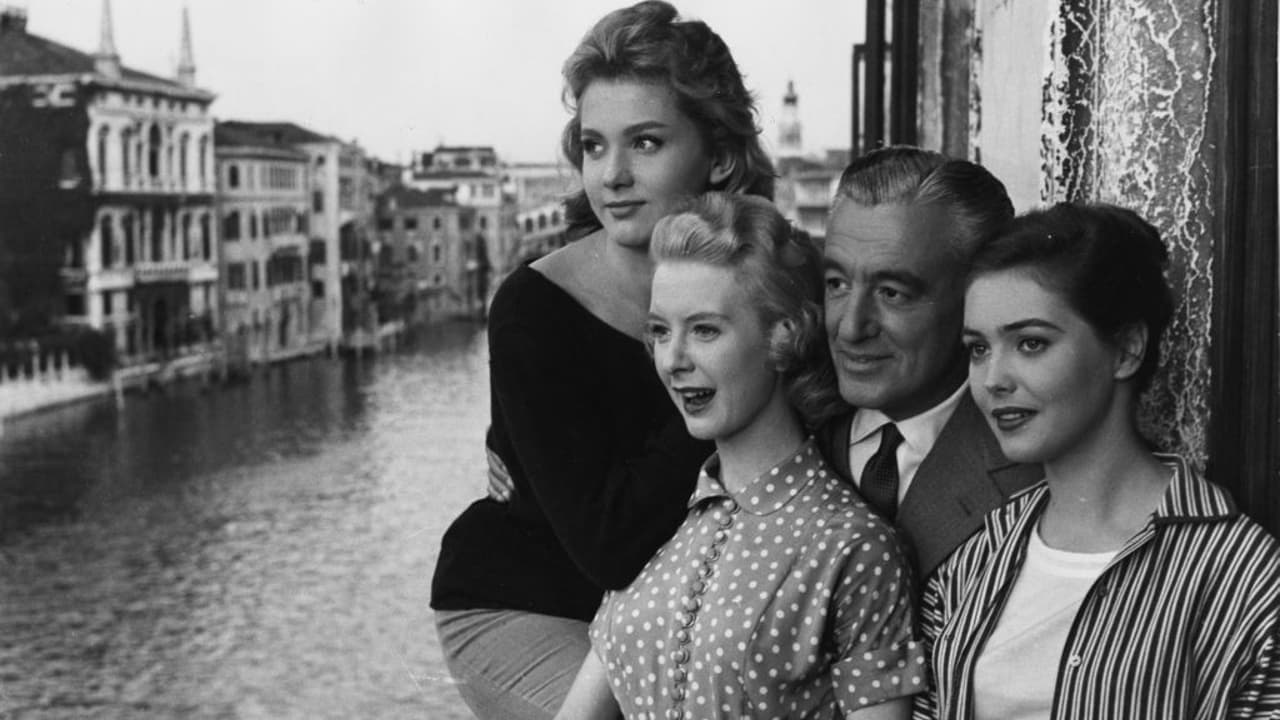
It Happened in Rome
1957 · The Count
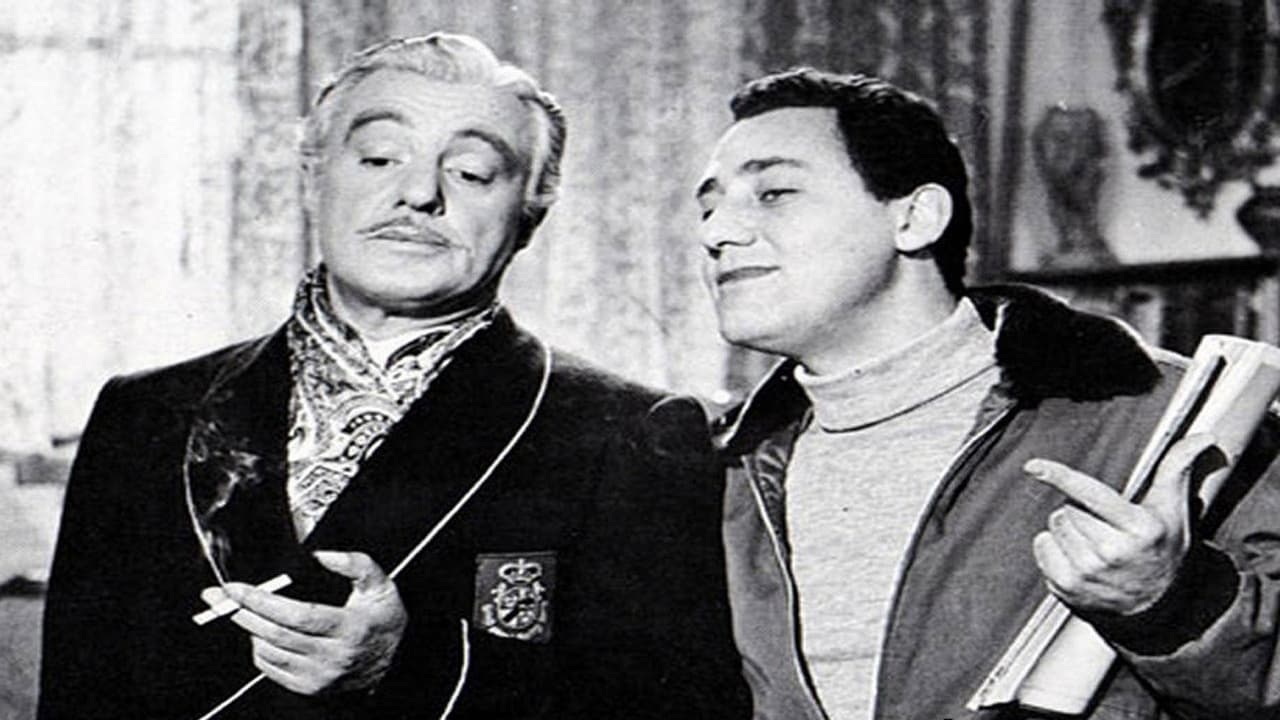
Il conte Max
1957 · Conte Max Orsini Varaldo
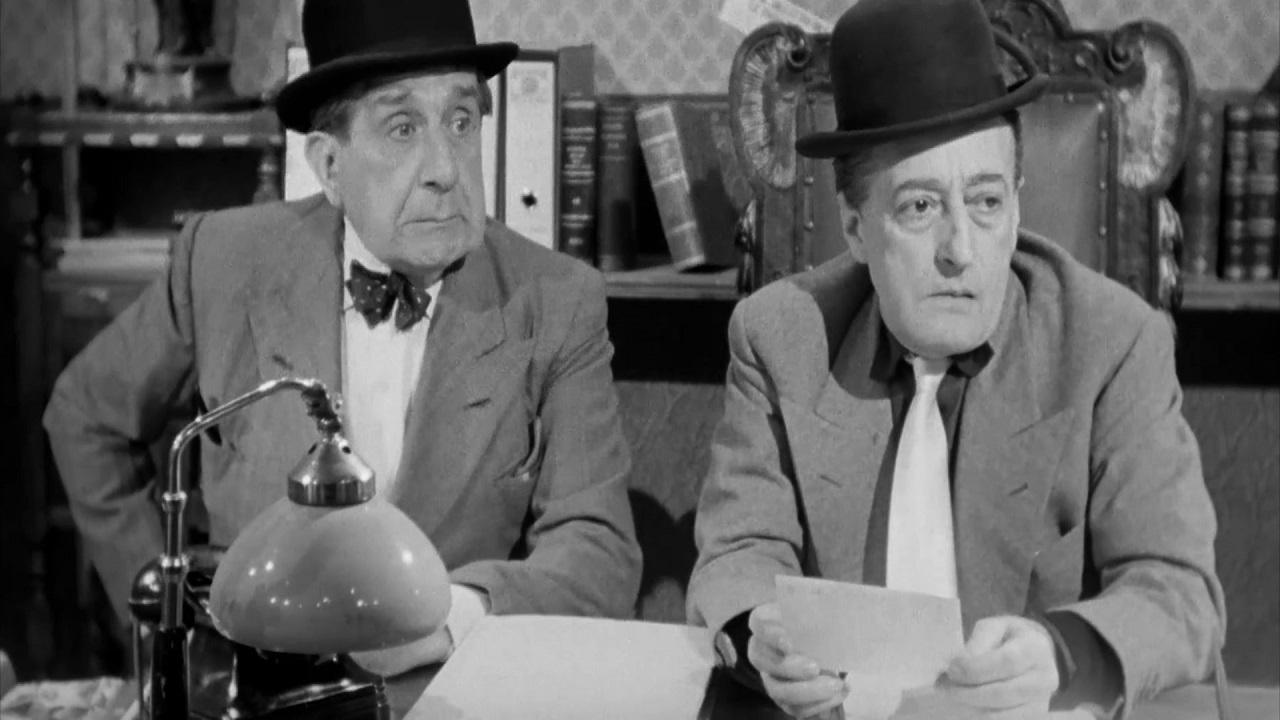
Totò, Vittorio and the Doctor
1957 · Marchese Vittorio De Vittti
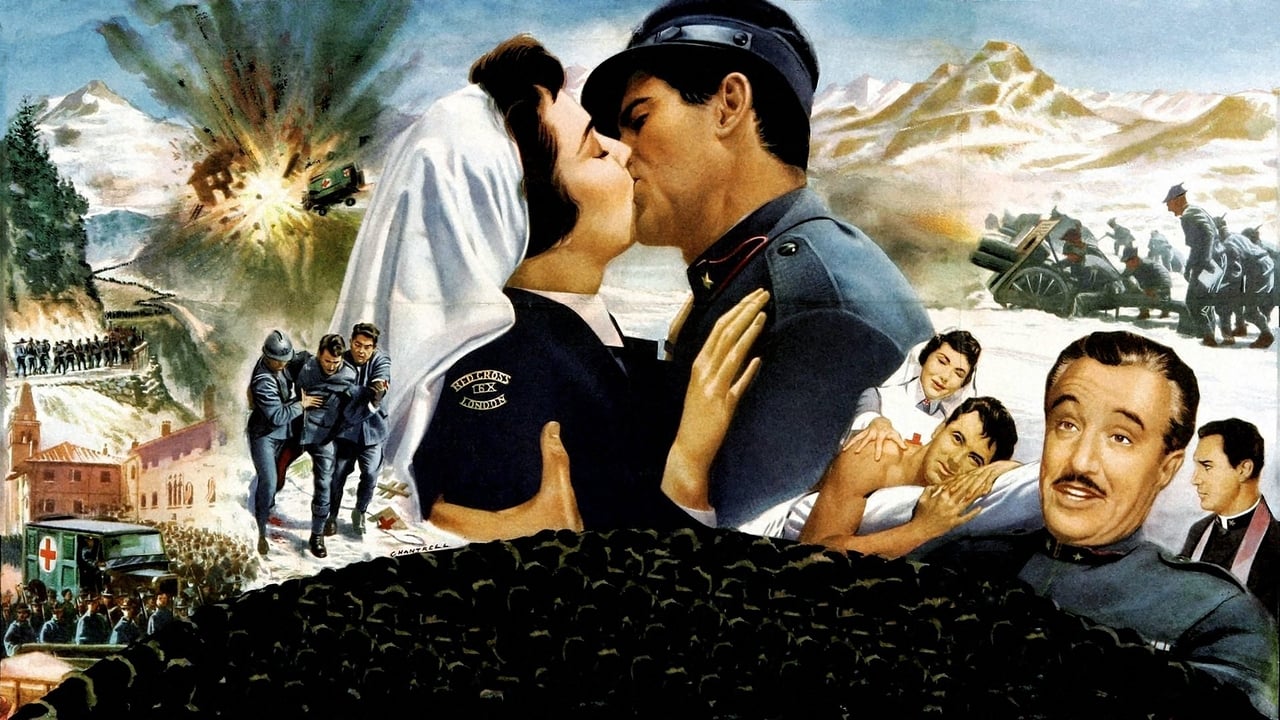
A Farewell to Arms
1957 · Major Rinaldi
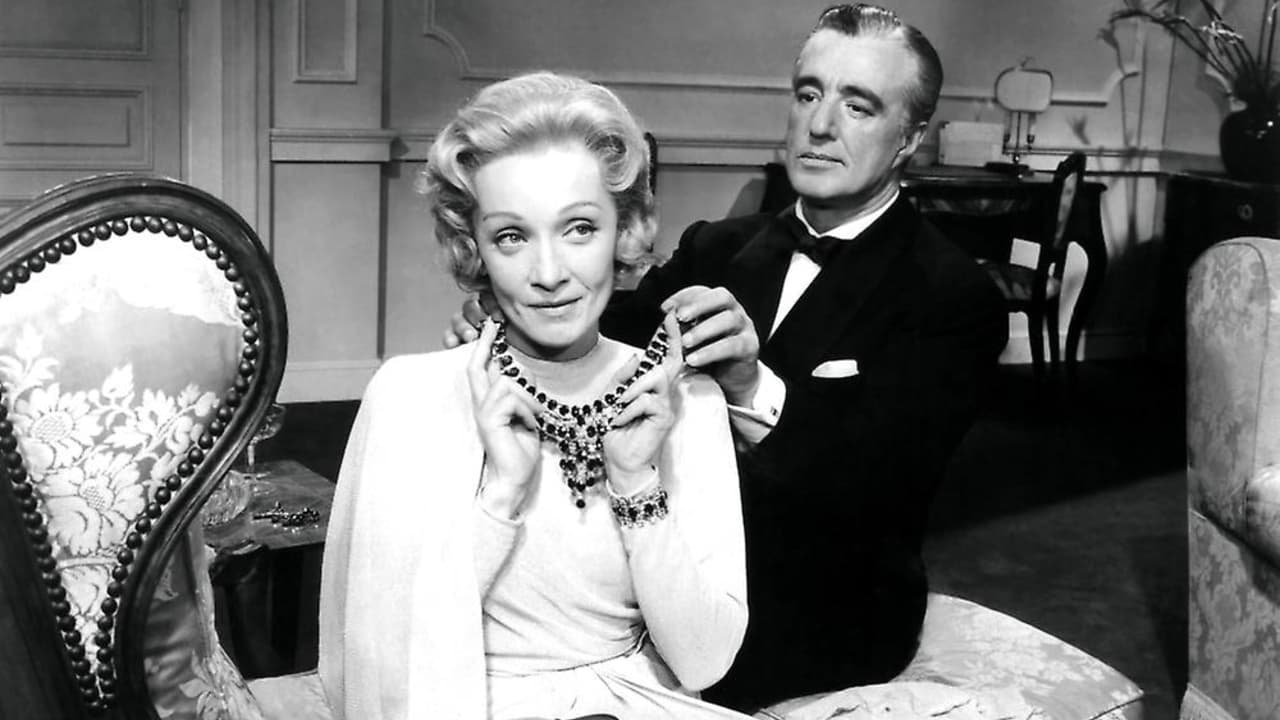
The Monte Carlo Story
1956 · Count Dino della Fiaba

The Roof
1956 · Director, Producer
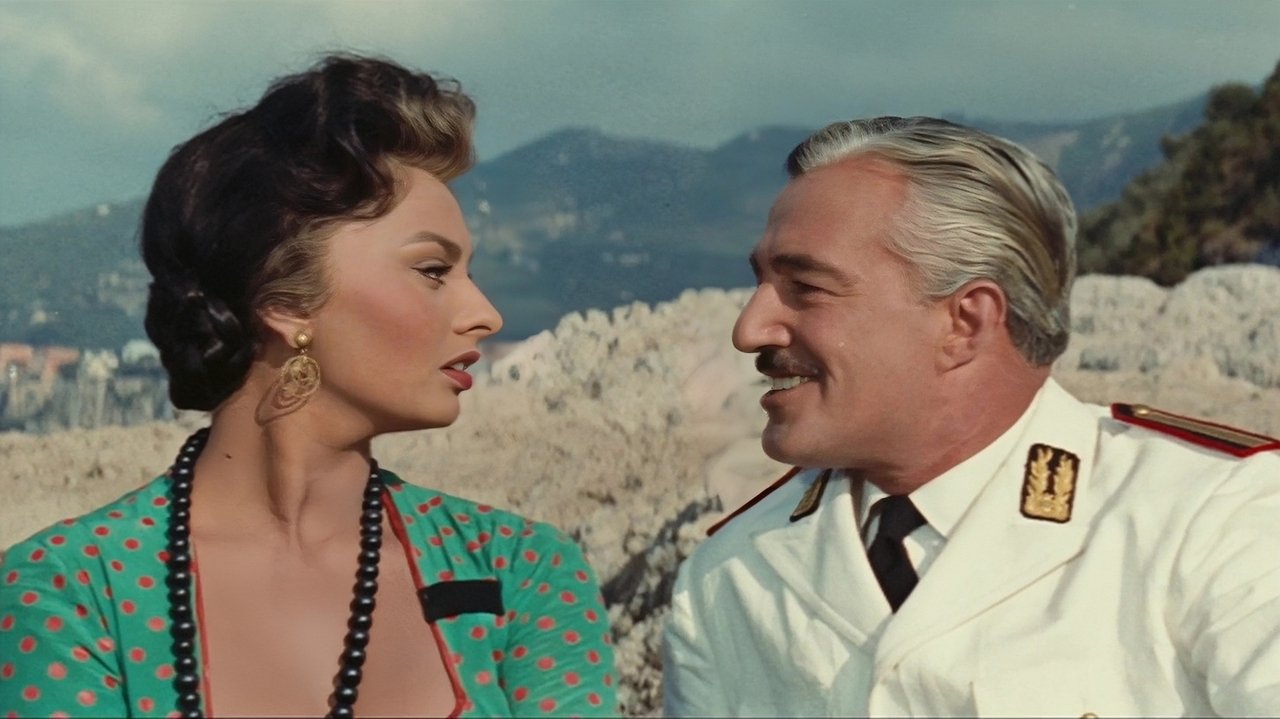
Scandal in Sorrento
1955 · Maresciallo Carotenuto
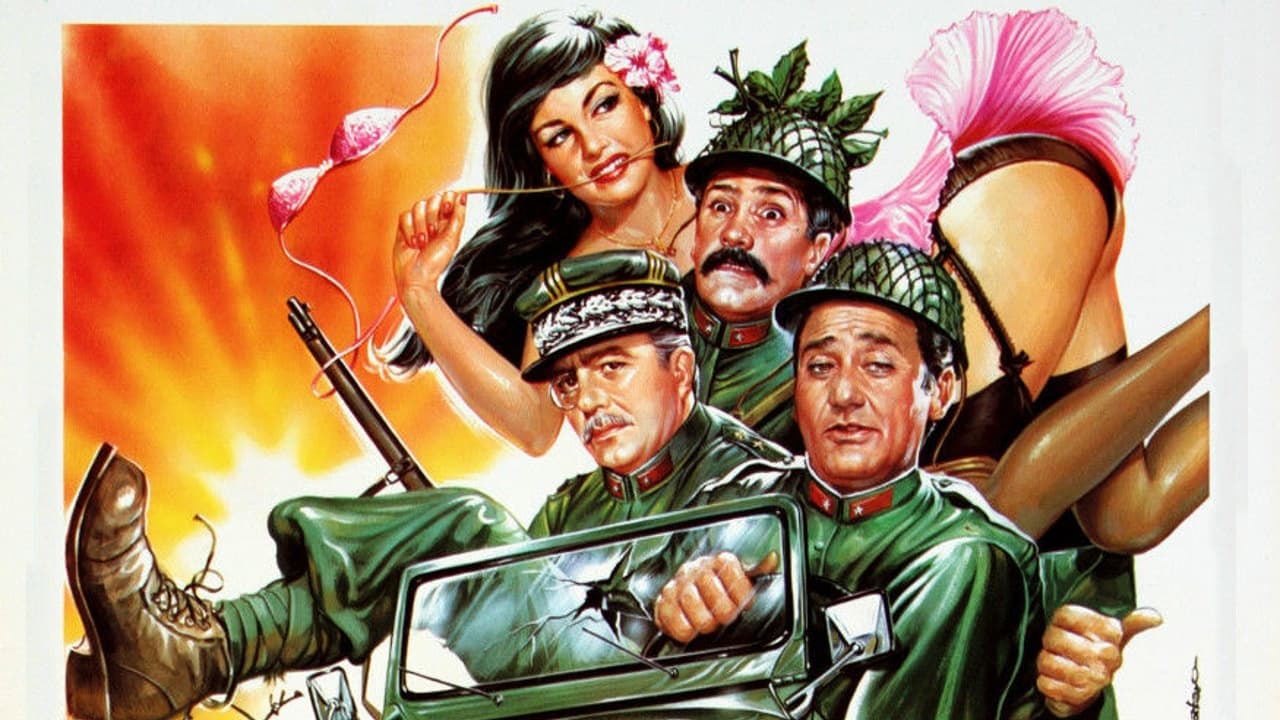
The Cheerful Squadron
1954 · General
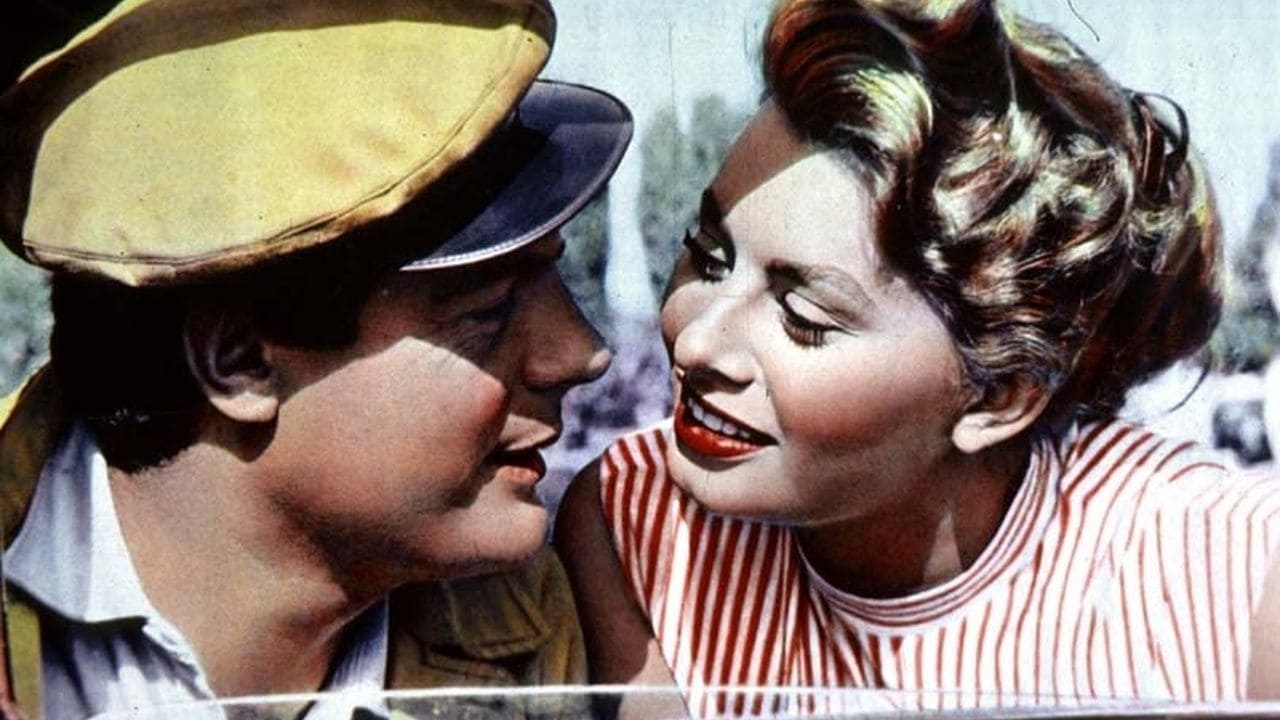
Too Bad She's Bad
1954 · Vittorio Stroppiani
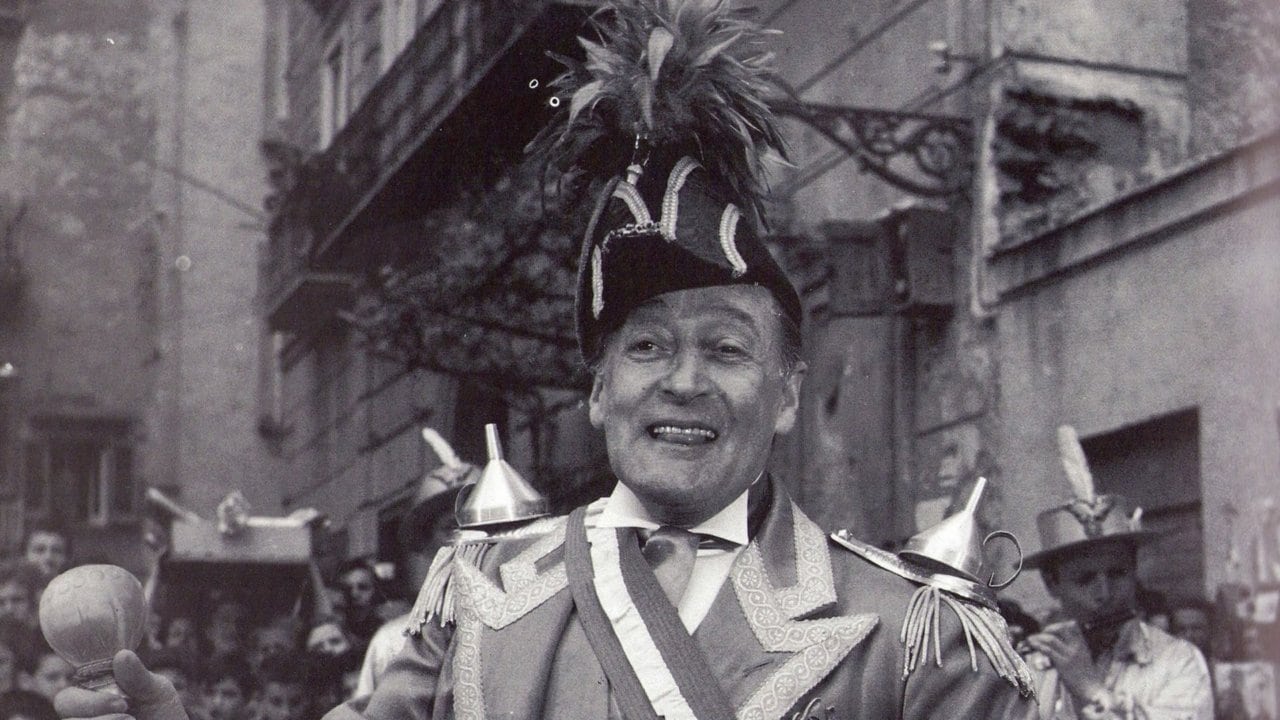
The Gold of Naples
1954 · Director
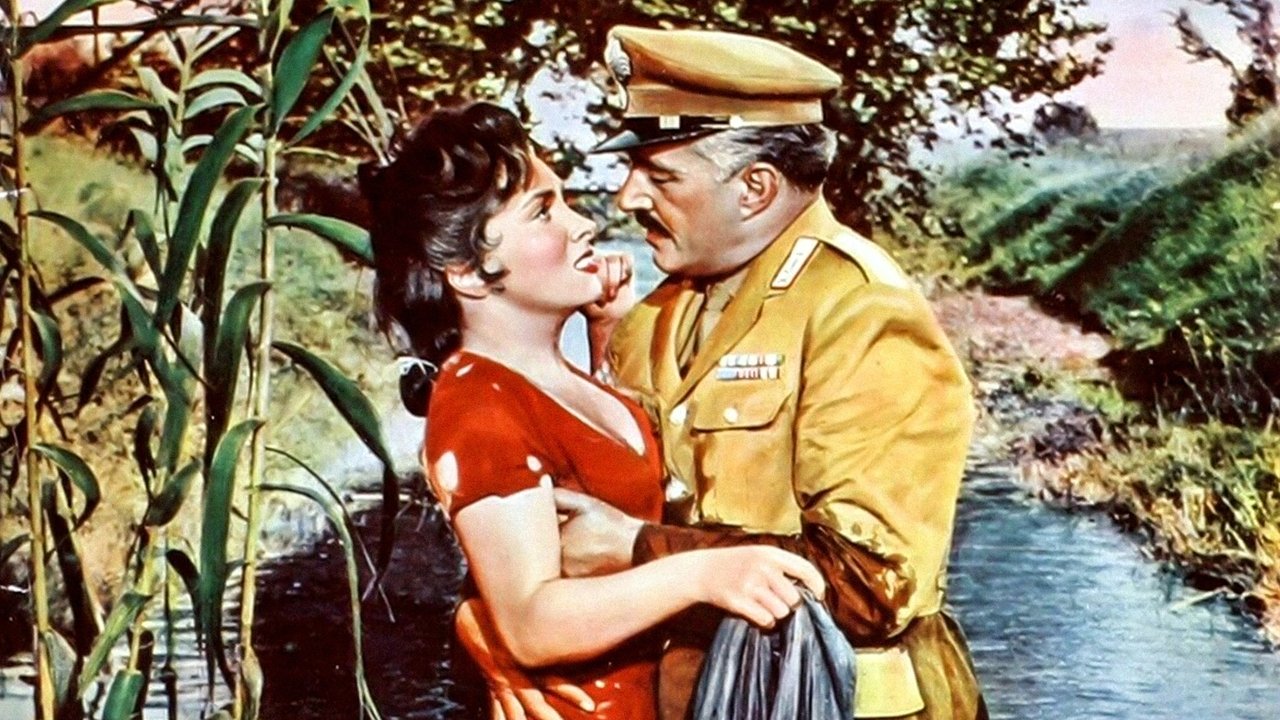
Bread, Love and Dreams
1953 · Maresciallo Carotenuto
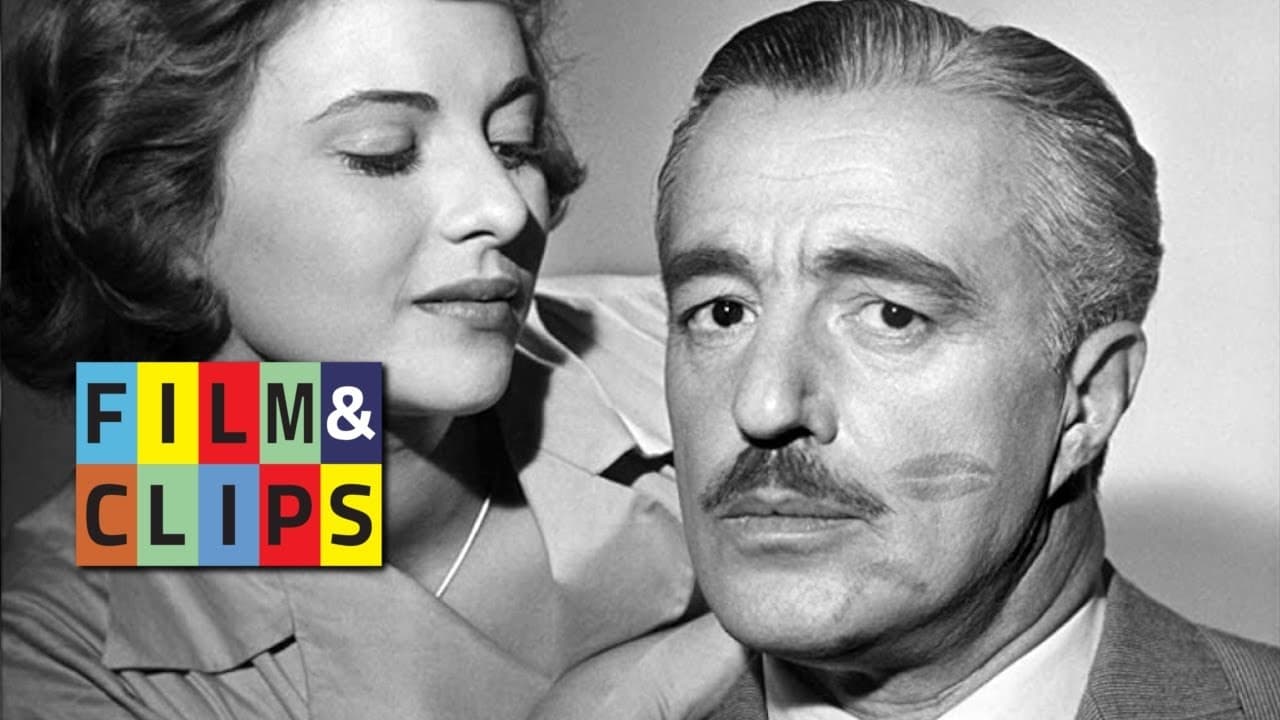
It Happened in the Park
1953 · Arturo Cavazzuti (segment "Incidente a Villa Borghese")
The Earrings of Madame de...
1953 · Cast
Indiscretion of an American Wife
1953 · Director
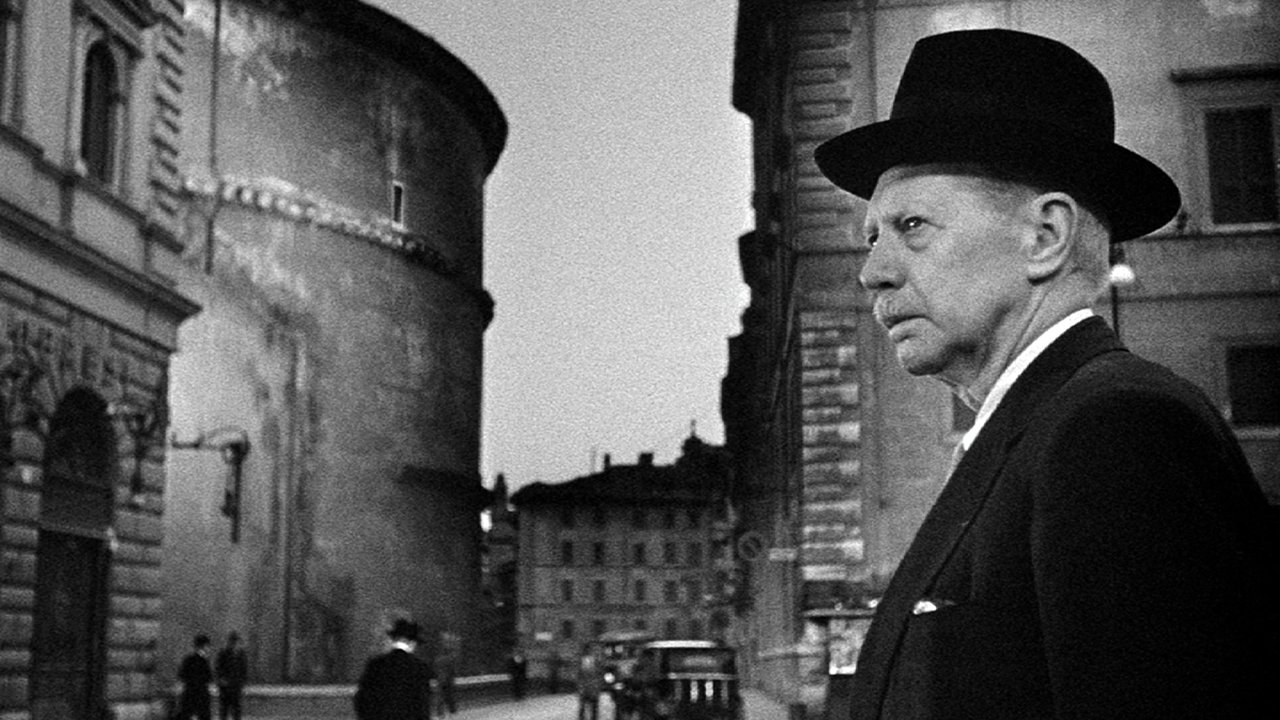
Umberto D.
1952 · Director
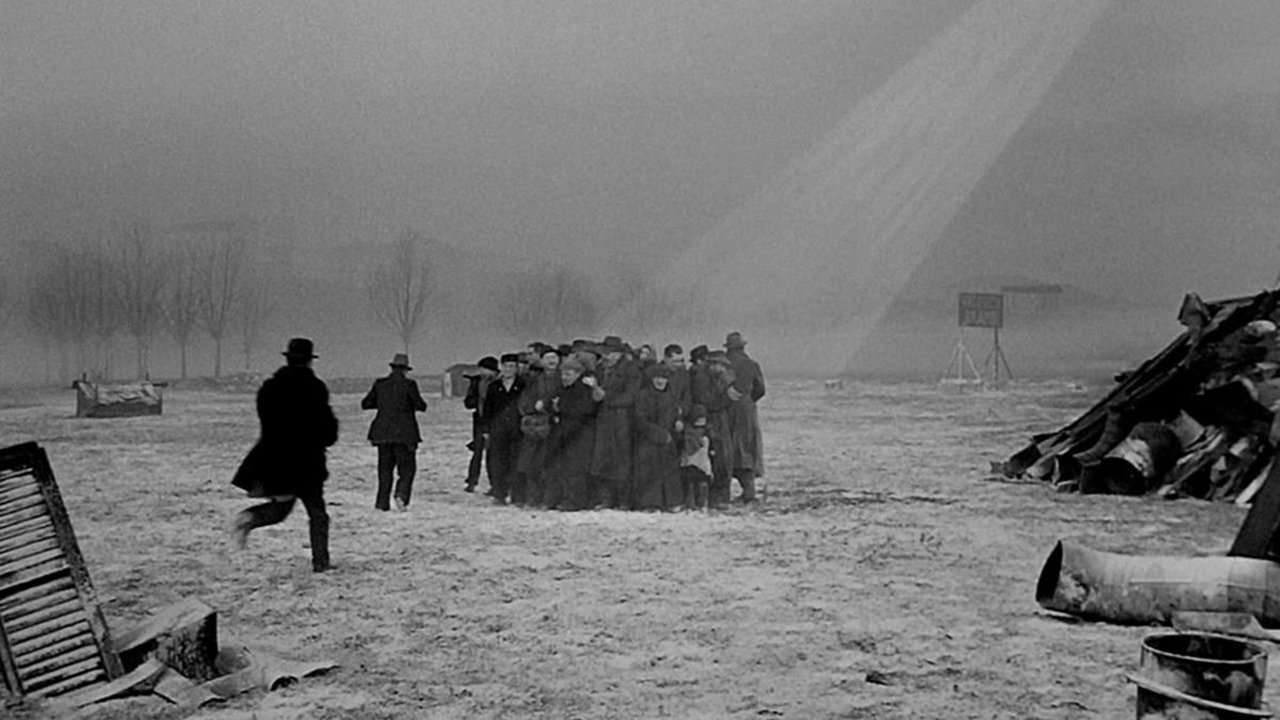
Miracle in Milan
1951 · Director, Producer
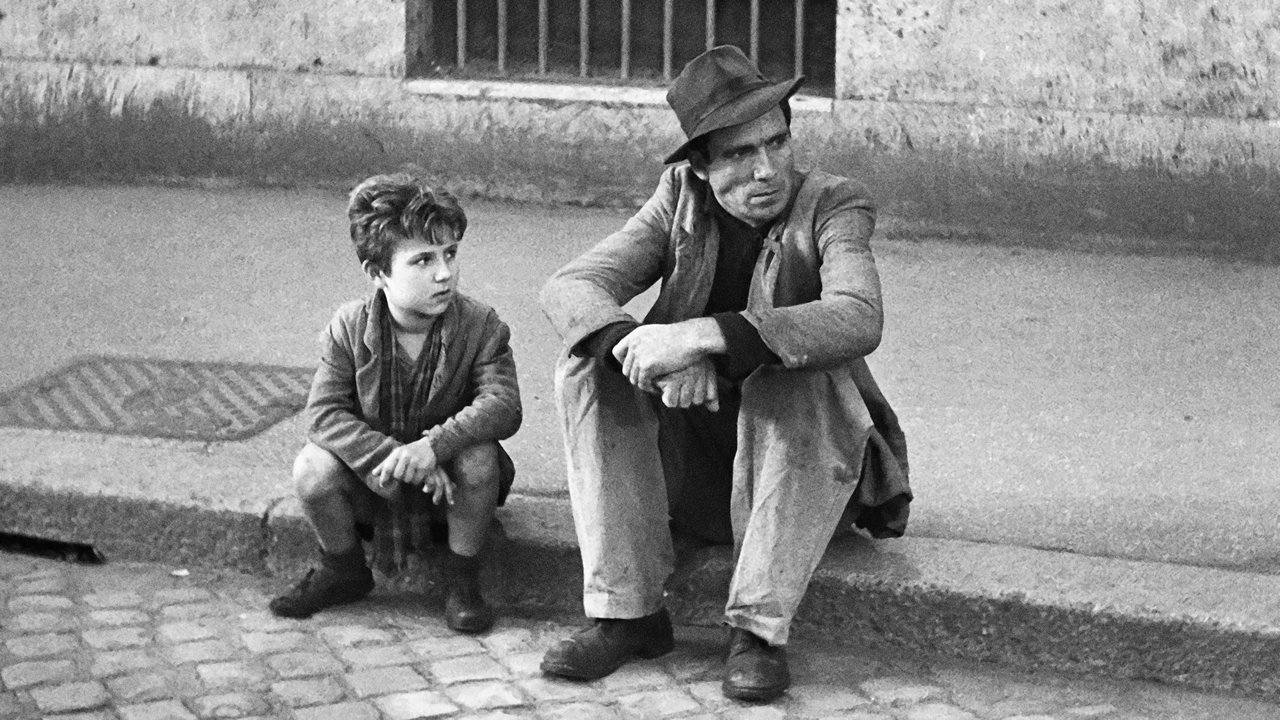
Bicycle Thieves
1948 · Director, Producer
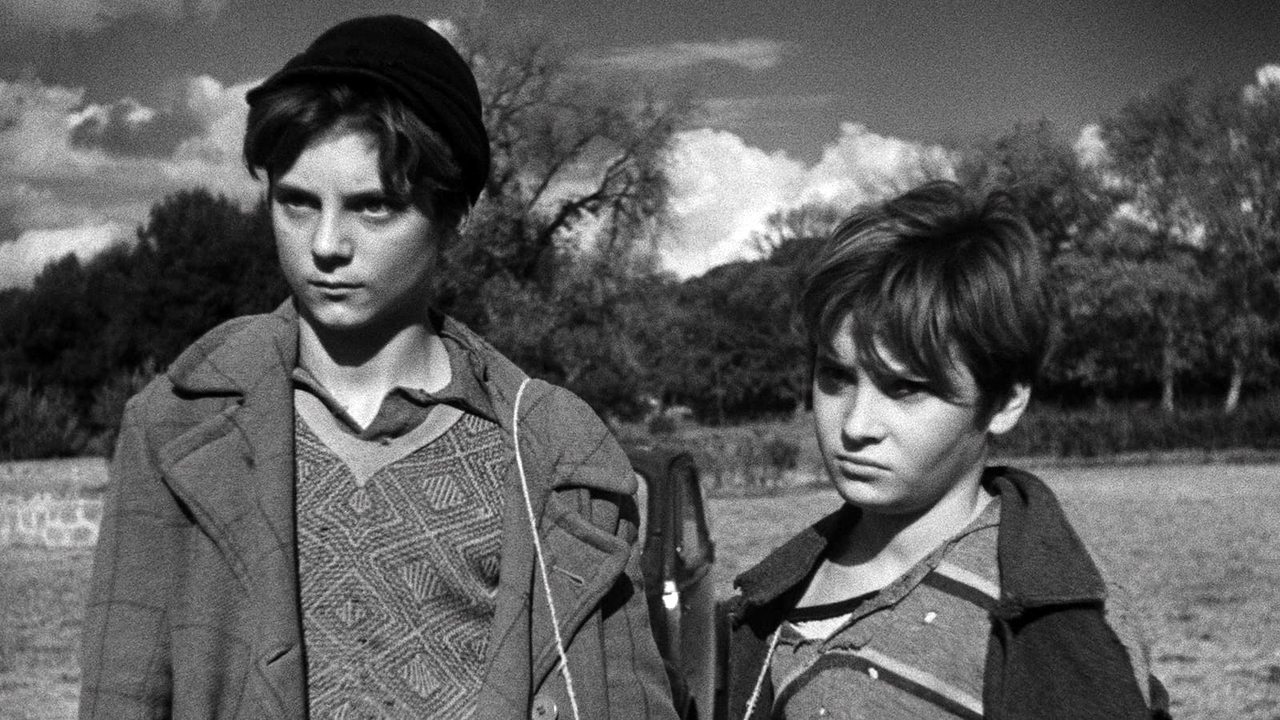
Shoeshine
1946 · Director
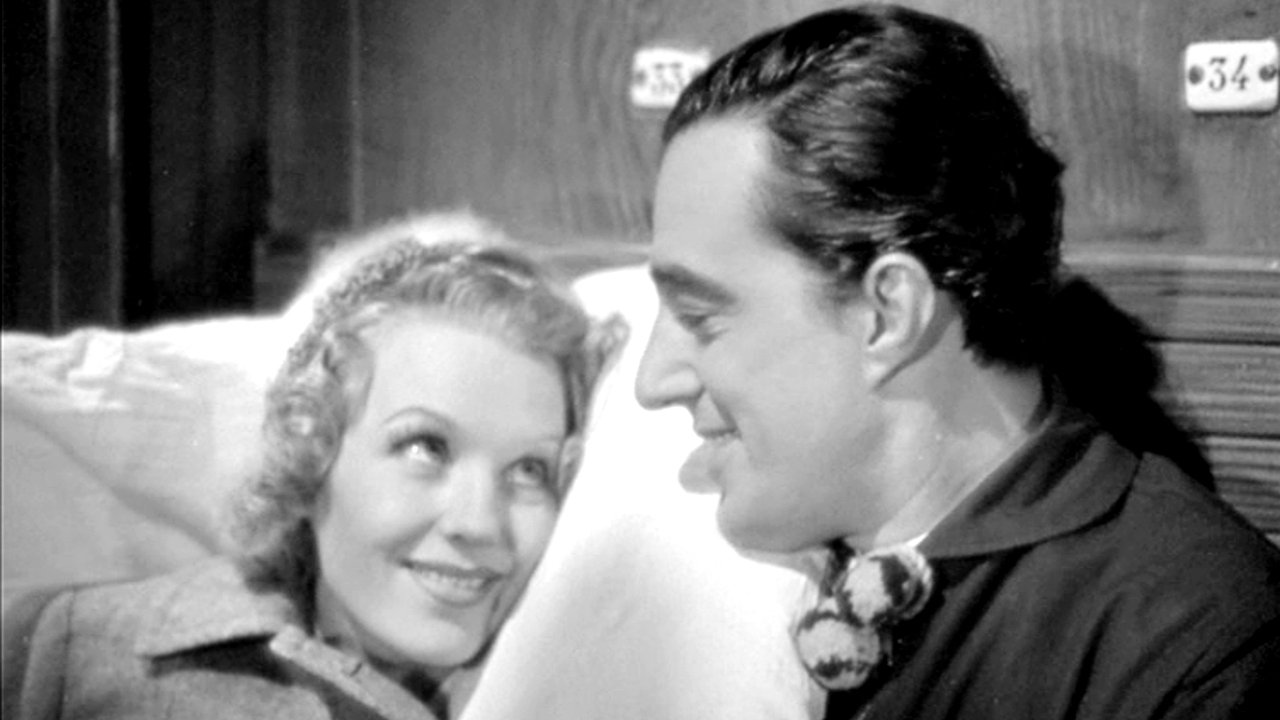
Department Store
1939 · Bruno Zacchi

Mister Max
1937 · Gianni / Max Varaldo
Frequently asked questions
When and where was Vittorio De Sica born?
Vittorio De Sica was born 1901-07-07 in Sora, Frosinone, Lazio, Italy.
What films is Vittorio De Sica known for?
Vittorio De Sica has 49 titles indexed on Movie OTT, including Vittorio D., How We Got the Italian Movie Business Into Trouble: The True Story of Franco and Ciccio, Blood for Dracula.
Where can I watch Vittorio De Sica's films?
5 of Vittorio De Sica's films are currently streaming, available on Amazon Prime Video with Ads, Filmin, fuboTV, MGM Plus.
Has Vittorio De Sica directed any films?
Yes — Vittorio De Sica has 19 directorial credits indexed on Movie OTT.
How long has Vittorio De Sica been active?
Vittorio De Sica's film career on Movie OTT spans from 1937 to 2009 — 72 years of work.