The story of The Mortal Storm
The Mortal Storm opens in Berlin, 1933, at a moment when everything is about to change. Professor Viktor Roth—a respected scientist and intellectual—lives a comfortable, orderly life with his family. His daughter is being courted by two young men who couldn't be more different: one openly opposes the rising Nazi movement and knows he'll have to flee Germany to survive, while the other embraces the regime's ideology and sees opportunity in its rise. When Roth makes the mistake of speaking out against Nazi doctrine, his world collapses. Arrested and imprisoned, he watches from a distance as his family is forced into hiding, their social standing evaporating overnight. What unfolds is a portrait of how ideology doesn't just reshape politics—it rewrites family bonds, erases friendships, and turns neighbors into threats.
Behind the making of The Mortal Storm
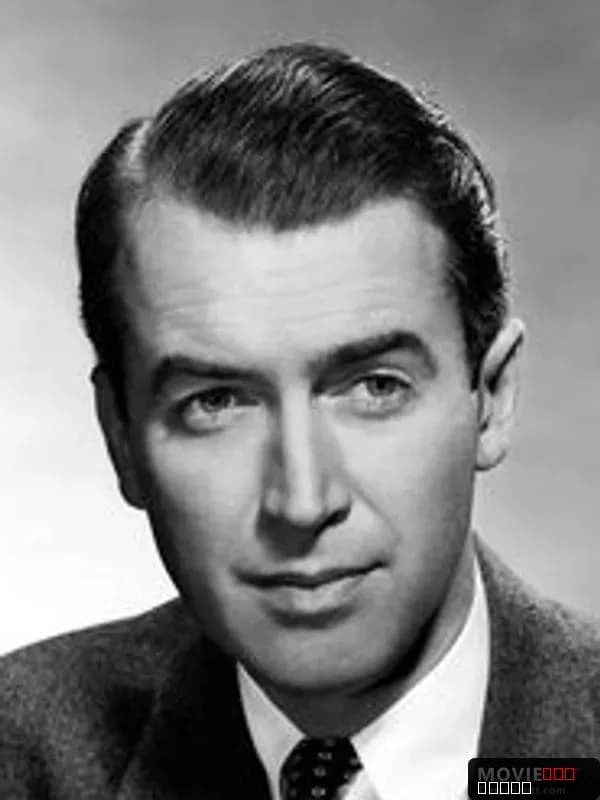
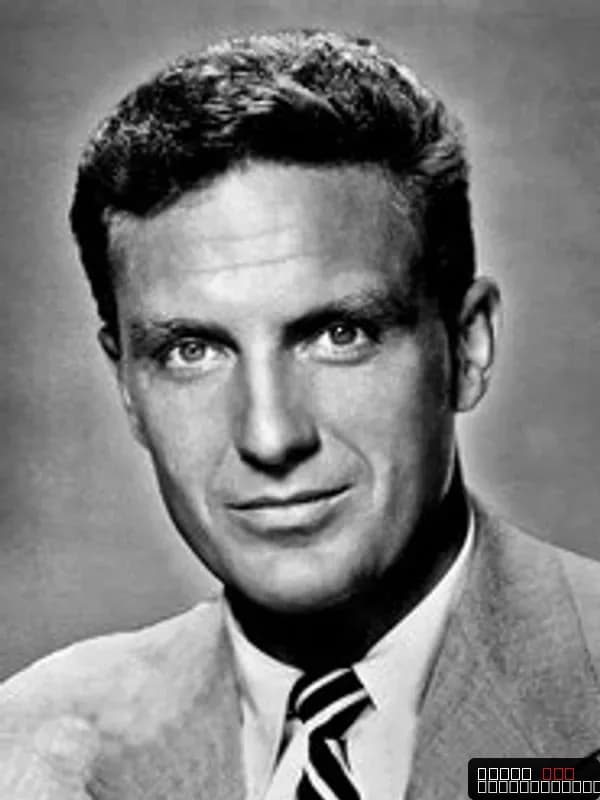
Frank Borzage directed The Mortal Storm for Metro-Goldwyn-Mayer in 1940, a bold choice for a major studio at a time when American isolationism still dominated public sentiment and many in Hollywood were nervous about antagonizing the Nazi regime. The film was made when the war in Europe was already underway but before the United States entered the conflict, which makes its unflinching depiction of Nazi oppression all the more striking. The cast brought serious star power: Margaret Sullavan played the daughter at the film's emotional center, while James Stewart—already a rising leading man—took the role of the anti-Nazi suitor. The supporting ensemble included Robert Young, Robert Stack, Frank Morgan, and Maria Ouspenskaya, all seasoned performers who'd worked extensively in prestige productions. At 100 minutes, the film doesn't rush its storytelling; Borzage lets scenes breathe, allowing viewers to feel the slow suffocation of totalitarianism as it tightens around the Roth family. The picture was distributed during the era before MPAA ratings existed, though it would later be rated PG by modern standards. While box office figures from 1940 are difficult to pin down with precision, the film's willingness to take on such a politically charged subject matter made it notable within the industry—a rare mainstream Hollywood production that didn't shy away from naming the enemy by name.
What makes The Mortal Storm stand out
What's striking about The Mortal Storm, even now, is how it refuses to treat Nazi ideology as some distant abstraction. Instead, Borzage shows it as something that creeps into living rooms, dinner tables, and the hearts of ordinary people—including people you love. The film doesn't present Nazis as cartoon villains; it shows them as neighbors, as ambitious young men, as people the family once knew. That ambiguity is what makes it genuinely unsettling. Sullavan carries much of the film's emotional weight, and her performance captures something that's often missing from war-era dramas: the quiet terror of watching your world dissolve while pretending everything is normal. Stewart, playing opposite her, brings a lean intensity to his role—he's not the folksy everyman he'd become famous for, but rather a man who's already made a choice and now must live with its consequences. The supporting cast, particularly Frank Morgan as a family friend caught between conscience and survival, adds texture to what could have been a simpler moral tale. I keep coming back to a scene late in the film where family members sit in the same room but can no longer speak freely to one another—that's the real horror, not explosions or violence, but the death of trust. Borzage's direction emphasizes close-ups and intimate framing; he's interested in faces, in what people don't say. The cinematography captures pre-war Berlin with a kind of melancholic beauty, which somehow makes the darkness creeping through it even more effective.
Where to stream The Mortal Storm online
If you're looking to watch The Mortal Storm, you can currently stream it on Max. The film's availability does shift across platforms, so if you're planning to watch it, the "Where to Watch" widget at the top of this page will show you the most up-to-date information on where it's streaming right now. Movie OTT tracks these availability windows across all major services, so you can always find exactly where a title is currently available without having to hunt across multiple apps. At 100 minutes, it's a manageable evening watch—substantial enough to feel like real cinema, but not so long that you'll feel like you're committing to a whole weekend.
Frequently asked questions
Q: Who directed The Mortal Storm?
Frank Borzage directed The Mortal Storm in 1940. Borzage was an accomplished director known for his romantic dramas, and this film shows his ability to handle weightier, more politically urgent material with the same emotional precision he brought to his other work.
Q: Is The Mortal Storm based on a true story?
The Mortal Storm is a fictional drama, not based on a specific true story, though it's deeply rooted in the historical reality of Nazi Germany's rise to power and the impact on German society. The film captures the ideological divisions and personal betrayals that were happening across the country during that period.
Q: Where can I watch The Mortal Storm?
The Mortal Storm is currently available to stream on Max. Movie OTT keeps a live directory of where older films like this one are streaming, since availability changes frequently across different platforms.
Q: What year was The Mortal Storm released?
The Mortal Storm was released in 1940 by MGM, making it a relatively early Hollywood film to directly confront Nazi ideology at a time when many American studios were still cautious about such subject matter.
Q: Does The Mortal Storm have a happy ending?
Without spoiling specifics, the film doesn't offer a conventional happy ending. It's a tragedy in the classical sense—it explores what happens when good people are caught in circumstances beyond their control, and it doesn't resolve those tensions with a neat bow. That's part of why it still feels relevant.
Final thoughts on The Mortal Storm
The Mortal Storm deserves to be rediscovered by viewers who think 1940s cinema is all escapism and melodrama. It's a film that understands how ideology fractures families, how fear silences dissent, and how quickly the world can change when people aren't paying attention. Borzage made something urgent and human—not a lecture, but a lived experience. If you're interested in how Hollywood grappled with fascism before America entered the war, or if you simply want to see what Margaret Sullavan and James Stewart were capable of in dramatic roles, this one's worth your time. It's available now, and honestly, it's the kind of film that reminds you why older movies still matter.