
The story of To Be or Not to Be
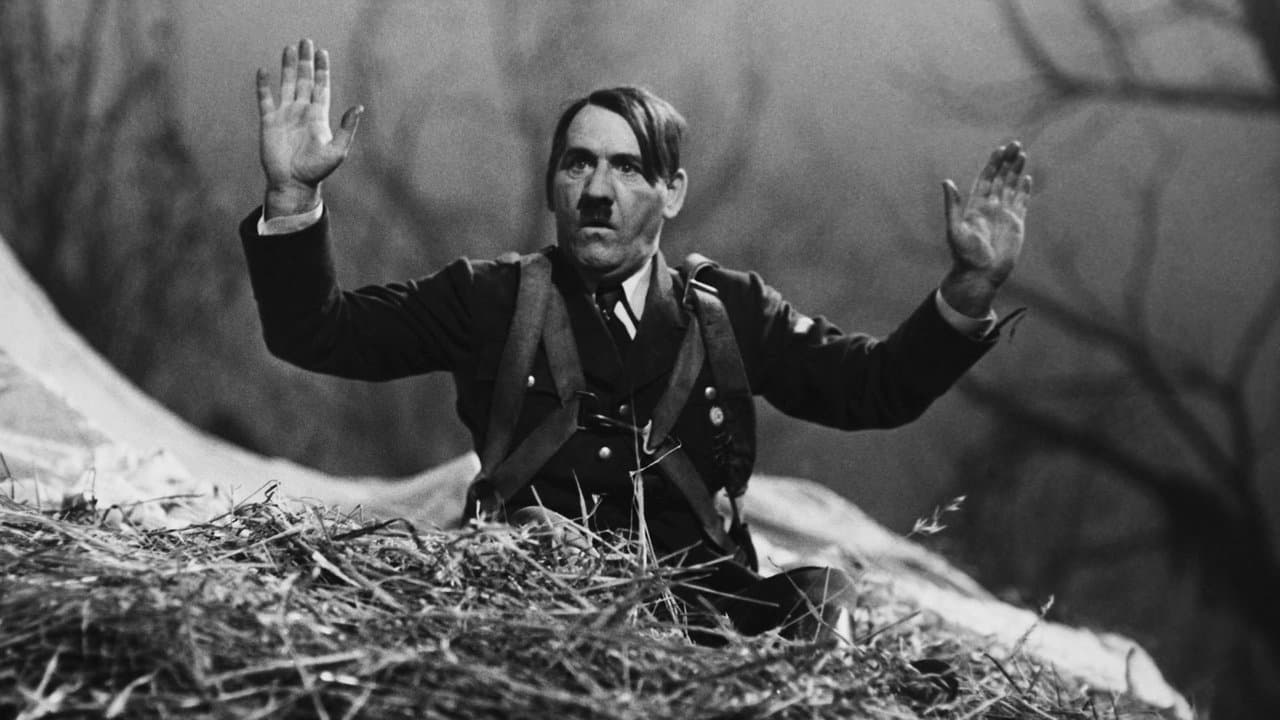
Warsaw, 1942. A troupe of theater actors isn't just performing Hamlet anymore—they're living a far more dangerous drama. When a Polish RAF officer arrives with intelligence about a German spy, the company finds itself thrust into the machinery of occupation, forced to rely on the one thing they know best: performance. The plot concerns a group of performers who must navigate the razor's edge between comedy and catastrophe, using disguise, quick thinking, and sheer audacity to stay alive and protect their country. What unfolds is a story about survival wrapped in the language of farce, where a costume change can mean the difference between freedom and the firing squad.
Behind the making of To Be or Not to Be
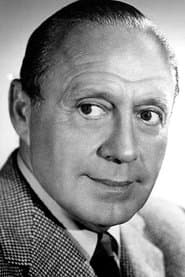
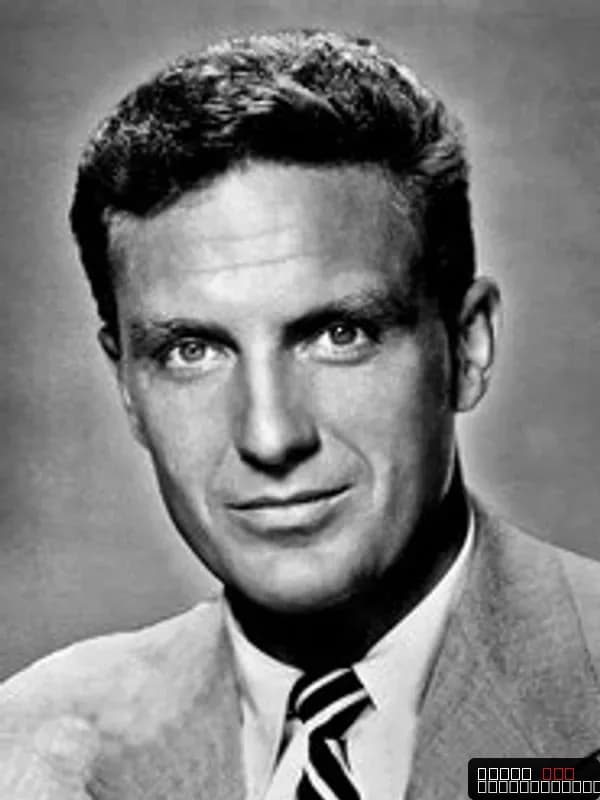
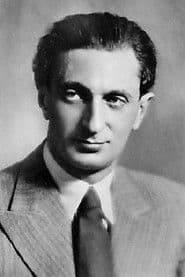
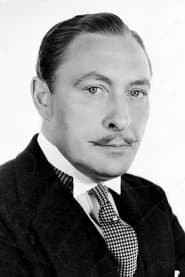
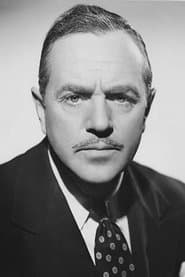
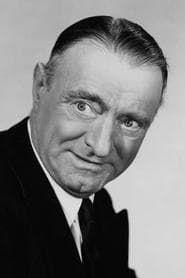
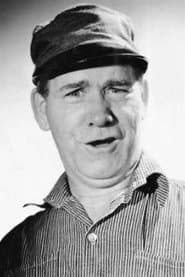
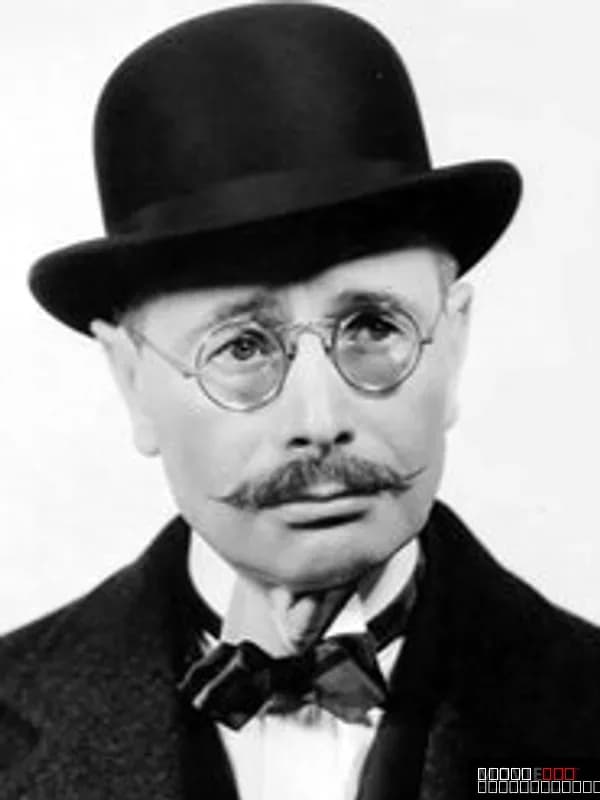
Ernst Lubitsch directed this film with the kind of confidence that only comes from a lifetime in cinema—he'd already mastered comedy, romance, and social satire across two decades. The production itself carries a weight that transcends the screen: Carole Lombard, who plays Maria, was killed in an airplane crash just one month before the film's release. That tragic fact hangs over the picture, lending an eerie poignancy to her scenes that no actor could have manufactured. The cast included Jack Benny as her husband Joseph, alongside Robert Stack, Felix Bressart, and Lionel Atwill, each bringing their own comic timing to roles that required them to be both funny and genuinely menacing. Lubitsch adapted the screenplay (uncredited) with Edwin Justus Mayer, drawing from Melchiol Lengyel's original story. The film was produced by Romaine Film Corporation and released during a time when making comedy about Nazis was considered by many to be in profoundly poor taste. Yet Lubitsch understood something fundamental: sometimes the most dangerous weapon against tyranny is laughter. The picture ran 99 minutes and earned a 7.807 rating on IMDb, though critical reception at the time was decidedly mixed—some called it brilliant, others called it obscene. By 1996, the Library of Congress had seen fit to select it for preservation in the National Film Registry, recognizing it as culturally, historically, and aesthetically significant.
What makes To Be or Not to Be stand out
Here's the thing that still gets me about this film: it doesn't flinch. It's a comedy, yes—genuinely funny in ways that feel earned rather than cheap—but it never lets you forget that people are dying. Benny's Joseph is vain, worried about his reviews, obsessed with his standing as an actor, and yet when the moment comes, he's willing to risk everything. That contradiction—the human need for recognition colliding with the human need to survive—that's where the real power lives. The performances anchor the whole enterprise. Benny's comedic instincts are impeccable; he plays a man who's simultaneously ridiculous and heroic, and he doesn't try to soften the paradox. Lombard brings a warmth and intelligence to Maria that makes her more than just a leading lady—she's a partner, a schemer, someone who understands the game as well as her husband does. What's striking is how the film trusts its audience to hold two things at once: to laugh at these characters while respecting their bravery. The tonal balance could've collapsed at any moment, but Lubitsch's direction keeps it aloft. He was a master of the "Lubitsch Touch"—that ability to suggest rather than show, to let a glance or a pause carry more weight than exposition. You see it in every frame here. The satire cuts both ways: at the absurdity of the Nazis, yes, but also at the vanity and self-absorption of artists, at the way people convince themselves that their petty concerns matter when the world is on fire.
How to stream To Be or Not to Be online
To Be or Not to Be is currently available on major OTT services, and you can check the Where to Watch widget at the top of this page to see exactly which platforms are carrying it right now. The film's accessibility has grown considerably over the decades—it's no longer locked away in archives or specialty screenings, but rather available to anyone with a subscription. Movie OTT tracks current streaming availability across platforms, so you'll know exactly where to find it and whether you need to rent, buy, or if it's included with your existing subscriptions. Given the film's 99-minute runtime, it's a manageable watch even on a weeknight, though you'll want your full attention. The restoration quality varies by platform, so if you're particular about picture and sound, check reviews before committing to one service over another.
Frequently asked questions
Q: Who directed To Be or Not to Be?
Ernst Lubitsch directed the film, adapting the screenplay (uncredited) alongside Edwin Justus Mayer from Melchiol Lengyel's original story. Lubitsch was already a legendary figure in Hollywood, known for his sophisticated comedies and his signature directorial style.
Q: Is To Be or Not to Be based on a true story?
No, it's a fictional story created by Melchiol Lengyel, though it's set against the real backdrop of Nazi occupation in Poland. The characters and their specific plot are invented, but the historical context is authentic.
Q: What's the runtime of To Be or Not to Be?
The film runs 99 minutes, making it a brisk wartime comedy that doesn't overstay its welcome despite the weightiness of its subject matter.
Q: Why was To Be or Not to Be controversial when it was released?
Many critics and audiences in 1942 felt that making comedy about Nazi occupation was inappropriate and disrespectful. The film was seen by some as trivializing a genuine human tragedy. However, Lubitsch's vision—that laughter could be a form of resistance—has been vindicated by time and critical reassessment.
Q: When was To Be or Not to Be added to the National Film Registry?
In 1996, the Library of Congress selected it for preservation in the United States National Film Registry, recognizing its cultural, historical, and aesthetic significance—a vindication of Lubitsch's bold artistic choice.
Final thoughts on To Be or Not to Be
To Be or Not to Be remains a film that refuses easy categorization. It's funny without being flippant, serious without being heavy-handed, and it trusts both its audience and its performers to navigate the impossible tonal terrain between comedy and tragedy. Carole Lombard's presence—knowing what we know about her death—adds an unintended melancholy that actually deepens the film's meditation on mortality and meaning. If you're looking for a wartime drama, you'll find one here. If you're looking for a comedy, that's here too. What you won't find is a film that talks down to you or pretends that art and laughter don't matter in dark times. They do. They always do.