
The story of The Music Never Stopped
The Music Never Stopped opens on a premise both devastating and oddly hopeful: a young man named Gabriel wakes from a coma induced by a brain tumor, only to find his memory fractured and his relationship with his father Henry strained beyond recognition. What unfolds isn't a medical thriller or a tearjerker—it's something quieter and more human. Henry, a conservative, music-resistant engineer, discovers that the songs of the 1960s—the very era Gabriel was obsessed with before his collapse—might be the only language left between them. It's a film about how we connect when words fail, and how sometimes the person who understands you least might be the one who saves you.
The narrative doesn't rely on cheap emotional manipulation. Instead, it builds slowly, moment by moment, as Henry learns to sit with his son and listen to music he's spent decades dismissing. There's no magical cure, no montage of instant healing. Just two people trying to bridge a chasm that's been widening for years.
Behind the making of The Music Never Stopped
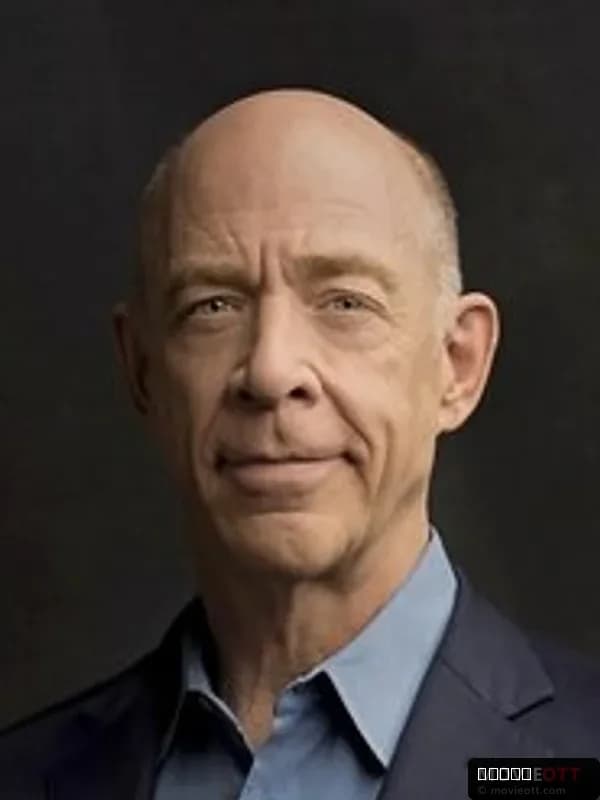
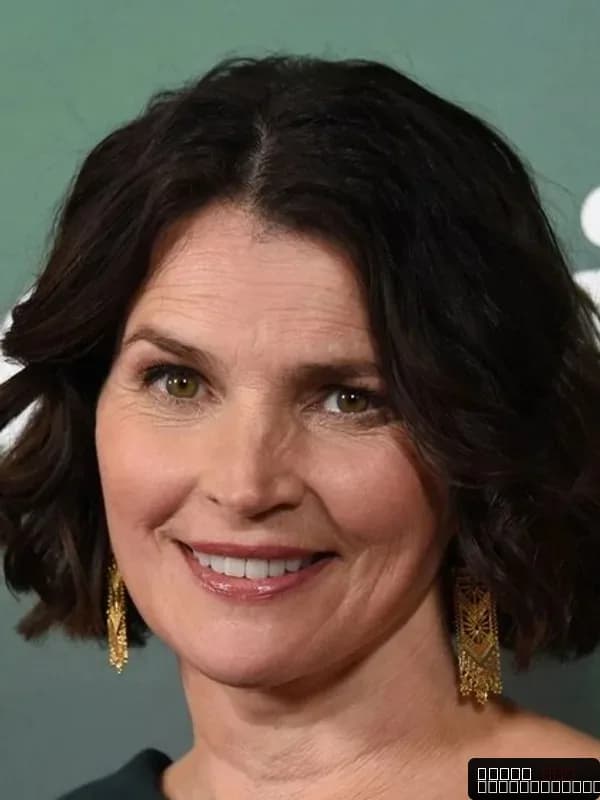
Director Jim Kohlberg brought this story to life with a cast anchored by J.K. Simmons as Henry and Lou Taylor Pucci as Gabriel. Simmons, already known for his ability to find humanity in difficult men—think his work in Whiplash years later—brings a quiet gravity to a father who's spent so long being right that he's forgotten how to be present. Pucci, less a household name but equally committed, carries the burden of playing a young man caught between two selves: the person he was before the tumor, and the person he's becoming. Julia Ormond, Cara Seymour, Mía Maestro, and Tammy Blanchard round out the ensemble as family members circling around this central struggle.
The film was released in 2011 to modest box office returns, which isn't surprising given its intimate scale and lack of franchise appeal. What matters more is that it found its audience among viewers hungry for character-driven drama. The 100-minute runtime never feels bloated; Kohlberg understands that sometimes the most powerful moments are the smallest ones—a hand held, a song recognized, a father finally listening.
The soundtrack is essential to the film's DNA. The Grateful Dead, Bob Dylan, Crosby Stills & Nash, and other architects of the 1960s counterculture aren't background noise here. They're characters themselves, carrying emotional weight that dialogue can't quite reach. Each song placement feels earned, not inserted for nostalgia points.
What makes The Music Never Stopped stand out
Honestly, what's striking about The Music Never Stopped is how it refuses to sentimentalize its own premise. A lesser film would've turned this into a feel-good recovery narrative, complete with a triumphant final scene where Gabriel's memory returns and everyone hugs. This one doesn't. It understands that some wounds don't close; they just become part of who you are.
J.K. Simmons delivers a performance that's almost invisible in its precision—the kind of acting that doesn't announce itself but somehow makes you believe in Henry's entire interior life. Watch the scene where he first sits down to listen to his son's music, really listen, and you'll see an actor communicating decades of regret and stubborn love in the set of his shoulders. Lou Taylor Pucci, meanwhile, walks a tightrope between vulnerability and dignity, playing a young man who's lost so much but hasn't lost himself entirely.
What's often overlooked is how the film treats memory itself as a character. Gabriel's amnesia isn't a plot device—it's the prism through which we see how fragile connection really is, how much we take for granted when we assume the people we love will always be there in the same way. And yet the film isn't bleak. There's genuine tenderness in watching these two men learn each other again, this time without the weight of old arguments and missed opportunities. Not all of it, anyway. Some of it lingers, and that's okay. That's real.
Where to stream The Music Never Stopped online
The Music Never Stopped is currently available to stream on Prime Video, making it accessible to anyone with an Amazon subscription. The film's intimate cinematography and reliance on close-ups and quiet moments translate beautifully to home viewing—in fact, there's something fitting about watching a film about connection and isolation in your own living room. Movie OTT tracks current streaming availability across platforms, so you can check where titles like this one are living at any given moment. If you're planning a quiet evening and want something that won't demand constant action but will ask something of your attention and your heart, this is worth the runtime investment.
Frequently asked questions
Q: Is The Music Never Stopped based on a true story?
Yes. The film is inspired by the true story of Henry and Gabriel Dryer, whose real-life experience of reconnection through music formed the emotional core of this narrative. While the film takes some creative liberties for dramatic purposes, the fundamental truth—that music became a bridge between a father and son—is drawn directly from life.
Q: Who directed The Music Never Stopped?
Jim Kohlberg directed the film. It's a character-focused piece that showcases his ability to work intimately with actors and find meaning in quiet moments rather than broad gestures.
Q: What's the runtime of The Music Never Stopped?
The film runs 100 minutes, a lean runtime that keeps the narrative focused and emotionally taut without ever feeling rushed.
Q: What music is featured in The Music Never Stopped?
The soundtrack draws heavily from 1960s rock and folk, featuring artists like the Grateful Dead, Bob Dylan, Crosby Stills & Nash, and others from that era. The music is central to the film's emotional language.
Q: Where can I watch The Music Never Stopped?
The film is currently streaming on Prime Video. Check the "Where to Watch" widget at the top of this page for the most up-to-date availability information across all streaming platforms.
Final thoughts on The Music Never Stopped
If you're tired of films that spell everything out or tie up loose ends with neat bows, The Music Never Stopped offers something different. It's a meditation on love, regret, and the unexpected ways we find each other again. The performances are understated and genuine. The music matters. And there's no guarantee of a happy ending—just the possibility of a better one than yesterday. That's enough. Sometimes it's everything.