



The story of The Night Strangler
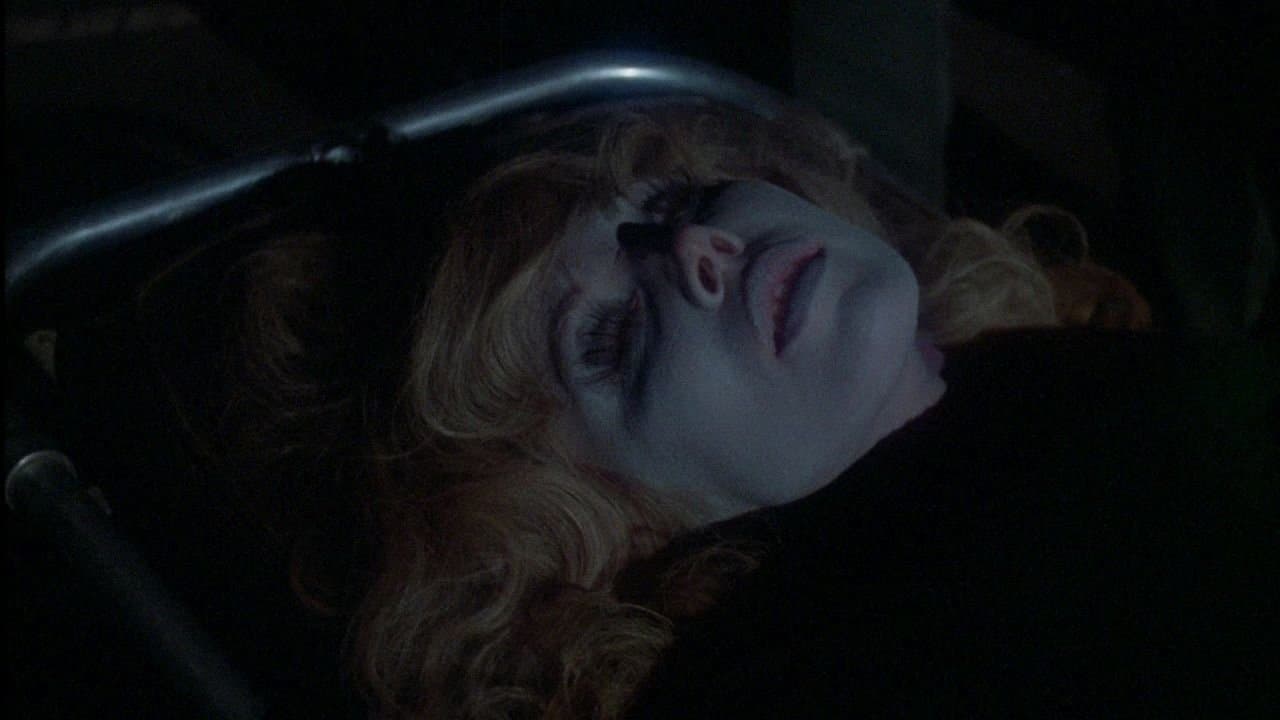
After getting run out of Las Vegas, investigative reporter Carl Kolchak arrives in Seattle for what should be a fresh start at a new newspaper job. Instead, he stumbles directly into a nightmare. A string of brutal murders is gripping the city—young women found strangled, their bodies drained of blood, left as cryptic warnings. What makes these killings different isn't just their savagery; it's the pattern. Digging through old newspaper archives and police records, Kolchak discovers something that shouldn't be possible: the exact same murders occurred in Seattle every 21 years, stretching back over a century. Someone—or something—is killing on a schedule. The question that drives the entire film isn't just who the killer is, but what he is, and whether Kolchak can stop him before the cycle completes itself once more.
Behind the making of The Night Strangler
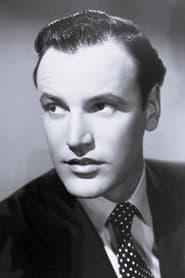
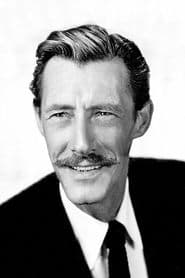
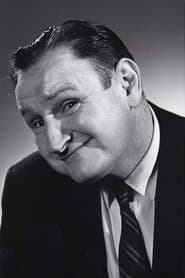
The Night Strangler arrived in January 1973 as a direct sequel to the previous year's surprise hit The Night Stalker, which had established the Kolchak Collection as a franchise vehicle for ABC Circle Films. Director Dan Curtis, who'd built his reputation in television horror, returned to helm this follow-up with the same economical style that made the original work on a TV budget. Darren McGavin, the actor who embodied Kolchak's wisecracking, world-weary reporter persona, was back in the lead—his chemistry with the material and his ability to deliver sharp one-liners while genuinely frightened became the franchise's secret weapon. The supporting cast included Simon Oakland as Kolchak's editor, lending gravitas to scenes that could've otherwise felt melodramatic. Running just 90 minutes, the film was designed for television broadcast, which meant it had to pack genuine scares and narrative momentum into a lean runtime. The production didn't chase big-studio effects; instead, it relied on atmosphere, mystery, and McGavin's performance to carry the weight. Movie OTT tracks where these classic TV movies ended up across streaming platforms, and The Night Strangler remains a touchstone for anyone exploring how television horror evolved in the early 1970s.
What makes The Night Strangler stand out
Honestly, what's striking about rewatching this film now is how much it trusts its audience to sit with genuine uncertainty. Kolchak doesn't solve the case through a clever deduction in the final act—he barely stops the killer, and even then, the ending suggests the cycle might simply pause rather than end. That's bleak in a way modern TV horror often avoids. McGavin's performance is the backbone here; he's not a superhero or a brilliant detective, just a reporter who's stubborn enough to ask questions nobody else will and smart enough to know when he's in over his head. The thing nobody mentions is how funny the film is alongside the horror—Kolchak's running commentary on the incompetence of local police, his exasperation with bureaucracy, his absolute refusal to let authority figures dismiss him. These moments of levity don't undercut the dread; they make it sharper by contrast. The murders themselves are presented with restraint (a necessity of 1970s television), but that restraint works in the film's favor—what you don't see becomes more unsettling than explicit gore ever could. Viewers on Movie OTT's platform tracking have noted that the 6.7/10 IMDb rating undersells the craft on display, particularly in how Curtis builds tension across the 90-minute runtime without relying on jump scares or cheap tricks.
How to watch The Night Strangler online
The Night Strangler is currently available across major OTT services, and finding it is straightforward thanks to the "Where to Watch" widget at the top of this page, which aggregates real-time streaming availability. Since this is a made-for-television film from 1973, it's been in circulation on various platforms for years, and its availability tends to be stable compared to newer theatrical releases. If you're a fan of classic television horror or the broader Kolchak Collection, it's worth checking which service you already subscribe to—there's a solid chance it's already there. The 90-minute runtime makes it easy to fit into an evening, and the episodic nature of Kolchak's investigations means you don't need to have watched The Night Stalker first, though doing so will deepen your appreciation for how the character evolved.
Frequently asked questions
Q: Is The Night Strangler based on a true story?
No, it's an original screenplay created for television. However, the film draws on the tradition of serial killer narratives and urban legends that were circulating in 1970s popular culture. The 21-year cycle is entirely fictional.
Q: Do I need to watch The Night Stalker first?
Not necessarily. The Night Strangler works as a standalone film with its own self-contained mystery. That said, watching The Night Stalker first will give you a deeper sense of who Carl Kolchak is and why he's such an effective protagonist—the sequel builds on the character work established in the original.
Q: Who directed The Night Strangler?
Dan Curtis directed the film. Curtis was a prolific television director known for his work in horror and suspense, and he brought the same atmospheric approach to The Night Strangler that made The Night Stalker successful.
Q: What's the runtime?
The Night Strangler runs 90 minutes, making it a compact thriller that doesn't waste time and keeps the pacing brisk throughout.
Q: Is The Night Strangler part of a series?
Yes, it's part of the Kolchak Collection. The Night Stalker came first in 1972, followed by The Night Strangler in 1973, and the character later anchored a full television series. The films serve as the foundation for what became a cult-favorite franchise.
Final thoughts on The Night Strangler
What makes The Night Strangler worth your time in 2024 isn't nostalgia—it's the fact that it still works. The pacing is tight, the mystery is genuinely puzzling, and McGavin's performance feels lived-in rather than theatrical. It's a film that understands that good horror doesn't need to be flashy. If you appreciate 1970s television craft, investigative narratives that don't hand you answers, or character-driven suspense, this deserves a spot in your queue. It won't blow your mind with spectacle, but it'll keep you watching.