




The story of The Grapes of Wrath and the Joad family's westward struggle
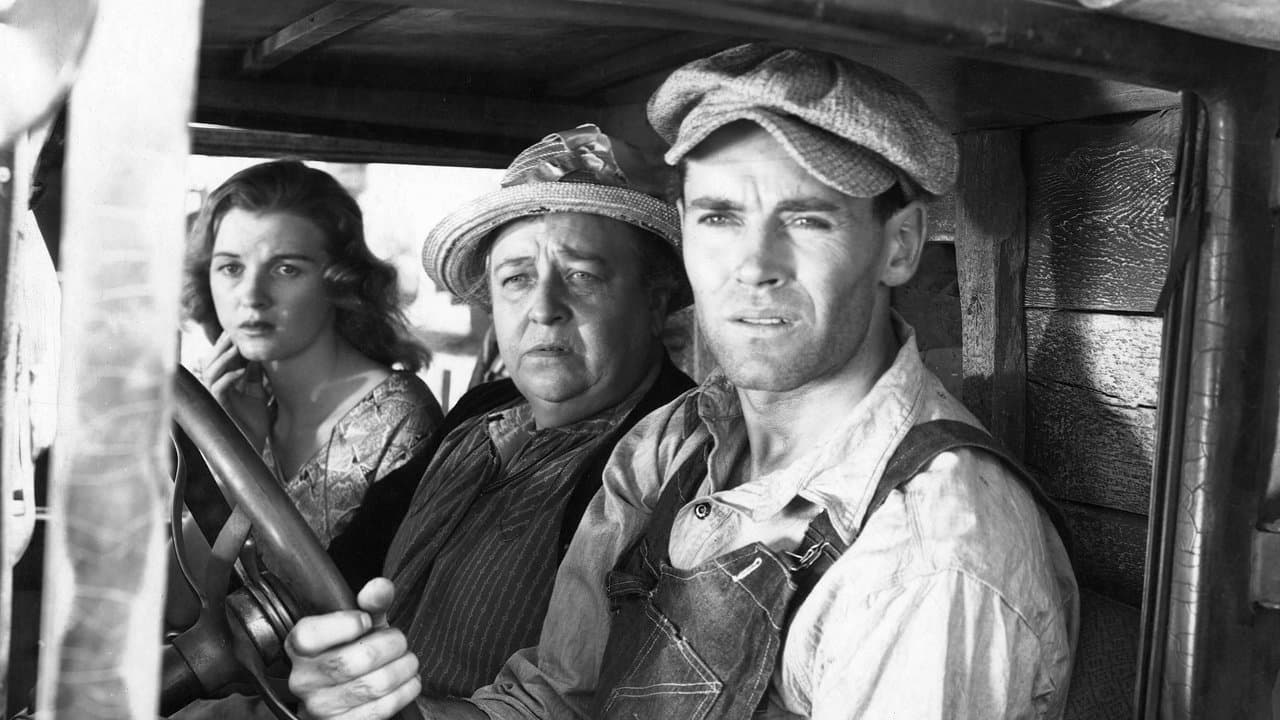
Tom Joad's homecoming is anything but warm. Fresh out of prison, he makes his way back to his family's Oklahoma farm only to discover they've been evicted—victims of bank foreclosure and the relentless machinery of the Great Depression. What unfolds isn't a triumphant return but a scramble for survival. He finds his family camped on his Uncle's land, preparing for a desperate migration westward. The next day, they pile into an overloaded jalopy and head toward California, chasing rumors of work and a better life. What they'll actually find—hardship, exploitation, prejudice, and a test of their moral fiber—becomes the heart of this unflinching journey.
The film doesn't romanticize their plight. It shows the dust, the hunger, the humiliation of being treated as less-than-human simply because you're poor and displaced. Tom's quiet rage simmers beneath every scene. His mother holds the family together through sheer will. The children don't understand why they can't stay home. And California—that golden promise—becomes a mirage that recedes the closer they get. Ford's camera lingers on faces, on the landscape, on the small moments where dignity persists despite everything working against it.
Behind the making of The Grapes of Wrath and its path to the screen
John Ford didn't adapt John Steinbeck's 1939 Pulitzer Prize-winning novel on a whim. 20th Century Fox, under the leadership of executive producer Darryl F. Zanuck, greenlit the project knowing it was politically charged and commercially risky. Steinbeck's novel had shocked millions with its unsparing critique of American capitalism and labor exploitation. Bringing it to the screen required a filmmaker willing to preserve that edge—and Ford was that man. Screenwriter Nunnally Johnson crafted a lean, powerful adaptation that captures the novel's spirit while reshaping it for cinema's particular language. The result: a 129-minute film that doesn't shy away from rage, poverty, or the failure of institutions to protect the vulnerable.
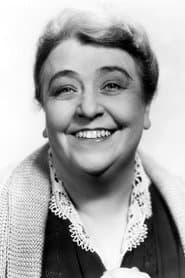
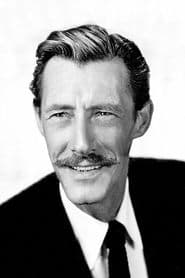
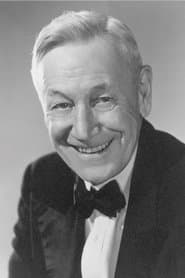
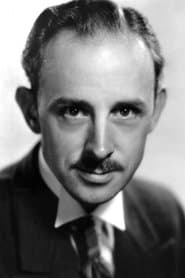
The cast brought weight to every role. Henry Fonda—yes, that Fonda—anchored the film as Tom Joad, delivering a performance of quiet intensity that builds to a climactic monologue about justice and solidarity. Jane Darwell as Ma Joad became iconic, a woman whose love for her family becomes an almost spiritual force. The ensemble cast, filled with character actors and newcomers, felt authentic because they weren't playing poverty—they inhabited it. Ford's direction earned the film a place in cinema history, though it wasn't a massive box office success on release. That's often the way with art that challenges rather than comforts. The film's reputation has only deepened over decades, and it's now recognized as one of Ford's greatest achievements and one of American cinema's most important works.
What makes The Grapes of Wrath stand out as a work of cinematic art
What's striking is how the film refuses easy answers or sentimental relief. You won't find a moment where hard work pays off, where the system rewards virtue, where things get better in any conventional sense. That's not a flaw—it's the film's moral clarity. Ford understood that sometimes the most honest thing a filmmaker can do is show the world as it is, not as we'd like it to be. The performances don't wallow in despair either. There's dignity in every frame, even (especially) in scenes of degradation. When Ma Joad stands up to a cop, when Tom refuses to accept injustice, when the family shares a meal they can barely afford—these moments carry weight precisely because the film hasn't promised them redemption.
The cinematography by Gregg Toland uses shadow and light, wide shots of empty landscapes and tight close-ups of weathered faces, to create a visual language of displacement and struggle. Scenes feel lived-in rather than staged. There's a sequence where the family arrives at a government camp—a moment of temporary safety—and the relief on their faces is almost unbearable because we know it can't last. I keep coming back to the final scene, which Ford and Johnson modified from the novel, ending on a note of human connection and stubborn hope that feels earned rather than imposed. It's the kind of ending that doesn't wrap things up—it opens them out, suggesting that the struggle continues, but so does the possibility of solidarity and love.
Where to stream The Grapes of Wrath online
The Grapes of Wrath is available on major OTT services, and you can check the "Where to Watch" widget at the top of this page for current streaming availability in your region. Given the film's runtime of 129 minutes and its emotional intensity, you'll want to set aside an evening to give it your full attention. Movie OTT tracks availability across platforms, so you can find exactly where it's streaming right now without hunting through multiple services. Whether you're accessing it through a subscription you already have or considering a new one, the film's worth the effort to track down. It's not background viewing—it demands engagement, and it rewards it.
Frequently asked questions
Q: Who directed The Grapes of Wrath?
John Ford directed the 1940 adaptation, bringing his distinctive visual style and moral clarity to Steinbeck's novel. Ford was known for his ability to blend intimate character work with sweeping social commentary, and this film showcases both talents.
Q: Is The Grapes of Wrath based on a true story?
It's based on John Steinbeck's 1939 novel of the same name, which was inspired by the real experiences of migrant workers during the Great Depression and Dust Bowl era. While the Joad family is fictional, their struggles reflect the actual hardships faced by thousands of displaced families.
Q: How long is The Grapes of Wrath?
The film runs 129 minutes, giving Ford ample time to develop character and atmosphere without rushing through the emotional and political weight of the story.
Q: What's the IMDb rating for The Grapes of Wrath?
The film holds a 7.797/10 rating on IMDb, reflecting its status as a critically respected and historically significant work that continues to resonate with viewers.
Q: What awards did The Grapes of Wrath win?
The film earned recognition during awards season, though like many socially conscious films of its era, it didn't dominate the mainstream accolades. Its legacy has grown significantly since its 1940 release, and it's now regarded as one of the greatest American films ever made.
Final thoughts on The Grapes of Wrath
You don't watch The Grapes of Wrath for comfort. You watch it because it matters—because it refuses to look away from injustice, because it trusts its audience to sit with discomfort, and because it insists that human dignity persists even when systems are designed to crush it. It's a film that feels urgent today, even though it was made over 80 years ago. Hard to say why that is, except that Ford and Johnson tapped into something true about struggle, family, and the stubborn human refusal to give up. If you haven't seen it, this is your invitation. If you have, it's worth revisiting.