The Story of Doctor Bull
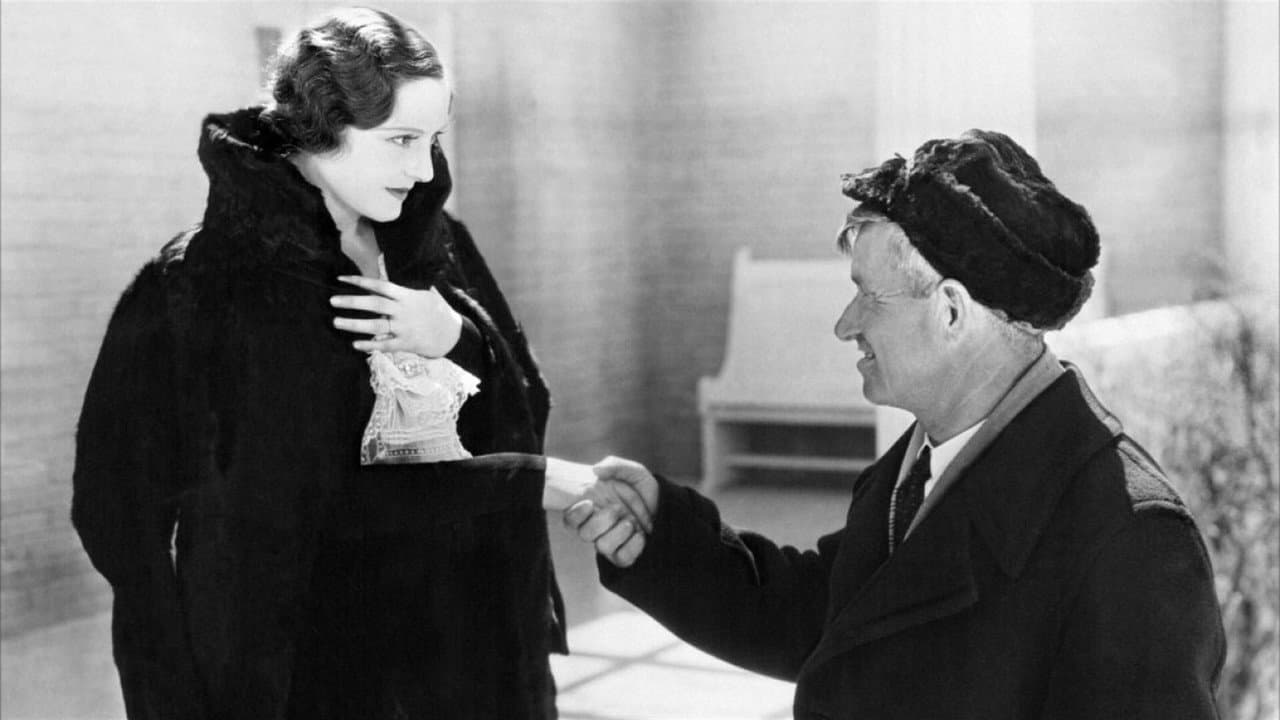
Doctor George Bull isn't your typical Hollywood hero. He's a small-town physician in 1933 America—the kind of man who trades medical advice for chickens, who knows everyone's business because he's literally been in everyone's homes, and who speaks his mind without much regard for social niceties. When he starts courting a widow (Vera Allen), the local gossips immediately spin it into scandal. Meanwhile, a wealthy construction camp owner becomes his enemy, resenting Bull's blunt manner and refusal to bend to the powerful. But when the camp's negligence poisons the town's water supply and a typhoid outbreak begins, Doctor Bull must step beyond his reputation as a crusty curmudgeon and prove he's the one person the town actually needs. It's a story about small-town hypocrisy, the gap between how we're perceived and who we actually are, and the quiet heroism of doing the right thing when nobody's watching.
Behind the Making of Doctor Bull
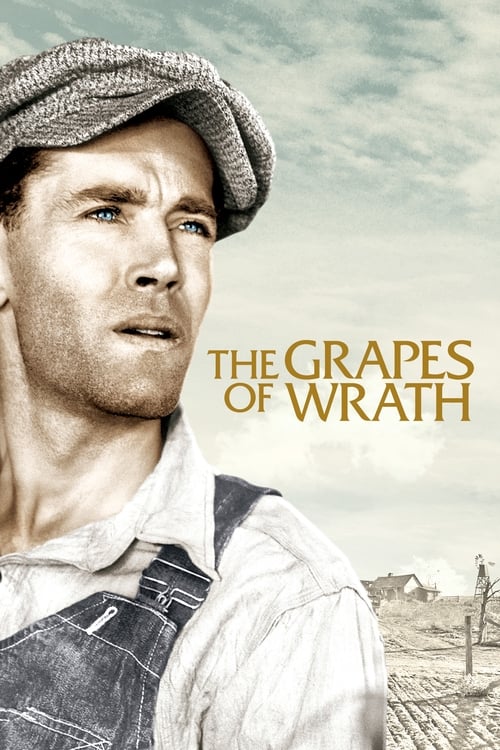
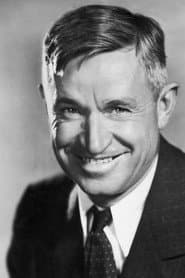
Doctor Bull arrived in 1933 as an adaptation of James Gould Cozzens' novel The Last Adam, brought to the screen by Fox Film Corporation under the direction of John Ford—one of cinema's most restless and inventive filmmakers. Ford was already a major figure by this point, though his greatest triumphs were still ahead of him. The studio paired him with Will Rogers, who'd become one of America's biggest box-office draws through a combination of folksy wisdom, comedic timing, and an almost preternatural ability to make audiences believe he was just a regular guy who happened to be on screen. Rogers had made the transition from silent films to talkies with remarkable ease, his drawling Oklahoma accent and deadpan delivery perfectly suited to the new medium. The film's tagline—"As Great - As Human - As 'State Fair'"—positioned it alongside Rogers' earlier rural comedies, promising audiences the same blend of humor and heart. At 79 minutes, it's a lean picture, moving with the efficiency Ford preferred. While it didn't become one of Ford's most celebrated works (that honor belongs to films like Stagecoach and The Grapes of Wrath), it was a respectable commercial venture for its time and demonstrated Ford's willingness to work across genres, even when adapting literary material that might've seemed too domestic for his talents.
What Makes Doctor Bull Stand Out
What's striking about Doctor Bull is how it refuses to let anyone off easy—not the doctor, not the town, not even the audience. Rogers' performance is the anchor here. He doesn't play Bull as a lovable curmudgeon; there's real edge to him. He's impatient with pretense, dismissive of the town's social hierarchies, and genuinely annoyed by its gossip. You can see why people don't like him. And yet, Ford—working in what you might call his "human comedy" mode—finds the humanity in that bluntness. The film doesn't ask us to excuse Bull's manner; it asks us to understand that his manner comes from a place of genuine care for his patients, and that the town's judgment of him says far more about them than it does about him. There's a scene early on where Bull is examining a patient while barely suppressing his contempt for their hypochondria, and Rogers sells both the contempt and the underlying professionalism with barely a change in expression. The supporting cast—including the various townspeople who embody small-town prejudice and small-mindedness—grounds the comedy in something real. Ford's direction keeps things moving briskly, using the intimate spaces of the town (the doctor's office, the streets, the homes) to create a sense of claustrophobia that mirrors how trapped Bull feels by everyone's expectations. The film's IMDb rating of 6.667/10 reflects its status as a solid but not spectacular entry in both Ford's and Rogers' catalogs, yet it's precisely that "good but not great" quality that makes it interesting—it's a film that doesn't strain for importance, which somehow makes it more important.
Where to Stream Doctor Bull Online
Doctor Bull is available on major OTT services, making it accessible to anyone with a streaming subscription looking to explore pre-Code cinema or Will Rogers' filmography. Movie OTT tracks current streaming availability across platforms, so you can check exactly where it's streaming in your region right now—availability shifts frequently depending on licensing agreements. The film's public domain status in many territories means it also appears on various classic film platforms and archives. Rather than hunting across multiple services, Movie OTT does the heavy lifting for you, consolidating where this 1933 gem is currently available. Whether you're planning a John Ford retrospective or diving into Rogers' work, the Where to Watch widget at the top of this page will show you every platform carrying it.
Frequently asked questions
Q: Who directed Doctor Bull?
John Ford directed Doctor Bull in 1933, working with Will Rogers on this adaptation of James Gould Cozzens' novel The Last Adam. It's a relatively lesser-known entry in Ford's prolific career, but it showcases his ability to work in comedy-drama and find humanity in small-town American life.
Q: Is Doctor Bull based on a true story?
No, Doctor Bull is a fictional adaptation of James Gould Cozzens' 1933 novel The Last Adam. While it captures the feel of real small-town American life and deals with genuine public health concerns like typhoid outbreaks, the characters and story are invented.
Q: How long is Doctor Bull?
The film runs 79 minutes, making it a lean, efficiently paced picture that was typical of early 1930s studio filmmaking. It doesn't overstay its welcome.
Q: What genres is Doctor Bull?
Doctor Bull is classified as both a comedy and a drama—it's really a comedy-drama that balances humor with genuine stakes and emotional weight. The film moves between laughs and serious moments without feeling tonal whiplash.
Q: Is Doctor Bull a pre-Code film?
Yes, released in 1933, Doctor Bull is a pre-Code film, made before the Motion Picture Production Code was strictly enforced in 1934. This means it has slightly more freedom in its treatment of adult themes like romance and small-town scandal than films made even a year or two later.
Final Thoughts on Doctor Bull
Doctor Bull isn't a masterpiece, and it doesn't pretend to be one. What it is, though, is a genuinely likeable film about a genuinely unlikeable man—and that's rarer than it sounds. Will Rogers and John Ford made something that works because it's honest about human nature: we judge people too quickly, we value appearance over substance, and sometimes the person we least want to listen to is the one we most need to hear from. It holds up because those observations haven't aged. If you're interested in early 1930s cinema, Ford's versatility, or Rogers' screen presence, it's absolutely worth your time.