
The Story of Cheyenne Autumn
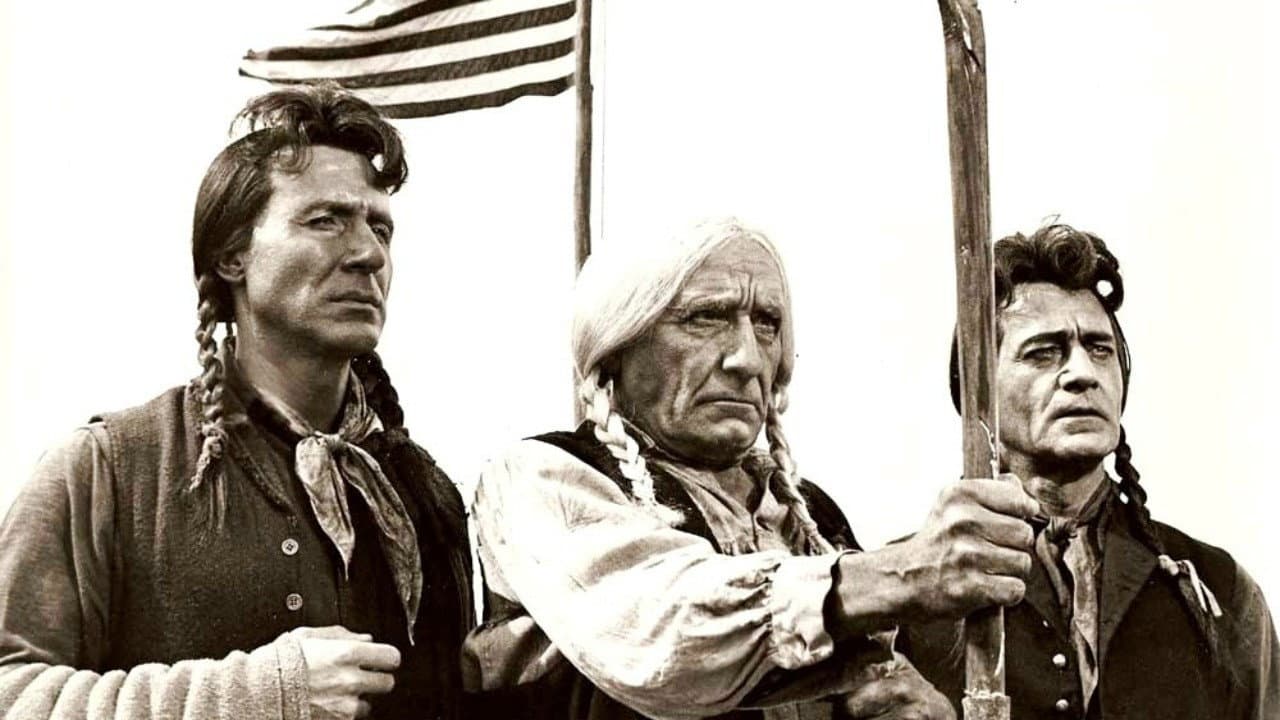
Cheyenne Autumn tells the story of a reluctant cavalry Captain forced to track a defiant tribe of migrating Cheyenne across 1,500 miles of unforgiving terrain. Based on the actual Northern Cheyenne Exodus of 1878–79, the film follows a people who've had enough—starving on a Southern reservation after being torn from their Northern homeland, they decide to walk back, consequences be damned. What unfolds isn't a simple good-versus-evil chase narrative. Instead, it's a complex, sprawling portrait of desperation, dignity, and the collision between two worlds that can't coexist. The tagline promises "1,500 miles of heroism and incredible adventure," and while the film delivers on spectacle, it's the moral weight underneath that lingers.
Behind the Making of Cheyenne Autumn
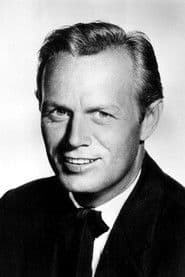
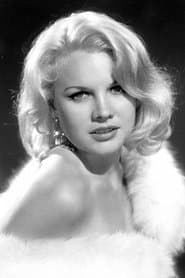
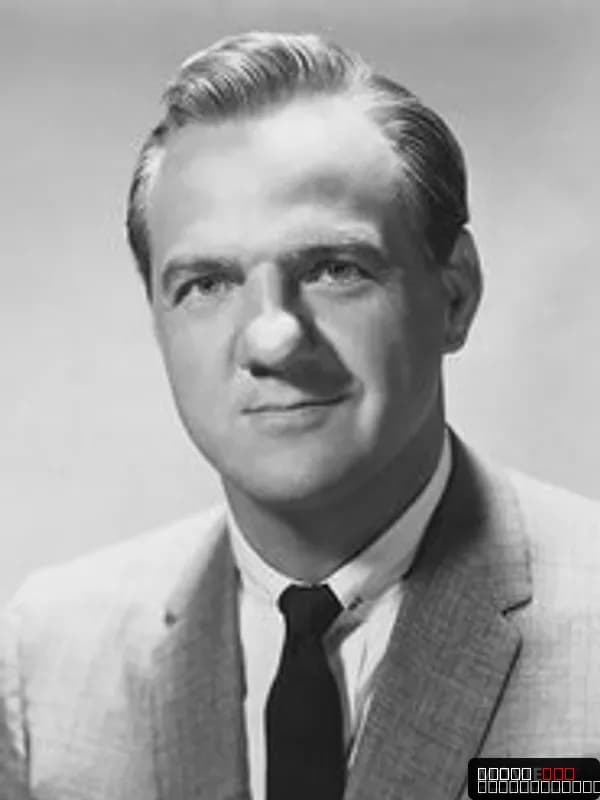
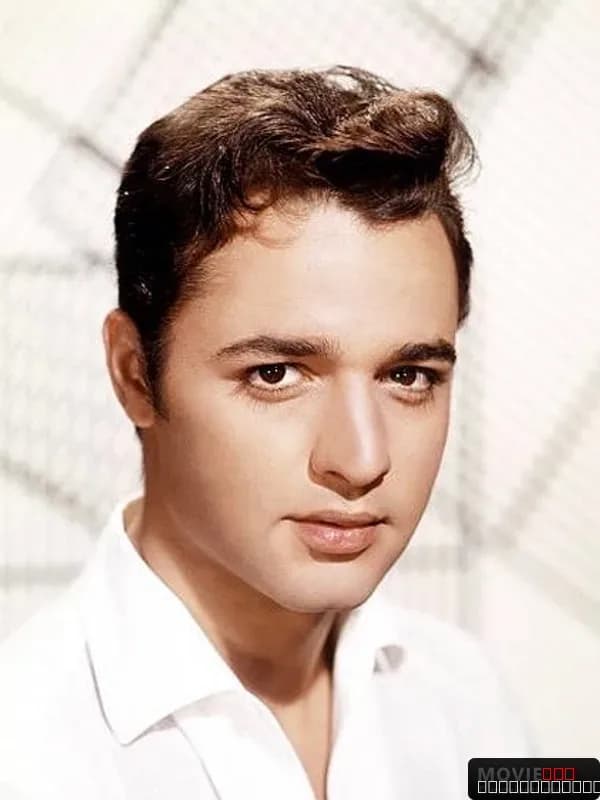
Cheyenne Autumn arrived as John Ford's final Western, and that context matters enormously. Ford, the director who'd spent decades crafting the mythology of the American frontier, used this $4 million production—a substantial budget for 1964—to explicitly reckon with his own legacy. He called the film an elegy for Native Americans, a public acknowledgment that his previous work had misrepresented and marginalized them. The cast alone signals Ford's clout: Richard Widmark carries the moral center as the conflicted Captain, while Carroll Baker, James Stewart, and Edward G. Robinson anchor the ensemble. Stewart, in particular, appears in a memorable sequence that's become one of the film's most discussed moments—though I won't spoil it here.
Warner Bros. Pictures backed the production, but the studio's faith didn't translate to box office success. The film failed to turn a profit, a commercial disappointment that may have stung Ford, though his artistic statement remained intact. At 157 minutes, it's a demanding watch—long, sometimes slow, deliberately paced in ways that modern audiences trained on snappier editing might find challenging. That length, though, is part of Ford's argument. He wasn't interested in a tidy, action-packed yarn. He wanted viewers to sit with the weight of history.
What Makes Cheyenne Autumn Stand Out
What's striking about Cheyenne Autumn is how it refuses easy heroics. Widmark's Captain isn't a white savior—he's trapped between duty and conscience, and the film doesn't let him off the hook for that compromise. The Cheyenne themselves aren't background decoration or victims waiting to be rescued. They're the protagonists of their own story, even when the narrative occasionally stumbles in how it frames them. There's a scene where the tribe moves across a vast landscape, and you feel the scale of their displacement, the sheer audacity of their refusal to accept their fate. That's cinema working at its best—not telling you what to think, but showing you something true.
The performances don't all land with equal force. Baker brings vulnerability to her role, and Robinson commands every frame he's in, but some supporting characters feel like they're from a different, more conventional Western. What keeps the film alive is its ambivalence. Ford isn't celebrating American military might or the inevitable march of civilization. He's mourning it. He's asking viewers to sit with the discomfort of that contradiction—that the system he'd spent his career mythologizing was built on dispossession and cruelty. It's a film that can't quite reconcile all its contradictions, and honestly, that's part of what makes it fascinating rather than a neat, packaged statement.
Where to Stream Cheyenne Autumn Online
Cheyenne Autumn is currently available on major OTT services, and you can check the "Where to Watch" widget at the top of this page to see which platforms are streaming it in your region right now. Availability shifts frequently, so Movie OTT tracks current streaming locations across all the major services, saving you the hassle of searching multiple apps. If you're planning a Ford retrospective or want to understand how one of cinema's greatest directors reckoned with his own work, it's worth hunting down wherever it's currently available—the 157-minute runtime means you'll want to commit to a dedicated viewing session, not squeeze it in between other things.
Frequently asked questions
Q: Is Cheyenne Autumn based on a true story?
Yes. The film dramatizes the Northern Cheyenne Exodus of 1878–79, when the tribe left their Southern reservation and walked north toward their original homeland. Ford used historical events as a foundation but took considerable artistic license with characters and specific plot points.
Q: Who directed Cheyenne Autumn?
John Ford directed it. This was his final Western, and Ford explicitly stated it was meant as an elegy for Native Americans and an apology for how his previous films had misrepresented them.
Q: What's the runtime of Cheyenne Autumn?
The film runs 157 minutes (just under 2 hours and 37 minutes), making it a substantial commitment—but that length is intentional, reflecting Ford's deliberate pacing.
Q: Why did Cheyenne Autumn fail at the box office?
Despite its $4 million budget and all-star cast, the film didn't connect with audiences and failed to turn a profit for Warner Bros. Some attribute this to its length, somber tone, and the fact that it subverted Western genre expectations rather than fulfilling them.
Q: What's the IMDb rating for Cheyenne Autumn?
The film holds a 6.7/10 rating on IMDb, reflecting mixed critical and audience reception—appreciated by those who value Ford's ambition and historical reckoning, but found slow or uneven by others.
Final Thoughts on Cheyenne Autumn
Cheyenne Autumn isn't a perfect film. It's ungainly, sometimes dramatically inert, and caught between Ford's artistic vision and the constraints of 1960s Hollywood storytelling. But it's essential viewing for anyone interested in Westerns, Ford's legacy, or how cinema can grapple with historical injustice. Watch it not because it's flawless, but because it's honest—a legendary director looking back at his life's work and saying, "I got it wrong." That kind of reckoning doesn't come often in American cinema, and it deserves to be seen.