

The story of The Other Half and what it's really about
The Other Half tells the story of a man navigating the wreckage of loss and a woman wrestling with the unpredictability of her own mind. When these two broken people find each other, something unexpected happens—not a cure, not a rescue, but a genuine attempt to build something real together. The film doesn't pretend that love solves everything. Instead, it asks a harder question: can two people who are fundamentally struggling learn to hold each other up? The premise sounds like it could veer toward melodrama, but the 2016 film directed by Joey Klein resists easy answers, instead offering a portrait of what it actually looks like when two people with serious emotional baggage try to make a relationship work.
What makes The Other Half stand apart from typical romance narratives is its refusal to sentimentalize mental illness or grief. This isn't a story where a woman with bipolar disorder needs to be fixed by love, or where a grieving man needs rescuing. The film presents these conditions as ongoing realities—messy, complicated, sometimes beautiful, sometimes destructive—that two people have to navigate together. Memory haunts the story, as the official tagline promises: "Yet memory will not abandon love." That tension between what we've lost and what we're trying to build drives the entire narrative.
Behind the making of The Other Half and its critical journey
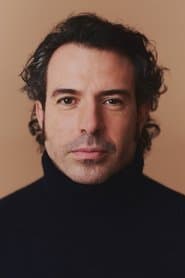
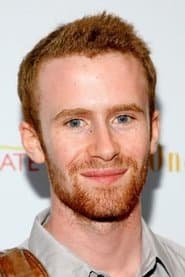
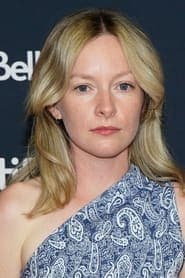
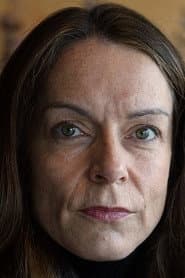
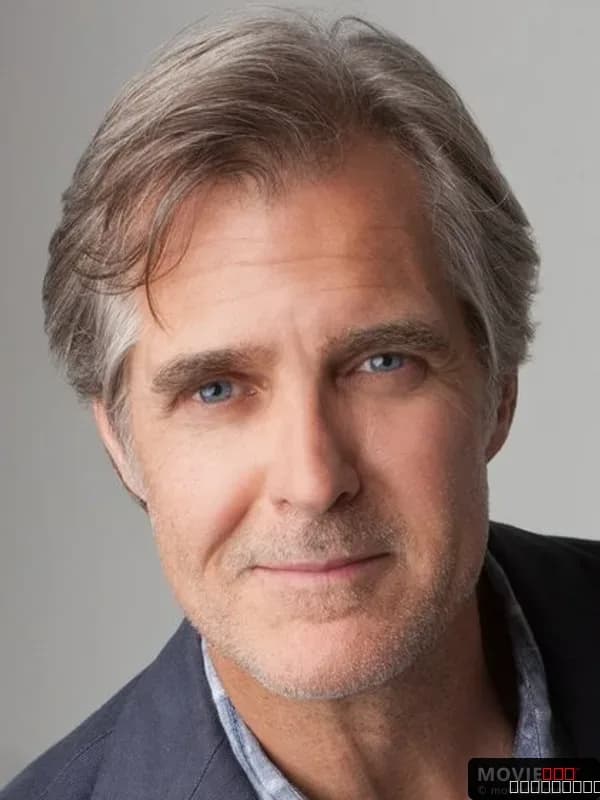
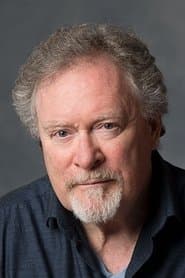
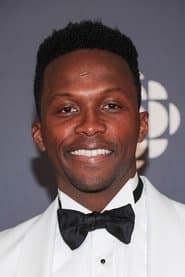
The Other Half premiered at South by Southwest in March 2016, marking writer-director Joey Klein's feature directorial debut. The film was produced by Motel Pictures and JoBro Productions, bringing together a cast led by Canadian actor Tatiana Maslany—known for her powerhouse performance in Orphan Black—alongside British-Canadian Tom Cullen, with supporting roles from Henry Czerny and Suzanne Clément. For a debut feature, Klein assembled serious talent, and the gamble paid off in terms of critical reception.
The film's critical performance tells an interesting story about how different reviewing outlets see the same work. Rotten Tomatoes gave it a 78% Fresh rating, while Metascore landed at 60, suggesting a meaningful divide between critics and audiences (the IMDb score sits at 5.3/10). That gap isn't unusual for intimate character dramas, which tend to polarize viewers depending on whether they connect with the emotional wavelength the film's operating on. The film earned one win and three nominations at various festivals, modest recognition for an indie production that didn't have the marketing muscle of a studio release. Runtime clocks in at 103 minutes—lean enough to maintain focus, long enough to really sit with these characters' struggles.
What makes The Other Half resonate with audiences and critics alike
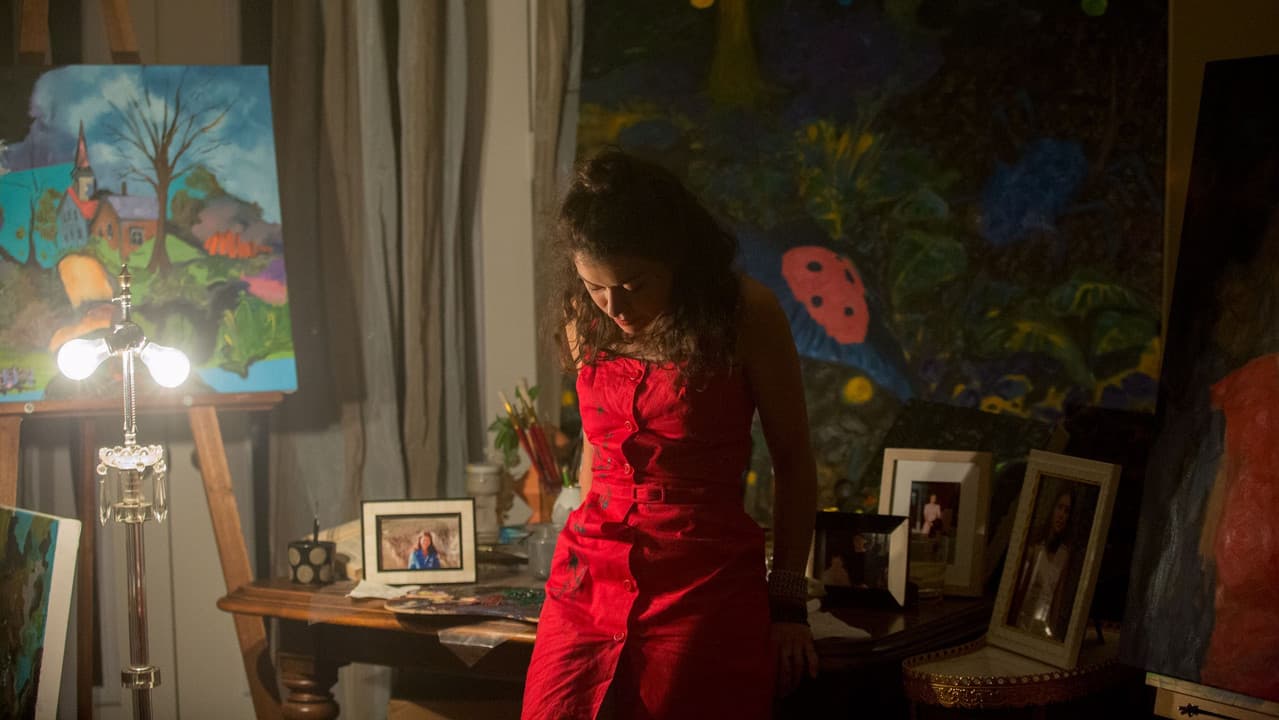
What's striking is how much The Other Half accomplishes through restraint. There's no big dramatic confrontation that "solves" anything, no moment where one character's love magically heals the other. Instead, Klein builds the film through small moments—conversations in cars, quiet mornings, the way two people learn each other's rhythms and breaking points. Tatiana Maslany brings a particular kind of vulnerability to her role, capturing the unpredictability and fear that comes with bipolar disorder without ever letting it become a one-note character trait. Tom Cullen, meanwhile, carries the weight of grief in his shoulders, in the way he moves through space—he doesn't need to announce his pain because we can feel it.
The performances anchor everything. I keep coming back to how neither actor plays their character as a victim or a villain. They're just people trying. What's remarkable is how the film trusts its audience to sit with discomfort. There's violence in the story (the thematic keywords reference a "violent man"), and there's instability, and there are moments where the relationship fractures in ways that feel genuinely dangerous. But the film doesn't use these elements as plot devices—they're consequences of the characters' unresolved trauma. The cinematography and editing work quietly, never calling attention to themselves, which is exactly the right choice for a story this intimate. The film could've been maudlin in less careful hands. Instead, it feels honest. Painfully, sometimes uncomfortably honest.
Klein's direction shows real maturity for a debut. He doesn't oversell the emotional beats, doesn't add swelling music to tell us when to feel something. The result is a film that trusts viewers to do the emotional work themselves. Some people find that refreshing; others find it slow. That's probably why the critical consensus is warmer than the audience score—critics tend to appreciate formal restraint more than general viewers do.
How to watch The Other Half online and where to stream it
The Other Half is available on major OTT services, making it accessible for viewers looking to discover indie dramas without a theatrical release. Check the Where to Watch widget at the top of this page to see exactly which platforms currently have it in your region, as streaming availability shifts frequently. If you're a subscriber to one of the major services—and most people are to at least one or two—there's a good chance The Other Half is already within reach. Movie OTT tracks current streaming availability across Netflix, Prime, and other platforms, so you don't have to hunt across five different apps to find it. The film's modest runtime and intimate scope make it perfect for a quiet evening, the kind of movie that rewards your attention without demanding you commit to a massive franchise or eight-episode commitment.
Frequently asked questions
Q: Who directed The Other Half?
Joey Klein wrote and directed The Other Half as his feature directorial debut. The film premiered at South by Southwest in March 2016 and was produced by Motel Pictures and JoBro Productions.
Q: What's the runtime of The Other Half?
The film runs 103 minutes, making it a lean, focused character study that doesn't overstay its welcome.
Q: Is The Other Half based on a true story?
No, The Other Half is an original screenplay written by director Joey Klein. It's a fictional exploration of grief, bipolar disorder, and what happens when two damaged people try to build a life together.
Q: Where can I watch The Other Half?
The Other Half is available on major OTT streaming services. Use the Where to Watch widget on this page to find the platform currently streaming it in your region.
Q: Why is the Rotten Tomatoes score so much higher than the IMDb score?
The 78% Fresh rating on Rotten Tomatoes versus the 5.3/10 on IMDb reflects a common pattern with intimate character dramas. Critics tend to appreciate the film's formal restraint and emotional honesty, while general audiences sometimes find the pacing slow or the ending unsatisfying. Neither is wrong—it depends on what you're looking for.
Final thoughts on whether The Other Half deserves your time
The Other Half isn't a film for everyone. It won't make you feel better about the world, and it doesn't offer easy catharsis. But if you're drawn to stories about real people struggling with real problems—grief, mental illness, the terrifying vulnerability of loving someone who might hurt you—then this is worth your time. Tatiana Maslany and Tom Cullen create something genuine here, and Joey Klein's direction respects their performances enough to step back and let them breathe. It's a small film that does big emotional work quietly. That's rare. Don't sleep on it.