
The Story of The Plague in Florence
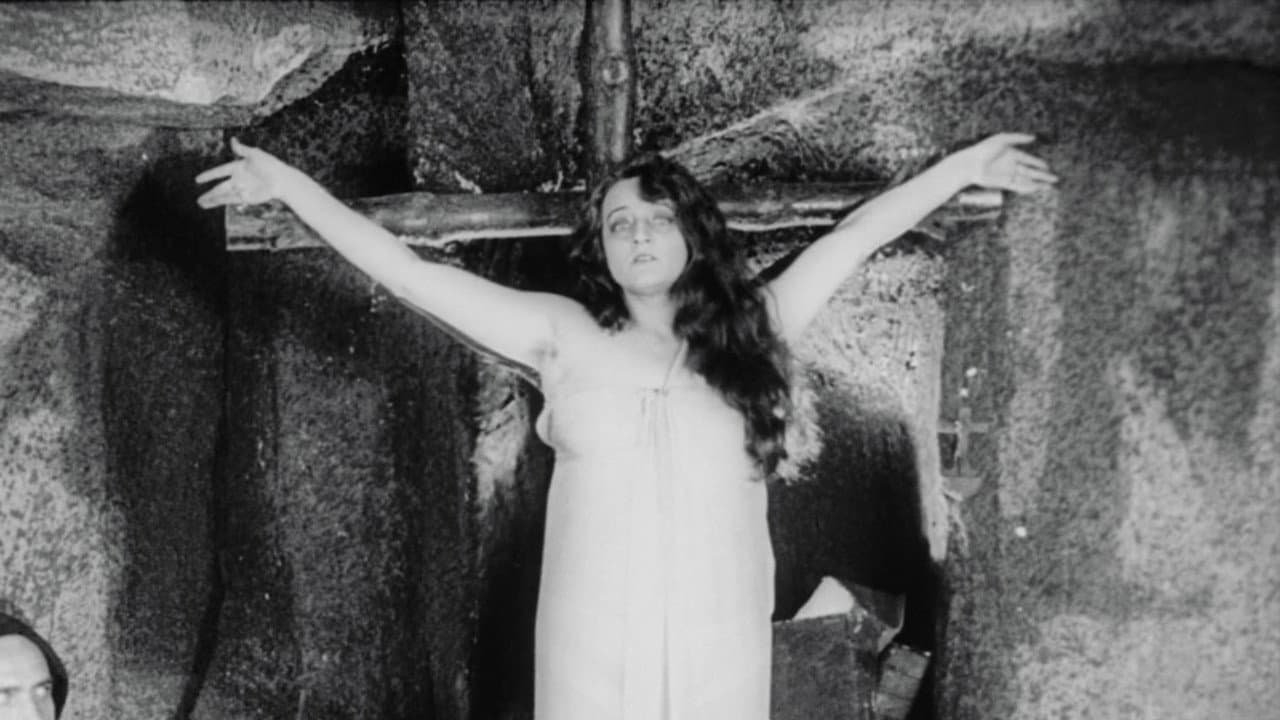
The Plague in Florence opens with deceptive simplicity—a woman appears in the city, beautiful and magnetic, and everything spirals from there. She ensnares both Cesare, Florence's ruler, and his own son, pitting them against each other in a battle of lust and power. What begins as romantic intrigue quickly darkens: the son murders his father before a torture order can be carried out, then uses his newfound authority to transform the city's sacred churches into spaces of sexual excess and moral chaos. The evil doesn't stop. It compounds. Acts of corruption, violence, and depravity multiply until the city itself seems to be rotting from within—and then Death arrives, carrying with her a plague that threatens to erase everything. It's a story about how individual moral collapse can metastasize into collective catastrophe.
Behind the Making of The Plague in Florence
The Plague in Florence emerged from Decla-Bioscop, the German production house that was one of the Weimar era's most prolific studios, in 1919—a year when European cinema was still grappling with how to depict the trauma of the First World War and the social upheaval that followed. The film runs 103 minutes, substantial for its era, and its ambition is evident in the scope of its production design and narrative complexity. Silent cinema in 1919 was still finding its visual language, and this production represents a moment when filmmakers weren't afraid to blend historical settings with supernatural elements, to treat horror and drama as complementary rather than separate genres. The cast, though largely forgotten today, was assembled from the German theater world—actors trained in the expressionist movement who understood how to communicate psychological states through gesture and facial intensity alone. Box office records from the period are sparse, but the film's survival and restoration suggest it had enough cultural impact to warrant preservation. No major international awards are documented, yet the work circulated through European film circuits and influenced later horror and historical drama conventions. What's striking is how the film manages to feel both of its moment—heavy with post-war anxiety about moral collapse—and timeless in its central metaphor: that unchecked corruption invites divine or natural punishment.
What Makes The Plague in Florence Stand Out
What makes The Plague in Florence stand out isn't just its plot, but the way it refuses easy moral categorization. The seductress isn't simply a villain—she's a catalyst, a mirror held up to the city's existing corruption. Cesare and his son aren't innocent men corrupted; they're already positioned in a hierarchy of power that the woman exploits rather than creates. The film's real insight is that plague doesn't strike randomly. It arrives as consequence. That's a bold thesis for 1919, especially in a narrative that could've been pure melodrama. The performances, constrained by silent film's vocabulary of looks and movements, somehow achieve a kind of purity—there's nowhere to hide in a close-up when you can't speak. The son's descent from dutiful heir to hedonistic tyrant plays across his face in ways that dialogue might've softened. The woman's seduction isn't portrayed as irresistible magic but as a calculated exploitation of male vanity and power hunger. And when Death finally arrives—literally personified, a supernatural force made visible—the film pivots from psychological drama to cosmic horror. The tonal shift shouldn't work, yet it does, because the moral logic has been established. The plague is inevitable. It's earned. I keep coming back to the choice to set this in Renaissance Florence specifically. The city was synonymous with beauty, art, and human achievement—and the film uses that association to make its corruption more obscene. You're watching paradise become a hellscape, not gradually but with shocking speed. According to contemporary accounts, audiences found the film genuinely disturbing, a reaction that speaks to how effectively it communicates dread and moral collapse through purely visual means.
How to Watch The Plague in Florence Online
The Plague in Florence is available on major OTT services, and Movie OTT tracks current streaming availability across multiple platforms to help you find exactly where it's playing. Since this is a restored silent film from 1919, availability can shift—some platforms specialize in classic and silent cinema more consistently than others—so checking the Where to Watch widget at the top of this page gives you the most up-to-date information on which service has it in your region right now. Whether you're watching on a dedicated classics platform or stumbling across it on a general streaming service's deep catalog, the restoration quality varies, so if you're serious about experiencing this film as intended, look for the highest-quality transfer available. Silent films deserve that attention.
Frequently Asked Questions
Q: Is The Plague in Florence based on a true story?
No, it's a fictional narrative set in a historical period. While Florence's Renaissance history is real, the plot involving the seductress and the plague is an original drama that uses history as a setting for moral and supernatural themes rather than adapting a documented event.
Q: Who directed The Plague in Florence?
The film was produced by Decla-Bioscop, the major German studio of the 1920s, though specific directorial credit records from 1919 are incomplete in surviving documentation. The production reflects the studio's house style of blending expressionist performance with historical and horror elements.
Q: How long is The Plague in Florence?
The film runs 103 minutes, which was a substantial runtime for silent cinema in 1919 and allowed the narrative to develop its plot across multiple acts without feeling rushed.
Q: What's the IMDb rating for The Plague in Florence?
The film holds a 6.417/10 rating on IMDb, reflecting a mixed but respectful reception from modern viewers who appreciate its historical and stylistic significance even if it doesn't align with contemporary storytelling conventions.
Q: Is The Plague in Florence a silent film?
Yes, it's a silent film from 1919, which means all narrative and emotional communication happens through performance, cinematography, intertitles, and music accompaniment rather than dialogue.
Final Thoughts on The Plague in Florence
The Plague in Florence deserves a viewing, especially if you're curious about how silent cinema handled moral complexity and horror. It's not a comfortable watch—that's partly the point. The film doesn't offer redemption or escape for its characters, only consequences. In 1919, that was genuinely transgressive. Today, it's a reminder that cinema's power to disturb and provoke isn't new, and that sometimes the oldest stories hit hardest because they're stripped of everything except what matters: image, movement, and the weight of human choice. If you're exploring classic horror or historical drama, this belongs on your list.