









The story of The Princess of Montpensier
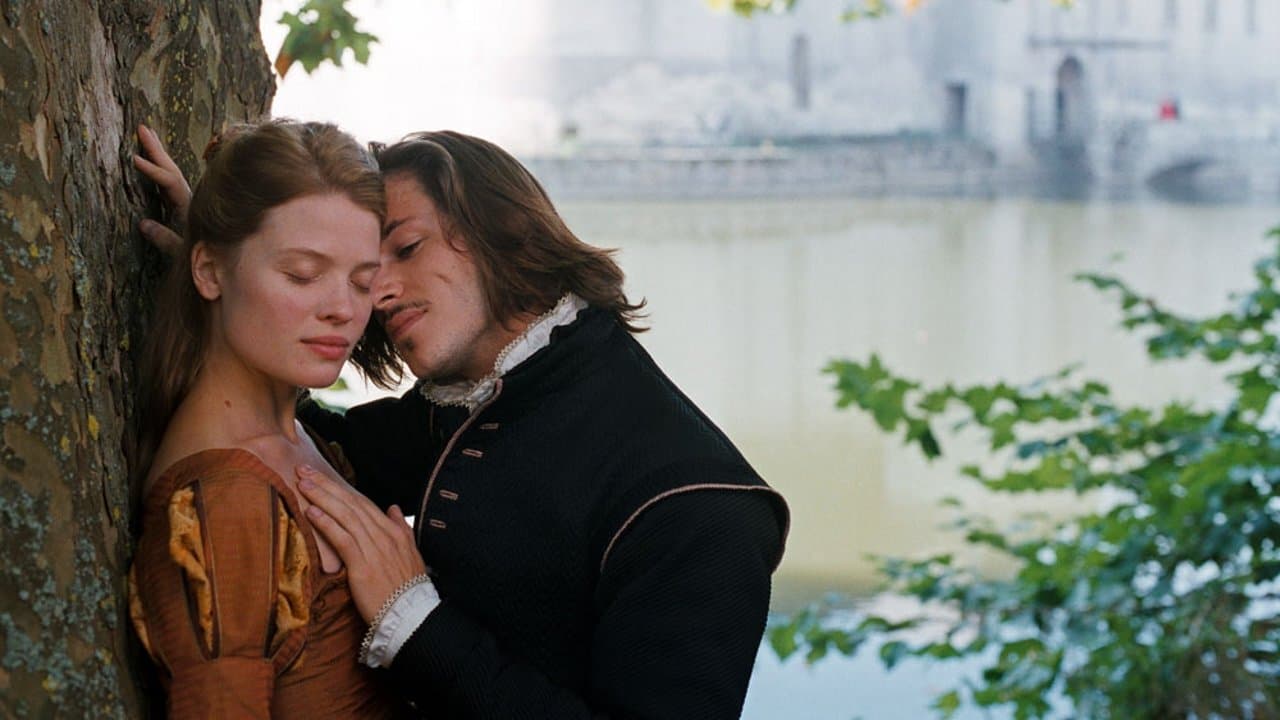
The Princess of Montpensier unfolds in the turbulent courts of 16th-century France, where religious wars between Catholics and Protestants are tearing the country apart. At the center is Marie de Mézières, a young aristocrat of considerable beauty and spirit, who finds herself in love with Henri de Guise, a man from one of France's most powerful families. But love, as it turns out, doesn't get a vote in matters of dynastic consequence. Her father makes a calculated political deal that promises her hand to the Prince of Montpensier instead—a marriage that ignites a bitter feud between the Guise and Montpensier families and leaves Marie trapped in a loveless union. The film charts her struggle to navigate duty, desire, and the dangerous game of court politics where a woman's agency is often her most fragile possession.
Behind the making of The Princess of Montpensier
Director Bertrand Tavernier brought this adaptation to life in 2010, drawing from a short story published anonymously in 1662 by Madame de La Fayette—a writer whose insights into the female experience at court were centuries ahead of her time. The production itself was a European collaboration, with Paradis Films, StudioCanal, and France 2 Cinéma joining forces alongside German and EU support through the MEDIA Programme, a testament to the film's ambition and reach. Tavernier assembled a cast that included Mélanie Thierry in the title role, bringing a quietly fierce intelligence to Marie; Gaspard Ulliel as the charismatic Henri de Guise; and Grégoire Leprince-Ringuet as the neglected Prince of Montpensier himself. The 139-minute runtime allows Tavernier to let scenes breathe—no rushing through court intrigue or stolen glances. What's striking is how the film refuses to compress its world into neat, digestible chunks. The cinematography and costume design work together to create a France that feels lived-in, where the splendor of royal life sits uneasily alongside the grinding reality of religious conflict. It earned a respectable IMDb rating of 6.4 out of 10, a solid score that reflects its appeal to period-drama enthusiasts and those who appreciate the messiness of historical storytelling.
What makes The Princess of Montpensier stand out
What's often overlooked in historical romance is the quiet fury of a woman forced to smile while her heart belongs elsewhere. Thierry captures that tension beautifully—there's no melodrama, just a kind of steely endurance mixed with moments of genuine vulnerability. The film doesn't shy away from showing how Marie's impossible position affects everyone around her. Her husband isn't a cartoon villain; he's a man aware that his wife loves someone else, which creates a different sort of tragedy altogether. Tavernier's direction allows these emotional undercurrents to surface slowly, which can feel deliberate to the point of testing patience, but it's also what gives the film its depth. The religious conflict that forms the backdrop isn't just window dressing—it's the actual machinery driving the plot forward, reminding us that personal desires collide constantly with forces far larger than any individual. The film captures something true about how history doesn't care about romance, and romance doesn't care about history; they just keep crashing into each other. I keep coming back to the film's refusal to offer easy resolution, its insistence that some conflicts don't have winners, only survivors.
Where to stream The Princess of Montpensier online
The Princess of Montpensier is currently available on major OTT services, and the easiest way to find exactly which platforms are streaming it right now is to check the "Where to Watch" widget at the top of this page on Movie OTT. Streaming availability shifts frequently—a film might move from one service to another as licensing agreements expire and renew—so that widget is your most reliable source for current information. If you're the type who likes to plan ahead or prefers to own rather than rent, the film is also available for purchase on digital platforms. At just over two hours, it's a substantial commitment but not an unreasonable one for a weekend evening, especially if you're in the mood for something that rewards attention and patience.
Frequently asked questions
Q: Is The Princess of Montpensier based on a true story?
The film is adapted from a 1662 novella by Madame de La Fayette, a fictionalized tale rather than a strict historical account. While it's set during the real religious conflicts of 16th-century France and features some historical figures, the central love story and characters are products of imagination.
Q: Who directed The Princess of Montpensier?
Bertrand Tavernier, the acclaimed French filmmaker known for his meticulous period dramas, directed the film in 2010. His approach emphasizes historical texture and emotional nuance over spectacle.
Q: How long is The Princess of Montpensier?
The film runs 139 minutes, giving Tavernier ample time to develop character relationships and the complex political backdrop without feeling rushed.
Q: What's the main conflict in The Princess of Montpensier?
Marie is in love with Henri de Guise but is forced to marry the Prince of Montpensier due to a political arrangement. The film explores how she navigates this impossible situation amid religious war and court intrigue.
Q: Where can I watch The Princess of Montpensier right now?
Check the "Where to Watch" widget at the top of this page for current streaming availability, as platforms and licensing change regularly. Movie OTT keeps that information updated so you don't have to hunt across multiple services.
Final thoughts on The Princess of Montpensier
This isn't a film for everyone. It moves deliberately, trusts its audience to sit with discomfort, and doesn't resolve things the way modern storytelling often demands. But if you're drawn to period dramas that treat their female characters as complex human beings rather than romantic prizes, if you want to see a film that understands how politics and passion collide in real life, then The Princess of Montpensier deserves your time. Tavernier made something genuinely thoughtful here—a film about the gap between what we want and what we're allowed to have, and what we become in that gap.