What The Raid is about
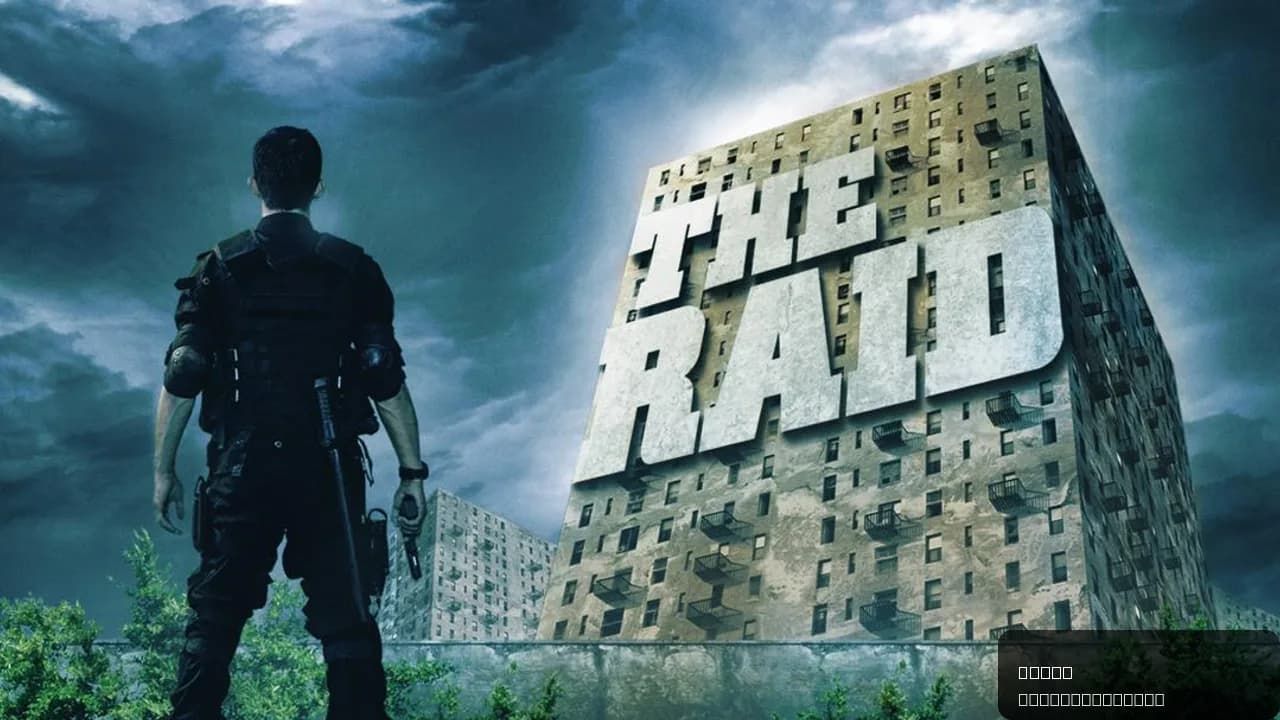
The Raid opens with a premise so stripped down it almost feels like a dare. An elite SWAT team is deployed to infiltrate a Jakarta tenement controlled by Tama, a ruthless crime boss who's turned the building into his personal fortress. The officers don't know it yet, but they're walking into a trap. When their cover's blown on the lower floors, the team finds itself pinned down, outnumbered, and cut off from extraction. What follows isn't a heist or a negotiation—it's survival, floor by floor, in a vertical gauntlet where every corridor, stairwell, and apartment becomes a battleground. There's no elaborate backstory, no romantic subplot, no comic relief. The Raid is about what happens when trained fighters meet their match in close quarters and neither side can afford to lose.
Behind the making of The Raid
Director Gareth Evans, a Welsh filmmaker who'd been working in Indonesia, shot The Raid on a modest budget with a largely Indonesian cast and crew. The production faced challenges—cramped locations, practical stunt work with minimal safety nets, and the pressure to make every action sequence feel fresh and earned. Evans had previously directed Merantau (2009), which introduced Iko Uwais to action cinema, but The Raid was the film that announced both director and lead actor to the world. Uwais carries the film as Rama, a young officer with surprising emotional depth beneath the physicality. Alongside him, Joe Taslim and Yayan Ruhian (a real-world martial artist) deliver performances that prove action cinema doesn't require dialogue to convey character. The film premiered at Sundance in 2011 and gained immediate festival traction, earning a 7.5/10 on IMDb and building word-of-mouth that eventually led to a wide theatrical release. It wasn't a blockbuster in traditional box-office terms, but it became something more durable—a reference point. The film's success spawned a sequel in 2014 and cemented Evans as a major action director.
Why The Raid stands out in modern action cinema
What's striking is how The Raid succeeds by refusing to do what Hollywood expects. There's no exposition dump, no villain monologue explaining his empire, no moment where the hero pauses to reflect on his feelings. Instead, Evans trusts the choreography and the space itself to tell the story. The tenement isn't just a setting—it's a character, a maze that gets more lethal as the team climbs. Early reviews compared it to the best action filmmaking of the 1980s and '90s, before digital effects made everything feel weightless. Here, when someone gets hit, you feel it. When a fighter goes down a flight of stairs, there's consequence. The thing nobody mentions is how much of the film's power comes from what it doesn't show—the camera holds steady (after an admittedly shaky opening), letting viewers see the full geometry of each fight, which means you can actually follow who's winning and why. Iko Uwais doesn't just throw punches; he moves with a kind of tactical precision that reads as both vulnerable and lethal. Critics noted that despite narrative simplicity—some even called the dialogue and plot "plainly terrible," as one reviewer put it—the action itself becomes the narrative. You don't watch The Raid for character arcs; you watch it to see what humans can do when they've trained their bodies to be weapons. That's not a limitation. That's the whole point.
How to watch The Raid online
The Raid is widely available across streaming platforms, making it easier than ever to experience this landmark action film. You can stream it on Prime Video, Hulu, and Apple TV Store, among many other options. The film also appears on specialized action channels like BATTLEZONE (via Amazon), Lionsgate Play, and Pluto TV for free ad-supported viewing. If you prefer to rent or purchase, Google Play Movies, YouTube, and Rakuten TV all carry it. Movie OTT tracks current availability across all major platforms—check the "Where to Watch" widget at the top of this page to see which service has it in your region right now. Streaming rights do shift, so if your usual service doesn't have it, there's a solid chance it's available elsewhere.
Frequently asked questions
Q: Who directed The Raid?
Gareth Evans, a Welsh director who'd been working in Indonesia. Evans went on to become a major action filmmaker, known for his kinetic camera work and commitment to practical stunt choreography.
Q: Is The Raid based on a true story?
No. Evans created the film as an original action thriller. The premise—a SWAT raid on a crime-controlled tower block—is fictional, though it draws on real tensions in Jakarta's urban landscape.
Q: What martial arts style is used in The Raid?
The film primarily showcases silat, an Indonesian martial art that emphasizes close-quarters combat, joint locks, and aggressive striking. Lead actor Iko Uwais trained extensively in silat, which gives the fights their distinctive look and fluidity.
Q: How long is The Raid?
The film runs 101 minutes, a lean runtime that Evans uses to keep the pacing relentless without feeling bloated.
Q: Is there a sequel to The Raid?
Yes. The Raid 2 was released in 2014, continuing Rama's story with even more elaborate action sequences and a larger narrative scope, though some fans prefer the original's minimalist approach.
Q: Where can I watch The Raid in the US?
It's available on multiple platforms including Prime Video, Hulu, and Apple TV Store. Availability varies by subscription and rental/purchase options, so check Movie OTT's streaming widget for the most current information in your area.
Final thoughts on The Raid
The Raid isn't trying to be everything to everyone. It's a specialist film—a masterclass in action design for viewers who care about how fights are choreographed, shot, and edited. If you're tired of quick cuts and shaky-cam that make it impossible to tell what's happening, this is the antidote. If you want to see what happens when a director and an actor both understand that action is a language, not a distraction, this is essential viewing. Twelve years later, it still holds up because it's built on fundamentals—skill, space, and clarity. That doesn't age.


