




The Story of The Red Kimona and Its Unflinching Look at Urban Desperation
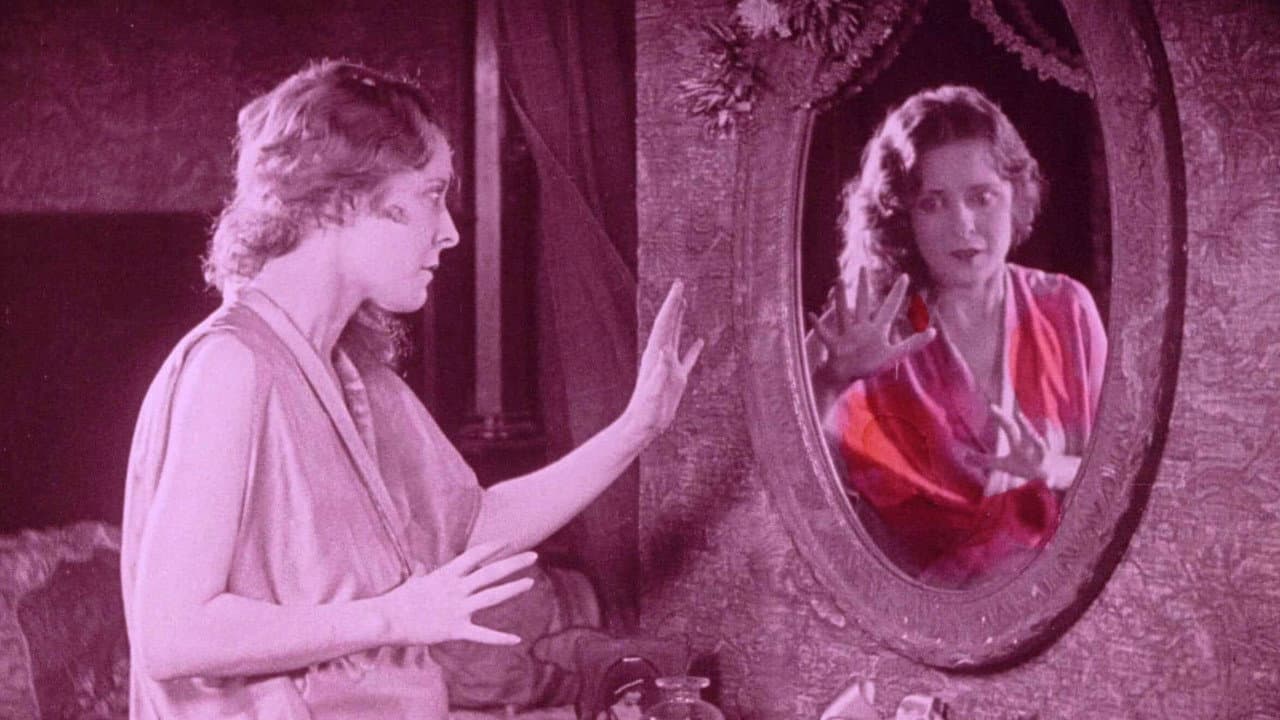
The Red Kimona tells the story of a woman left behind by the man she loved, facing a choice that's really no choice at all—survival through sex work becomes her only path forward. It's a film that doesn't shy away from the brutal economics of abandonment, the way poverty and heartbreak conspire to trap vulnerable people in cycles they can't escape. The narrative unfolds in 77 minutes of silent cinema, relying on title cards and performance to convey the emotional weight of a woman's descent and, crucially, her attempt to claw her way back toward dignity. What strikes you about the premise is how matter-of-fact it is: there's no melodrama in the setup, just the cold logic of desperation.
Behind the Making of The Red Kimona and Mrs. Wallace Reid's Bold Production
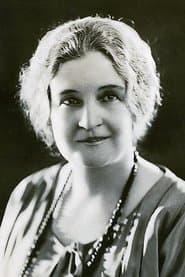
The Red Kimona emerged from Mrs. Wallace Reid Productions, a venture by the widow of silent film star Wallace Reid, who died in 1923 from a morphine addiction. Rather than retreat from public life, Mrs. Reid pivoted to producing—a gutsy move in an era when women behind the camera were rare. The film was released in 1925, right in the thick of the Jazz Age, when American cinema was grappling with how much social realism it could stomach. The official tagline promised audiences "You will get a thrill from Mrs. Wallace Reid's amazing story of the traffic in girls," which is marketing language that's simultaneously exploitative and oddly honest about the film's subject matter: human trafficking and forced prostitution weren't hidden problems in 1925, they were tabloid fodder. The production values reflect the mid-1920s aesthetic—clean cinematography, intertitles that do heavy lifting on exposition—but what's notable is that the film wasn't trying to be a prestige picture. It was a social-issue film designed to move audiences and, frankly, to sell tickets. The runtime of 77 minutes was standard for dramatic features of the era, long enough to develop character but short enough to hold attention before the rise of sound cinema changed everything.
What Makes The Red Kimona Stand Out as a Period Drama About Exploitation
What's striking about The Red Kimona, at least from the vantage point of contemporary viewers discovering it through streaming platforms, is how it refuses to prettify its subject. The woman at the center isn't a tragic heroine waiting for rescue by a noble man—she's someone who has to do the rescuing herself. That's a narrative choice that feels almost modern, even if the execution carries all the melodramatic conventions of silent film. The performances, anchored by the lead actress, communicate through gesture and expression in ways that feel remarkably direct; there's no winking at the audience, no moral finger-wagging from the film itself, just the presentation of circumstance and consequence. The film's engagement with the "traffic in girls"—a real social-reform movement of the 1910s and 1920s—gives it a documentary-adjacent quality, as if the filmmakers were trying to educate audiences about a systemic problem rather than just entertain them. Critics and film historians have noted that the movie sits in an uncomfortable space: it's exploitation cinema (selling tickets by promising thrills about vice) that's also genuinely concerned with social injustice. That contradiction is part of what makes it historically interesting. The IMDb rating of 5.75/10 likely reflects modern viewers encountering a silent film on its own terms—not everyone connects with the pacing or the performance style, but those who do often recognize the film's earnestness beneath the sensationalism.
Where to Stream The Red Kimona on Major OTT Services
The Red Kimona is available on major OTT services, and if you're hunting for it, the where-to-watch widget at the top of this page will show you exactly which platforms currently have it in their catalog. Streaming availability shifts—titles move between services, licensing deals expire and renew—so it's worth checking Movie OTT to confirm where it's streaming right now rather than assuming it's on the platform where you watched something similar last month. The film's status as a public-domain silent feature (or near-public-domain, depending on copyright claims) means it sometimes appears on unexpected services, including free ad-supported tiers and classic-film-focused streamers. If you're serious about silent cinema, it's the kind of title worth tracking down, even if it requires a quick search across your available subscriptions.
Frequently asked questions
Q: Who produced The Red Kimona?
Mrs. Wallace Reid Productions made the film. Mrs. Wallace Reid, widow of silent star Wallace Reid, launched her production company after her husband's death in 1923, and The Red Kimona was one of her notable projects.
Q: Is The Red Kimona based on a true story?
The film addresses the real social problem of human trafficking and forced prostitution that was widely documented and debated in the 1920s, though the specific narrative appears to be a dramatization rather than a direct adaptation of a particular case.
Q: How long is The Red Kimona?
The film runs 77 minutes, a standard length for dramatic features of the 1925 era.
Q: What's the IMDb rating for The Red Kimona?
It currently holds a 5.75/10 rating on IMDb, which reflects mixed responses from modern viewers encountering a silent film from the 1920s.
Q: Where can I watch The Red Kimona online?
The film is available on major OTT services. Check the where-to-watch widget on this page or search Movie OTT's platform tracker to see which services have it in your region right now.
Final Thoughts on The Red Kimona as Essential Silent Cinema
The Red Kimona isn't easy viewing, and it isn't meant to be. It's a film about suffering and survival, made by a woman who'd experienced her own share of tragedy, distributed in an era before the Motion Picture Production Code would have forced it into much softer territory. If you're interested in how cinema addressed social problems before the censorship apparatus tightened, or if you want to see what a woman producer was willing to stake her reputation on in the 1920s, this is worth your time. It's not perfect—the pacing will test modern viewers—but it's honest in a way that feels almost shocking for its age.