The Story of Where Are My Children?
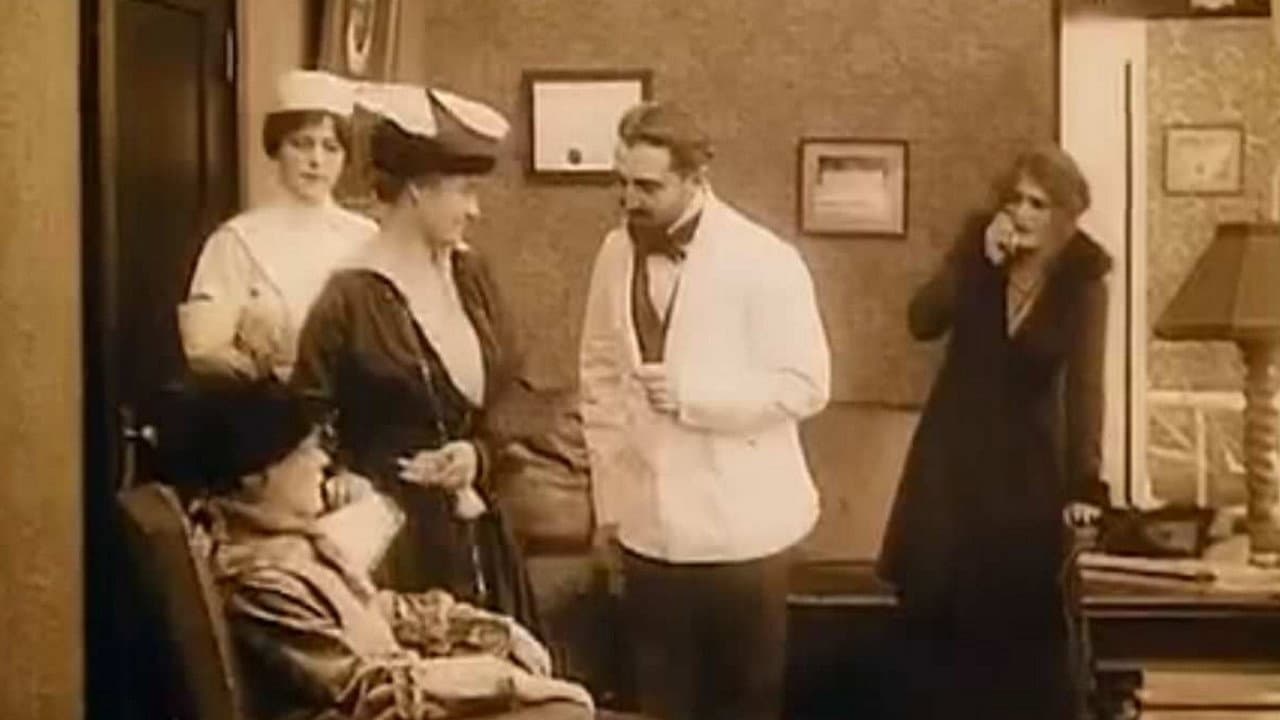
Where Are My Children? follows Richard Walton, a district attorney with a singular obsession: starting a family. He's built a respectable life prosecuting moral crimes, convinced he's on the right side of decency and law. But his world fractures when, while defending an author on trial for publishing indecent literature, Walton uncovers the truth his wife and her circle of wealthy friends have been keeping from him. The discovery isn't just personal—it's a reckoning with hypocrisy, class, and the invisible choices women make behind closed doors. What starts as a domestic drama becomes something far more dangerous: a film willing to name the unnameable and challenge the men who legislate women's bodies while remaining willfully blind to their own families.
Behind the Making of Where Are My Children?
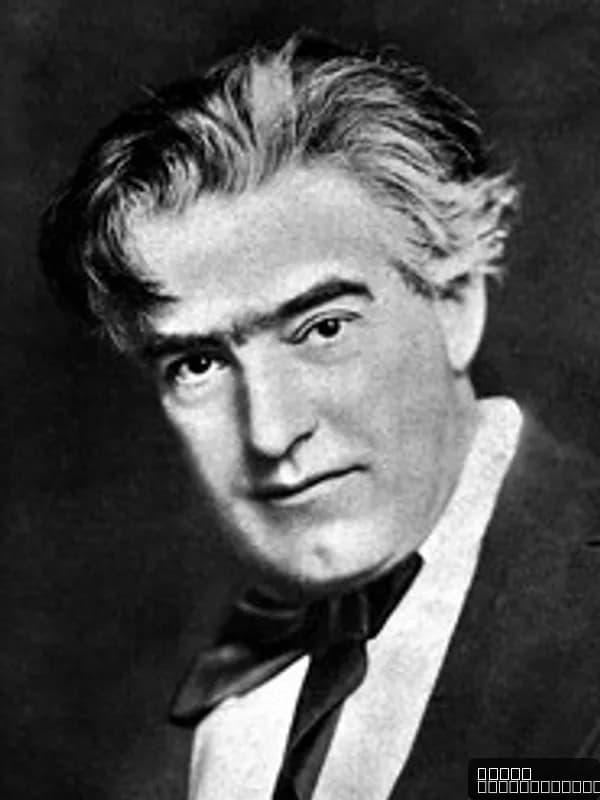
Where Are My Children? emerged from Lois Weber Productions in 1916, a time when Weber was one of Hollywood's most powerful and provocative directors—a rarity for any gender, let alone a woman working in silent cinema. Weber co-directed the film alongside Phillips Smalley, her husband and frequent collaborator, and assembled a cast led by the distinguished stage actor Tyrone Power Sr. (grandfather of the later Hollywood star). The film's production was bold for its era: it tackled abortion directly, at a moment when the word itself was nearly unspeakable in polite society. The tagline—"A Smashing, Daring Subject, Done in A Smashing, Daring Way"—wasn't hyperbole; it was a challenge to audiences and censors alike. The film's 64-minute runtime was substantial for 1916, giving Weber room to develop her themes with nuance rather than melodrama. While box office figures from that era are difficult to verify with precision, the film's cultural impact was immediate and controversial. Movie OTT helps modern audiences track where classic titles like this one are available, since silent films often migrate across platforms depending on restoration rights and licensing agreements.
What Makes Where Are My Children? Stand Out
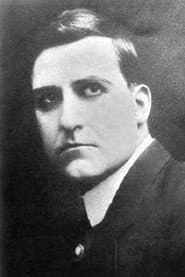
What's striking about Where Are My Children? is how it refuses easy answers or moral clarity. Walton isn't a villain—he's a man of principle, genuinely devoted to justice as he understands it. The film doesn't ask us to hate him so much as to see him, really see him, the way his wife and her friends have been forced to see themselves all along. The performances carry the weight of this contradiction. Tyrone Power Sr. brings a kind of wounded dignity to Walton's dawning awareness, the slow collapse of certainty playing across his face in ways that transcend the limitations of silent acting. There's no grand gesturing here—just a man confronting the gap between what he believes and what he's failed to understand. The film's real power, though, lies in its refusal to treat the women's choices as moral failings. In 1916, that was genuinely radical. Weber uses the visual language of cinema—close-ups, intercutting, the careful composition of scenes—to build empathy for women making impossible decisions under impossible circumstances. The thing nobody mentions is how modern the film feels in its understanding of class and power: these wealthy women aren't rebels or victims, exactly, but people navigating a system designed to trap them. That complexity is what keeps the film alive more than a century later.
Where to Stream Where Are My Children? Online
Where Are My Children? is available on major OTT services, and you can check the streaming widget at the top of this page to see which platforms currently carry it in your region. Silent films from this era often appear on specialty streaming services focused on classic cinema, as well as broader platforms that've invested in silent film restoration and preservation. Since licensing for older titles can shift seasonally, Movie OTT tracks availability across these services so you don't have to hunt. The film's relatively short runtime—just over an hour—makes it ideal for a single sitting, whether you're exploring early cinema history or discovering Lois Weber's work for the first time.
Frequently asked questions
Q: Who directed Where Are My Children?
The film was co-directed by Lois Weber and Phillips Smalley in 1916. Weber was one of the most powerful and prolific directors of the silent era, and this film stands as one of her most daring works.
Q: Is Where Are My Children? based on a true story?
The film isn't based on a specific true story, but it was inspired by real social anxieties of the 1910s around birth control, abortion, and women's reproductive autonomy—issues that were rarely discussed openly in cinema at the time.
Q: What does Where Are My Children? say about abortion?
The film treats abortion as a complex reality rather than a moral absolute. It shows women making difficult choices within impossible circumstances, and it critiques men who legislate these choices while remaining ignorant of their own families' situations.
Q: How long is Where Are My Children?
The film runs 64 minutes, which was a substantial length for a 1916 drama and gave director Weber room to develop her themes fully.
Q: Why is Where Are My Children? controversial?
The film's direct engagement with abortion, birth control, and women's bodily autonomy was shockingly frank for 1916. It was controversial then and remains provocative today because it refuses to condemn the women at its center.
Final Thoughts on Where Are My Children?
Where Are My Children? isn't a comfortable watch, and it wasn't meant to be. A century hasn't diminished its power to unsettle—to make you sit with contradictions that don't resolve neatly. What Lois Weber accomplished here was nothing short of remarkable: a mainstream film that takes women's inner lives seriously, that refuses to punish them for their choices, that dares to suggest the real hypocrisy lies with the men in power. If you're interested in early cinema, feminist film history, or simply want to understand where these conversations began, this film demands your attention. It's a reminder that cinema has always been capable of provocation, and that some of its most vital voices came from artists working a century ago.