What The Return of the Musketeers is About
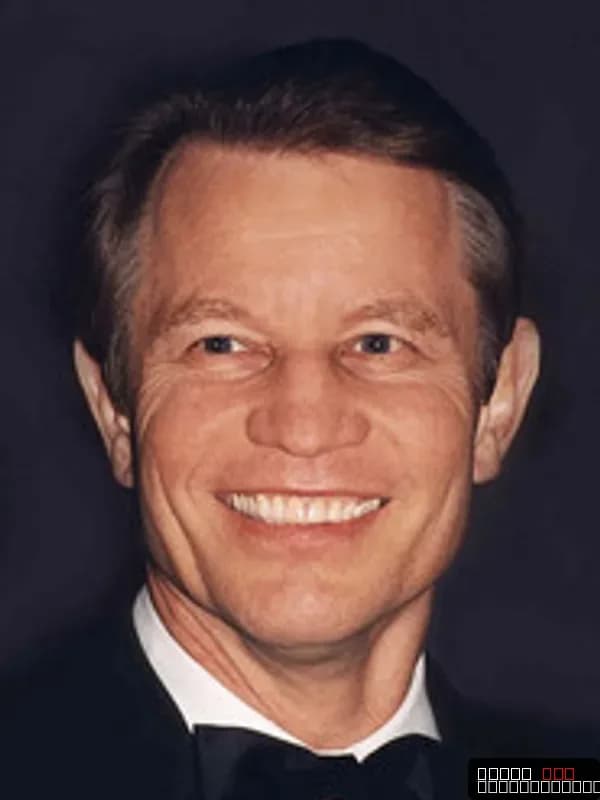
The story of The Return of the Musketeers picks up twenty years after Milady de Winter's demise, a span of time that's aged our heroes in ways both visible and invisible. Michael York's d'Artagnan, now graying and weathered, must convince his old companions—Athos, Porthos, and Aramis—to dust off their swords one final time. The threat? Cardinal Mazarin's scheming against Queen Anne, a plot that demands the old guard ride back into danger. It's not a straightforward rescue mission; there's real reluctance here, real exhaustion, and that's what makes the setup compelling. These aren't eager young blades anymore—they're men being called back to a life they thought they'd left behind.
Behind the Making of The Return of the Musketeers
Richard Lester, the director behind the beloved 1973 and 1974 Musketeers films, returned for this third outing with a screenplay by George MacDonald Fraser, the same writer who'd penned the earlier adaptations. Fraser's script draws from Alexandre Dumas's 1845 novel Twenty Years After, a source text that gave Lester plenty of material to work with—though the film takes considerable liberties with Dumas's sprawling narrative. The production itself was a European affair, shot across France, Spain, and the United Kingdom, which lent the film a certain continental authenticity that Hollywood backlots couldn't quite replicate.
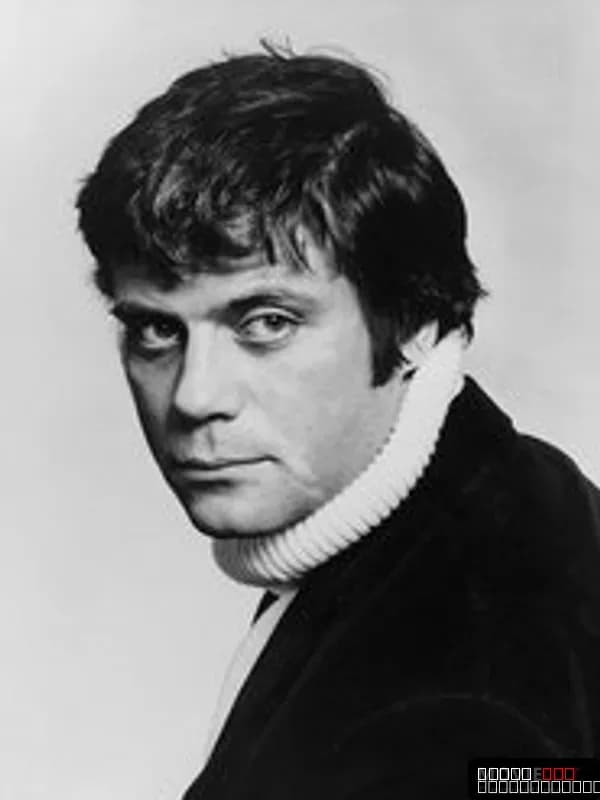
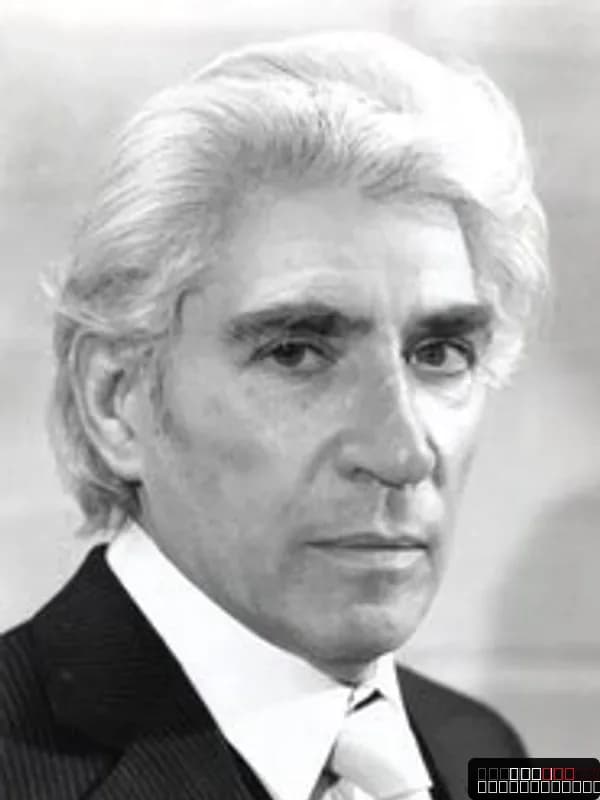
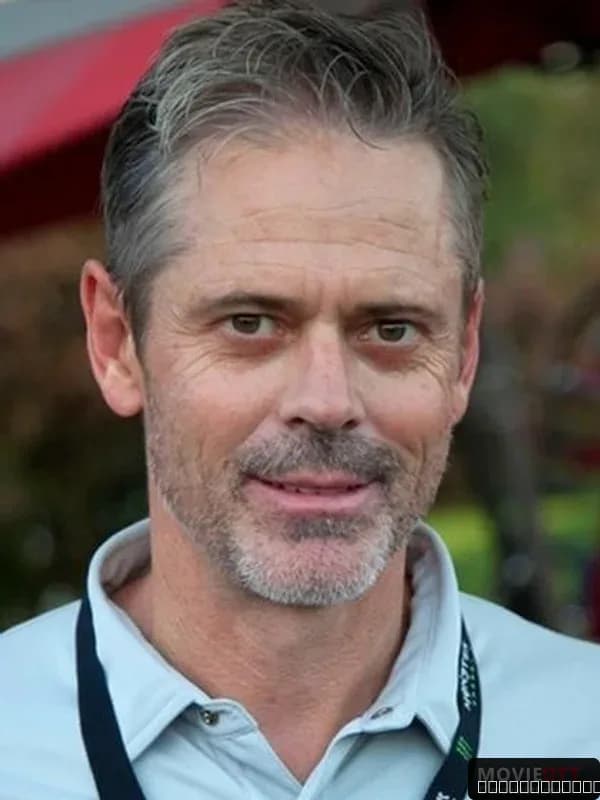
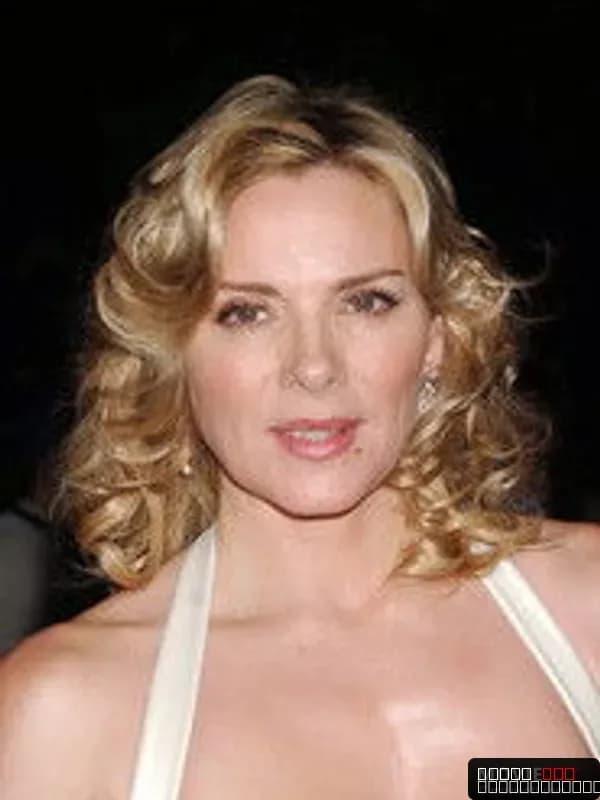
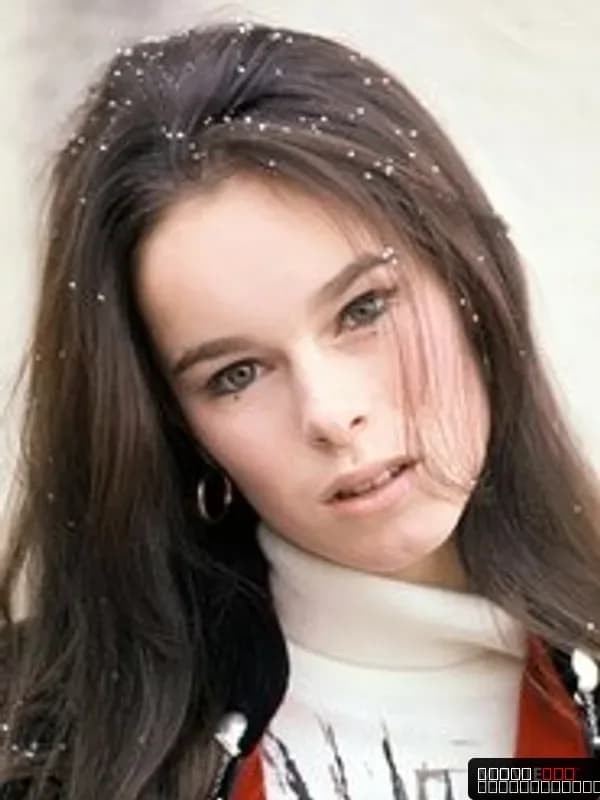
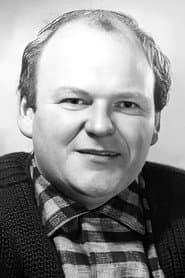
What's striking about the casting is the commitment to continuity. Michael York, Oliver Reed, Frank Finlay, and Roy Kinnear all returned to their original roles, a rare feat in 1989 when sequels often shuffled ensembles around for star power or budget reasons. York was in his mid-fifties by then; Reed, Finlay, and Kinnear were all in their sixties or approaching it. Rather than hide this, Lester leaned into it—these aren't the same men who swung from chandeliers in the '70s. The film also brought in C. Thomas Howell and Kim Cattrall as younger blood, adding a generational dynamic that gave the narrative unexpected weight. Though the film didn't achieve blockbuster status at the box office, it found an audience among adventure fans and Dumas enthusiasts who appreciated Lester's willingness to treat aging heroes seriously. The film earned a PG rating, keeping it accessible to family audiences while maintaining the swashbuckling action sequences the series was known for.
What Makes The Return of the Musketeers Stand Out
The performances that anchor The Return of the Musketeers are its greatest asset. Oliver Reed, in particular, brings a gravelly melancholy to Athos—there's a weariness in his voice and posture that suggests a man who's seen too much, loved too much, and lost too much. When d'Artagnan first finds him, Reed's Athos is living like a hermit, and you believe it. That's not theatrical; that's a choice the actor made to ground the character in genuine emotion. Michael York, meanwhile, carries the film with an ease born from having played d'Artagnan before; he doesn't need to prove anything, so he's free to explore the character's uncertainty and regret. The dynamic between the four musketeers—their banter, their silences, their moments of remembrance—gives the film a texture that pure action would've missed.
Lester's direction favors character moments over spectacle, which is either the film's greatest strength or its biggest flaw, depending on what you wanted from a Musketeers sequel. There's a famous scene early on where the musketeers reunite and simply talk—no grand orchestral swell, no sweeping camera moves, just men in a room remembering who they were. That restraint is admirable, though I suspect some viewers came for sword fights and left disappointed by the emphasis on melancholy reflection. The action sequences that do arrive are competently staged, never sloppy, but they lack the kinetic energy of Lester's earlier work. Still, on Rotten Tomatoes the film holds a respectable 60% Fresh rating, suggesting critics found enough merit in its character-driven approach to balance the slower pacing. The IMDb score of 5.9 out of 10 tells a different story—audiences were more divided, which makes sense for a film that asks viewers to sit with aging heroes wrestling with regret rather than simply cheering them on.
Where to Stream The Return of the Musketeers Online
The Return of the Musketeers is currently available to stream on Prime Video, where you can rent or purchase the film depending on your preference. If you're tracking where this title and similar adventure films are available, Movie OTT maintains an up-to-date database of streaming platforms, making it easy to find what you're looking for without bouncing between a dozen different services. The film's 102-minute runtime makes it a manageable evening watch—long enough to breathe, short enough not to overstay its welcome. Check the Where to Watch widget at the top of this page for current availability in your region, as streaming rights shift frequently.
Frequently asked questions
Q: Who directed The Return of the Musketeers?
Richard Lester directed the film, marking his third Musketeers adaptation after the 1973 and 1974 films. Lester brought the same visual sensibility and character focus to this sequel that had defined his earlier work in the franchise.
Q: Is The Return of the Musketeers based on a true story?
No, it's a fictional adventure film based on Alexandre Dumas's 1845 novel Twenty Years After. While Dumas drew inspiration from historical figures and periods, the plot is entirely imagined.
Q: What's the age difference between The Return of the Musketeers and the original films?
The original The Three Musketeers came out in 1973, making this sequel sixteen years later in 1989. The film itself is set twenty years after the events of the earlier stories.
Q: Is The Return of the Musketeers appropriate for kids?
Yes, the film is rated PG, so it's suitable for most family audiences, though younger children might find the pacing slow compared to modern action films.
Q: Who plays d'Artagnan in The Return of the Musketeers?
Michael York reprises his iconic role as d'Artagnan, alongside Oliver Reed, Frank Finlay, and Roy Kinnear as the original three musketeers.
Final Thoughts on The Return of the Musketeers
The Return of the Musketeers isn't the adventure film everyone expected—it's something quieter and more introspective. If you're looking for pure swashbuckling thrills, you might find it slow. But if you're willing to meet Lester halfway, you'll discover a film genuinely interested in what happens to heroes when the adventure ends. It's a film about age, regret, and the pull of duty. That's not nothing.