Actor
Geraldine Chaplin
11 films on Movie OTT · Active 1965–2018
Geraldine Chaplin was born on July 31, 1944, in Santa Monica, California, carrying one of cinema's most recognizable surnames into a career she would ultimately define on her own terms. The eldest daughter of Charlie Chaplin and Oona O'Neill, she grew up largely in Europe after her family relocated to Switzerland in the early 1950s, an upbringing that gave her a fluency across languages and cultures that would later shape her range as a performer. Trained in ballet at the Royal Ballet School in London, she pivoted toward acting in the early 1960s and has since built one of the more quietly sustained careers in international film, working across Hollywood productions, European art cinema, and Spanish-language film with equal credibility.
About Geraldine Chaplin
Geraldine Chaplin was born on July 31, 1944, in Santa Monica, California, carrying one of cinema's most recognizable surnames into a career she would ultimately define on her own terms. The eldest daughter of Charlie Chaplin and Oona O'Neill, she grew up largely in Europe after her family relocated to Switzerland in the early 1950s, an upbringing that gave her a fluency across languages and cultures that would later shape her range as a performer. Trained in ballet at the Royal Ballet School in London, she pivoted toward acting in the early 1960s and has since built one of the more quietly sustained careers in international film, working across Hollywood productions, European art cinema, and Spanish-language film with equal credibility.
Her breakthrough arrived through her collaboration with Spanish director Carlos Saura, whose films she appeared in throughout the late 1960s and 1970s. That partnership produced some of her most demanding work, rooted in the political and psychological tensions of Franco-era Spain, and it established her as an actress willing to operate in morally ambiguous, formally unconventional material. Around the same time, her performance in David Lean's Doctor Zhivago in 1965 introduced her to global audiences in a role that required her to hold the screen against one of the most expensive productions of the decade. She did. Tonya Gromeko was not a passive figure in her hands, and that performance remains a reference point for how she handles emotional restraint under pressure.
The 1970s expanded her reach considerably. Robert Altman cast her in Nashville in 1975, and her work there — playing a BBC journalist whose detachment slowly gives way to something more unsettled — fit precisely into Altman's overlapping, ensemble-driven method. She was one of the few performers in that film who could match its improvisational texture without disappearing into it. This decade also saw her working with Alan Rudolph, whose approach to character and atmosphere shared something with Altman's but carried its own quieter, more melancholy register. Welcome to L.A., the 1976 Rudolph film in which she appeared, belongs to that particular strain of 1970s American cinema preoccupied with drift, disconnection, and the emotional costs of proximity without intimacy. Her presence in that film is consistent with the kind of roles she sought during this period — people who observe as much as they act, who carry history in their posture.
Her career after the 1970s continued across a wide range of productions and national cinemas. She returned repeatedly to Spanish film, appeared in genre work and literary adaptations, and took on supporting roles in larger productions without retreating from the character-driven material that had defined her earlier years. She brought the same quality to smaller parts that she brought to leads — a sense that the character exists beyond the edges of the frame. Welcome to L.A. stands as one of the cleaner examples of how she functioned within ensemble work of that era, contributing to the film's overall texture rather than pulling focus toward a single performance arc.
Today Geraldine Chaplin occupies a position in film history that spans several distinct movements — the international prestige cinema of the 1960s, the American New Wave of the 1970s, and the Spanish art film tradition that runs from Saura through to more recent generations of filmmakers. She has worked with enough major directors across enough decades that her filmography reads less like a single career trajectory and more like a record of where serious cinema was at any given moment. That consistency, maintained across more than six decades, is its own kind of statement.
Currently streaming
3 of 11 on platformsFilmography
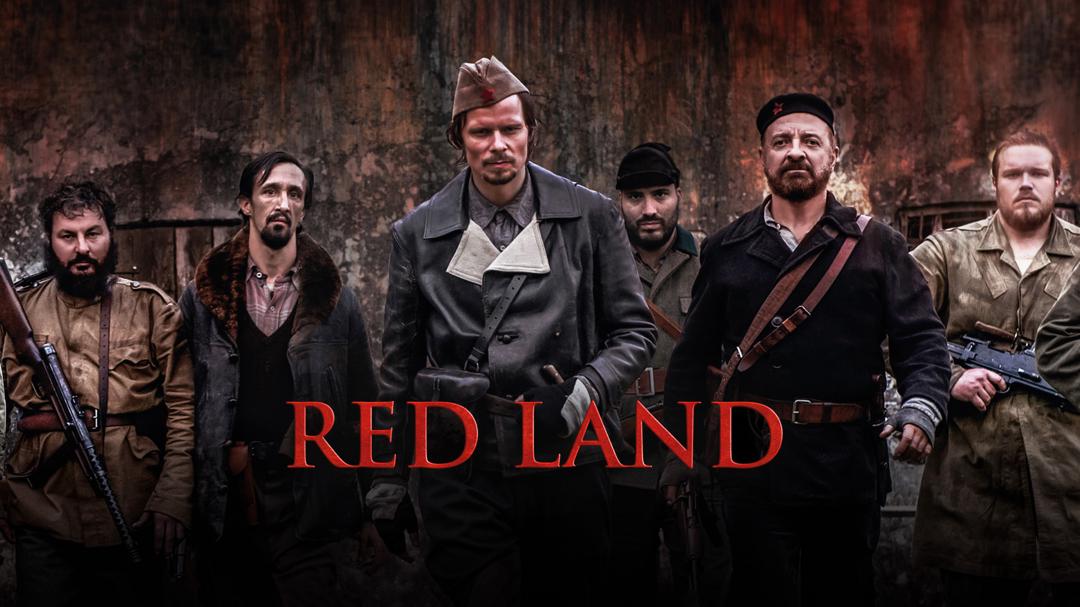
Red Land
2018 · Cast
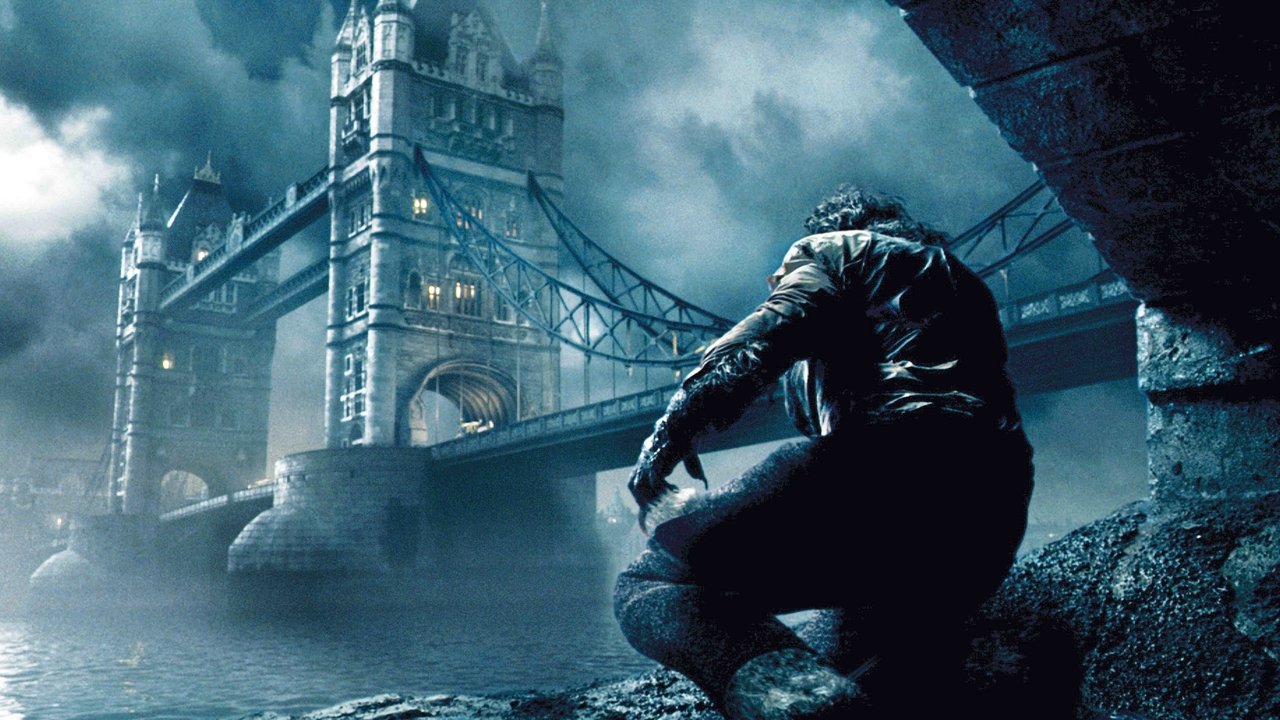
The Wolfman
2010 · Maleva

Tell Me About Love
2008 · Amelie
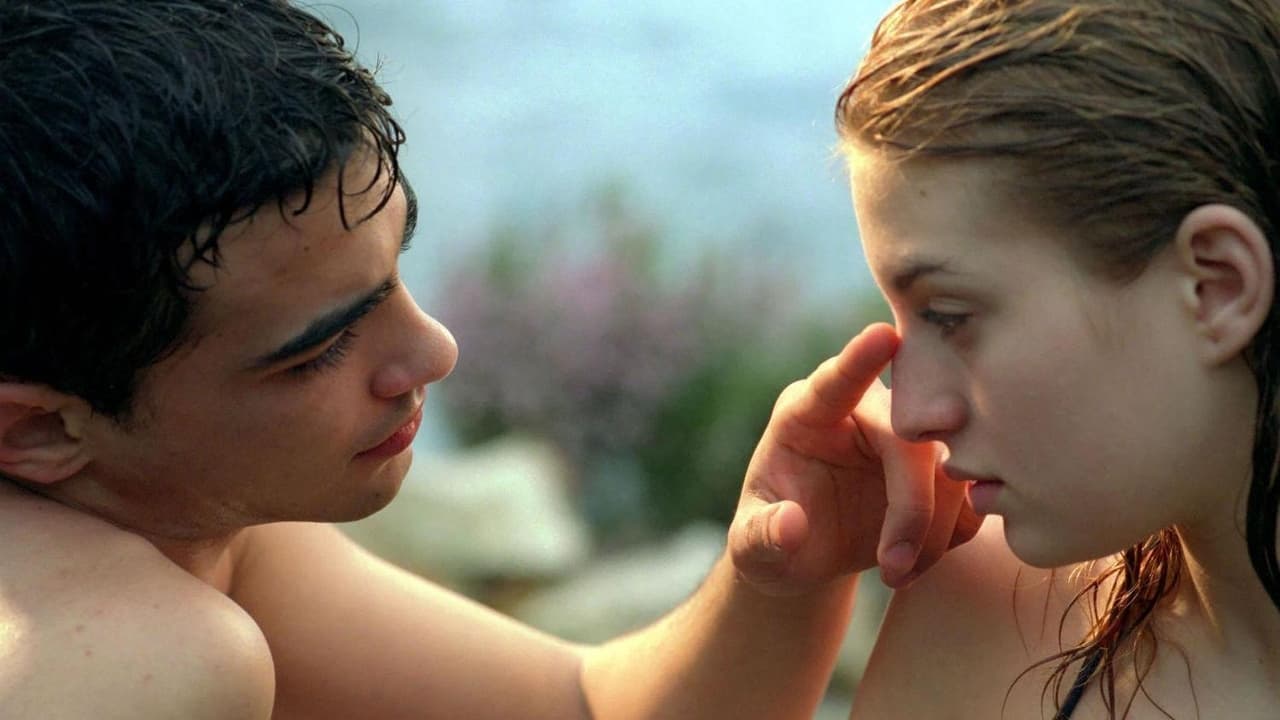
Melissa P.
2005 · Nonna Elvira
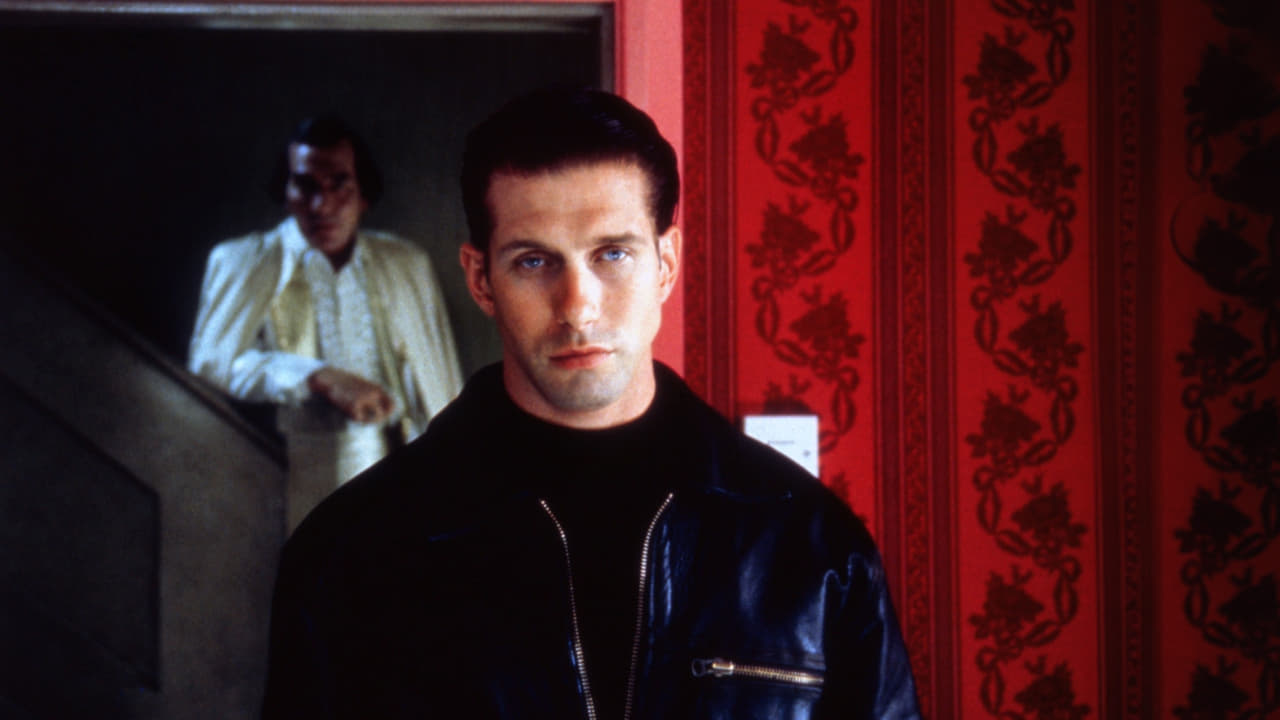
Crimetime
1996 · Thelma
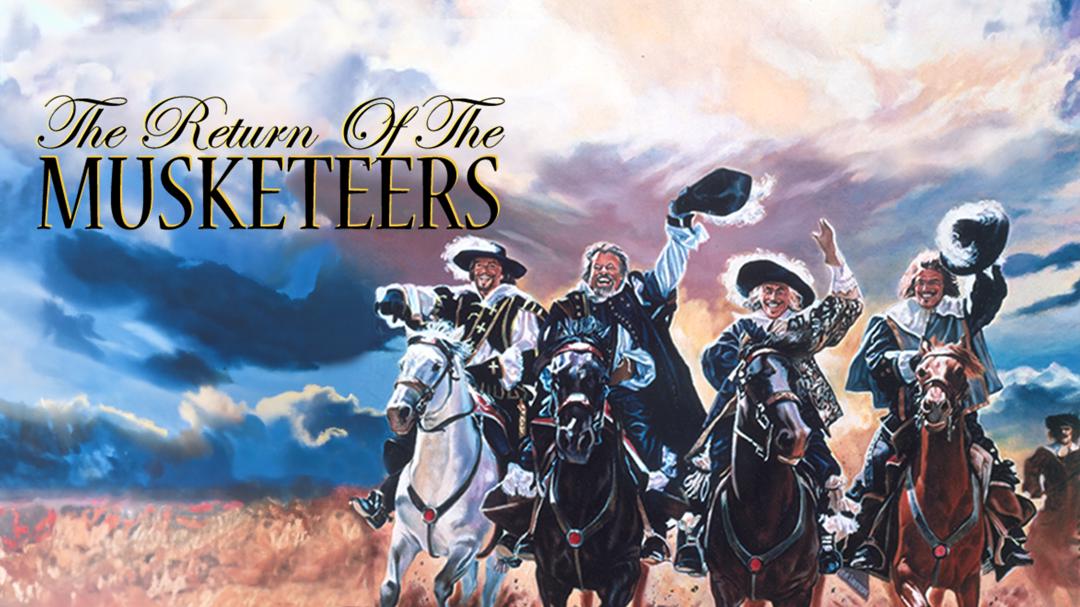
The Return of the Musketeers
1989 · Cast
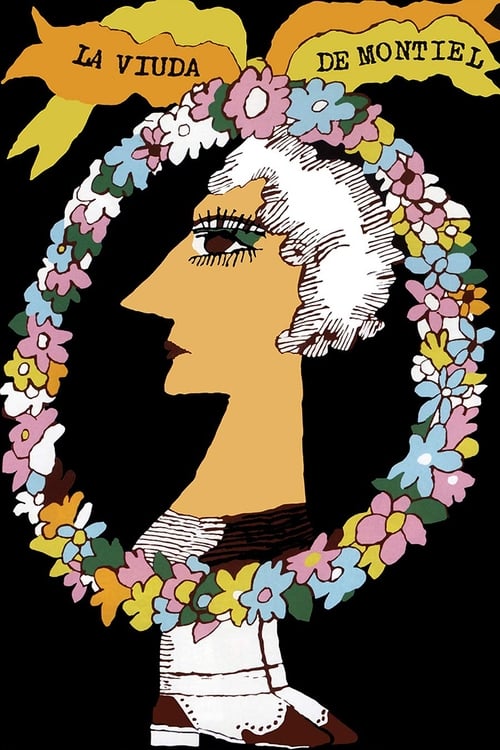
The Widow of Montiel
1979 · Adelaida Montiel
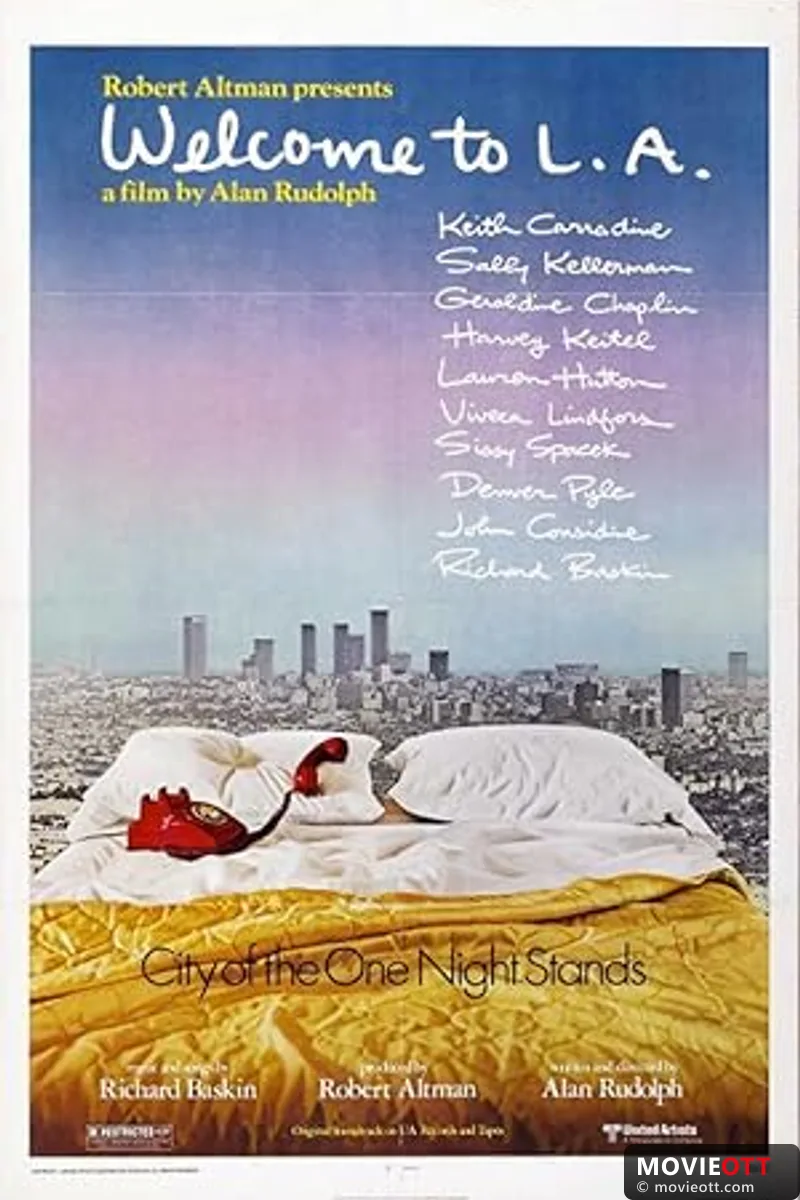
Welcome to L.A.: Exploring 1970s Melancholy
1976 · Cast
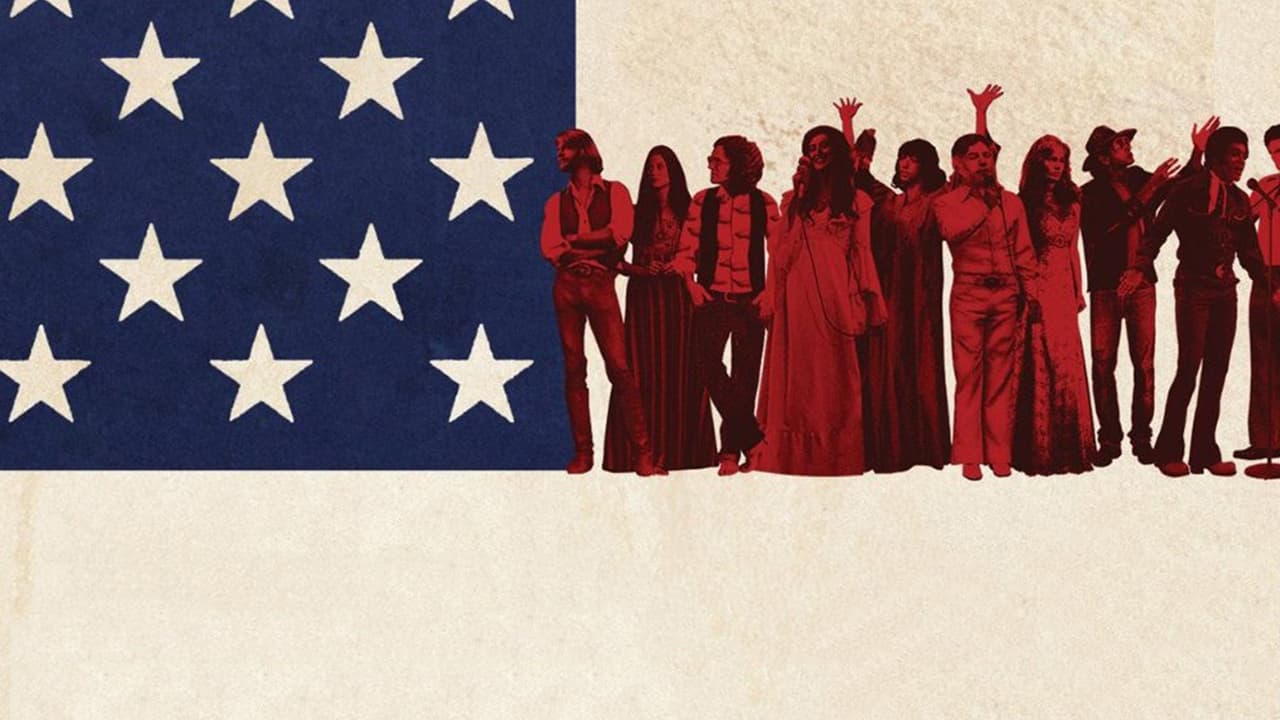
Nashville
1975 · Opal
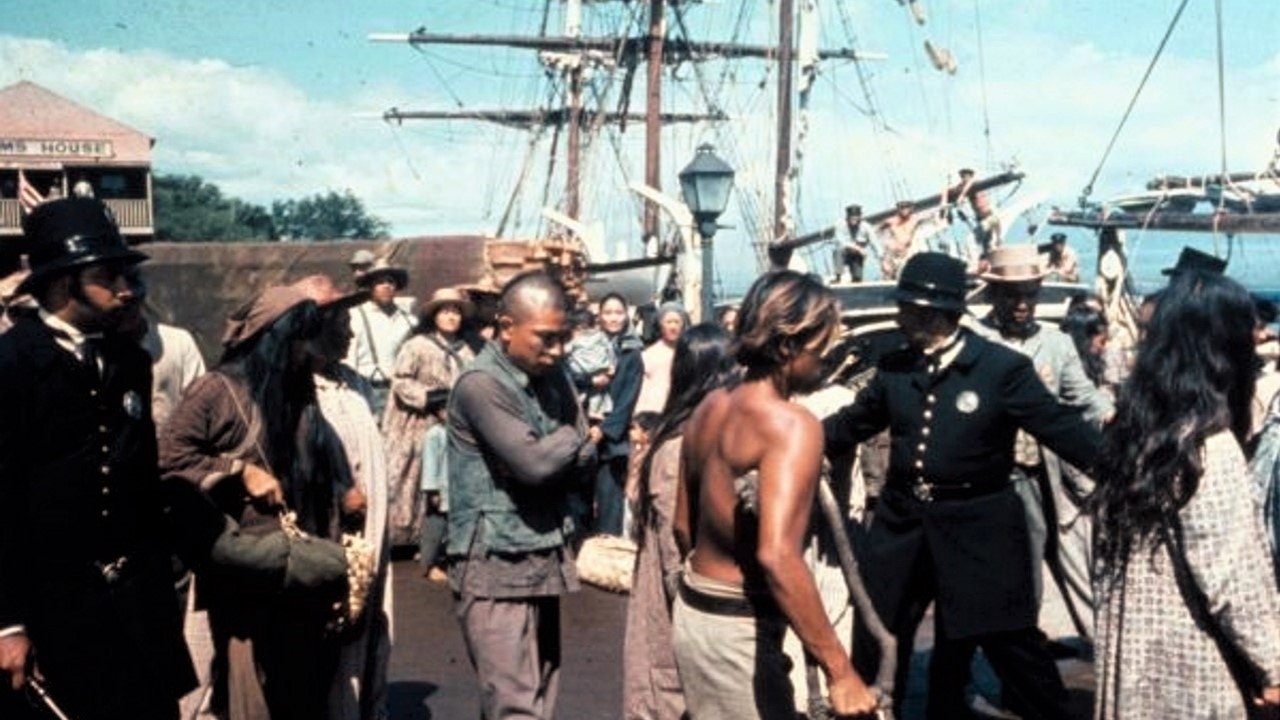
The Hawaiians
1970 · Purity Hoxworth
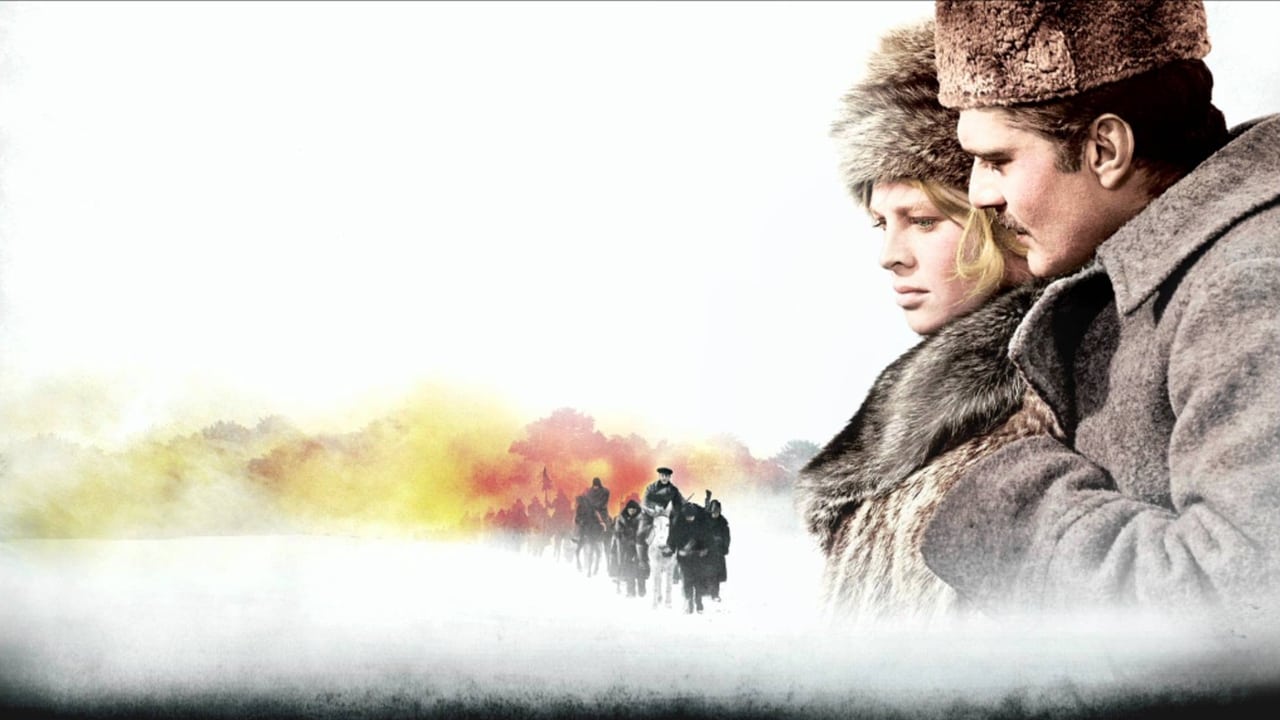
Doctor Zhivago
1965 · Tonya Gromeko
Frequently asked questions
When and where was Geraldine Chaplin born?
Geraldine Chaplin was born 1944-07-31 in Santa Monica, California, USA.
What films is Geraldine Chaplin known for?
Geraldine Chaplin has 11 titles indexed on Movie OTT, including Red Land, The Wolfman, Tell Me About Love.
Where can I watch Geraldine Chaplin's films?
3 of Geraldine Chaplin's films are currently streaming, available on Prime Video.
How long has Geraldine Chaplin been active?
Geraldine Chaplin's film career on Movie OTT spans from 1965 to 2018 — 53 years of work.