The Story of The Rhythm Section
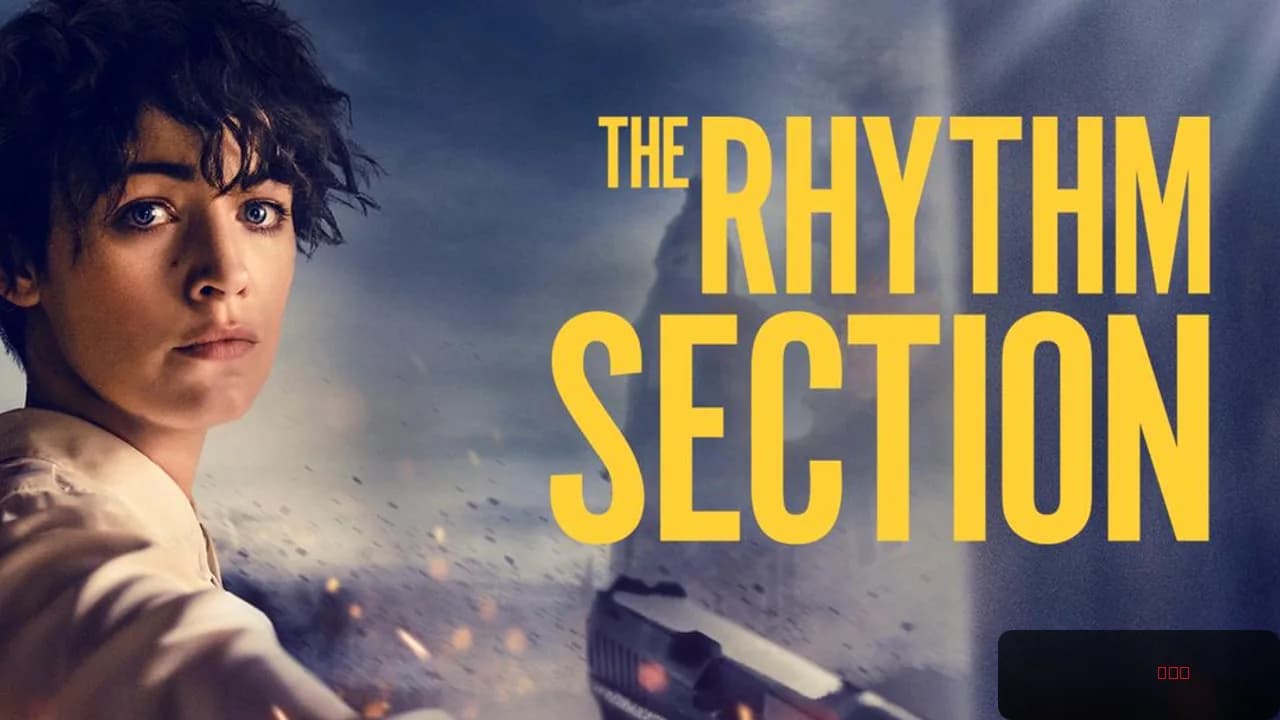
When a plane crash kills her family, Stephanie Patrick believes it's a tragic accident—until she learns the truth. The crash wasn't random; it was a targeted terrorist attack. That revelation transforms her from a grieving woman into something far more dangerous: a woman with nothing left to lose and a clear target in her sights. The Rhythm Section follows Stephanie's descent into the world of espionage and revenge, where she'll need to become an assassin to take down those responsible. Director Reed Morano's 2020 film, based on Mark Burnell's novel of the same name, builds its entire foundation on this premise—a woman's metamorphosis from victim to hunter, and whether that transformation can feel believable on screen.
Behind the Making of The Rhythm Section
The Rhythm Section arrived with serious pedigree behind it. The film was produced by the same company responsible for the James Bond franchise, which immediately signaled ambitions toward the spy-thriller space. Blake Lively, fresh off her success in other ventures, took the lead role, while Jude Law and Sterling K. Brown rounded out a cast that looked solid on paper. The production, however, hit turbulence—literally and figuratively. Lively suffered an on-set injury during filming, which delayed the project significantly. The film was originally scheduled for release in 2019, but the injury pushed it back, and then again to February 2020, a month not traditionally known for launching major action tentpoles. That timing would prove consequential. When The Rhythm Section opened, it set an unfortunate record: the worst opening weekend for a wide theatrical release in box office history. The film earned just $6.8 million domestically in its opening frame, a stunning underperformance that overshadowed any critical conversation about the film itself. The 109-minute runtime spans a complete narrative arc, and while the production design and action choreography showed ambition, the box office result made it clear audiences weren't convinced.
What Makes Blake Lively's Performance Stand Out
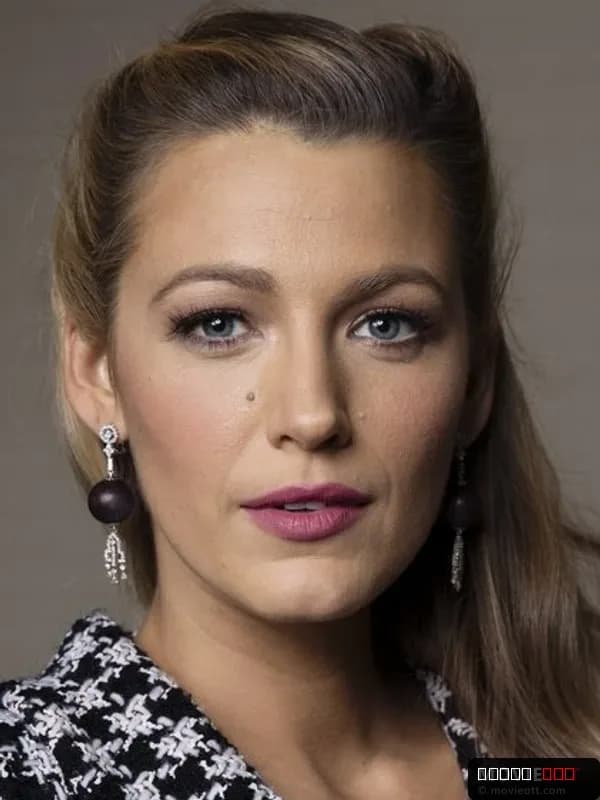
What's striking is how much of the film rests on Lively's shoulders—and that's both its strength and its challenge. She commits fully to the role of Stephanie, moving from vulnerability to cold efficiency as the character hardens through her journey. The action sequences themselves, particularly a car chase filmed in what reviewers noted as a one-shot style, demonstrate that the filmmakers weren't cutting corners on the technical side. The stunts work. The choreography works. What's harder to pin down is whether the character's emotional arc—the psychological toll of becoming an assassin, the moral cost of revenge—lands with the weight it deserves. Movie OTT tracks where films like this currently stream, and user reviews suggest that while Lively's commitment is evident and some of the action beats impress, the overall package can feel uneven. Jude Law brings a seasoned presence as her handler and mentor, and Sterling K. Brown adds gravitas to the supporting cast, but they're working within a framework that critics found serviceable rather than transcendent. The film sits at a 5.4/10 on IMDb—respectable enough, but hardly a ringing endorsement—and the consensus seems to be that The Rhythm Section is watchable without being memorable.
Where to Stream The Rhythm Section Online
If you're looking to catch The Rhythm Section, you'll find it available on Prime Video. The film works well as a streaming experience—it's the kind of thriller that doesn't require a theatrical canvas to land its punches, and watching it at home removes some of the pressure of the theatrical experience. The 109-minute runtime means it won't demand a huge time commitment, and for those interested in spy thrillers or Blake Lively's action work, it's worth a weekend browse. Check the where-to-watch widget at the top of this page for current availability and any regional restrictions that might apply to your location.
Frequently asked questions
Q: Is The Rhythm Section based on a true story?
No, it's not based on real events, but it is based on Mark Burnell's novel of the same name. Burnell also wrote the screenplay, so the adaptation came directly from the source material's creator.
Q: Who directed The Rhythm Section?
Reed Morano directed the film. She's known for her work in television and brings a cinematic eye to the action sequences, though the film's overall reception was mixed.
Q: What is The Rhythm Section rated?
The film carries an R rating, appropriate for its violence, language, and some sexual content—standard fare for the spy-thriller genre.
Q: How long is The Rhythm Section?
The film runs 109 minutes, making it a fairly standard length for action thrillers. It's long enough to develop its story without overstaying its welcome.
Q: Why did The Rhythm Section have such a poor box office opening?
Several factors contributed: the production delays caused by Blake Lively's on-set injury, the February release date (historically weak for action films), and ultimately, audience indifference. The film simply didn't connect with moviegoers despite its pedigree and cast.
Final Thoughts on The Rhythm Section
The Rhythm Section is a film caught between ambition and execution. It's not bad—the action works, the performances are committed, and there's real craft on display. But it's also not quite compelling enough to overcome its premise, which relies heavily on whether you buy Stephanie's transformation as emotionally resonant rather than just mechanically satisfying. If you're a fan of spy thrillers, Blake Lively, or just looking for a solid way to spend an evening on a streaming platform, it's worth your time. Just don't expect it to stick with you long after the credits roll. Sometimes a film is exactly what it is: a serviceable thriller that'll pass the time, nothing more.