







The Story of The Right to Love
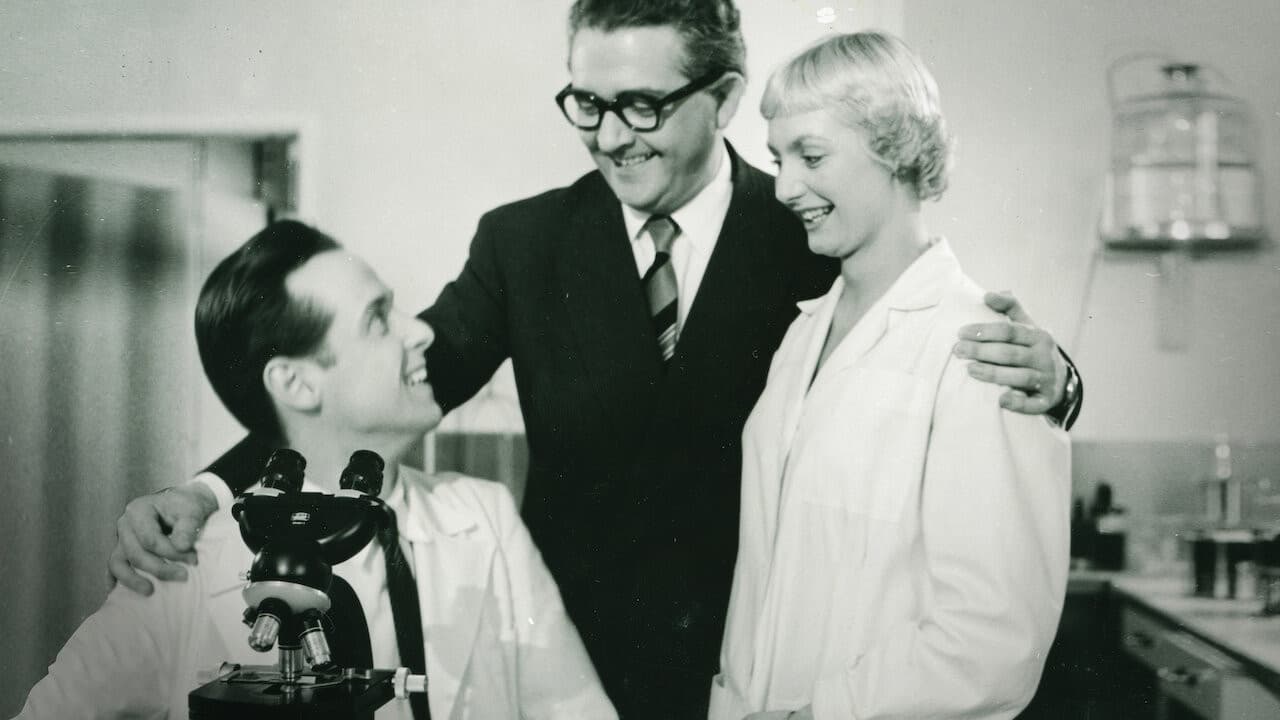
The Right to Love opens on a deceptively simple premise: a professor stands firmly behind his modern convictions about sexual education and free love — the kind of progressive thinking that would've raised eyebrows across 1950s Europe. But ideology and reality don't always align. When his daughter decides she wants an abortion, that gap between principle and practice becomes impossible to ignore. It's the kind of conflict that doesn't resolve neatly, and the film doesn't pretend it will. What unfolds is a portrait of a family fractured by the very ideals meant to liberate them, raising uncomfortable questions about whether we're truly prepared to live by what we preach.
Behind the Making of The Right to Love
The Right to Love arrived in 1956 from Europa Film, a production company that wasn't afraid to tackle controversial material during a period when abortion was rarely discussed openly in cinema, let alone depicted as a central narrative concern. At 79 minutes, the film moves with the efficiency of mid-century European drama — no wasted scenes, no melodramatic padding. The picture carried an IMDb rating of 6/10, a score that reflects its uncompromising approach to subject matter that audiences then (and arguably now) found uncomfortable to confront directly.
The film's production came at a moment when European cinema was beginning to push against the constraints that had governed storytelling in the immediate postwar years. Directors and producers were testing boundaries, asking whether film could address sexual morality, reproductive choice, and family conflict with something approaching honesty. Europa Film's willingness to greenlight this project signals a studio willing to bet on art over commercial safety. The cast and crew brought the kind of commitment you'd expect from a project that knew it was wading into contested territory — not shouting about it, but simply refusing to look away.
What Makes The Right to Love Stand Out
There's something quietly radical about The Right to Love that doesn't announce itself with dramatic flourishes. The film's power lies in its refusal to let anyone off the hook — not the father clinging to his progressive identity, not the daughter asserting her autonomy, not the institutions and social pressures that box everyone in. What's striking is how the drama emerges not from plot twists but from the collision of sincerely held beliefs meeting the weight of actual consequences.
The performances anchor everything. You can sense the tension in every conversation, the way characters talk past each other even when they're using the language of liberation. It's not flashy acting — it's the kind of work that trusts the material and trusts the viewer to catch the subtext. The film doesn't judge its characters so much as it watches them judge themselves, which is far more uncomfortable. The father's realization that his daughter isn't asking for permission but announcing a decision — that moment carries a sting because we've watched him believe his own rhetoric about freedom, only to discover he meant it conditionally. That contradiction, that very human gap between what we claim to believe and what we're willing to accept, is what makes this drama endure.
Where to Stream The Right to Love Online
The Right to Love is available across major OTT services, and Movie OTT tracks current streaming availability so you don't have to hunt across multiple platforms. Whether you're subscribed to the usual suspects or looking to fill a gap in your watchlist, the Where to Watch widget at the top of this page will show you exactly where you can access the film right now. Streaming catalogs shift constantly, so checking that widget before you settle in is the smart move — Movie OTT keeps those listings updated so you're never stuck staring at a "not available in your region" message.
Frequently asked questions
Q: What year was The Right to Love released?
The Right to Love premiered in 1956, a time when most mainstream cinema steered clear of abortion as a subject. Its willingness to engage with the topic directly was genuinely unusual for the era.
Q: How long is The Right to Love?
The film runs 79 minutes, a lean runtime that keeps the emotional pressure consistent without overstaying its welcome.
Q: Who produced The Right to Love?
Europa Film produced the picture, a company that showed real courage in backing a drama centered on such fraught subject matter during the 1950s.
Q: Is The Right to Love based on a true story?
The film isn't based on a specific documented case, but rather explores the collision between progressive ideology and personal crisis — a tension that's played out in countless families across generations and cultures.
Q: What's the IMDb rating for The Right to Love?
The film holds a 6/10 rating on IMDb, a score that reflects its challenging material and uncompromising approach to a subject many viewers found (and still find) difficult to engage with directly.
Final Thoughts on The Right to Love
The Right to Love isn't the kind of film that leaves you feeling resolved or satisfied — and that's precisely the point. It's a film about the gap between what we say we believe and what we're actually willing to live with, and that gap doesn't close by the final frame. If you're looking for something that challenges rather than comforts, that asks questions instead of providing answers, this 1956 drama deserves your time. It won't be easy, but it'll stay with you.