

The story of The Round Up and the Vel' d'Hiv Roundup
Roselyne Bosch's The Round Up (2010) centers on one of occupied France's darkest chapters: the arrest of over 13,000 Jews by French police in July 1942, a tragedy that's often been overshadowed by larger narratives of World War II. The film doesn't approach this history as an abstraction or a footnote. Instead, it follows the perspective of a young Jewish boy caught in the machinery of the roundup, watching as his world collapses in real time. Through his eyes—and those of the adults trying to protect him—we witness both the bureaucratic horror of state-sanctioned persecution and the small, desperate acts of resistance that emerge when ordinary people face extraordinary moral tests. It's a story about complicity, courage, and the fragility of safety in a time when the law itself became a weapon.
Behind the making of The Round Up and its cast ensemble
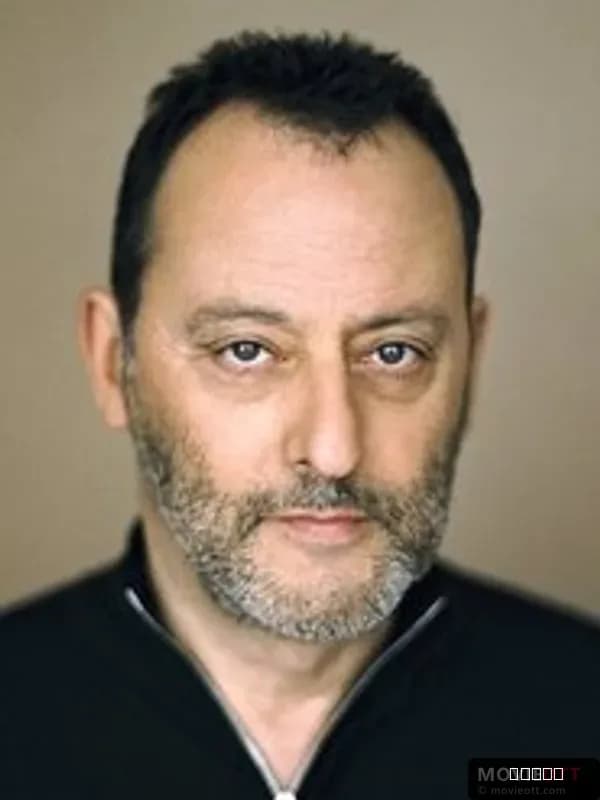
Bosch, who wrote and directed the film, brought together a formidable French-German-Hungarian co-production that treated the subject with the gravity it deserves. The ensemble cast reflects the caliber of talent the project attracted: Mélanie Laurent, known for her work in Inglourious Basterds, anchors the emotional core of the narrative, while Jean Reno—a veteran of countless French and international productions—brings gravitas to a role that demands both restraint and raw humanity. Gad Elmaleh, Sylvie Testud, and Raphaëlle Agogué round out a lineup of actors who've each carved out serious dramatic credentials. The 115-minute runtime gives Bosch enough space to develop character and context without padding the narrative, a balance that matters when dealing with historical trauma. The film premiered at festivals and found distribution across Europe, though it never achieved the mainstream box-office penetration of some Holocaust-adjacent dramas. Still, it earned recognition in festival circuits and among critics who valued its refusal to sentimentalize or simplify its subject matter. Those interested in exploring how streaming platforms currently carry this title can check the Where to Watch widget at the top of this page.
What makes The Round Up stand out in Holocaust cinema
What's striking about The Round Up is that it doesn't position itself as a redemption narrative or a story about exceptional heroism—though heroism does appear, quietly and without fanfare. Instead, Bosch seems interested in the texture of complicity: how ordinary administrators, police officers, and functionaries became instruments of genocide, and how ordinary citizens either enabled or resisted that machinery. The performances don't rely on grand dramatic gestures. Laurent's work, in particular, carries an understated intensity—you see her thinking through impossible choices, calculating risks, holding herself together when everything's coming apart. Jean Reno, playing a character caught between duty and conscience, brings a weathered dignity that suggests a man who knows exactly what he's doing and hates himself for it. The thing nobody mentions is how the film's visual language—a kind of muted, naturalistic palette—actually heightens the horror. There's no melodramatic swelling score or lingering close-ups designed to wring tears. The terror is in the ordinary: a knock on the door, a child's confusion, the sight of families being separated. Critics on Movie OTT and elsewhere have noted that this restraint is precisely what makes the film's impact so durable. It trusts the audience to understand the weight of what's happening without being bludgeoned by it.
Where to stream The Round Up online
The Round Up is currently available on Netflix, making it accessible to subscribers looking to engage with serious historical drama without the friction of tracking down a physical copy or hunting across multiple platforms. Netflix's catalog of international films has grown substantially, and this French production sits alongside other weighty historical pieces that the platform has acquired. If you're browsing for something to watch, Movie OTT tracks current streaming availability across major services, so you'll always know where to find titles you're interested in. The film's availability on a mainstream platform like Netflix means there's a real opportunity to encounter this story without having to commit to a special theatrical screening or dig through an arthouse cinema's schedule.
Frequently asked questions
Q: Is The Round Up based on a true story?
Yes. The film depicts the Vel' d'Hiv Roundup, a historical mass arrest that took place in Paris in July 1942. Over 13,000 Jews were arrested by French police acting under Nazi occupation, and the vast majority were deported to concentration camps. Roselyne Bosch based her script on this documented tragedy.
Q: Who directed The Round Up?
Roselyne Bosch wrote and directed the film. It was a French-German-Hungarian co-production released in 2010, with a runtime of 115 minutes.
Q: What's the IMDb rating for The Round Up?
The film holds a 6.5/10 rating on IMDb, reflecting mixed-to-positive critical reception. Opinions vary on how successfully Bosch balances historical accuracy with narrative drama, though the film's performances and directorial restraint are generally praised.
Q: Who stars in The Round Up?
The cast includes Mélanie Laurent, Jean Reno, Gad Elmaleh, Sylvie Testud, Raphaëlle Agogué, Hugo Leverdez, and Oliver Cywie. Laurent and Reno carry much of the emotional weight of the film.
Q: Can I watch The Round Up on streaming services?
Yes, the film is available on Netflix. Check the Where to Watch widget at the top of this page for current availability across all platforms.
Final thoughts on The Round Up
Roselyne Bosch's The Round Up won't give you easy answers or cathartic closure. It's a film that sits with you, that makes you uncomfortable—not through manipulation, but through honest storytelling about a moment when a nation's institutions turned against their own citizens. The performances are subtle and human. The direction is precise and unadorned. If you're looking for a Holocaust drama that respects both the historical record and the audience's intelligence, this is essential viewing. It's the kind of film that reminds us why cinema matters as a historical medium.