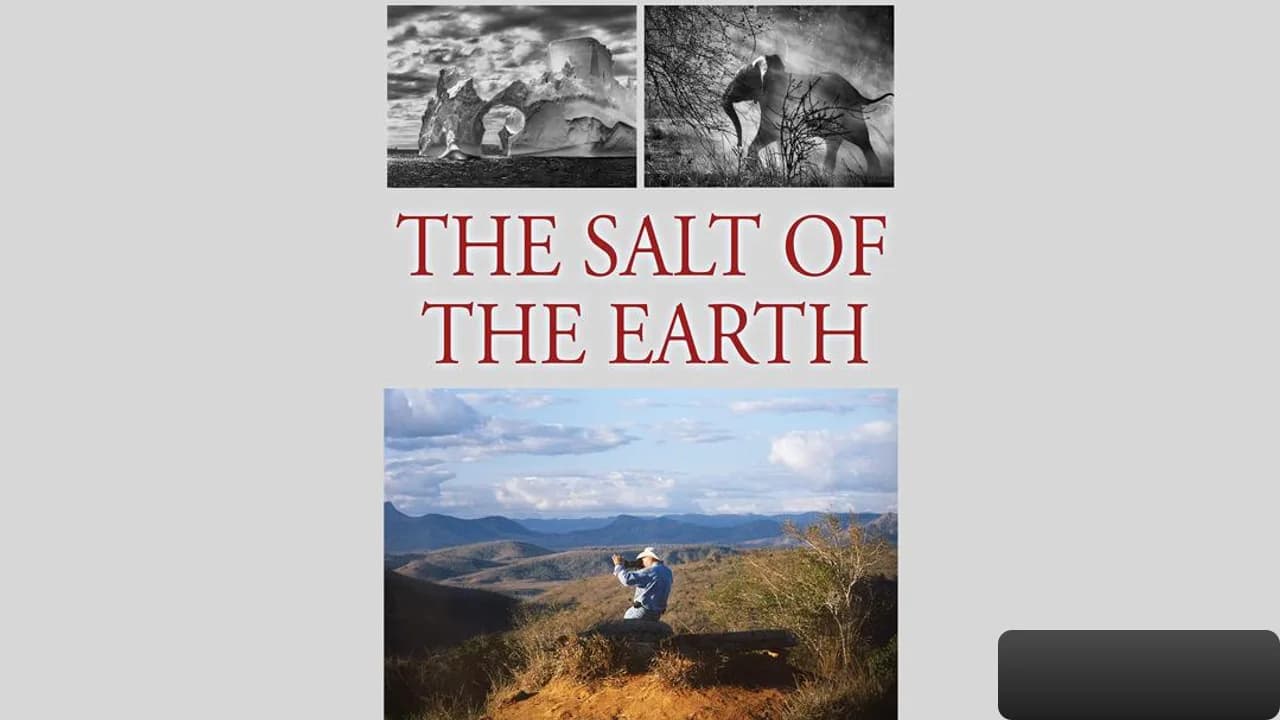
The Story of The Salt of the Earth
The Salt of the Earth follows Brazilian photographer Sebastião Salgado as he embarks on a monumental photographic project—one driven by a desire to document the planet's most grandiose landscapes and the people who inhabit them. This isn't a conventional biography. Instead, it's a meditation on obsession, beauty, and what it costs to bear witness to the world's most remote and endangered corners. Salgado's work has taken him across continents, from African deserts to South American rainforests, capturing moments that feel both intimate and impossibly vast. The film doesn't just show us his photographs—it lets us walk alongside him, understanding the human toll of such an ambitious vision.
Behind the Making of The Salt of the Earth
The Salt of the Earth represents a rare collaboration between two cinematic giants: legendary director Wim Wenders and Salgado's own son, Juliano Ribeiro Salgado, who co-directed. The film arrived in 2014 as an international co-production involving Italy, France, and Brazil—a fitting geographical blend for a project about a photographer who's spent decades crossing borders. At 105 minutes, it's a measured, thoughtful piece of cinema that refuses to rush through its subject's legacy. The film earned a PG-13 rating and went on to receive an Oscar nomination, along with 14 wins and 15 nominations across various festivals and award bodies. While the box office was modest at $1.3 million, the critical reception told a different story entirely. Movie OTT tracks films like this across multiple platforms—documentaries that punch above their commercial weight because critics and audiences recognize their artistic merit.
Wenders brings his characteristic visual sensitivity to the project. He doesn't treat Salgado's photographs as mere illustrations; instead, he allows them to breathe, to dominate the frame, to tell their own stories. The film also features interviews with Salgado himself, his wife Lélia Wanick Salgado, and others close to his work, creating a layered portrait that moves between past and present. This approach—mixing archival material with intimate conversation—gives the documentary a texture that feels less like a conventional bio-doc and more like a philosophical inquiry into what drives an artist to spend a lifetime chasing light across continents.
What Makes The Salt of the Earth Stand Out
Here's what strikes you about this film: the photographs are heartbreaking. Not in a sentimental way, but in a way that makes you question what you've been looking at your entire life without really seeing it. Critics awarded The Salt of the Earth a 94% Fresh rating on Rotten Tomatoes and an 83 Metascore—numbers that reflect genuine critical consensus rather than hype. The IMDb score of 8.4 across nearly 25,000 votes suggests that audiences who find it tend to connect with it deeply, even if it hasn't become a mainstream phenomenon.
What's remarkable is how the film doesn't shy away from Salgado's contradictions. He's a man obsessed with documenting human suffering and environmental devastation, yet that obsession has come at a personal cost. The documentary asks uncomfortable questions without providing easy answers. When you watch Salgado recall his travels—the wars he's witnessed, the famines he's photographed, the forests he's seen disappear—there's a weariness that comes through. That's not a flaw in the film; it's the entire point. Wenders understands that some stories can't be told with uplift and resolve. They have to sit with you, unresolved.
The performances (if you can call them that—these are real people reflecting on real lives) anchor everything. Salgado himself is a quiet, contemplative presence. His wife Lélia provides crucial perspective, offering both support and gentle critique of her husband's singular focus on his work. These aren't actors delivering lines; they're people grappling with legacy and mortality. Movie OTT's editorial team has found that documentaries like this—ones that don't rely on conventional narrative arcs—tend to develop a devoted following over time as word-of-mouth spreads among cinephiles and documentary enthusiasts.
Where to Stream The Salt of the Earth Online
The Salt of the Earth is currently available on Disney+, making it accessible to millions of subscribers. The streaming platform has become an increasingly important destination for prestige documentaries alongside its blockbuster content, and this film sits comfortably among their more thoughtful offerings. If you're searching for where to watch The Salt of the Earth, check the "Where to Watch" widget at the top of this page—it'll show you all current platforms in your region and whether a subscription, rental, or purchase is required. For those who appreciate slow cinema and visual storytelling, it's worth seeking out.
Frequently asked questions
Q: Who directed The Salt of the Earth?
The film was co-directed by acclaimed German filmmaker Wim Wenders and Juliano Ribeiro Salgado, the son of photographer Sebastião Salgado. Their collaboration brings both an outsider's perspective (Wenders) and an insider's intimacy (Salgado's son) to the biographical portrait.
Q: Is The Salt of the Earth based on a true story?
Yes. The film is a documentary biography of real photographer Sebastião Salgado and his decades-long photographic projects documenting landscapes, people, and environmental change across the globe. It's not a dramatization—it's a direct portrait of his life and work.
Q: How long is The Salt of the Earth?
The film runs 105 minutes, which gives it enough time to develop its themes without feeling rushed or overly indulgent.
Q: What awards did The Salt of the Earth win?
The Salt of the Earth earned an Oscar nomination and won 14 awards across various international film festivals and award ceremonies. It holds a 94% rating on Rotten Tomatoes and an 83 on Metascore, reflecting strong critical consensus.
Q: Who is Sebastião Salgado?
Sebastião Salgado is a renowned Brazilian photographer known for his large-scale documentary photography projects that capture landscapes, human struggles, and environmental issues. He's spent decades traveling to remote regions to document both natural beauty and human hardship, making him one of the most significant photographers of the modern era.
Final Thoughts on The Salt of the Earth
You won't leave this film feeling uplifted. That's not a criticism. What you will feel is seen—like Salgado's photographs have somehow made the invisible visible, and Wenders has translated that gift into cinema. It's a film for viewers who believe that art should challenge rather than comfort, who understand that beauty and tragedy aren't opposites but twins. If you're looking for your next documentary to sit with, to return to, to discuss with friends who get it—this is it.