

What The Second Act is really about
The Second Act opens with a premise so deceptively simple it almost feels like a setup for a joke—and it is, sort of. Florence wants to introduce David, the man she's madly in love with, to her father Guillaume. Sounds straightforward. But here's where things derail: David isn't attracted to Florence. Not even a little. So he's hatched a plan to throw her into the arms of his best friend Willy instead. The four characters meet in a restaurant in the middle of nowhere, and what unfolds is a collision of romantic miscommunication, bruised egos, and the kind of absurdist logic that only Quentin Dupieux could orchestrate. It's less a love triangle and more a love square where nobody's actually interested in the geometry working out.
Behind the making of The Second Act
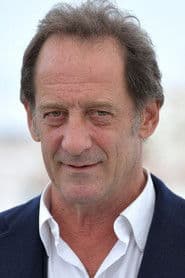
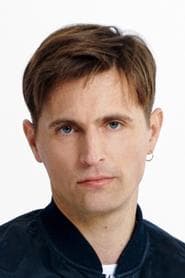
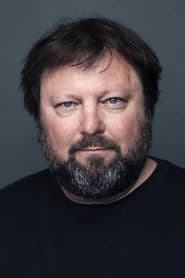
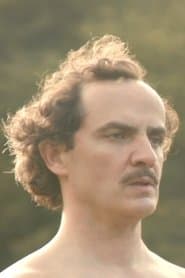
Quentin Dupieux, the French director known for his deliberately weird and often hilarious takes on genre, wrote, shot, edited, and directed The Second Act himself—a level of creative control that gives the film its distinctive fingerprints all over it. The 80-minute runtime is lean and purposeful; Dupieux doesn't waste a frame on exposition or sentiment. The cast is stacked with serious French talent. Léa Seydoux brings her characteristic intensity to Florence, while Vincent Lindon—a veteran of both arthouse and mainstream cinema—anchors the film as her father Guillaume. Louis Garrel, who can't really do wrong according to many critics, plays David with a kind of oblivious charm. But it's Raphaël Quenard and Manuel Guillot, in the roles of Willy and supporting cast, who often steal scenes with their deadpan commitment to the absurdity. The film is a co-production between Chi-Fou-Mi Productions and ARTE France Cinéma, bringing European art-house sensibilities to what's essentially a romantic comedy gone sideways. While it didn't become a box-office juggernaut, it found its audience among viewers who appreciate Dupieux's willingness to subvert expectations.
Why The Second Act stands out in comedy's crowded landscape
What's striking about The Second Act is how it functions simultaneously as a comedy and a meta-commentary on the very act of filmmaking itself. This isn't just a romantic farce—it's a comedy about actors in a doomed film production, which means the film is constantly winking at its own artificiality. That self-aware energy, combined with Dupieux's refusal to let any character off the hook emotionally, gives the whole thing a strange bite. You're laughing, sure, but you're also watching these people fail spectacularly at basic human connection, and there's something genuinely uncomfortable in that failure. The performances don't try to make anyone likable. They're not rooting for Florence to get her man, or for Willy to win the day. Instead, everyone's just kind of... stuck. The chemistry between Garrel and Quenard works precisely because they're playing two guys who've clearly thought this plan through and still somehow expect it to work. Garrel's thunder gets stolen—and stolen effectively—by Quenard's skepticism and Guillot's dry presence, which speaks to how well-calibrated the ensemble is. The humor lands in the silences as much as the dialogue, in the awkward glances across the restaurant table, in the moment when a plan everyone's committed to starts visibly falling apart.
Where to stream The Second Act online
The Second Act is currently available on major OTT services, and you can check the Where to Watch widget at the top of this page to see exactly which platforms are carrying it in your region right now. Streaming availability shifts frequently, so Movie OTT tracks real-time updates across all the major services to save you the hunting. Since the film's runtime clocks in at just 80 minutes, it's perfect for a weeknight viewing session—you can finish it before your dinner gets cold. Whether you're subscribed to the usual suspects or hunting for it on a smaller platform, the widget will point you in the right direction.
Frequently asked questions
Q: Who directed The Second Act?
Quentin Dupieux wrote, shot, edited, and directed the film himself. He's known for his unconventional approach to comedy and genre filmmaking, bringing a distinctive sensibility to every project he touches.
Q: Is The Second Act based on a true story?
No, it's an original screenplay written by Dupieux. The film is a meta-comedy that riffs on romantic farce tropes while simultaneously commenting on the nature of filmmaking and performance itself.
Q: What's the runtime of The Second Act?
The film is 80 minutes long, making it a lean and focused comedy that doesn't overstay its welcome.
Q: Where can I watch The Second Act?
The film is available on major OTT streaming platforms. Check the Where to Watch widget on this page for current availability in your region, which Movie OTT keeps updated across Netflix, Prime Video, and other services.
Q: What's the IMDb rating for The Second Act?
The film holds a 6.085 out of 10 on IMDb, reflecting a mixed but engaged audience response to Dupieux's deliberately absurdist approach to romantic comedy.
Final thoughts on The Second Act
The Second Act won't be everyone's cup of tea—that's kind of the point. If you're looking for a traditional romantic comedy where love conquers all and everyone learns something about themselves, look elsewhere. But if you appreciate filmmakers willing to undermine their own genre, who trust their audience to laugh at discomfort and failure, who understand that the funniest moments often come from watching people commit fully to terrible ideas—then this 80-minute absurdist romp deserves your time. Dupieux has made a film that's simultaneously lightweight and surprisingly sharp, funny without being warm, and utterly uninterested in giving anyone what they want. That's rarer than it should be.