

The Story of The Shoes of the Fisherman
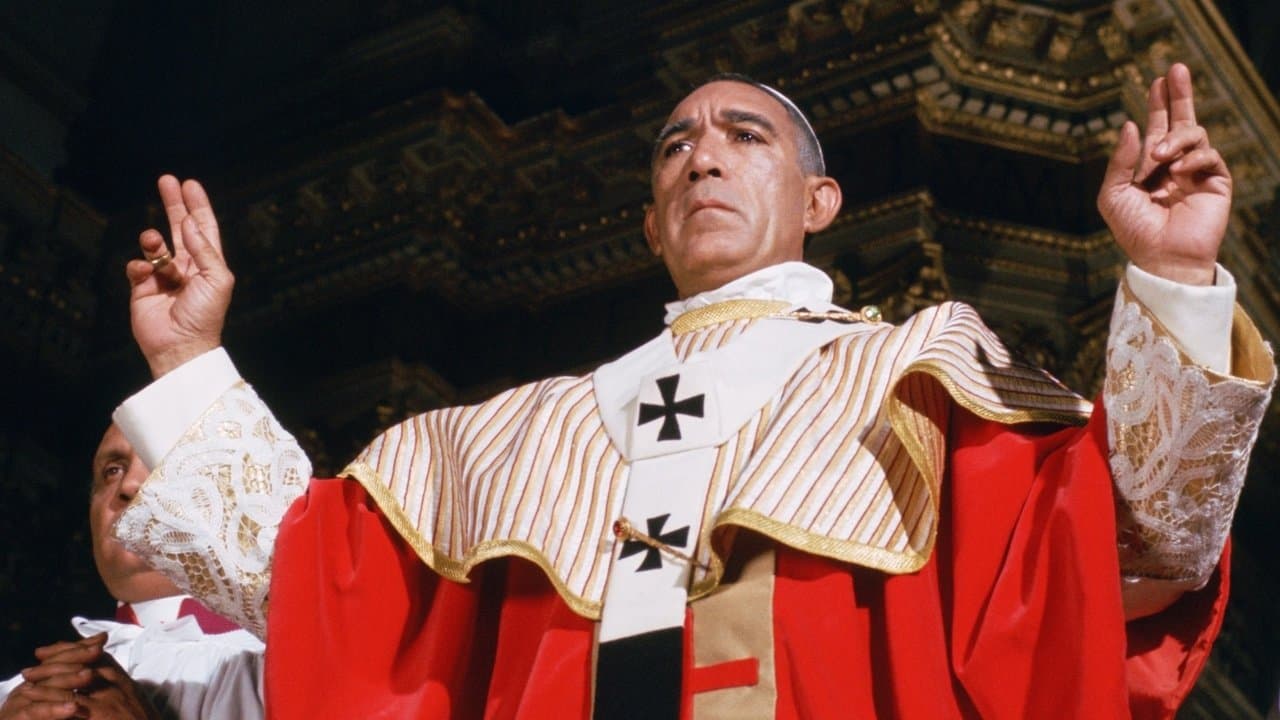
The Shoes of the Fisherman tells the story of Kiril Lakota, a Ukrainian bishop who's spent the last twenty years locked away in a Soviet gulag for his faith and his defiance. When he's unexpectedly released, he's sent to Rome—to the Vatican itself. But there's no time to adjust to freedom. The Pope dies, and in a shock that reverberates through the Church and the world, Lakota is elected as his successor. Now he must navigate Cold War politics, Vatican intrigue, and the weight of leading 800 million Catholics while the nuclear standoff between superpowers threatens to tear the planet apart. It's a premise that sounds almost absurd on paper, and yet the film commits to it entirely—no winking, no apologies. What unfolds is a meditation on conscience, power, and whether one man's integrity can actually change the course of history.
Behind the Making of The Shoes of the Fisherman
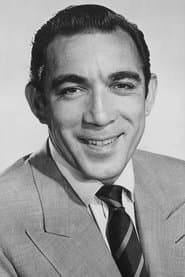
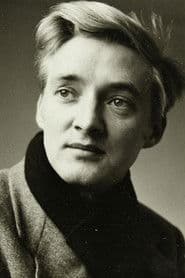
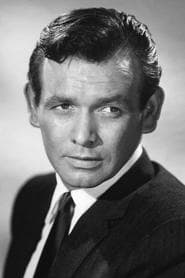
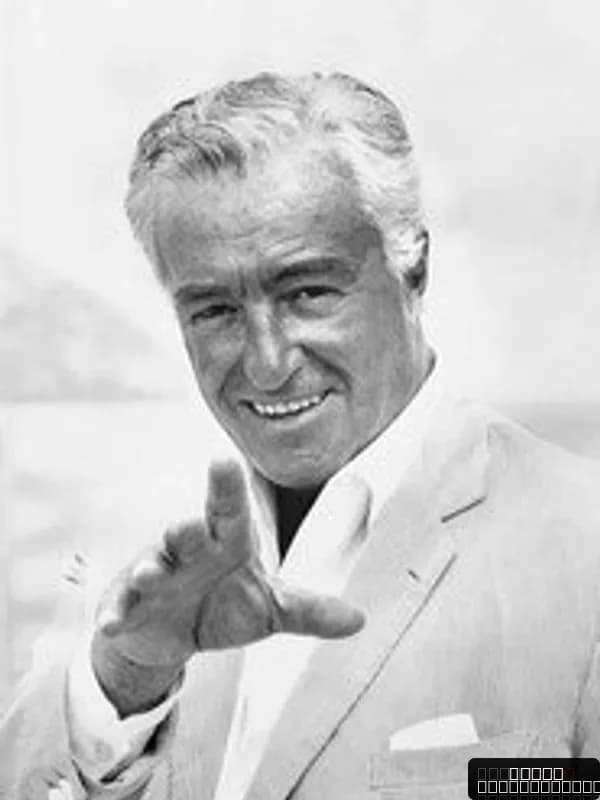
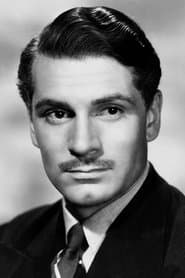
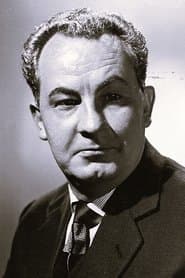
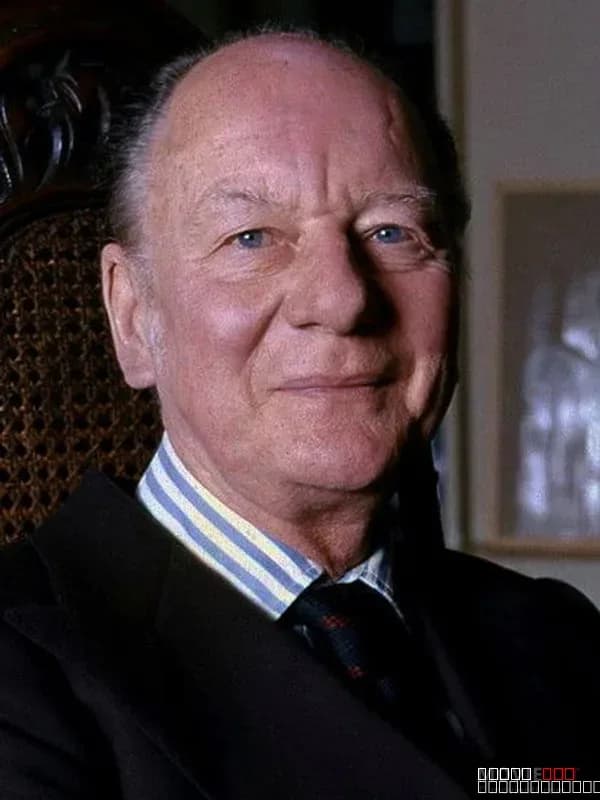
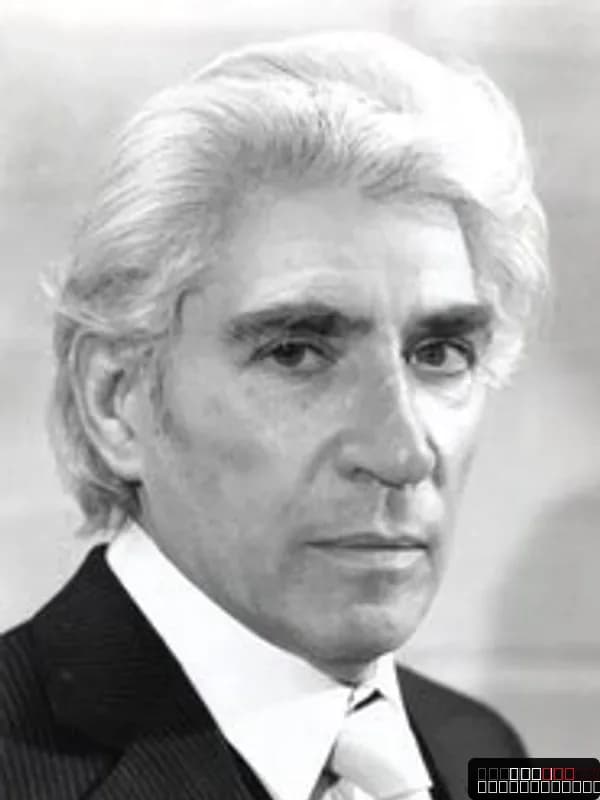
The Shoes of the Fisherman was directed by Michael Anderson and based on Morris West's 1963 novel, which had already established itself as a bestseller exploring Vatican and Cold War politics. MGM greenlit the project as an ambitious epic—162 minutes of runtime that refuses to feel rushed, even when the plot could easily spiral into melodrama. The cast alone signals the studio's commitment: Anthony Quinn carries the film as Lakota, but the supporting ensemble reads like a who's who of mid-century cinema. Oskar Werner, David Janssen, Vittorio De Sica, Leo McKern, John Gielgud, and Laurence Olivier all appear—and these weren't cameos or vanity roles. Each actor brought serious weight to their part.
The production faced the usual challenges of epic filmmaking in the late 1960s. Shooting locations had to convey both the oppressive Soviet bloc and the grandeur of Vatican City. The budget ballooned, as these things do, but MGM's confidence never wavered. When it hit theaters in 1968, it was positioned as a prestige drama for adult audiences—a rarity even then. The film didn't become a blockbuster (it earned a respectable but not spectacular box office), yet it's remained in circulation on television and now on streaming platforms, which speaks to its staying power. You can track where it's currently streaming through Movie OTT, which aggregates availability across major services, so you don't have to hunt through five different apps to find it.
What Makes The Shoes of the Fisherman Stand Out
Here's the thing about this film that's easy to underestimate: it's genuinely interested in ideas. Not just in spectacle or emotional manipulation, but in the actual philosophical and political tensions it sets up. What's striking is how the movie refuses to make Lakota's election feel like a triumph. Yes, it's technically a promotion from prisoner to Pope, but Anderson frames it as a trap—or at least as a crushing responsibility that no one person should bear. Quinn brings a kind of weathered exhaustion to the role that works beautifully. He's not playing a saint or a savior. He's playing a man who's been broken by suffering and is now being asked to heal the world.
The supporting performances anchor the film's moral ambiguity. Gielgud and Olivier, in particular, play Vatican insiders with a mixture of pragmatism and faith that feels lived-in rather than theatrical. There's a scene early on where Lakota meets with the Church's power brokers, and you can feel the weight of centuries of compromise pressing down on him. The cinematography by Erwin Hiller captures Rome and the Vatican with a kind of austere beauty—not postcard pretty, but serious and imposing. The score by Alex North underscores the tension without ever becoming overwrought. What critics at the time found compelling—and what still works today—is the film's refusal to offer easy answers. The ending won't satisfy anyone looking for a neat resolution. It's ambiguous, even unsettling, in a way that respects the audience's intelligence.
Where to Stream The Shoes of the Fisherman Online
The Shoes of the Fisherman is available on major OTT services, and you can check the Where to Watch widget at the top of this page to see exactly which platforms currently carry it in your region. Streaming rights shift frequently, so what's available today might change in a few months—that's why Movie OTT tracks these changes in real time, updating availability as licenses move between services. Since the film is nearly 60 years old, it's not a title that'll vanish overnight, but if you're interested in watching it, it's worth checking availability sooner rather than later. The 162-minute runtime means you'll want to carve out a solid evening for it. This isn't a background-watch kind of film.
Frequently asked questions
Q: Who directed The Shoes of the Fisherman?
Michael Anderson directed the film, bringing his experience with large-scale dramas to what was an ambitious Vatican-set political thriller. Anderson's direction keeps the pacing deliberate without ever feeling sluggish across the 162-minute runtime.
Q: Is The Shoes of the Fisherman based on a true story?
No, it's based on Morris West's 1963 novel, which is a work of fiction, though it draws heavily on real Cold War tensions and Vatican politics of the era. West's novel was itself inspired by the geopolitical anxieties of the early 1960s, but the character of Kiril Lakota and his election as Pope are entirely fictional.
Q: What year was The Shoes of the Fisherman released?
The film came out in 1968, released by Metro-Goldwyn-Mayer as a major prestige drama during a period when Hollywood was still investing in adult-oriented epics.
Q: Who stars in The Shoes of the Fisherman?
Anthony Quinn leads the cast as Kiril Lakota, with supporting performances from Oskar Werner, David Janssen, Vittorio De Sica, Leo McKern, John Gielgud, and Laurence Olivier—a genuinely star-studded ensemble.
Q: How long is The Shoes of the Fisherman?
The film runs 162 minutes, or just under two hours and 45 minutes. It's a substantial commitment, but the length allows the story to breathe and explore its themes without rushing.
Final Thoughts on The Shoes of the Fisherman
The Shoes of the Fisherman won't work for everyone. It's slow by modern standards, deliberately paced, and more interested in moral questions than in action or plot mechanics. But if you're drawn to serious dramas about power, faith, and the impossible weight of leadership—especially ones made in an era when studios still bet on films like this—it's worth your time. The performances are committed, the ideas are genuine, and there's something quietly radical about a 1968 film that's this skeptical of both institutional religion and political pragmatism. Watch it when you can give it your full attention. Don't skim it. It's earned that respect.