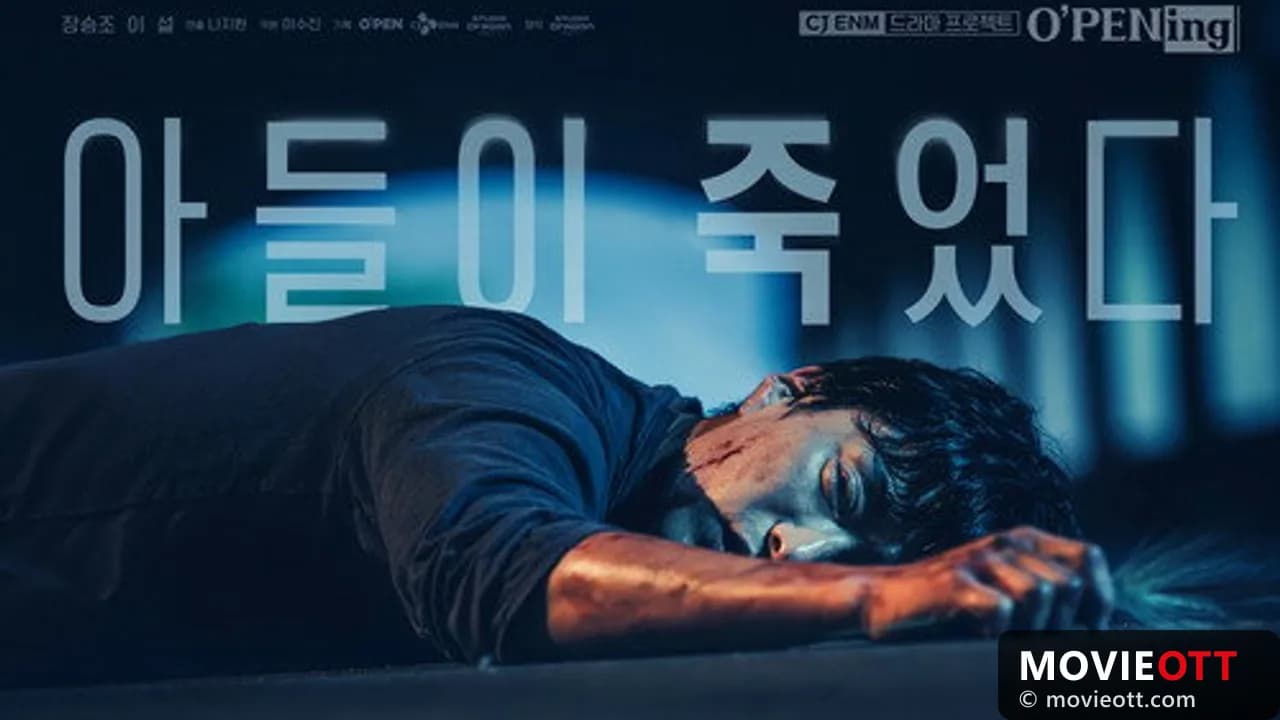







The Story of The Son and Its Premise
The Son (2024) is a 81-minute Korean drama that flips the script on what we expect from a thriller about virtual reality. Instead of a typical sci-fi plot about hackers or corporate espionage, this film takes a far more intimate angle: it's about a top Korean actor who finds himself trapped inside a VR simulation, tasked with the simple—but impossible—job of protecting and raising a digital child. The premise sounds like it could veer into gimmick territory, but what makes it compelling is the emotional core. As he begins to play this role with genuine care, something shifts. He's not just performing fatherhood anymore. He's actually becoming a father, at least in the ways that matter most. And then comes the twist that changes everything he knows.
Behind the Making of The Son and Its Cast
The Son arrived in 2024 as a notable entry in Korean cinema's expanding interest in speculative drama—a space where filmmakers can explore big existential questions through genre constraints. The film's central conceit required careful calibration: the VR sequences needed to feel both artificial and emotionally real, a tonal tightrope that demanded precision from both the director and the lead actor. The casting of a recognizable Korean actor in the lead role was strategic, too. There's an inherent meta-quality to watching someone famous play at being a father in a fake world; audiences bring their own knowledge of celebrity into the viewing experience, which deepens the dissonance.
While specific box office figures and major festival awards for The Son haven't dominated international headlines the way some Korean films do, the film's arrival on major OTT services has given it a second life beyond traditional theatrical runs. Movie OTT tracks current streaming availability across platforms, making it easy to find where this title is currently playing. The production design—particularly how the VR environments are rendered—suggests a modest but thoughtful budget, one that prioritizes emotional storytelling over spectacle. That restraint is exactly what the film needed.
What Makes The Son Stand Out in Contemporary Drama
What's striking about The Son is how it refuses to treat virtual reality as a moral problem to solve. You won't find the typical "is this real or fake?" philosophical hand-wringing that drags down so many VR narratives. Instead, the film asks something harder: does it matter if the love is real if the father's heart becomes real? The actor's performance—and this is where the film truly lives—captures the slow, almost imperceptible shift from someone going through the motions to someone genuinely transformed by the act of care. You watch him resist at first. Then you watch him surrender. Then you watch him discover something in himself he didn't know existed.
The cinematography of the VR sequences is deliberately cool and slightly off—not quite uncanny valley, but close enough to remind you this isn't the real world. Yet as the actor's character deepens his connection to the digital child, the visual language subtly shifts. The lighting becomes warmer. The framing tightens around moments of tenderness. It's craft in service of theme, which is exactly how it should work. I keep coming back to a scene roughly midway through where he teaches the child something mundane—how to tie a shoelace, maybe, or how to hold a spoon—and the camera just holds on his face. No music. Just the quiet realization dawning that he's crossed a threshold he can't uncross. That's when you know the film has you.
The shocking truth that emerges in the third act—I won't spoil it—recontextualizes everything that came before in ways that feel earned rather than cheap. It's the kind of twist that makes you want to immediately rewatch the film to catch all the details you missed.
Where to Stream The Son Online
The Son is available now on major OTT services, and the easiest way to check which platform has it in your region is to use the Where to Watch widget at the top of this page. Streaming availability shifts frequently—a title might be on one service for three months, then move to another—so checking that widget ensures you're getting current information rather than outdated guesses. Movie OTT keeps that data live, updating across Netflix, Prime Video, and other major platforms as licensing agreements change. If you're planning to watch, checking right now will save you the frustration of queuing it up only to discover it's moved.
Frequently Asked Questions
Q: What's the runtime of The Son?
The film runs 81 minutes, making it a lean, focused narrative that doesn't overstay its welcome. That compact length works in its favor—the emotional journey feels complete without padding.
Q: Is The Son based on a true story?
No, it's an original narrative exploring speculative themes about virtual reality and parenthood. The story is entirely fictional, though the emotional truths it explores feel very real.
Q: Who stars in The Son?
The film features a top Korean actor in the lead role, though the focus of the story is very much on the character's internal transformation rather than star power. The supporting digital character—the child—is equally central to the film's emotional weight.
Q: What genre is The Son?
It's classified as drama, though it has speculative and thriller elements woven throughout. The VR premise gives it a slight sci-fi flavor, but the heart of the film is deeply human and character-driven.
Q: Will I need to watch anything else to understand The Son?
No. The Son is a standalone film with a complete narrative arc. You can jump straight in without any prior knowledge.
Final Thoughts on The Son
The Son works because it trusts its premise and its audience. It doesn't waste time explaining the VR technology or world-building details that don't matter. Instead, it focuses ruthlessly on one man's unexpected journey toward genuine love—and what happens when that love crashes against an impossible truth. It's a film that lingers. Not because it's flashy or shocking, but because it's asking you to think about what makes parenthood real, what makes love real, and whether those things can exist in a space that isn't real at all. That's worth your 81 minutes.