


Unpacking the Relentless World of Ryunosuke in The Sword of Doom
The Sword of Doom plunges viewers into the twilight years of Japan's Shogunate rule, a period of profound social and political upheaval ripe for moral decay. At the heart of this turbulent era is Ryunosuke, a figure of formidable skill with a blade but utterly devoid of a moral compass. He's a gifted swordsman, yes, perhaps one of the finest of his time, but his genius for combat is inseparable from his chilling indifference to human life. From the outset, we see a man who kills without remorse, whose actions are dictated by a cold, calculating pragmatism rather than any sense of honor or justice. His way of life isn't just a choice; it's a relentless trajectory, pushing him further and further down a path that can only lead to utter madness. This isn't a story of redemption or a hero's journey. Oh no. It's a stark, unblinking look at a true anti-hero.
The Craftsmanship and Enduring Legacy Behind The Sword of Doom's Production
The Sword of Doom, originally known in Japan as Dai-bosatsu Tōge, stands as a landmark in jidaigeki filmmaking, brought to life by the visionary direction of Kihachi Okamoto. Released in 1966, this cinematic powerhouse was a collaborative effort between Takarazuka Eiga Company Ltd. and TOHO, two titans of Japanese cinema. At its core is the towering performance of Tatsuya Nakadai, an actor renowned for his intense portrayals, who embodies the chilling Ryunosuke with an unnerving conviction. The film itself is an adaptation of Kaizan Nakazato's sprawling serial novel of the same title, a literary work that provided a rich, complex foundation for the cinematic narrative. With a runtime of 122 minutes, the film masterfully balances its dramatic weight with visceral action sequences, cementing its place within the Drama, Crime, and Action genres. It quickly garnered significant critical attention upon its release, and its enduring quality is reflected in its solid IMDb rating of 7.7/10, a testament to its lasting impact on audiences and critics alike. Movie OTT, in its mission to catalog essential cinematic works, highlights films like The Sword of Doom for their historical significance and artistic merit.
Why The Sword of Doom Still Cuts Deep: Themes, Performances, and Direction
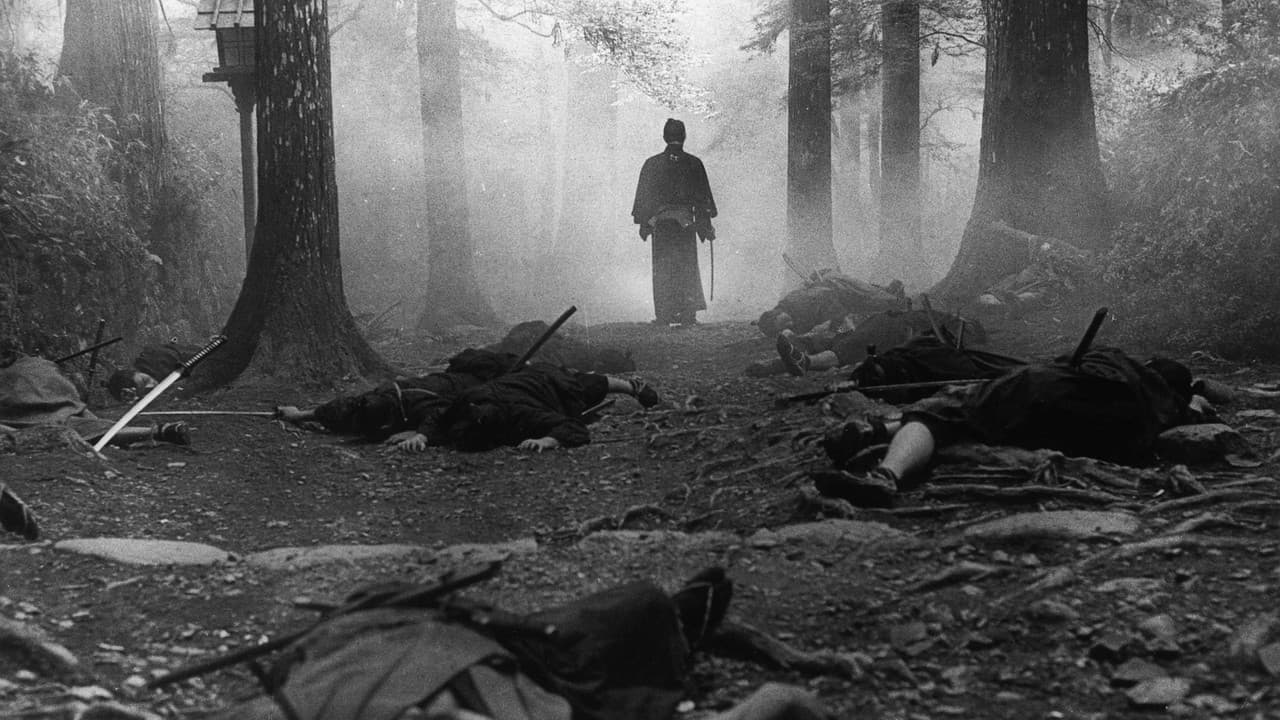
What makes The Sword of Doom resonate so profoundly, even decades after its release? Honestly, it's the film's unflinching commitment to its premise: exploring the absolute void within a man who lives by the sword and for nothing else. Tatsuya Nakadai’s portrayal of Ryunosuke isn't just a performance; it's a real masterclass in character descent, depicting a man whose eyes betray no emotion, only a cold, predatory focus that chills you to the bone. You see it in the infamous snowy mountain pass duel, where Ryunosuke’s movements are almost inhumanly precise, each strike a testament to his deadly efficiency, yet utterly devoid of passion or even anger. It's just execution. Director Kihachi Okamoto doesn't shy away from the brutality, but he frames it with an artistic sensibility that elevates the violence beyond mere spectacle, making it a reflection of Ryunosuke's inner turmoil. The film's black-and-white cinematography is stark, using deep shadows and sharp contrasts to mirror the moral ambiguity—or rather, the moral absence—that defines the protagonist. As one prominent film critic once observed, "Nakadai's Ryunosuke isn't just evil; he's a void, and the film dares you to stare into it." This isn't just a samurai film; it's a psychological horror wrapped in the guise of a jidaigeki, a relentless examination of how absolute power, unchecked by conscience, inevitably devours the soul. It's truly compelling cinema.
Finding The Sword of Doom: Streaming Options for This Jidaigeki Classic
For those eager to experience the chilling narrative and masterful swordsmanship of The Sword of Doom, you'll be pleased to know that this iconic 1966 film is currently available across major OTT services. While the specific platforms can vary by region and over time, services like those listed in the "Where to Watch" widget at the top of this page consistently track its availability. Movie OTT diligently monitors these platforms, providing up-to-date information so you don't have to hunt endlessly. It's a classic that often finds its way onto curated collections of essential Japanese cinema, making it accessible to a wide audience. Whether you prefer subscription services or rental options, a quick check on Movie OTT will guide you directly to where you can stream this Kihachi Okamoto masterpiece today. Don't miss out on seeing Tatsuya Nakadai in one of his most unforgettable roles.
Frequently asked questions
Q: What is The Sword of Doom about?
The Sword of Doom tells the story of Ryunosuke, an incredibly skilled but amoral swordsman living in the chaotic final days of Japan's Shogunate. His path of violence and indifference to human life ultimately leads him down a dark road toward madness.
Q: Who directed The Sword of Doom?
The critically acclaimed Japanese filmmaker Kihachi Okamoto directed The Sword of Doom. He is known for his dynamic action sequences and often darker, more cynical takes on the samurai genre.
Q: Is The Sword of Doom based on a book?
Yes, the film is based on the long-running serial novel of the same title, Dai-bosatsu Tōge, by Japanese author Kaizan Nakazato. The novel itself is a classic of Japanese literature.
Q: How long is The Sword of Doom?
The Sword of Doom has a runtime of 122 minutes. This length allows for a comprehensive exploration of Ryunosuke's character and the complex moral landscape he inhabits.
Q: Where can I stream The Sword of Doom?
The Sword of Doom is currently available on major OTT streaming services. You can find the most current platforms listed in the "Where to Watch" section on Movie OTT, which tracks its availability across various online providers.
Our Final Verdict: Is The Sword of Doom Worth Your Time?
Absolutely. The Sword of Doom isn't just a historical artifact; it's a gripping, psychologically intense film that remains as potent today as it was in 1966. If you appreciate samurai cinema that delves beyond simple heroics into the darker corners of human nature, or if you're a fan of meticulous direction and powerhouse acting, then this is an absolute must-watch. It's unsettling. It's unforgettable. And it's a stark reminder of the corrosive power of violence. Movie OTT highly recommends adding this enduring classic to your watchlist for a truly unique cinematic experience. You won't regret it. Just relentless.