The Story of Throne of Blood
Throne of Blood tells the story of Washizu, a samurai warrior serving the lord of Spiders-Web Castle during Japan's feudal period. While riding through a misty forest, Washizu encounters a mysterious witch who prophesies that he will one day rule the castle. What begins as an impossible dream becomes an obsession—especially after his ambitious wife learns of the prophecy and urges him toward murder. The path to power, though, leads nowhere good. Kurosawa's 1957 film takes William Shakespeare's Macbeth and strips it down to its essence: the corrosive effect of unchecked ambition on the human soul. There are no witches' cauldrons or Scottish moors here, only fog-shrouded castles, blood on armor, and the sound of arrows finding their mark.
Behind the Making of Throne of Blood
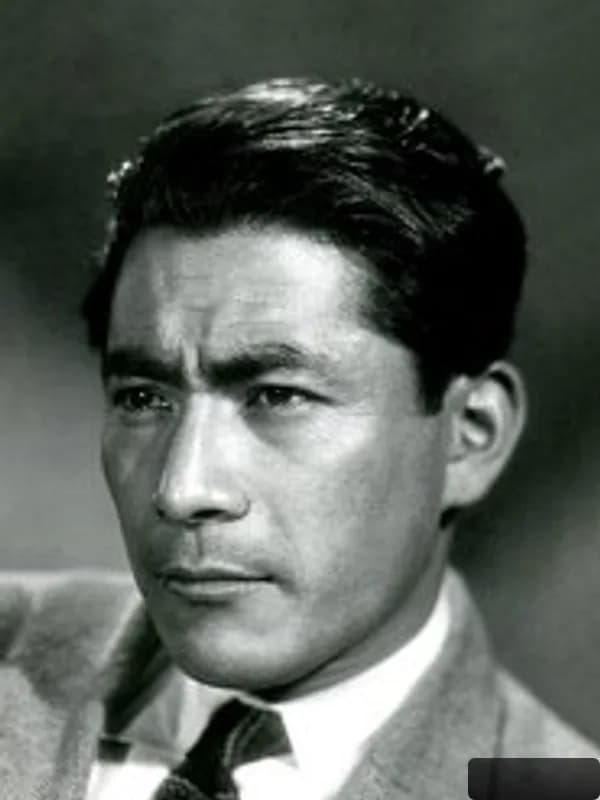
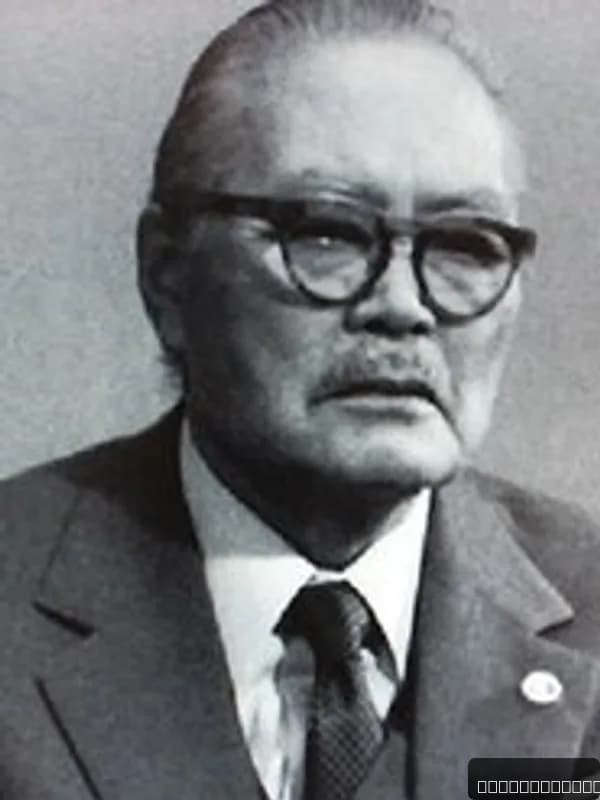
Akira Kurosawa didn't just adapt Macbeth—he reinvented it. Working with special effects wizard Eiji Tsuburaya, Kurosawa transplanted the Scottish tragedy into the world of the samurai, drawing visual and stylistic inspiration from Noh drama, Japan's centuries-old theatrical tradition. The result was a 109-minute film that premiered in 1957 and immediately established itself as one of cinema's great literary adaptations. Toshirō Mifune, already a Kurosawa regular by this point, took the lead role alongside Isuzu Yamada, who plays Washizu's wife with a chilling intensity that rivals any Lady Macbeth on stage or screen. The supporting cast—including Takashi Shimura, Akira Kubo, and others—worked in service of Kurosawa's austere vision. The film didn't chase box-office records; it chased truth. What's striking is how completely Kurosawa owned the material. He wasn't making a period piece with Shakespeare's words—he was making a Japanese film that happened to follow Shakespeare's blueprint. Movie OTT catalogues where you can stream this landmark film today, but when it first circulated, it won recognition from critics and film festivals worldwide who understood they were witnessing something rare: a director so confident in his craft that he could take another culture's greatest playwright and make him speak fluently in another language entirely.
What Makes Throne of Blood Stand Out
The performances anchor everything. Mifune's Washizu isn't a tyrant barking orders—he's a man being slowly hollowed out by fear and guilt. Watch the scene where he learns his wife has died; the actor conveys an entire moral collapse in a single glance. Yamada, meanwhile, brings a calculating cruelty to her role, pushing her husband toward damnation with a smile. The thing nobody mentions is how much of this film's power comes from what it doesn't show. There's no gore, no graphic violence, yet you feel the weight of every murder. Kurosawa's use of fog, shadow, and architectural space—those narrow corridors, those soaring castle walls—creates a sense of inevitability that no amount of blood could match. The Noh influence shows in the stylized movements, the masks of emotion that the actors wear, the way dialogue sometimes feels more like ritual than conversation. Critics have called it one of the greatest Shakespeare adaptations ever made, and they're not wrong. The film doesn't try to be Macbeth; it becomes Macbeth. It's a tragi-adventure story that works on multiple levels—as a political thriller, as a character study, as a meditation on the nature of power itself. You don't need to know Shakespeare to feel the tragedy unfolding on screen. The emotional truth is universal, which is exactly what Kurosawa understood when he decided to set it in Japan instead of Scotland.
Where to Stream Throne of Blood Online
Throne of Blood is currently available on Prime Video, making it accessible to millions of subscribers. The film's visual compositions—those fog-laden landscapes, the intricate blocking within castle rooms—deserve to be seen on as large a screen as you can manage, so if you're watching at home, don't settle for a phone or tablet. The 109-minute runtime means you can fit it into an evening, though you'll likely want to sit with it for a while afterward. Movie OTT tracks current streaming availability across major platforms, and the Where to Watch widget above will show you exactly where Throne of Blood is currently streaming in your region, so you don't have to hunt around yourself.
Frequently Asked Questions
Q: Is Throne of Blood based on Shakespeare's Macbeth?
Yes. Kurosawa adapted Shakespeare's play and transposed it to feudal Japan, keeping the core plot—a warrior murders his lord after hearing a prophecy—but changing the setting, cultural context, and visual language entirely. It's a loose adaptation in the best sense: faithful to the story's emotional truth while being completely original in execution.
Q: Who directed Throne of Blood?
Akira Kurosawa directed the film in 1957. He also co-wrote and produced it, working with special effects artist Eiji Tsuburaya. By this point in his career, Kurosawa was already one of cinema's greatest directors, having made Rashomon and Seven Samurai in the early 1950s.
Q: What's the runtime of Throne of Blood?
The film runs 109 minutes, making it a substantial but not exhausting watch. Kurosawa uses every minute—there's no fat here, no scene that doesn't earn its place.
Q: Does Throne of Blood have subtitles?
Yes. As a Japanese-language film, Throne of Blood is subtitled in English on streaming platforms. Don't let that discourage you; the visual storytelling is so strong that you'll forget you're reading within minutes.
Q: How does Toshirō Mifune's performance compare to other Macbeth actors?
Mifune's Washizu is among the finest interpretations of the character ever filmed. He brings a physicality and internal conflict that rivals stage performances. What's remarkable is how much he communicates through silence and body language—a distinctly Japanese approach to acting that makes the character feel fresh even though the story is 400 years old.
Final Thoughts on Throne of Blood
Throne of Blood is essential viewing for anyone who cares about cinema, Shakespeare, or the art of adaptation. It's a film that respects its source material by refusing to be slavish to it. Kurosawa understood that the best way to honor Shakespeare wasn't to transplant him wholesale, but to find the universal human truths in his work and express them through a different cultural lens. The result is a masterpiece that doesn't feel like a museum piece—it feels alive, dangerous, and urgent. If you haven't seen it, don't wait.