






What Tokyo Cowboy is about
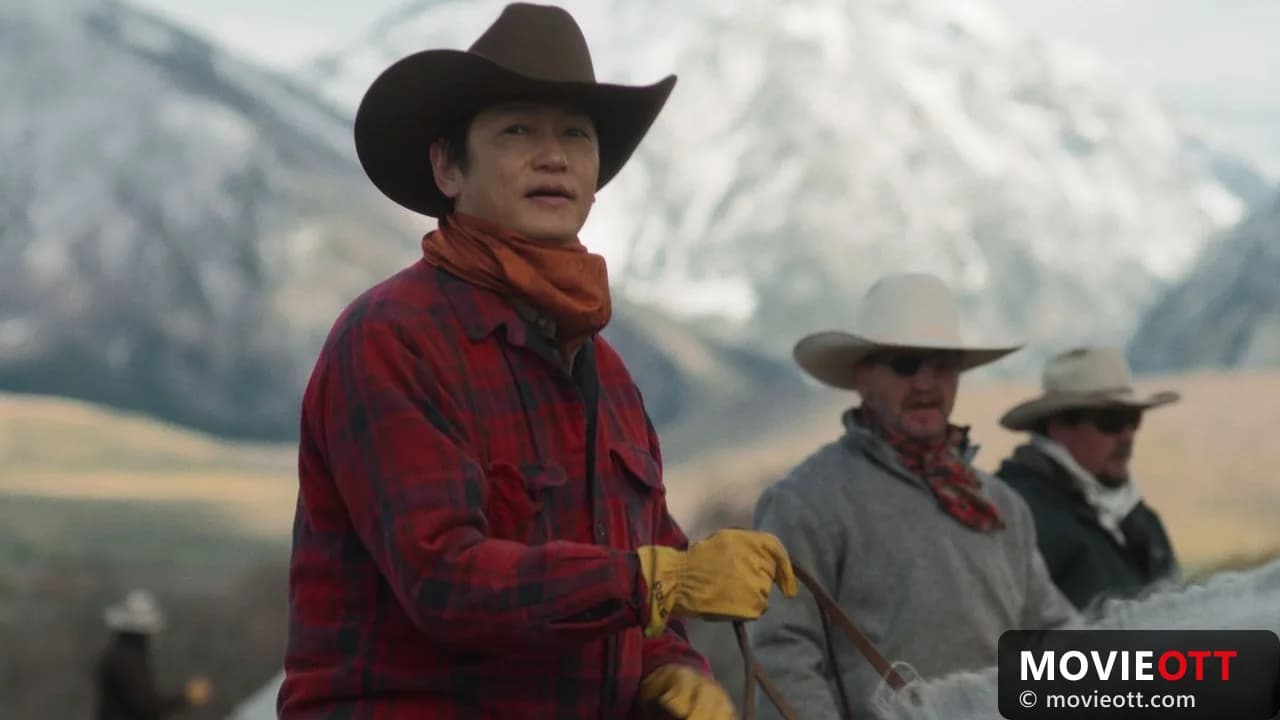
Tokyo Cowboy centers on Hideki (played by Arata Iura), a sharp-elbowed Tokyo businessman who talks his corporate bosses into sending him to Montana with a bold promise: he will transform a money-losing cattle ranch into a high-performing asset. The pitch is clean. The execution is not. When the Japanese Wagyu-beef specialist Hideki was counting on falls through, he is left stranded between two worlds — the precision-driven business culture he knows and the wide-open, stubbornly independent rhythms of the American West. At 118 minutes, the film gives that collision room to breathe, letting the comedy, romance, and drama unspool at a pace that feels earned rather than rushed. The result is a story about competence meeting its limits, and what happens when a person is forced to look past the numbers.
How Tokyo Cowboy came together on screen
Directed by Marc Marriott, Tokyo Cowboy is a 2024 production that leans into an inherently cinematic contrast: the glass-and-steel world of Japanese corporate life set against the vast, sun-bleached landscape of Big Sky Country. Arata Iura, a respected presence in Japanese film and television for decades, anchors the whole enterprise. His Hideki is not a buffoon dropped into an alien culture for cheap laughs — Iura plays him as genuinely capable, which makes his disorientation land harder and his eventual growth feel credible. The supporting cast fills out the Montana side of the story with warmth and specificity, grounding what could have been a postcard backdrop into something that feels like an actual community.
The film carries a drama, comedy, and romance classification, and it earns all three labels at different moments rather than awkwardly straddling them. The romantic thread in particular develops organically from the central conflict rather than being bolted on as a subplot. Production design makes strong use of the Montana setting — the physical scale of the landscape works as a constant, wordless argument against Hideki's spreadsheet logic. The film holds a 6.2 out of 10 on IMDb, a score that reflects a genuinely divided audience: viewers who came expecting a broader comedy sometimes found the pacing contemplative, while those who stayed with it tended to respond warmly. Festival circuit exposure helped build early word of mouth before the film reached wider streaming audiences.
Why Tokyo Cowboy resonates with audiences who give it a chance
Tokyo Cowboy works because it respects both cultures it depicts. Too many fish-out-of-water stories treat the unfamiliar setting as the punchline. This film does not. The Montana ranching world is portrayed with enough detail and dignity that it functions as a genuine counterweight to Hideki's corporate worldview, not just a quirky obstacle course. The comedy comes from real misunderstanding rather than mockery, which means it ages better and cuts deeper.
Arata Iura's performance is the spine of the film. He is precise where other actors might reach for broad reaction shots. There is a scene — without giving anything away — where Hideki is confronted with the physical reality of cattle work after weeks of treating the ranch as an abstraction, and Iura plays the moment almost entirely through stillness. It is the kind of acting that rewards attention. The romantic dimension of the story adds emotional stakes without hijacking the central premise, and the chemistry between Hideki and the people he slowly comes to trust gives the third act its weight.
Thematically, the film is interested in what we mean by value — how we measure it, who gets to define it, and what gets lost when the only metric is profit. That is not a new question, but Tokyo Cowboy asks it through a specific and visually distinctive lens. The 118-minute runtime allows for genuine quiet, which is a risk in a market that rewards relentless momentum, but it pays off in a film that lingers after the credits roll.
Where to stream Tokyo Cowboy online
Tokyo Cowboy is currently available on major OTT services, making it one of the more accessible titles of its kind from 2024. If you have already spotted it in the Where-to-Watch widget at the top of this page, you can jump straight to the platform that suits your existing subscriptions. For readers browsing from the Movie OTT homepage or a search result, the widget updates in real time as availability shifts across regions and platforms, so it is always worth checking before you commit to a rental. The film's runtime of 118 minutes makes it a comfortable single-sitting watch, and its blend of genres means it travels well across different moods and viewing contexts.
Frequently asked questions
Q: Where can I watch Tokyo Cowboy?
Tokyo Cowboy is available on major OTT streaming platforms. Check the Where-to-Watch widget at the top of this page on movieott.com for the most current platform availability in your region.
Q: Who directed Tokyo Cowboy?
Tokyo Cowboy was directed by Marc Marriott. The 2024 film stars Arata Iura in the lead role of Hideki, a Tokyo businessman sent to turn around a failing Montana cattle ranch.
Q: How long is Tokyo Cowboy?
Tokyo Cowboy has a runtime of 118 minutes. That places it comfortably in feature-length territory without overstaying its welcome, and the pacing uses the full runtime to develop its characters rather than pad the story.
Q: Is Tokyo Cowboy based on a true story?
Tokyo Cowboy is not based on a specific true story. It is an original dramatic comedy, though the premise draws on the real-world dynamics of Japanese investment in American agriculture, which lends the central conflict a grounded, believable quality.
Q: What is the IMDb rating for Tokyo Cowboy?
Tokyo Cowboy holds a 6.2 out of 10 on IMDb. Audience response has been mixed in the way that quieter, character-driven comedies often are, but viewers who connect with its tone tend to rate it significantly higher.
Final thoughts on Tokyo Cowboy
Tokyo Cowboy is the kind of film that gets underestimated. The premise sounds like a setup for broad comedy, and the IMDb score of 6.2 might suggest something forgettable. Neither reading is quite right. What Marc Marriott has made is a patient, visually grounded story about a man forced to reckon with everything his ambition has been avoiding. Arata Iura is excellent. The Montana landscape earns its place in every frame. If you are in the mood for something that takes its time and means it, this one is worth your evening.