


The Story of Torture Garden
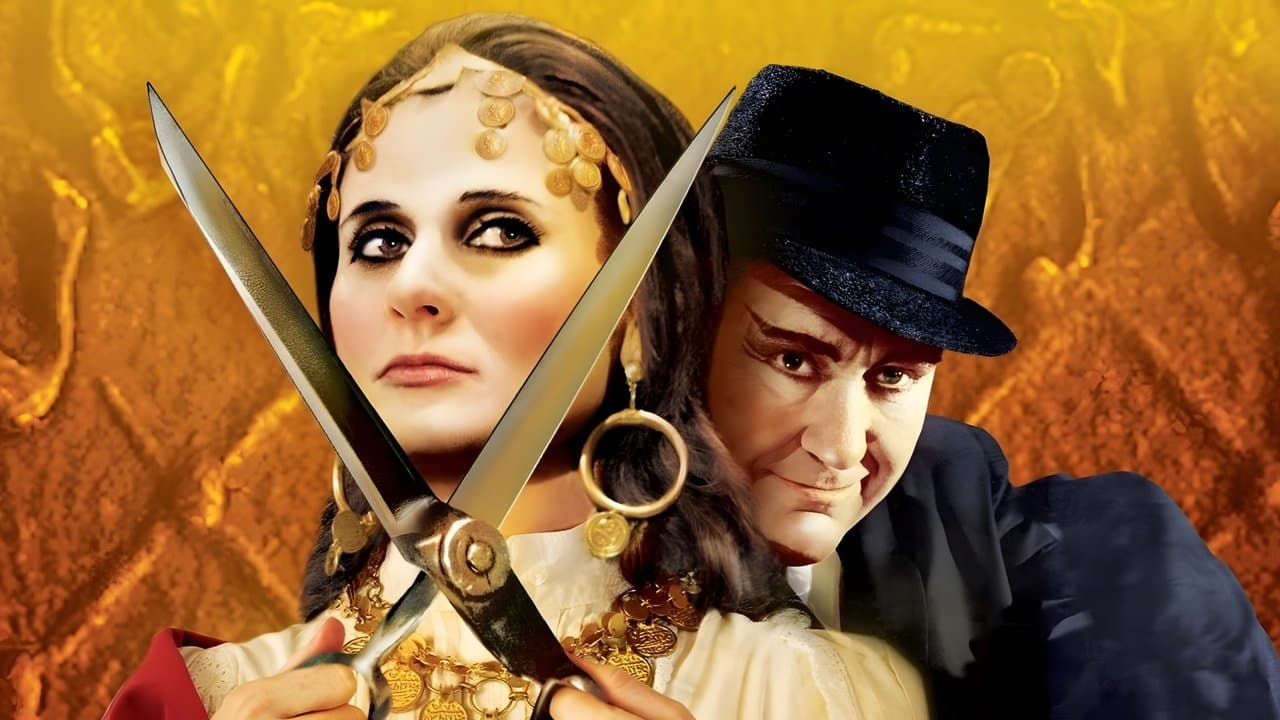
Torture Garden is a 1967 British horror film that wraps its narrative in the aesthetic of a traveling carnival — one where the real terror isn't in the rides or attractions, but behind a velvet curtain guarded by the unsettling Dr. Diabolo. Burgess Meredith's showman charges four separate visitors £5 each for the privilege of stepping into a private chamber where they'll encounter the Fate Atropos: a life-size doll that, according to Diabolo's pitch, has the uncanny ability to show people the greed and violence lurking beneath their respectable exteriors. What unfolds is a series of interconnected tales where each guest's future is laid bare—not through fortune-telling platitudes, but through visceral, nightmarish visions of what they're truly capable of becoming. The film's central conceit is deceptively simple: a sideshow attraction that forces moral reckoning on those vain enough to believe they're immune to temptation.
Behind the Making of Torture Garden
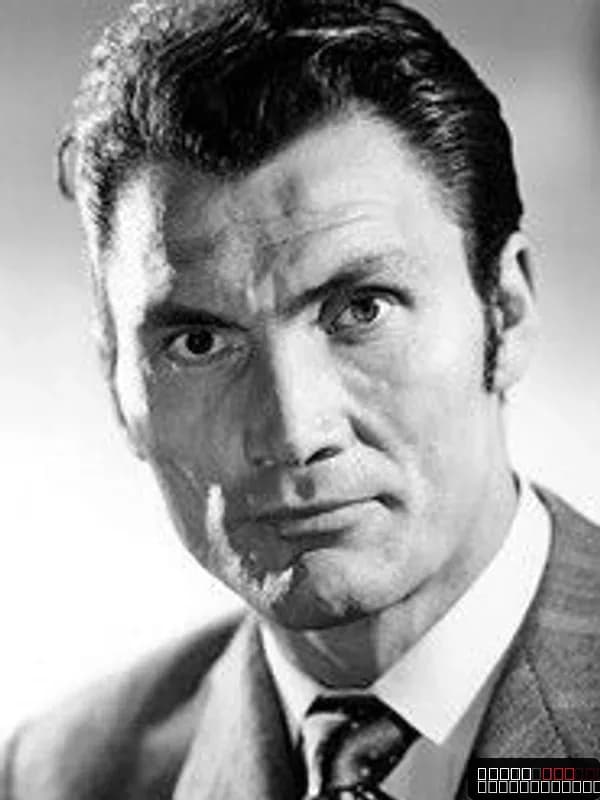
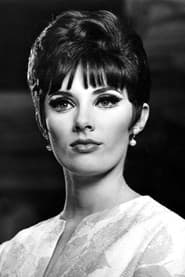
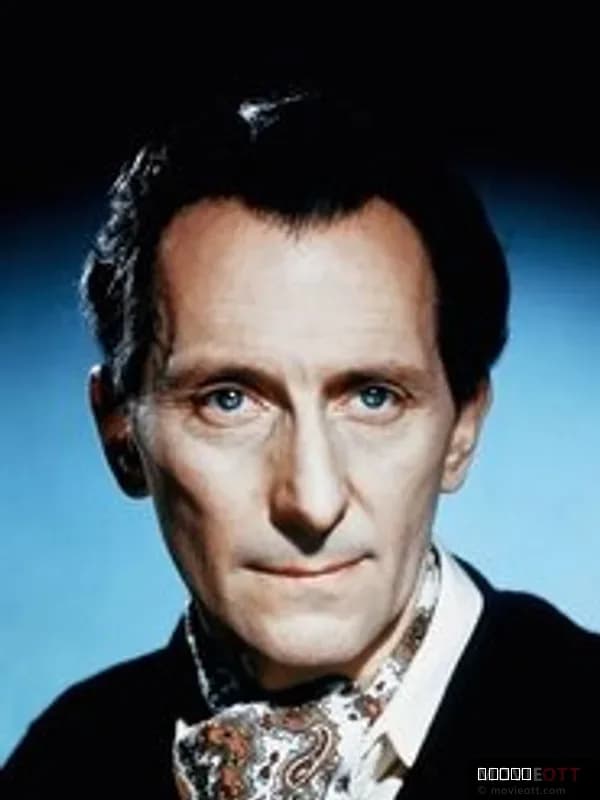
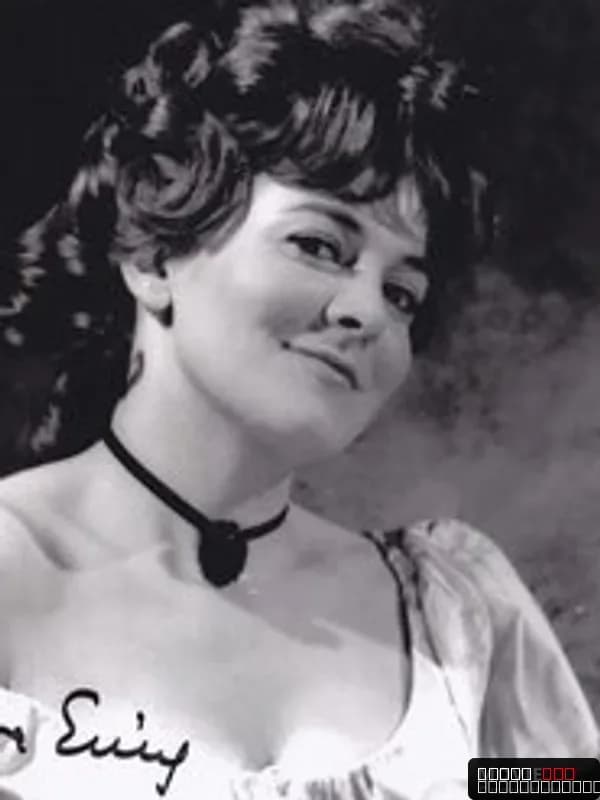
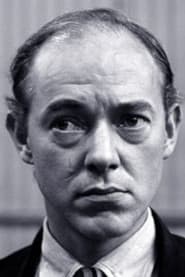
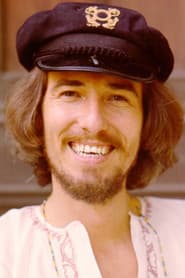
Torture Garden emerged from Amicus Productions, the British studio that carved out a distinctive niche in horror cinema during the 1960s by specializing in anthology formats—a model that would define much of their output. Directed by Freddie Francis, a cinematographer-turned-director with an eye for Gothic atmosphere, the film assembled an impressive roster of talent that speaks to its pedigree. Burgess Meredith anchors the piece as the carnival barker with unsettling charisma, while the supporting cast includes Peter Cushing, Jack Palance, and Michael Ripper, all names synonymous with British horror's golden age. The score—a collaboration between James Bernard and Don Banks, both veterans of Hammer horror productions—weaves together carnival whimsy and creeping dread in ways that feel genuinely disorienting. Released in 1967, the film arrived during a period when horror was beginning to shed its black-and-white constraints, though it carries the visual sensibility of that era even in color. The runtime of 100 minutes gives each of the four stories breathing room without overstaying its welcome, a structural discipline that many anthology films struggle to maintain. While Torture Garden didn't become a box office juggernaut, it's the kind of mid-budget horror effort that found its audience through repertory screenings and home video—the sort of film that builds a cult following precisely because it refuses easy answers or comfortable scares.
What Makes Torture Garden Stand Out
What's striking about Torture Garden is how it uses the anthology structure not as an excuse for narrative fragmentation, but as a thematic mirror. Each story peels back a different layer of human weakness—and they're not equally weighted. Some tales hit harder than others, which is exactly what an anthology should do. The film doesn't pretend every segment is equally memorable; instead, it trusts the viewer to sit with the uncomfortable ones, the ones that linger. Meredith's performance is the throughline that holds everything together—he's not a villain in the traditional sense, but rather an enabler, a carnival operator who's simply providing a service to those foolish enough to want it. What's genuinely unsettling is that he seems to be telling the truth. The doll works. The visions are real. The question the film keeps circling back to is whether seeing your own potential for corruption changes anything, or if knowing what you might become is just another form of torture. The performances from the guest stars—particularly the way they react to their visions with dawning horror—carry the weight of the narrative. There's no winking at the camera, no camp to cushion the blow. When someone confronts their future self as a murderer or a blackmailer, the film takes that seriously, and so must we. I keep coming back to the structural choice to frame everything within the sideshow itself: we're never quite sure if the visions are supernatural or psychological, and that ambiguity is the film's real strength. It's the difference between a jump scare and genuine unease.
Where to Stream Torture Garden Online
Torture Garden is currently available on major OTT services, making it easier than ever to experience this cult classic without hunting through specialty video stores. The film's availability across streaming platforms means you can check Movie OTT to see exactly which service carries it in your region—streaming rights shift frequently, and Movie OTT tracks current availability across the major players. Whether you're a horror completist looking to fill gaps in your Amicus filmography or a casual viewer curious about 1960s British genre cinema, you'll find this one accessible. The 100-minute runtime makes it a manageable evening watch, and the episodic structure means you can even dip in and out if needed, though the film works best as a complete experience. The Where to Watch widget at the top of this page will show you all current platforms offering the title.
Frequently asked questions
Q: Who directed Torture Garden?
Freddie Francis directed the film, bringing his background as a celebrated cinematographer to the project. His visual sensibility gives the carnival setting a genuinely eerie quality that elevates the material beyond straightforward horror spectacle.
Q: Is Torture Garden based on a true story?
No, it's an original screenplay created for the anthology format. The film draws on classic carnival mythology and the idea of fate-revealing attractions, but there's no historical incident behind the plot.
Q: Who plays Dr. Diabolo?
Burgess Meredith delivers the central performance as the sinister carnival showman. His gravelly voice and knowing demeanor make him perfect for the role of someone who understands human weakness better than his customers understand themselves.
Q: How long is Torture Garden?
The film runs 100 minutes, which gives each of the four stories adequate time to develop without the pacing feeling sluggish or overly compressed.
Q: What year was Torture Garden released?
Torture Garden premiered in 1967 as a British horror production from Amicus Productions, arriving during the studio's most productive period in the anthology horror format.
Final Thoughts on Torture Garden
Torture Garden isn't a perfect film—some stories land with more impact than others, and the pacing can feel uneven if you're not in the right headspace for it. But that's almost beside the point. What makes it worth seeking out is its refusal to offer easy comfort. It's a film about moral self-deception dressed up as a carnival attraction, and it works because Freddie Francis and his cast take the premise seriously. Don't expect jump scares or gore; expect something quieter and more insidious. This is horror that operates through suggestion and implication, the kind that sticks with you because it asks uncomfortable questions about who you might become if given the chance.