
The Story of Trumbo and Hollywood's Darkest Chapter
In 1947, Dalton Trumbo sat atop Hollywood's screenwriting hierarchy—a man whose words had shaped some of cinema's most beloved stories, whose name appeared above the title, whose opinions mattered in rooms where power concentrated. Then came the blacklist. Director Jay Roach's Trumbo (2015) tells the story of what happens when a writer refuses to bend, when principle collides with survival, and when the machinery of fear turns against one of its own architects. The film doesn't ask you to choose sides so much as it asks you to witness what happens when someone chooses for themselves—and lives with the consequences.
Behind the Making of Trumbo and Its Awards Recognition
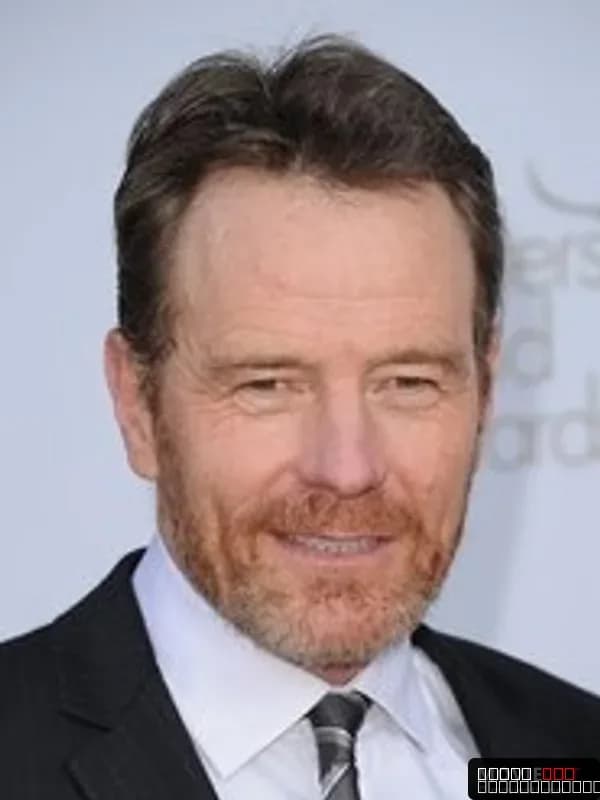
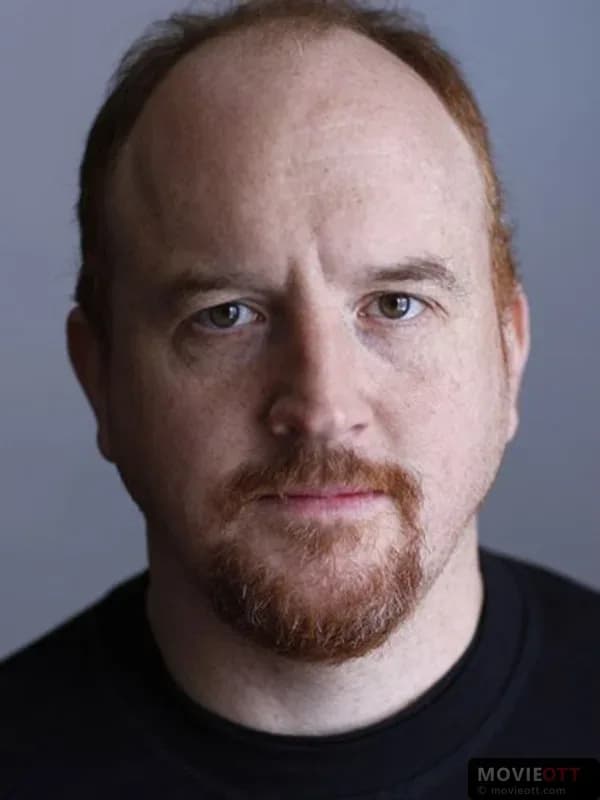
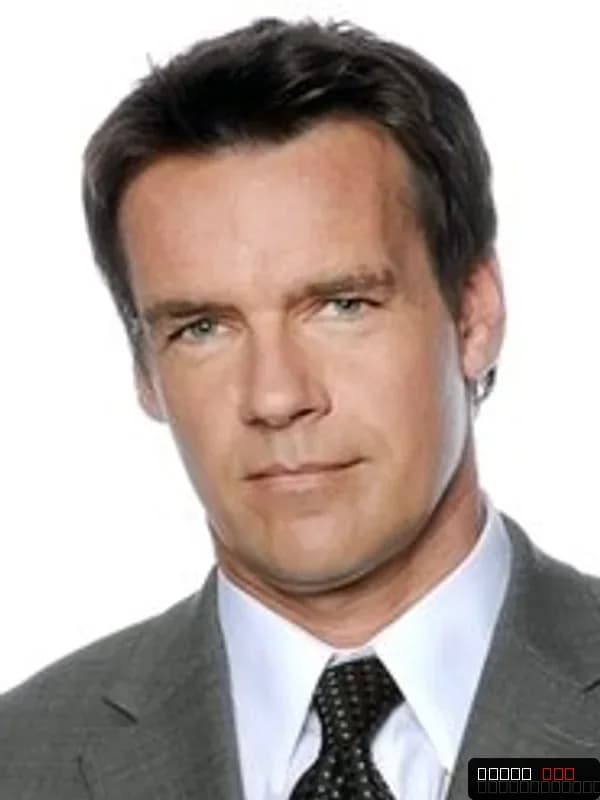
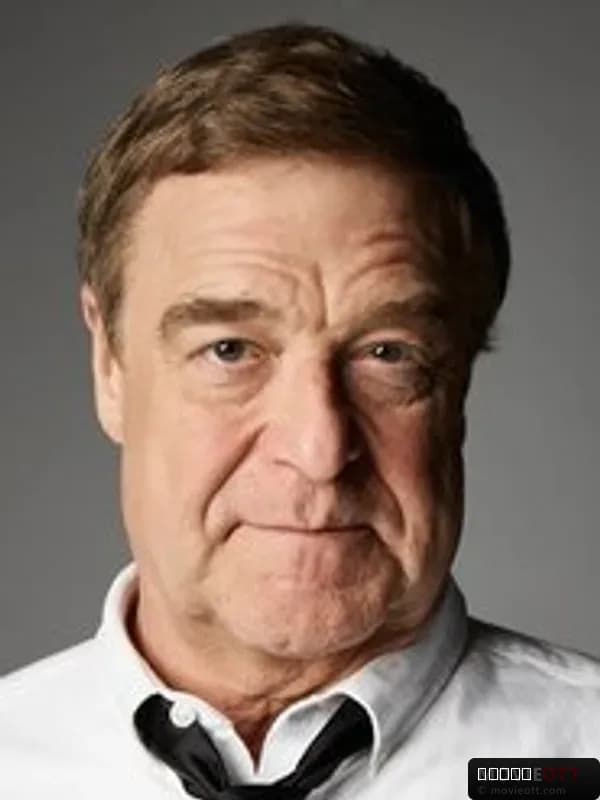
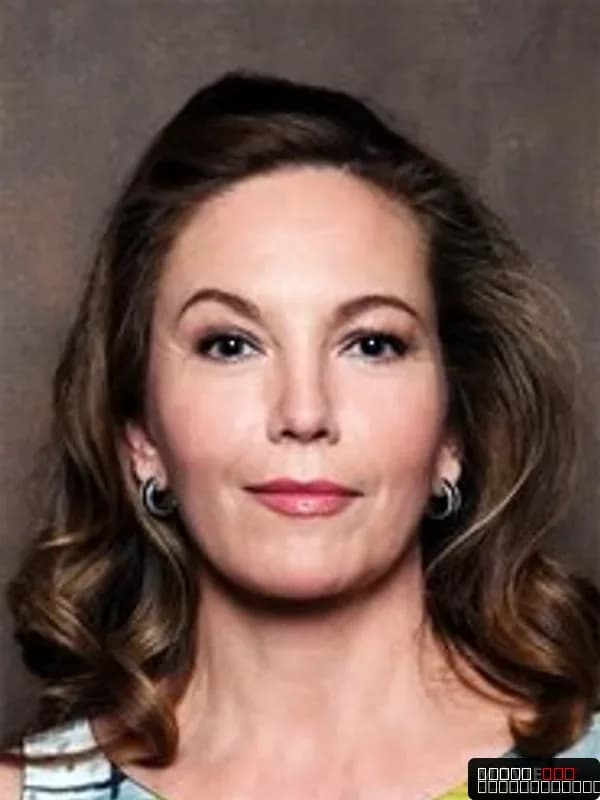
Jay Roach, the director best known for the Meet the Parents comedy franchise, took on Trumbo as a departure into serious biographical territory. The film was written by John McNamara and based on Bruce Alexander Cook's 1977 biography Dalton Trumbo, giving the project both historical foundation and literary pedigree. Roach assembled a powerhouse ensemble: Bryan Cranston in the lead role, supported by Diane Lane, John Goodman, Elle Fanning, Louis C.K., and others who bring texture to the supporting roles. The 124-minute runtime gives the narrative room to breathe—to show not just the persecution but the daily indignities, the financial desperation, the family strain.
The film earned an Oscar nomination and collected eight wins alongside 45 additional nominations across major award bodies, though its box office performance remained modest at $7.8 million, a reminder that serious historical dramas don't always find mainstream audiences. Critics were more forgiving: Rotten Tomatoes gave it a 74% Fresh rating, while the Metascore settled at 60, suggesting the kind of film that divides opinion between those who prize its earnestness and those who find it a bit conventional in its approach. The MPAA rated it R for some language and brief nudity—a detail that matters less than the film's thematic weight.
Why Trumbo Works as Both Character Study and Historical Reckoning
What's striking about Trumbo isn't that it tells us McCarthyism was wrong—that's settled history. Instead, Roach focuses on the texture of resistance: how a man keeps writing when he's forbidden from writing, how he feeds his family when no studio will hire him, how he maintains his dignity (and his sense of humor) when the system is designed to strip both away. Bryan Cranston's performance carries the film on his shoulders. He plays Trumbo as a man of appetites and principle—someone who chain-smokes, works in his bathrobe, cracks jokes even as his world collapses. There's a scene where he's reduced to writing under pseudonyms for B-movies and schlock productions, and Cranston shows us the humiliation without making it melodramatic. It's just a man doing the only thing he knows how to do, in whatever form he can manage.
The supporting cast matters too. John Goodman, playing a fellow blacklisted writer, brings warmth and solidarity. Elle Fanning, as Trumbo's daughter, anchors the family dimension—what happens to the people who love someone the government has decided to erase. Diane Lane, as his wife, carries much of the quiet anguish that the plot doesn't always foreground. The film doesn't shy away from showing how political conviction can be selfish, how standing on principle sometimes means your children go without. That complexity—the refusal to make Trumbo a simple hero—is what keeps the film from feeling like a conventional biopic.
I keep coming back to the film's treatment of the parent-child relationship. Trumbo's kids don't understand why their father has become radioactive. They see other kids have things they don't. The movie doesn't resolve this tension neatly; it lives in the discomfort. That's where the real drama breathes, not in the courtroom scenes or the political arguments, but in the kitchen table conversations where ideology meets heartbreak.
Where to Stream Trumbo Online
Trumbo has wide availability across streaming platforms, which makes it easier than ever to catch up on this piece of Hollywood history. You can find it on Netflix, Prime Video, Apple TV Store, Google Play Movies, YouTube, Fandango at Home, and numerous other services including Lionsgate+ Amazon Channels, Tubi TV, Hoopla, Kanopy, Plex, and more. Check the where-to-watch widget at the top of this page for current availability in your region and on your preferred platform. Movie OTT tracks streaming availability across all major services, so you can find exactly where the film is streaming right now without hunting through multiple apps.
Frequently asked questions
Q: Is Trumbo based on a true story?
Yes. The film is based on Bruce Alexander Cook's 1977 biography of the same name and follows the real life of screenwriter Dalton Trumbo, who was blacklisted during the McCarthy era for his political beliefs and refusal to cooperate with the House Un-American Activities Committee.
Q: Who directed Trumbo?
Jay Roach directed Trumbo. Roach is best known for directing the Meet the Parents franchise but took on this serious biographical drama as a departure into weightier material.
Q: What is the runtime of Trumbo?
The film runs 124 minutes, giving the story sufficient time to explore both the public persecution and the private family impact of the blacklist.
Q: Did Trumbo win any major awards?
The film earned an Oscar nomination and won eight awards across various ceremonies, with 45 nominations total. While it didn't win the Academy Award, it received recognition from critics' circles and industry groups that valued its historical and artistic merit.
Q: Is Trumbo appropriate for all audiences?
The film is rated R for language and brief nudity. It's suitable for mature teens and adults, though younger viewers should be aware of the thematic content around political persecution and blacklisting.
Final Thoughts on Trumbo
Trumbo arrives at a moment when questions about power, speech, and institutional retaliation feel oddly contemporary—though the film itself is rooted in 1940s Hollywood. It won't change your mind about politics, but it might change how you think about the cost of conviction. Bryan Cranston's performance alone makes it worth your time, but it's the film's refusal to simplify its subject that lingers. Watch it for the history. Stay for the humanity.