




The Story of Twelve Plus One
Twelve Plus One follows Mario, a charming but perpetually broke philanderer who receives an unusual inheritance: 13 antique chairs in terrible condition. His plan is straightforward—sell them off and pocket the cash. But then he stumbles onto a crucial detail: one of those chairs contains documents worth serious money. What unfolds is less a straightforward heist and more a picaresque romp across the continent, complete with colorful con artists, would-be helpers, and the kind of comedic mishaps that defined European farce in the late 1960s. Mario's hunt for that single chair becomes an odyssey, and the film doesn't take itself seriously for a second.
Behind the Making of Twelve Plus One
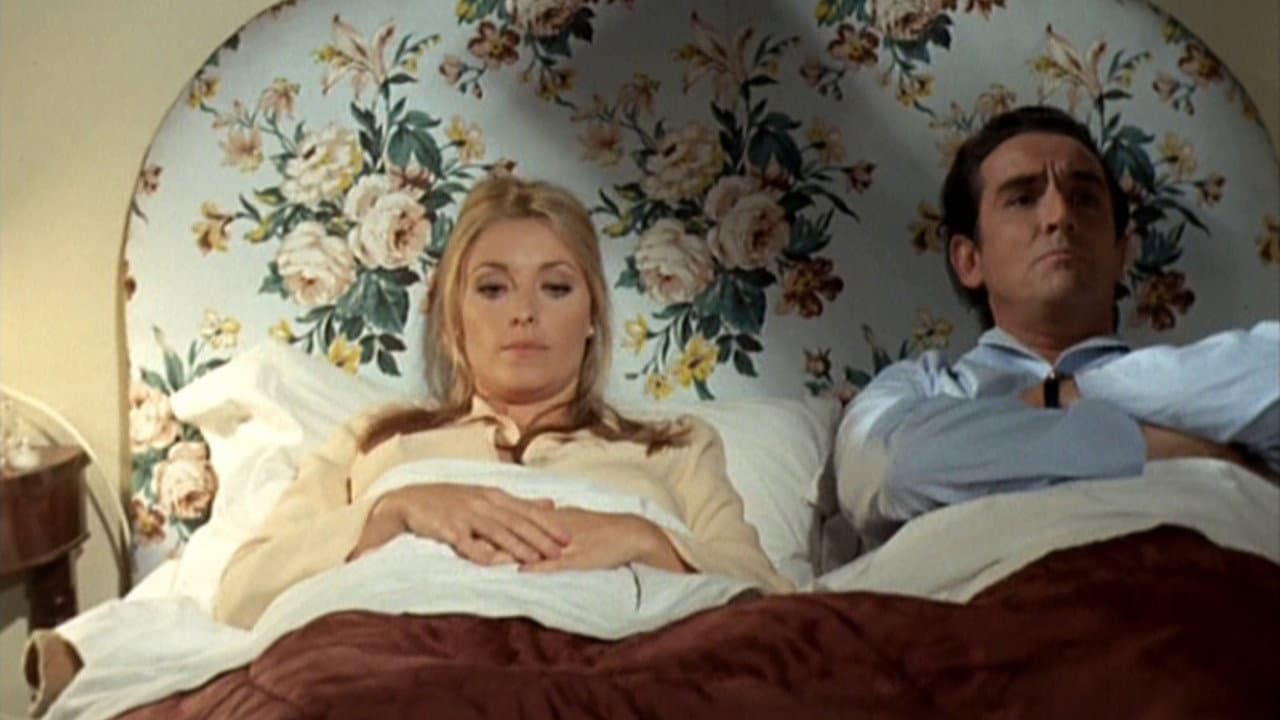
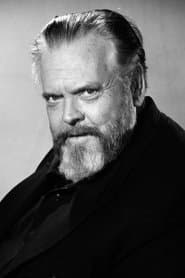
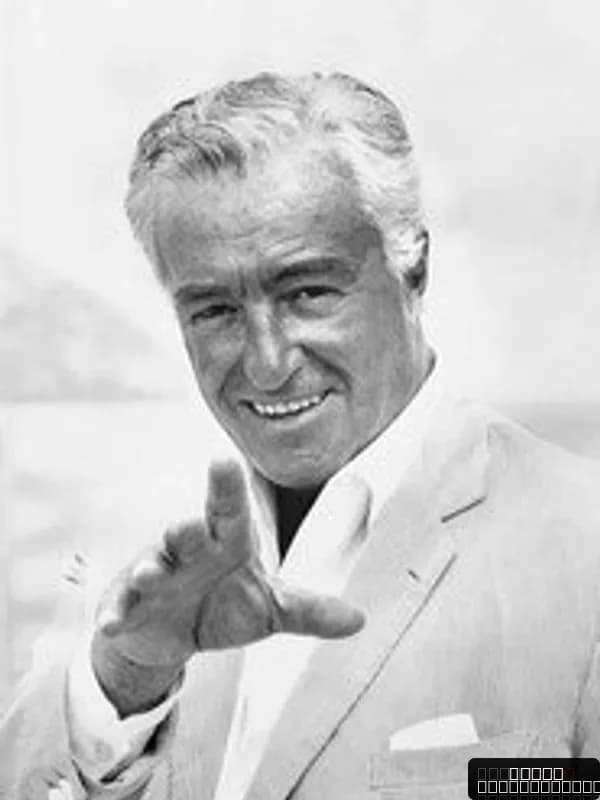
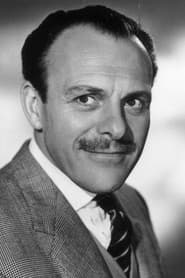
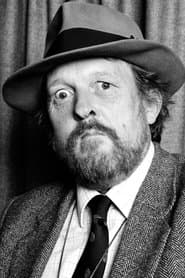
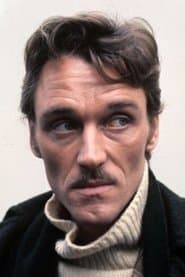
Directed by Nicolas Gessner and Luciano Lucignani, Twelve Plus One assembled a genuinely impressive ensemble cast that feels almost improbable on paper. Sharon Tate, already famous from her roles in Valley of the Dolls and Rosemary's Baby, headlines the film—and tragically, this would be her final screen appearance before her death in August 1969, just months after the film's release. Alongside her are heavyweight names like Vittorio Gassman and Orson Welles, who bring their own brand of continental charm and gravitas to what's essentially a lighthearted romp. The production was a European co-venture between Italian and French studios, Compagnia Generale Finanziaria Cinematografica and Comptoir Français de Productions Cinématographiques, reflecting the era's tendency to pool resources across borders for international appeal. The supporting cast reads like a who's who of character actors: Vittorio De Sica, Terry-Thomas, Mylène Demongeot, Grégoire Aslan, Tim Brooke-Taylor, and Lionel Jeffries all contribute memorable turns. At 94 minutes, the film moves briskly, never overstaying its welcome—a virtue in comedy, though the film's modest IMDb rating of 5.29/10 suggests audiences then and now have been mixed on its execution.
What Makes Twelve Plus One Stand Out
What's striking about Twelve Plus One is how earnestly it commits to its absurdist premise. The film doesn't wink at the audience or apologize for the sheer goofiness of chasing furniture across Europe. Instead, it leans into the chaos—and there's something genuinely likeable about that confidence, even when the jokes don't quite land. The performances, particularly from the ensemble, feel loose and playful in a way that suggests the cast was having fun on set. Gassman's exasperation, Welles's bemused authority, and Tate's spirited presence anchor what could've been a forgettable B-picture into something with genuine personality. The film's DNA belongs to the European comedy tradition of the era—less concerned with tight narrative structure than with creating a series of colorful encounters and set pieces. What's striking is that it doesn't try to be slick or contemporary; it's content to be a silly, meandering story about a guy trying to reclaim a chair. That unpretentiousness is rare, especially in a film with this caliber of talent involved.
How to Watch Twelve Plus One Online
Twelve Plus One is currently available on major OTT services—check the Where to Watch widget at the top of this page for the most up-to-date streaming availability in your region. Movie OTT tracks which platforms carry this title, so you can find it wherever you're subscribed. The film's status as Tate's final work has made it something of a historical curiosity, and it's worth noting that for many years it was difficult to find in any format. The fact that it's now accessible through streaming services means that film historians and curious viewers can finally experience this oddity without hunting through obscure video rental archives or bootleg DVDs.
Frequently Asked Questions
Q: Is Twelve Plus One really Sharon Tate's last film?
Yes. The film was released in 1969, and Tate's death occurred in August of that year, making this her final screen appearance. For decades, the film was hard to locate, which added to its mystique and historical significance.\n Q: Who directed Twelve Plus One?
The film was directed by Nicolas Gessner and Luciano Lucignani. It's a European co-production that reflects the international filmmaking landscape of the late 1960s, when French and Italian studios frequently collaborated.\n Q: What's the runtime and genre?
Twelve Plus One runs 94 minutes and is classified as a comedy. It's a lighthearted adventure film that doesn't take its premise too seriously, which is part of its charm (and, for some viewers, its weakness).\n Q: Why is the title "Twelve Plus One" if there are 13 chairs?
The title plays on the math—12 plus 1 equals 13. It's a cheeky way of framing the inheritance, and the film leans into this kind of playful wordplay throughout.\n Q: Where can I stream Twelve Plus One right now?
Check the Where to Watch widget on this page for current availability. Major OTT platforms carry the title, though availability varies by region and subscription service.\n
Final Thoughts on Twelve Plus One
Twelve Plus One isn't a masterpiece, and its mixed critical reception reflects that honest truth. But it's also not a film that deserves to be forgotten. It's a charming, unpretentious comedy that brought together serious talent for what amounts to a continental lark. The fact that it was Sharon Tate's final film gives it a poignant historical weight, even as the film itself remains light and whimsical. If you're interested in late-1960s European comedy, curious about Tate's career, or just in the mood for something quirky and low-stakes, this one's worth your time. Don't expect perfection. Just expect a fun, weird afternoon at the movies.