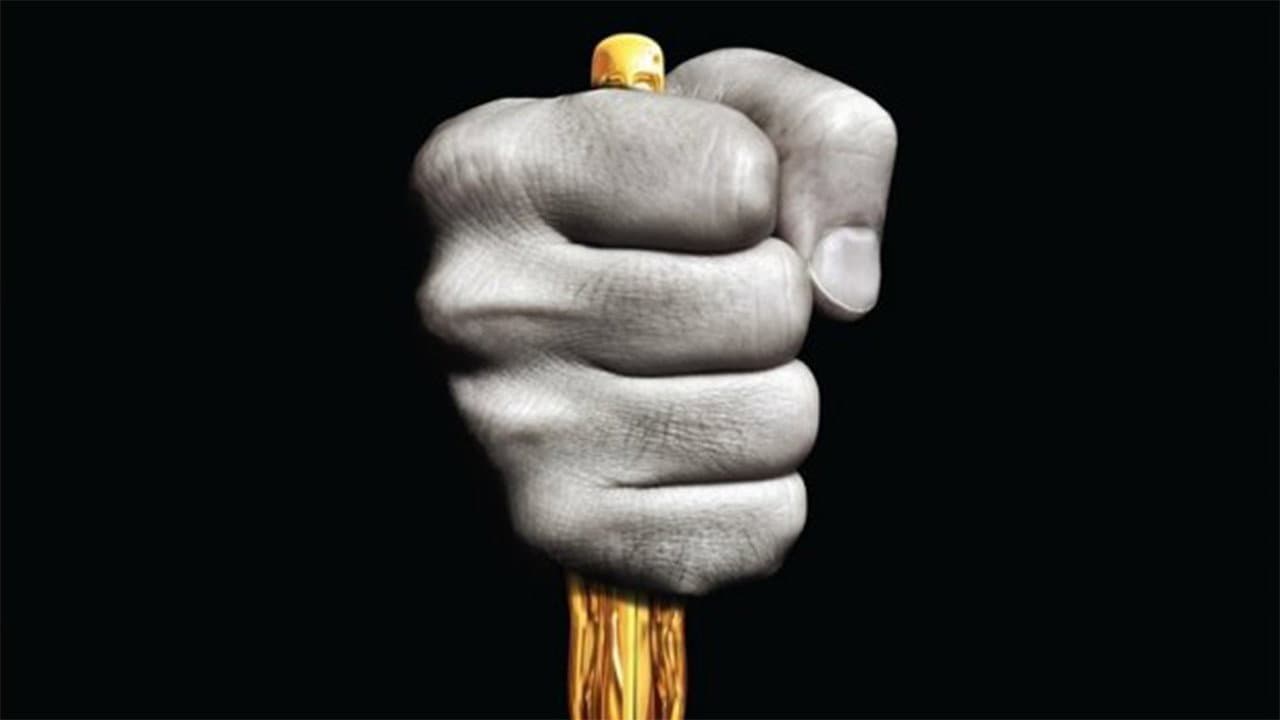
The story of Unauthorized: The Harvey Weinstein Project
Unauthorized: The Harvey Weinstein Project is a 90-minute documentary that attempts to construct a portrait of one of Hollywood's most powerful and polarizing figures. Released in 2011, the film presents an uncensored look at Weinstein's trajectory from his early days in the entertainment industry through his rise as a titan of film production and distribution. The documentary doesn't shy away from the contradictions inherent in its subject—a man who championed independent cinema and championed Oscar-winning films, yet whose methods and personal conduct remained largely shielded from public scrutiny at the time of the film's release. What makes this documentary particularly interesting is its timing: it arrived a full six years before the watershed moment of 2017 that would fundamentally reshape conversations about power, accountability, and misconduct in Hollywood.
Behind the making of Unauthorized: The Harvey Weinstein Project
The production of Unauthorized: The Harvey Weinstein Project reflects the documentary's mission to operate outside traditional gatekeeping. Produced as an independent project, the film takes a journalistic approach to its subject, weaving together interviews, archival footage, and analysis to construct a comprehensive biography of Weinstein's influence on modern cinema. The documentary examines not just his business acumen—his founding of Miramax with his brother Bob, the studio's early triumphs with films like Pulp Fiction and The English Patient—but also the personal mythology that surrounded him in Hollywood circles. At 90 minutes, the runtime is lean enough to maintain momentum while covering substantial ground. The film earned mixed critical attention upon release, with an IMDb rating of 5.1 out of 10, suggesting that audiences and critics found the approach either incomplete or controversial in its framing. Movie OTT tracks documentaries like this across multiple streaming services, making it easier to find films that examine the entertainment industry from various angles and perspectives.
What makes Unauthorized: The Harvey Weinstein Project stand out
What's striking about this documentary—especially when viewed in retrospect—is how it grapples with a figure who was simultaneously celebrated and rumored to be difficult, aggressive, and worse. The film doesn't present a hatchet job; rather, it attempts something more nuanced and, ultimately, more troubling: a straightforward examination of a man whose public achievements seemed almost designed to overshadow whispers about his private conduct. The documentary format allows for context that a traditional biography might not capture—interviews with industry figures, footage of award ceremonies where Weinstein basked in recognition, and analysis of his actual impact on cinema as we know it. I keep coming back to how the film captures the paradox of Weinstein's legacy: a producer who genuinely championed films and filmmakers that wouldn't otherwise have found distribution, yet operated within a system that protected him from consequences. The documentary doesn't resolve this contradiction so much as hold it up to the light. There's real value in that discomfort—in being forced to sit with the fact that someone can contribute meaningfully to art while simultaneously causing harm. That's the documentary's central tension, and it's what makes revisiting it now feel almost archaeological, like examining evidence of a world that should have known better.
Where to stream Unauthorized: The Harvey Weinstein Project online
Unauthorized: The Harvey Weinstein Project is currently available across major OTT services, making it accessible to viewers interested in documentaries about the entertainment industry and its power structures. You'll find it listed in the Where to Watch widget at the top of this page, which aggregates current streaming availability so you don't have to hunt across multiple platforms. Whether you're subscribed to the major streaming services or prefer to rent or purchase, the film is available through various options. Movie OTT helps streamers find documentaries and investigative films like this one without having to check each service individually—a real time-saver when you're looking for specific titles.
Frequently asked questions
Q: When was Unauthorized: The Harvey Weinstein Project released?
The documentary premiered in 2011, six years before the #MeToo movement and the public reckoning with Weinstein's conduct. This timing makes the film a fascinating historical artifact—a pre-scandal examination of a figure who would later become synonymous with institutional failure and abuse.
Q: Is Unauthorized: The Harvey Weinstein Project based on a true story?
Yes, it's a documentary film, meaning it's based on real events, real people, and documented history. The film examines Weinstein's actual career, his founding of Miramax, and his influence on Hollywood through interviews and archival material rather than dramatization.
Q: How long is Unauthorized: The Harvey Weinstein Project?
The documentary runs 90 minutes, making it a relatively concise examination of Weinstein's life and career. That runtime allows it to cover substantial ground without becoming exhaustingly long.
Q: What's the critical consensus on Unauthorized: The Harvey Weinstein Project?
The film holds a 5.1 rating on IMDb, indicating mixed reception among viewers. Some found it a valuable examination of a powerful figure, while others felt the documentary didn't go far enough in its critique or was incomplete in its scope.
Q: Why should I watch Unauthorized: The Harvey Weinstein Project now?
Revisiting this 2011 documentary offers perspective on how the entertainment industry operated before the reckoning of 2017. It's a document of a moment in time—before the public knew what we now know—and that historical context makes it valuable for understanding how power operated unchecked in Hollywood.
Final thoughts on Unauthorized: The Harvey Weinstein Project
Unauthorized: The Harvey Weinstein Project won't feel like comfort viewing—it shouldn't. What it offers instead is a chance to examine how systems protect powerful people, and how narratives get constructed around them. The documentary is imperfect, which is precisely why it's worth watching. It's a snapshot of a world that's been forced to reckon with itself, and seeing how this film approached its subject before that reckoning happened is genuinely instructive. If you're interested in documentaries about Hollywood, power, and institutional accountability, this is essential viewing.