



The Story of Unfreedom: Two Acts of Captivity
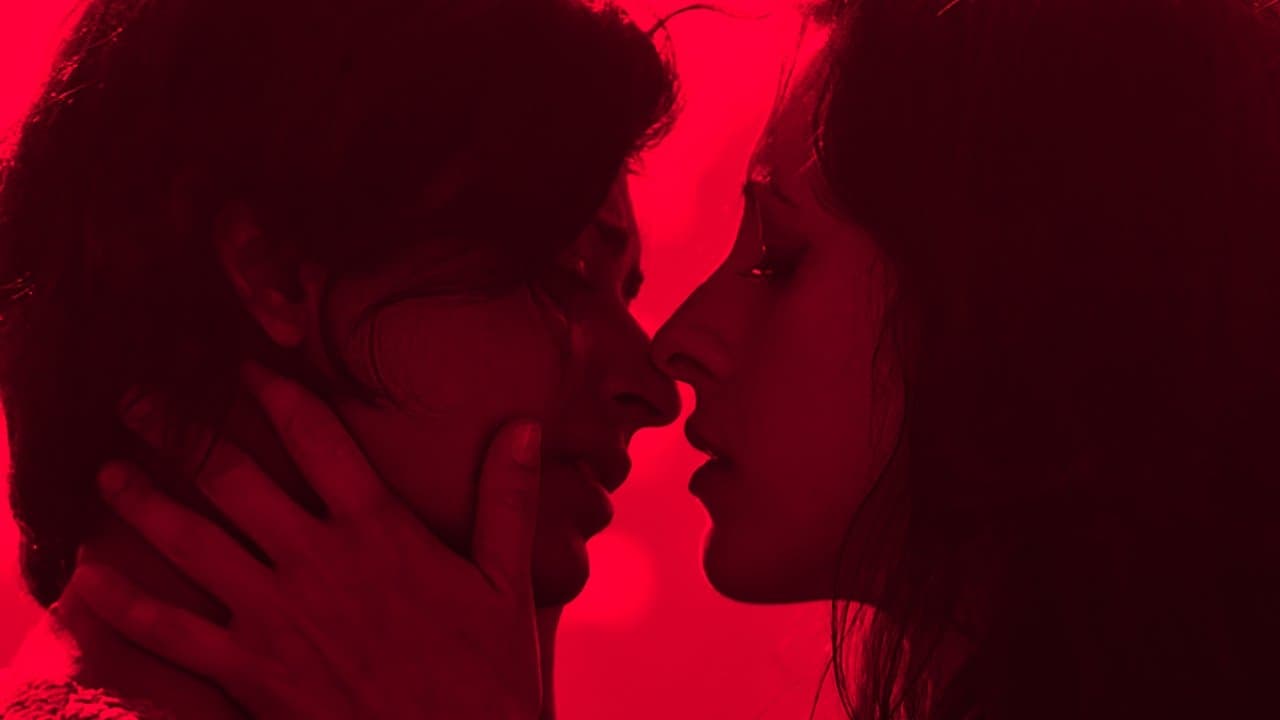
Unfreedom doesn't follow the conventional structure of most dramas. Instead, director Raj Amit Kumar splits his narrative across two cities, two kidnappings, and two fundamentally different forms of imprisonment. In New York, a Muslim fundamentalist abducts a liberal Muslim scholar with murderous intent. Simultaneously, in New Delhi, a closeted lesbian kidnaps her bisexual activist lover—not to kill, but to force marriage. What emerges is a brutal meditation on how ideology, desire, and fear can transform ordinary people into captors. The film's central tension isn't suspense about escape; it's the psychological weight of watching people destroy what they claim to love.
The title itself references Faiz Ahmad Faiz's Urdu poem "Ye Dagh Dagh Ujala" (This Stained Light), a work about oppression and the struggle for freedom. That literary foundation matters—Unfreedom isn't interested in cheap thrills. It's a slow-burn examination of how we cage ourselves and others in the name of belief, protection, or desire.
Behind the Making of Unfreedom: Production and Cast
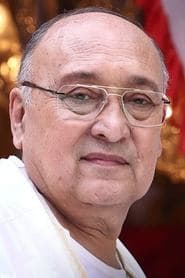
Unfreedom arrived in North American theaters on May 29, 2015, after its 2014 festival circuit run, emerging as a distinctly Indian production with international ambitions. Director Raj Amit Kumar crafted the film as a two-narrative structure that deliberately refuses easy moral judgment. The cast anchors the film's emotional weight—Victor Banerjee, known for his measured intensity in art cinema, carries the New York storyline, while Adil Hussain (who'd go on to appear in Raees and Hey Ram) and Preeti Gupta navigate the New Delhi plot with the kind of restrained desperation the material demands.
The film's budget and box office performance remain modest by mainstream standards, but that's partly the point. This isn't a film engineered for wide commercial appeal. Instead, it's the kind of indie drama that finds its audience through festival circuits and streaming platforms—the kind Movie OTT helps viewers discover when they're searching for something that challenges rather than comforts. The production design reflects both cities' claustrophobic interiors, with cramped apartments and confined spaces becoming characters themselves. The cinematography privileges shadow and stillness over spectacle, which sounds austere but actually deepens the psychological horror of what's unfolding.
What Makes Unfreedom Stand Out: Performance and Themes
Here's what's striking about Unfreedom: it refuses to let you pick a side or feel superior to its characters. The fundamentalist in New York isn't a cartoon villain spouting ideology—he's trapped by his own beliefs. The lesbian in New Delhi isn't a tragic figure to pity; she's an active agent of violence, even if her violence wears the mask of devotion. The performances don't ask for sympathy so much as understanding, which is far more uncomfortable.
Adil Hussain's work in particular carries a quiet desperation that lingers. There's a scene early on where he's trying to convince his captor that love shouldn't look like this—that freedom and genuine affection can't coexist with chains (literal or otherwise). The dialogue is sparse, which makes every word matter more. What's striking is how the film treats both kidnappings with equal narrative weight. It doesn't position one as more justified than the other, or more sympathetic. They're parallel acts of unfreedom, separated by geography but united by the same human impulse to possess, control, and remake another person in your image.
The film's IMDb rating of 5.1/10 reflects its divisive nature. Some viewers find the dual narrative frustrating or the pacing glacial. Others recognize that glacial pacing as intentional—a formal choice that mirrors the psychological imprisonment at the film's core. The violence, when it comes, isn't gratuitous; it emerges from the accumulated pressure of two people trapped together, their ideologies and desires grinding against each other with nowhere to go.
How to Stream Unfreedom Online
Unfreedom is available across major OTT services, making it accessible to anyone curious about indie international drama. The "Where to Watch" widget at the top of this page will show you exactly which platform has it in your region right now—availability shifts, and Movie OTT tracks current streaming availability across Netflix, Prime, and Hotstar to save you the hunting. At 102 minutes, it's a film that demands your full attention but doesn't overstay its welcome. It's the kind of title that rewards a quiet evening when you're ready for something that won't resolve neatly or make you feel good about human nature.
Frequently asked questions
Q: Who directed Unfreedom?
Raj Amit Kumar directed Unfreedom, crafting a two-narrative structure inspired by Faiz Ahmad Faiz's Urdu poem "Ye Dagh Dagh Ujala." The film premiered in 2014 and reached North American audiences in May 2015.
Q: Is Unfreedom based on a true story?
No, Unfreedom is a fictional drama, though it's rooted in the poet Faiz Ahmad Faiz's work about oppression and freedom. The film uses its parallel narratives as a meditation on ideology and captivity rather than adapting real events.
Q: What is Unfreedom's runtime?
Unfreedom runs for 102 minutes, a lean runtime that doesn't waste time but also doesn't rush its psychological exploration of its two central kidnappings.
Q: Who stars in Unfreedom?
The film features Victor Banerjee, Adil Hussain, and Preeti Gupta in its lead roles. Banerjee anchors the New York narrative while Hussain and Gupta drive the New Delhi storyline.
Q: Why is Unfreedom rated 5.1 on IMDb?
The film's modest IMDb rating reflects its divisive nature—some find its slow pacing and refusal to offer easy moral judgments frustrating, while others view these as intentional formal choices that deepen its psychological impact.
Final Thoughts on Unfreedom
Unfreedom isn't a comfortable watch, and it's not trying to be. It's a film that asks uncomfortable questions about the gap between love and control, belief and violence, freedom and the desperate human need to hold onto something—or someone. If you're drawn to challenging indie cinema that trusts its audience to sit with moral ambiguity, it's worth seeking out. Don't expect catharsis. Do expect to think about it long after it ends.