


The story of Unlovable: addiction, music, and the search for real intimacy
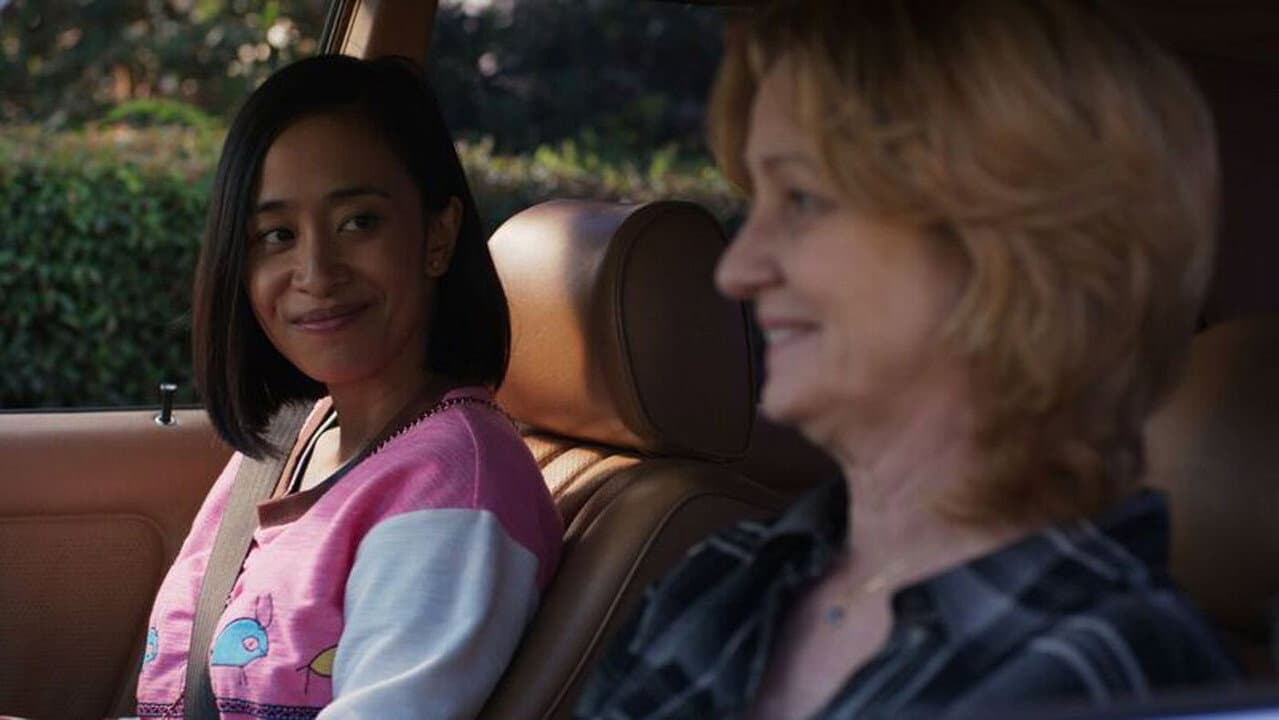
Unlovable tells the story of Joy, a Filipino-American woman caught in a cycle of sex and love addiction that's slowly hollowing her out. She's smart, charismatic, and deeply broken — the kind of person who can charm her way into anyone's bed but can't sit with herself for five minutes without reaching for her phone. When she meets a reclusive musician, something shifts. Not romance, not exactly. What unfolds instead is something messier and more honest: a friendship built on music, vulnerability, and the terrifying possibility that real intimacy might not look the way she's been chasing it.
Directed by Suzi Yoonessi and written by Charlene deGuzman (who also stars), the 2018 film isn't a recovery narrative dressed up in Hollywood sentiment. It's grittier than that. The film moves through Joy's life with a kind of documentary intimacy, capturing the small humiliations and desperate moments that addiction breeds. What makes it work is that it never looks away — and it never lets you feel superior either.
Behind the making of Unlovable: Duplass Brothers Productions and indie credibility
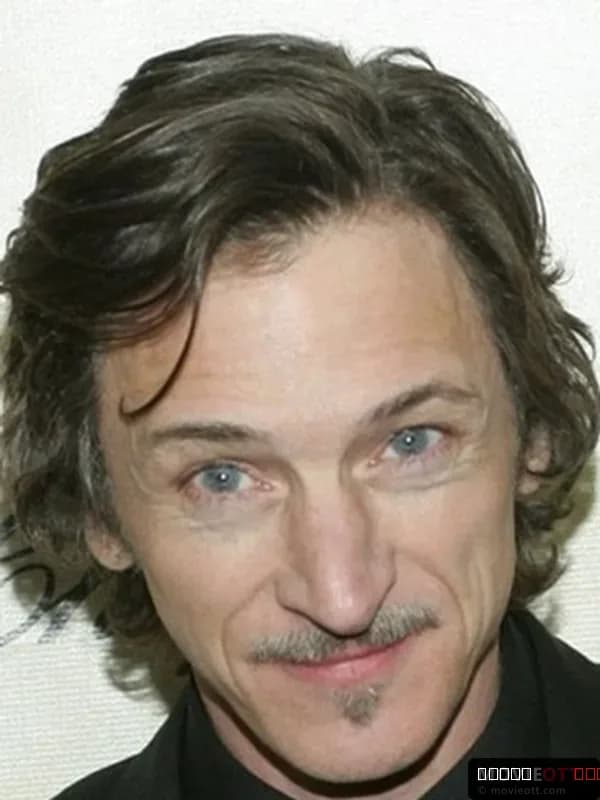
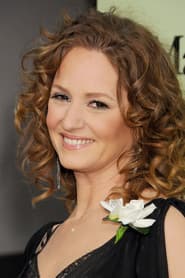
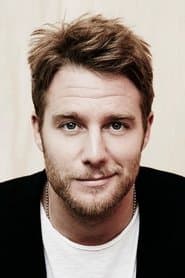
Unlovable emerged from Duplass Brothers Productions, the banner behind some of indie cinema's most distinctive voices. The creative team brought serious pedigree: co-written by Sarah Adina Smith and Mark Duplass, the film premiered at SXSW in 2018 and earned special jury recognition for the LUNA Gamechanger Award, a distinction that signals the festival circuit's respect for its bold subject matter and execution. The cast includes John Hawkes, a veteran character actor known for his intensity, and Melissa Leo, whose Oscar-nominated career speaks to her willingness to inhabit complicated, unglamorous roles.
Charlene deGuzman's dual role as writer and lead is the film's backbone. She's not playing a version of herself — she's channeling something rawer, more exposed. The film was distributed by Orion Classics, a label that's carved out space for boundary-pushing independent cinema. At 80 minutes, the film moves with the economy of a short story, refusing to waste a moment on exposition or false sentiment. The "Not Rated" status meant the filmmakers could follow their instincts without MPAA constraints, a freedom that shows in the film's willingness to sit with uncomfortable truths about desire, loneliness, and the gap between who we want to be and who we actually are.
Why Unlovable resonates: performances that feel lived-in
What's striking is how the film refuses easy answers or redemptive arcs. Joy doesn't get fixed. She doesn't have a breakthrough in act three and become a better person. Instead, she has moments — small, incremental shifts in how she relates to another human being. The screenplay understands that recovery isn't a destination; it's a practice you'll probably fail at repeatedly. That's the kind of honesty that separates Unlovable from a hundred other indie films about broken people.
The critical consensus backs this up. Rotten Tomatoes gave it an 82% Fresh rating, while Metascore rated it 77/100, suggesting that critics found something genuine beneath the surface discomfort. The IMDb community rated it 6.1/10 across 581 votes — lower than the critical scores, which often happens when a film challenges audiences more than it comforts them. Hawkes and Leo don't have enormous screen time, but what they do with it matters. There's a scene where Joy's friend (Leo) simply listens to her, and the camera holds on her face long enough that you feel the weight of witnessing someone else's pain. That's not flashy acting. It's the kind of work that doesn't get awards recognition but stays with you.
The film also works because it trusts music as a language. Rather than treating the musical elements as a subplot, Yoonessi weaves them through the narrative as a genuine avenue for connection. When Joy and the reclusive musician play together, there's a tenderness that contrasts sharply with her earlier sexual encounters — you can feel the difference between performance and presence. It's a small but crucial distinction that the film earns through patience and specificity.
Where to stream Unlovable online
If you're looking to watch Unlovable, the film is currently available across major OTT services. Movie OTT tracks real-time streaming availability across platforms, so you can see exactly where it's playing right now without guessing. Since streaming rights shift frequently, checking the Where to Watch widget at the top of this page will show you the most current options — whether that's a subscription service, rental, or purchase. It's worth noting that a film like this, with its indie pedigree and festival recognition, often cycles through different platforms, so if you don't see it on your preferred service today, it's worth checking back in a few months.
Frequently asked questions
Q: What is Unlovable about?
The film follows Joy, a woman struggling with sex and love addiction, as she begins to form an unexpected friendship with a reclusive musician. Through their collaboration and connection, she starts to understand what real intimacy might actually mean beyond physical encounters.
Q: Who directed and wrote Unlovable?
Unlovable was directed by Suzi Yoonessi and written by Charlene deGuzman, Sarah Adina Smith, and Mark Duplass. DeGuzman also stars in the lead role, bringing a personal authenticity to the material.
Q: Where can I watch Unlovable?
The film is available on major OTT streaming platforms. Check the Where to Watch widget on this page or visit Movie OTT to see current availability on services in your region.
Q: How long is Unlovable?
The film runs 80 minutes, giving it the tightness of a short story that refuses to overstay its welcome.
Q: Did Unlovable win any awards?
Yes. The film received 3 wins and 3 nominations at various festivals, including special jury recognition for the LUNA Gamechanger Award at SXSW 2018, where it premiered.
Q: Is Unlovable based on a true story?
While not based on a specific true story, the film draws from real experiences with addiction and recovery. Charlene deGuzman's involvement as writer and star lends the work an autobiographical intimacy, even if the narrative itself is fictional.
Final thoughts on Unlovable: a film for people tired of easy answers
Unlovable isn't a comfortable watch. It doesn't flatter its protagonist or offer the catharsis of a traditional redemption arc. But that's precisely why it matters. Here's what I keep thinking about: how rare it is to see a film about addiction that doesn't treat recovery as a finish line. The film understands that healing is messy, nonlinear, and often involves just showing up to play music with someone who gets it. If you're looking for a film that trusts you to sit with ambiguity and contradiction, that doesn't need to wrap everything up with a bow, Unlovable is worth your time. It's the kind of small, fierce indie that reminds you why independent cinema exists — to tell stories that bigger systems won't touch.