

The story of Vampire Academy
Vampire Academy follows Rose Hathaway, a Dhampir—that's half-human, half-vampire—who's spent the last year on the run with her best friend Lissa Dragomir. Lissa is a Moroi, a rare breed of living vampire with magical powers, and Rose's entire purpose is to serve as her guardian and protector against Strigoi, the truly dangerous undead vampires who want nothing more than to turn the Moroi into their own kind. When they return to St Vladimir's Academy, an exclusive boarding school hidden from the human world, Rose has to navigate the politics of vampire society, master combat training, and keep Lissa safe—all while dealing with the typical teenage drama of crushes, social hierarchies, and finding where she really belongs.
Behind the making of Vampire Academy
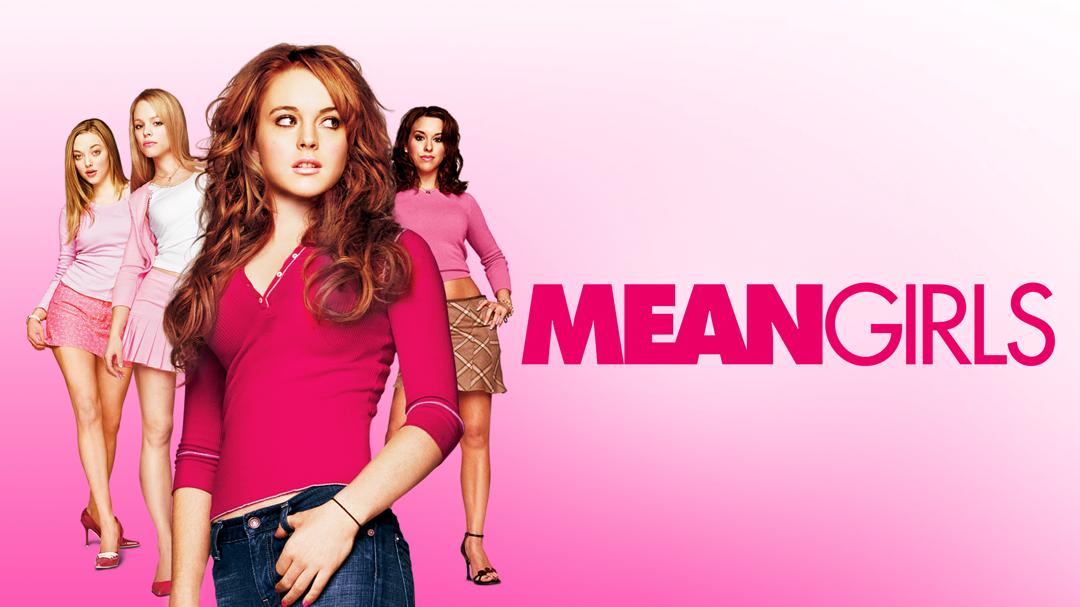
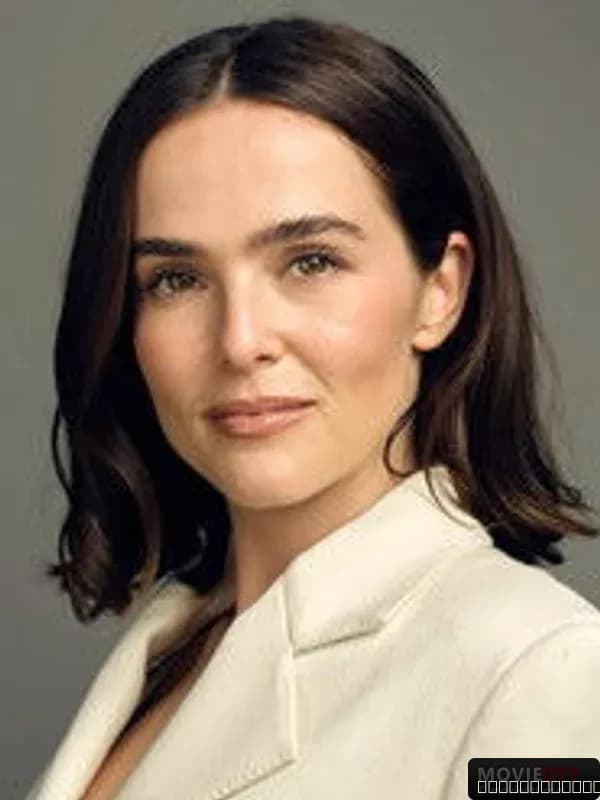
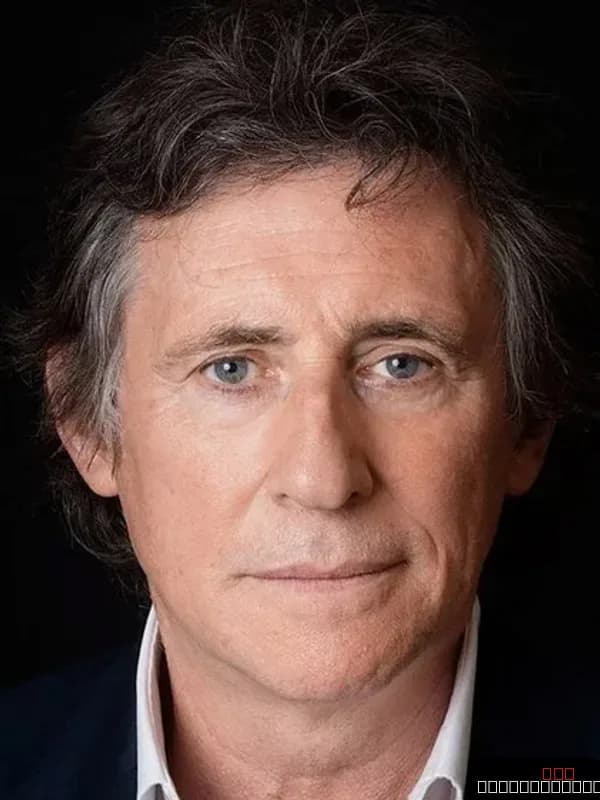
Director Mark Waters brought his signature comedic sensibility to this 2014 adaptation, working from a screenplay penned by his brother Daniel Waters. The film draws from the first book in Richelle Mead's hugely popular young-adult novel series, which had already built a devoted fanbase before hitting the screen. Waters, known for his work on Mean Girls and Heathers, assembled an ensemble cast that brought genuine chemistry to the material. Zoey Deutch plays Rose with scrappy determination, while Lucy Fry grounds the story as the more reserved Lissa. The supporting cast includes Gabriel Byrne as the headmaster, Olga Kurylenko as a morally ambiguous instructor, and Danila Kozlovsky as a love interest who complicates Rose's loyalty to her mission. The film clocks in at 104 minutes and carries a PG-13 rating, keeping it accessible to the young-adult demographic that drove interest in the source material. Though the movie didn't become the box-office juggernaut the studio hoped for, it's found a steady audience on streaming platforms and remains a curious artifact of mid-2010s YA adaptation trends.
What makes Vampire Academy stand out in the action-comedy space
What's striking about Vampire Academy is how unashamed it is about blending tones. The film doesn't apologize for being funny—there's a genuine comedic energy in the writing and performances that keeps things light, even when stakes are supposedly high. Deutch's Rose cracks jokes while training, the academy's social dynamics are played for laughs as much as drama, and there's a self-aware quality to how the film treats its own supernatural ruleset. The action sequences, while not groundbreaking, have a kinetic style that suits the material: quick cuts, bright color grading, and a sense that nobody's taking themselves too seriously. I keep coming back to the fact that the film understands its audience doesn't want grim, po-faced teen angst—they want fun, adventure, and romance with a side of genuine peril. The chemistry between Deutch and Fry feels earned rather than manufactured, which anchors the emotional core of the story. Yes, the IMDb rating sits at 5.6/10, and critics weren't universally kind, but there's something to be said for a movie that prioritizes entertainment and character rapport over critical acclaim. The performances, particularly Deutch's, suggest a cast that understood the assignment: deliver an entertaining ride, not a prestige drama.
Where to stream Vampire Academy online
Vampire Academy is currently available on Netflix, making it easy to catch up on the film without hunting across multiple streaming services. Movie OTT tracks where titles like this are streaming in real time, so if you're building a watchlist, you can check there to confirm availability in your region before settling in. The film's 104-minute runtime makes it a solid weekend pick—long enough to feel like a full experience, short enough that you won't feel like you're committing to an epic undertaking. Netflix's library shifts regularly, so it's worth checking the Where to Watch widget at the top of this page to confirm the film's current status on your preferred platform.
Frequently asked questions
Q: Is Vampire Academy based on a book series?
Yes, the film is adapted from the first novel in Richelle Mead's bestselling Vampire Academy series. The books follow Rose and Lissa through multiple years at the academy, so there's plenty of source material for those curious about where the story continues beyond the 2014 film.
Q: Who directed Vampire Academy?
Mark Waters directed the film from a screenplay by his brother Daniel Waters. Waters is known for his work on comedies like Mean Girls, which explains the film's tonal balance between humor and action.
Q: What's the difference between Moroi and Strigoi in Vampire Academy?
Moroi are living vampires with magical abilities and a moral code, while Strigoi are undead vampires created when a Moroi is turned—they're essentially the villains of the story, driven by hunger and malice rather than conscience.
Q: Is there a Vampire Academy sequel?
The 2014 film didn't spawn a theatrical sequel, though the source material has enough story for multiple films. A more recent Vampire Academy television series began development, but the 2014 movie stands alone as its own adaptation.
Q: What's the runtime and rating of Vampire Academy?
The film runs 104 minutes and carries a PG-13 rating, making it accessible to teen audiences while still delivering action and supernatural elements.
Final thoughts on Vampire Academy
Vampire Academy won't revolutionize your life or redefine the YA adaptation genre. But it's a genuinely fun watch that understands what its audience wants: humor, action, friendship, and romance without pretension. Zoey Deutch carries the film with charisma, the supporting cast keeps things lively, and Mark Waters' direction ensures the pacing never drags. If you're in the mood for something that doesn't take itself too seriously but delivers solid entertainment, this one's worth your time on Netflix. It's the kind of film that works best when you're not expecting art—just a good time.