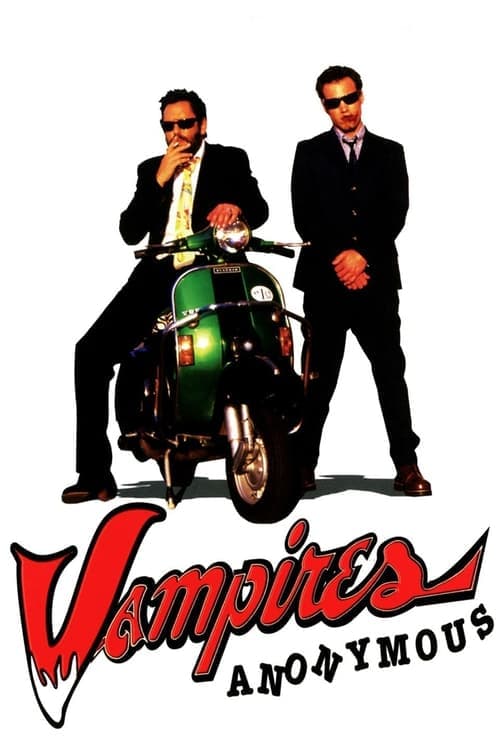









The Story of Vampires Anonymous
Vampires Anonymous takes a premise that sounds like it came from a late-night pitch session and actually commits to it. The film follows a vampire protagonist who's tired of the whole blood-drinking lifestyle and decides to join—you guessed it—a 12-step recovery program. It's the kind of high-concept comedy-horror mashup that either lands brilliantly or crashes spectacularly. What's striking is that the film manages to straddle both genres without fully committing to either, which gives it a weird, off-kilter charm that lingers even after the credits roll. The 88-minute runtime moves briskly through scenarios that are equal parts absurd and genuinely unsettling, creating something that feels like it wandered out of a very specific corner of early-2000s genre cinema.
Behind the Making of Vampires Anonymous
Vampires Anonymous arrived in 2003 at a moment when vampire fiction was experiencing one of its periodic cultural shifts. The film sits somewhere between the post-Buffy landscape and the pre-Twilight era, when filmmakers still felt free to treat the genre with darkly comic irreverence. The production wasn't a major studio affair—it was an independent venture, which explains both its scrappy energy and its willingness to take creative swings that bigger studios might've rejected outright. With an IMDb rating of 5.7 out of 10, the film clearly polarized audiences. Some viewers embraced its offbeat sensibility; others found it too uneven to fully recommend. The film's modest budget and limited theatrical run meant it never achieved mainstream recognition, but it's developed a small but devoted cult following among fans who appreciate its refusal to play it safe. Cast and crew brought an earnestness to material that could've been played purely for laughs, grounding the absurdity in genuine character work—which is harder than it sounds when your protagonist is a vampire attending meetings in a church basement.
What Makes Vampires Anonymous Stand Out
The real strength of Vampires Anonymous lies in how it uses the recovery program framework as a genuine lens for examining addiction, shame, and the possibility of change. Plenty of comedies have mined the 12-step format for easy laughs, but this film actually seems interested in the emotional truth underneath the premise. The vampire protagonist isn't just a punchline; he's a character wrestling with real self-loathing and the exhaustion that comes from a lifestyle you can't sustain anymore. That tension—between the inherent comedy of the situation and the legitimate pathos of someone trying to rebuild their life—is what keeps the film from becoming a one-joke affair. The performances don't wink at the camera. The actors treat the material with surprising sincerity, which makes the moments of genuine horror land harder when they come. There's a scene early on that I won't spoil, but it reminded me that vampirism in this film isn't cute or romanticized—it's a compulsion that's destroyed lives. That tonal balance is tricky to maintain, and the film doesn't always nail it, but when it does, there's something oddly moving about watching a monster try to become human again. It's the kind of character arc you don't expect to find in a 2003 B-movie, which is partly why the film has aged better than you'd think.
Where to Stream Vampires Anonymous Online
If you're curious about checking out this cult curiosity, you won't have to hunt too hard. Vampires Anonymous is currently available on major OTT services, making it easier than ever to access this oddball gem from your couch. The Movie OTT streaming guide tracks real-time availability across platforms, so you can see exactly where it's streaming in your region right now. Since availability shifts between services, the Where to Watch widget at the top of this page will show you the most current options. The film's 88-minute length makes it a perfect late-night watch—substantial enough to feel like a complete experience, but short enough that you're not committing your entire evening. It's the kind of movie that rewards a little bit of patience and a willingness to meet it on its own weird terms.
Frequently Asked Questions
Q: Is Vampires Anonymous a serious horror film or a comedy?
It's genuinely both, though not always in equal measure. The film blends dark comedy with legitimate horror elements, creating a tonal experience that's unpredictable. That's either its greatest strength or its biggest liability, depending on what you're in the mood for.
Q: Who directed Vampires Anonymous?
The film was directed by David Gunn, an independent filmmaker whose work often explores genre conventions in unconventional ways. Gunn's willingness to treat the vampire-in-recovery premise with earnestness is a big part of what makes the film work at all.
Q: How long is Vampires Anonymous?
The film runs 88 minutes, which is lean enough to maintain momentum without overstaying its welcome. That runtime works in the film's favor—there's no padding, and the pacing keeps you off-balance in the way the film intends.
Q: What's the IMDb rating for Vampires Anonymous?
The film sits at 5.7 out of 10 on IMDb, reflecting a mixed critical and audience reception. Don't let that score deter you if the premise appeals to you—ratings don't always account for cult appeal or what makes a film memorable.
Q: Is Vampires Anonymous based on a true story?
No, it's entirely fictional—though the 12-step framework it uses is based on real recovery programs. The vampire element is pure genre invention, which is kind of the point.
Final Thoughts on Vampires Anonymous
Vampires Anonymous won't be for everyone. It's too weird, too uneven, too committed to its strange premise for mainstream audiences. But that's exactly why it deserves a look if you're the kind of viewer who appreciates genre cinema that takes risks. The film respects its audience enough to not explain every joke, and it trusts the material enough to let moments of genuine darkness sit alongside the absurdity. It's a reminder that sometimes the best cult films are the ones that don't quite work in traditional ways—they work in their own way, on their own terms. Give it a shot.