









The story of Victoria and a love that class destroys
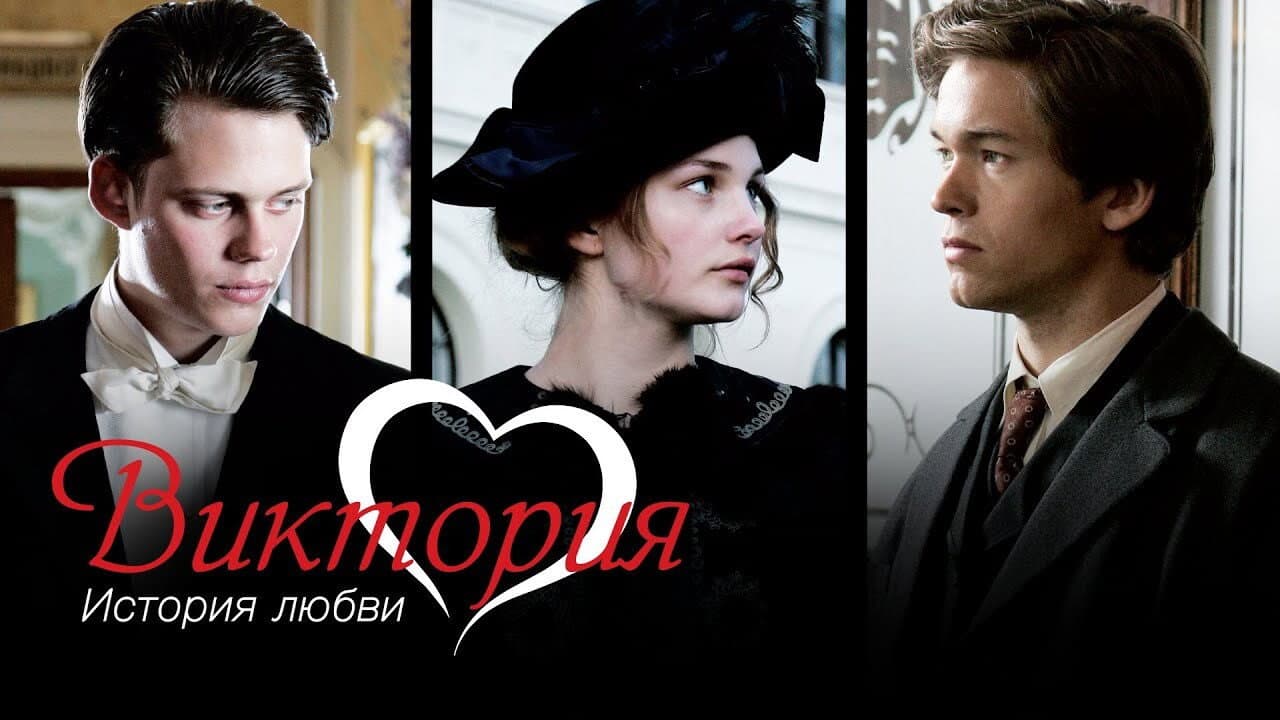
Victoria tells the story of two people separated not by circumstance but by the rigid boundaries their society enforces. Victoria is the daughter of a wealthy estate owner, and Johannes is the son of a local miller—and despite the genuine, almost unbearable depth of feeling between them, her father refuses to allow the relationship to continue. Instead, he arranges for Victoria to marry Otto, a man of appropriate social standing. What unfolds is a meditation on how love collides with duty, how desire gets crushed under the weight of expectation, and what a person loses when they choose security over their heart. The 105-minute film doesn't shy away from the pain of that choice.
Director Torun Lian adapted this work from Knut Hamsun's 1886 novel of the same name, a literary classic that's been revisited several times on screen but rarely with this particular visual restraint. The film premiered in Norway on March 1, 2013, and brought together a cast that would go on to notable careers. Jakob Oftebro plays Johannes with a quiet intensity that makes his powerlessness feel earned rather than melodramatic. Iben Akerlie carries Victoria's internal conflict—the way she's torn between obedience and longing—across her face in ways that don't require dialogue. Bill Skarsgård, now known to international audiences from his role in It, appears in a supporting capacity, and the ensemble work from Filmkameratene's production team creates a period atmosphere that feels lived-in rather than costume-drama stiff.
The film didn't become a mainstream box-office juggernaut, but it did earn recognition within the Norwegian film community. Fridtjov Såheim received the Amanda Award for Best Actor in a Supporting Role, which speaks to the caliber of craft on display—even in smaller roles, the performances carry weight. The IMDb rating of 5.1/10 suggests the film divides viewers, which isn't unusual for period dramas that prioritize emotional truth over narrative momentum. What's striking is that the division often comes down to whether you're willing to sit with slow-burn storytelling and ambiguous endings.
Why Victoria's restraint makes it linger longer than expected
What makes Victoria stand out isn't spectacle or plot twists—it's the refusal to look away from quiet suffering. There's a scene early on where Victoria and Johannes are alone together, and the camera holds on their faces as they realize what's about to be taken from them. No swelling score. No dramatic music cue. Just two people understanding that the world won't let them have each other. That's the film's central strength: it trusts the audience to feel the tragedy without being told how to feel it.
The performances anchor Victoria in a way that transforms what could've been a melodramatic premise into something closer to a character study. Oftebro doesn't play Johannes as a tragic hero—he plays him as someone ordinary who loves someone ordinary, and that ordinariness is what makes the loss matter. Akerlie's Victoria isn't a damsel; she's complicit in her own unhappiness, and the film doesn't let her off the hook for the compromises she makes. That moral complexity—the sense that nobody here is entirely right or wrong—keeps the film from feeling like a simple indictment of class systems, even though class systems are absolutely the villain.
Critics and viewers who connect with the film tend to praise its visual language. Lian's direction favors long takes and natural light, which means the Norwegian landscape becomes a character itself—beautiful, indifferent, and somewhat imprisoning. The pacing won't work for everyone. If you're looking for plot momentum or dramatic reversals, Victoria will feel slow. But if you're interested in how filmmakers can convey emotional devastation through composition and performance rather than action, it's genuinely rewarding. Movie OTT tracks where you can find this kind of slow-cinema drama across various platforms, and Victoria is worth seeking out if you've got the patience for it.
Where to stream Victoria online
Victoria is currently available on major OTT services, which means you've got options depending on your existing subscriptions. Rather than hunting across multiple sites, Movie OTT's "Where to Watch" widget at the top of this page will show you exactly which platforms are carrying it right now—availability changes regularly, and that widget updates in real time so you're not chasing dead links. The 105-minute runtime makes it a manageable evening watch, though you'll want to be in the right headspace: this isn't background viewing. It rewards your full attention.
Frequently asked questions
Q: Is Victoria based on a true story?
No, but it's based on a classic novel. Victoria is adapted from Knut Hamsun's 1886 novel of the same name, which is a work of fiction. However, the themes—class conflict, forbidden love, social obligation—reflect real historical tensions that Hamsun was writing about in his time.
Q: Who directed Victoria?
Torun Lian directed the 2013 film adaptation. She brought a restrained, visually poetic approach to Hamsun's source material, emphasizing performance and landscape over melodrama.
Q: What's the IMDb rating for Victoria?
Victoria has an IMDb rating of 5.1/10, which reflects a divided audience. Some viewers find it beautifully understated; others find it too slow. It's one of those films where the rating doesn't tell you much about whether you'll like it.
Q: How long is Victoria?
The film runs 105 minutes, so it's a fairly compact drama. Despite the slow pacing, it doesn't overstay its welcome.
Q: Who are the main actors in Victoria?
Jakob Oftebro plays Johannes, Iben Akerlie plays Victoria, and Bill Skarsgård appears in a supporting role. The ensemble cast was assembled by production company Filmkameratene and earned recognition including an Amanda Award for Best Actor in a Supporting Role for Fridtjov Såheim.
Final thoughts on Victoria
Victoria isn't a film for everyone, and that's okay. It's deliberately paced, emotionally austere, and it ends without neat resolution. But if you're the kind of viewer who values performance, cinematography, and the slow accumulation of emotional weight over plot mechanics, it's absolutely worth your time. The fact that it divides audiences—that some people find it profound and others find it tedious—doesn't diminish what Lian and her cast accomplished. They made something honest about how love and duty collide, and they didn't flinch from showing the cost. That kind of restraint is rarer than it should be.