The story of Vox Lux: from tragedy to stardom
Vox Lux opens in 1999, in the immediate aftermath of an unthinkable act of violence. Two teenage sisters, Celeste and Eleanor, survive a school shooting that shakes their community to its core. Rather than disappear into silence, they channel their trauma into art—composing and performing a song about their experience that somehow transforms grief into something luminous and cathartic. The song catches fire. Celeste, the more driven of the two, finds herself lifted into the stratosphere of pop stardom almost overnight. But the film doesn't linger on that origin myth. Instead, it jumps forward nearly two decades to 2017, where we meet Celeste at 31, now a mother to a teenage daughter of her own, still performing, still famous—and still carrying the weight of everything that made her famous in the first place. When another act of violence erupts into the news cycle, Celeste must confront the impossible question: what does it mean to be the face of survival when the world keeps breaking?
Behind the making of Vox Lux
Writer-director Brady Corbet brought Vox Lux to life as his second feature film, working from a story developed with Mona Fastvold. The production assembled an impressive roster of talent across multiple production companies—Bold Films, Andrew Lauren Productions, Killer Films, and Three Six Zero all collaborated to bring this ambitious vision to screen. At its core sits Natalie Portman, who carries the film through its most demanding sequences, supported by Jude Law, Raffey Cassidy (playing young Celeste), Stacy Martin, and Jennifer Ehle. The film premiered at the Venice Film Festival and earned a theatrical release in December 2018, though its box office run was modest at $727,119—a figure that speaks more to the film's uncompromising tone than any lack of craft. The R rating reflects the film's willingness to engage with violence and adult themes head-on, never softening its edges for broader appeal. On the awards circuit, Vox Lux accumulated 11 nominations and 1 win, signaling critical respect even as mainstream audiences remained divided. The Metascore settled at 67/100, while Rotten Tomatoes certified it Fresh at 62%, suggesting that critics found more to admire than dismiss—though the 5.9 IMDb rating from over 21,000 voters hints at the film's divisive nature among general audiences.
What makes Vox Lux stand out
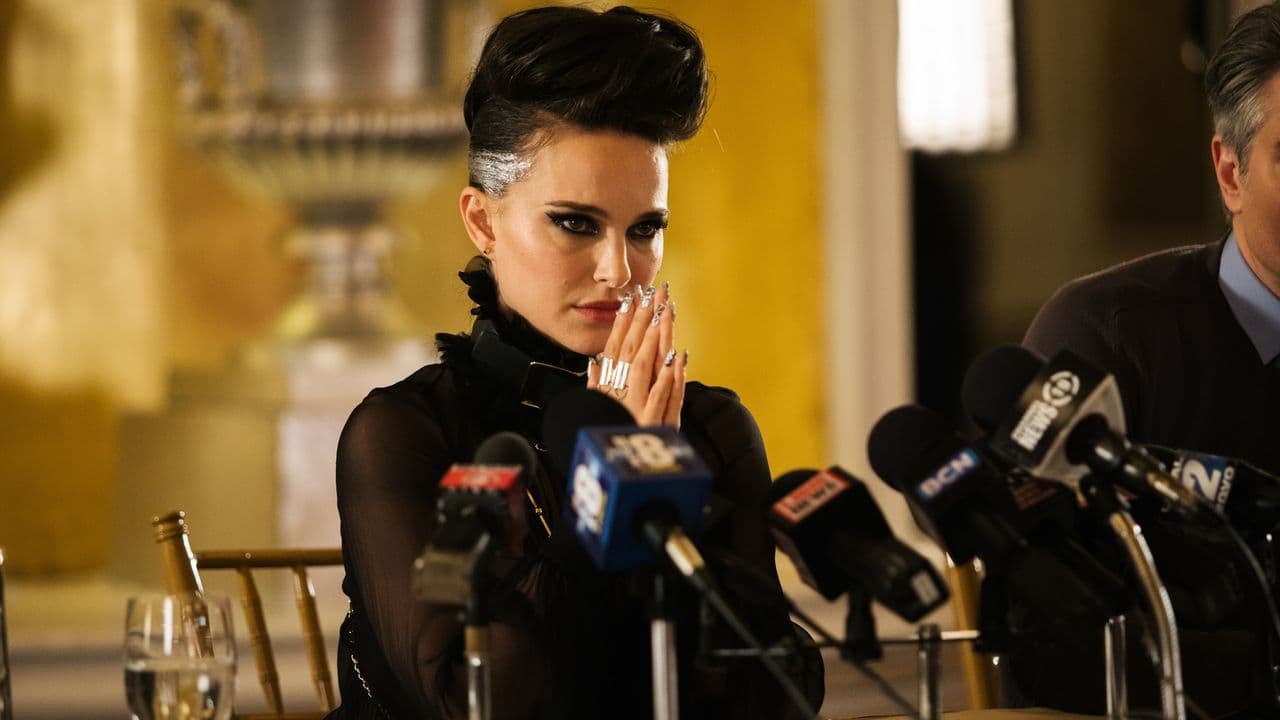
What's striking about Vox Lux is how it refuses to sentimentalize its protagonist. Portman doesn't play Celeste as a victim waiting for redemption or a cautionary tale about the perils of fame. Instead, she embodies a woman who's learned to weaponize her own trauma, who understands on a cellular level that survival and stardom are now inseparable. There's a scene midway through where Celeste performs on stage—a glittering, almost grotesque spectacle of production design and costume—and you realize the film isn't interested in whether she's a good person. It's interested in how she survives, how she adapts, how the machinery of celebrity grinds on regardless of who's at the center. The performances that anchor Vox Lux work because they're never quite sympathetic in the way we expect. Raffey Cassidy's turn as young Celeste carries an eerie prescience; you can see the seeds of the woman she'll become in every gesture. Portman, meanwhile, delivers something rawer and more unsettling than her typical work—a woman whose emotional availability has been hollowed out and replaced with something that looks like charisma but feels like armor. Critics noted the film's willingness to explore the increasingly indistinguishable divide between celebrity and notoriety, between public trauma and private damage. It's a portrait of the twenty-first century that doesn't flatter what it sees—and that refusal to look away, to soften, to redeem, is precisely what makes it linger.
Where to stream Vox Lux online
Vox Lux is currently available on major OTT services, and Movie OTT maintains a real-time tracker of where you can watch it right now. Rather than hunting across five different apps, you can check our "Where to Watch" widget at the top of this page to see which streaming platform has it in your region today—availability shifts constantly, so that widget is your best bet for current information. Since the film has been available for several years now, it's cycled through various platforms, making it more accessible than it was during its initial theatrical run. If you're looking for a film that demands your full attention and won't let you off easy, it's worth tracking down.
Frequently asked questions
Q: Is Vox Lux based on a true story?
No, Vox Lux is an original screenplay by Brady Corbet and Mona Fastvold. While it engages with real-world events like school shootings and celebrity culture, the characters and narrative are fictional.
Q: Who directed Vox Lux?
Brady Corbet wrote and directed the film. It was his second feature film after Childhood of a Leader (2015).
Q: Why is Vox Lux rated R?
The film received an R rating for language and some violence, reflecting its unflinching approach to trauma and its refusal to soften difficult subject matter.
Q: How long is Vox Lux?
The film runs 114 minutes, or just under two hours.
Q: What's the deal with the two different actresses playing Celeste?
The film spans nearly two decades, so Raffey Cassidy plays young Celeste in 1999, while Natalie Portman portrays her in 2017. This structure allows the film to show how trauma and fame reshape a person over time.
Final thoughts on Vox Lux
Vox Lux isn't an easy watch. It won't make you feel good about celebrity culture or about how we process collective trauma through entertainment. It won't offer you a neat moral or a redemptive arc. What it will do is sit with you long after the credits roll, asking uncomfortable questions about who we make famous and why, about the price of surviving in public, about the gap between the person you are and the image the world has constructed around you. If you're willing to sit with that discomfort, Vox Lux is essential viewing.