
The story of Whiplash: Ambition meets obsession
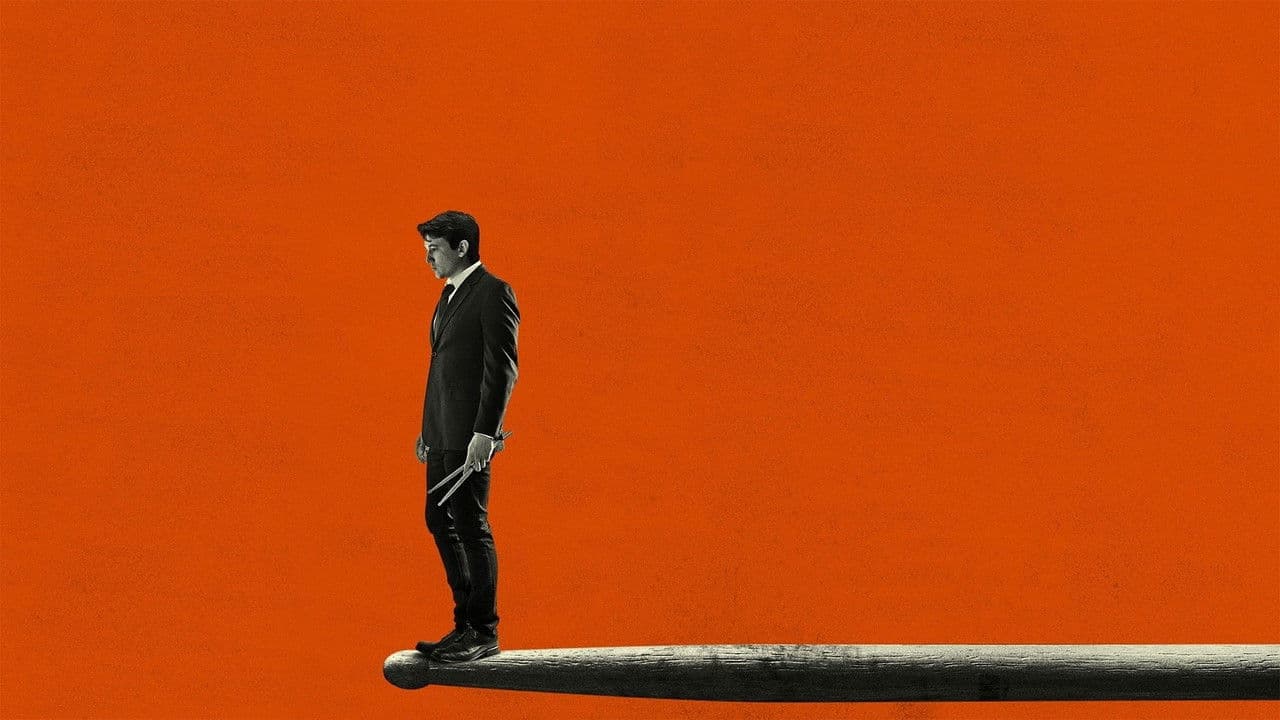
Whiplash follows Andrew Neiman, an ambitious jazz drummer at a prestigious music conservatory who catches the attention of Terence Fletcher, a legendary and notoriously brutal conductor. Fletcher doesn't believe in encouragement—he believes in fear. As Andrew pushes himself harder to earn Fletcher's approval, the line between mentorship and abuse blurs entirely. The film isn't really about jazz, though the music is stunning. It's about what happens when someone's hunger for greatness becomes indistinguishable from self-destruction. The road to greatness can take you to the edge, as the tagline promises—and this film doesn't look away when you're standing there.
Behind the making of Whiplash: A breakout indie success
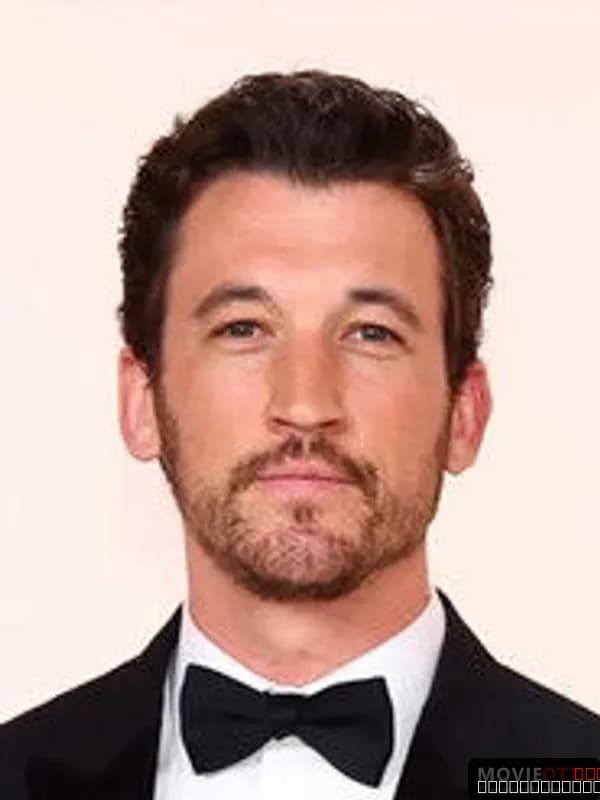
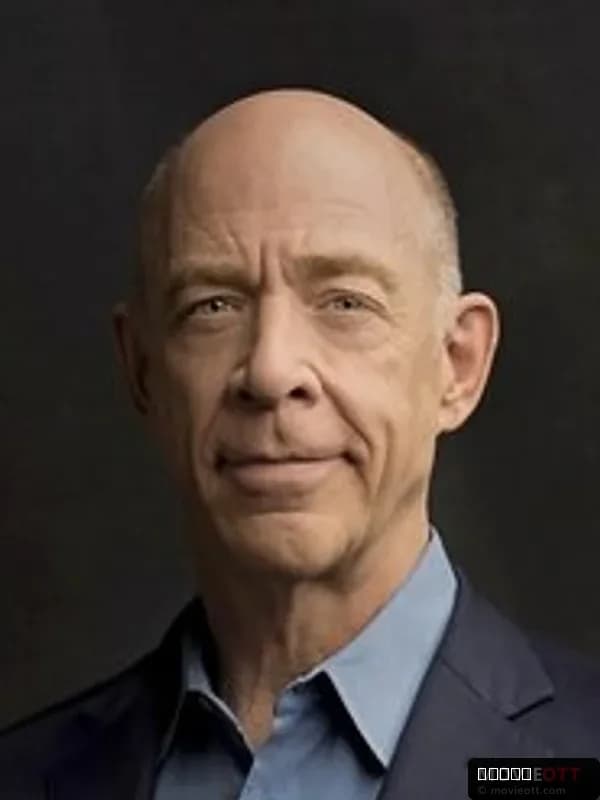
Whiplash arrived in 2014 as a bold independent production from Bold Films, Blumhouse Productions, and Right of Way Films, written and directed by then-newcomer Damien Chazelle. The film's modest budget and focused scope—107 minutes, two powerhouse leads, one conservatory setting—belied its massive impact. Miles Teller, relatively unknown at the time, delivered a career-defining performance as the obsessed Andrew, while J.K. Simmons, a character actor best known for television work, became a household name. Simmons' portrayal of Fletcher was so commanding that he won the Academy Award for Best Supporting Actor, plus a Golden Globe and a Screen Actors Guild Award. The film itself earned nominations for Best Picture, Best Director, and Best Editing, landing on countless critics' year-end lists. Variety reported that despite its indie roots, Whiplash became a genuine crossover hit, proving audiences craved psychological intensity over spectacle. The film carries an R rating for language—Fletcher's vocabulary is as cutting as his methods.
What makes Whiplash stand out: Performance and precision
What's striking about Whiplash is how it works as both character study and thriller. Simmons' Fletcher isn't a one-note villain—he's a man who genuinely believes that cruelty produces excellence, and he's articulate enough to justify it. There's a famous monologue where he recounts the Charlie Parker story, explaining why "good job" is the enemy of greatness. It's chilling and almost persuasive, which makes the film's moral ambiguity so effective. Teller, meanwhile, doesn't play Andrew as a victim—he's complicit in his own destruction, willing to bleed for validation. The tension between them builds methodically, and by the film's climactic sequence, you're watching something that feels less like a music performance and more like psychological warfare playing out in real time.
The craft matters too. Chazelle's direction is tight and economical—there's no wasted scene. The editing cuts with the precision of a metronome. The sound design makes every missed note land like a punch. Critics responded to this rigor. What I keep coming back to is that the film doesn't offer easy answers about whether Fletcher's methods "work" or whether Andrew's sacrifice was worth it. That ambiguity is what separates Whiplash from a standard abuse narrative. It stays with you because it refuses to let you feel comfortable.
Where to stream Whiplash online
Whiplash is available on major OTT services, and Movie OTT tracks current streaming availability across platforms so you can find exactly where it's playing right now. The film's 107-minute runtime makes it perfect for a single sitting—don't pause it halfway through, or you'll lose the momentum that makes it so effective. Depending on your region and subscription, you'll likely find it on one of the major streaming platforms. The Where to Watch widget at the top of this page shows you every option available in your area. Given the film's reliance on sound design and the intensity of the performances, it's worth watching on a system with decent audio if you can—Fletcher's voice and the drums need to hit hard.
Frequently asked questions
Q: Is Whiplash based on a true story?
Whiplash is a fictional work written by Damien Chazelle, though it's inspired by real experiences in competitive music education. Chazelle has mentioned drawing on his own time in jazz bands, but Andrew Neiman and Terence Fletcher are invented characters, not direct portraits of real people.
Q: Who directed Whiplash?
Damien Chazelle wrote and directed Whiplash. It was his feature directorial debut, and its critical success launched him into major studio filmmaking—he later directed La La Land and First Man.
Q: Did J.K. Simmons win an Oscar for Whiplash?
Yes. J.K. Simmons won the Academy Award for Best Supporting Actor in 2015 for his role as Terence Fletcher. He also won a Golden Globe and a Screen Actors Guild Award for the same role, making it one of the most recognized performances of that awards season.
Q: How long is Whiplash?
The film runs 107 minutes, making it lean and intense without unnecessary padding.
Q: What's the rating for Whiplash?
Whiplash is rated R, primarily for language. Fletcher's dialogue is profane and verbally abusive, which is central to the film's impact.
Final thoughts on Whiplash
Whiplash works because it refuses sentimentality. It doesn't ask you to root for Andrew or condemn Fletcher neatly—it asks you to sit in the discomfort of watching ambition curdle into something uglier. If you're drawn to character-driven dramas that build tension through dialogue and performance rather than plot mechanics, this is essential viewing. It's the kind of film that stays with you not because it's reassuring but because it's unsettling. Absolutely worth your time.