



Unraveling the Cold War Intrigue in Walk East on Beacon
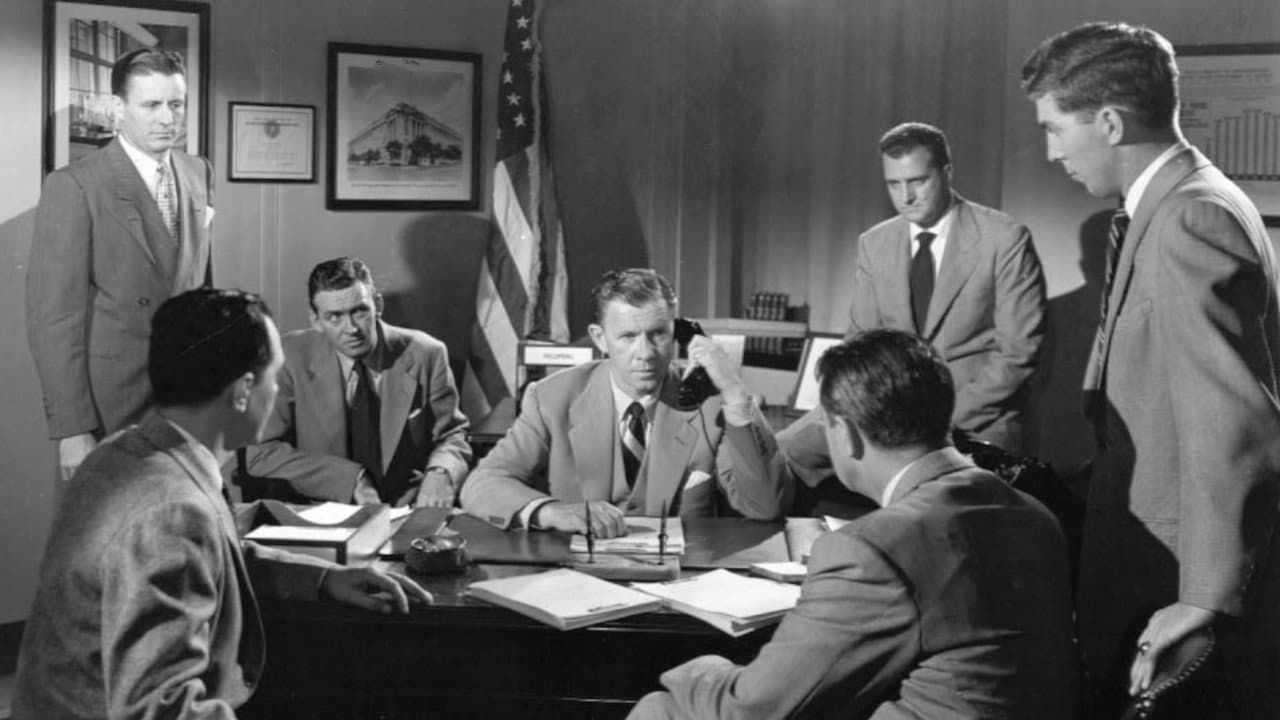
Walk East on Beacon plunges audiences into the fraught atmosphere of 1950s Cold War America, setting its stage in the seemingly quiet but strategically vital city of Boston. The film introduces us to a world where the shadow of Soviet espionage looms large, threatening national security and scientific progress. Our central narrative follows a diligent FBI agent who must work tirelessly with a refugee scientist and the ever-watchful Coast Guard to uncover and dismantle a sophisticated Soviet spy ring operating within the United States. This ring aims to extract crucial top-secret data, and the stakes couldn't be higher. It's a race against time, where every move is scrutinized and trust is a luxury few can afford.
The Making of Walk East on Beacon: From Hoover's Article to Hollywood's Screen
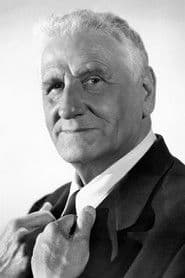
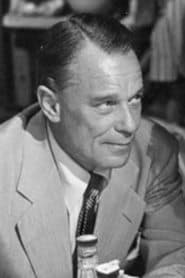
The production of Walk East on Beacon in 1952 was a collaborative effort between RD-DR Productions and the legendary Columbia Pictures, bringing a timely espionage narrative to the big screen. Directed by Alfred L. Werker, known for his work in the film noir genre, the movie stars George Murphy as the resolute FBI agent, Finlay Currie as the targeted Professor Kafer, and Virginia Gilmore. What's striking about the film's genesis is its direct inspiration: a May 1951 Reader's Digest article by none other than J. Edgar Hoover himself, titled "The Crime of the Century: The Case of the A-Bomb Spies." Hoover's piece detailed the real-life meeting between German physicist Klaus Fuchs and American chemist Harry Gold, exposing the chilling realities of the Soviet espionage network in the U.S.—Gold's later testimony, of course, led to the infamous case against Julius and Ethel Rosenberg for treason.
While the film draws heavily from these real-world anxieties, it cleverly (or perhaps necessarily, given the sensitivity) substitutes the specific "atomic spying" with a more generalized pursuit of "vague top secret scientific programs." This allowed Walk East on Beacon to tap into public fears without revealing classified information. Extensive location shooting across New England, including iconic spots around Washington Union Station and within actual FBI laboratories, lends an undeniable authenticity to the proceedings. No easy feat. The gritty realism of its settings—something Movie OTT often highlights in its classic film reviews—helps ground the otherwise high-stakes espionage plot. Despite its compelling premise and historical ties, the film garnered an IMDb rating of 5.3/10, suggesting it didn't quite achieve widespread critical acclaim, but it's certainly a fascinating artifact of its era.
The Enduring Appeal and Flaws of Walk East on Beacon's Cold War Paranoia
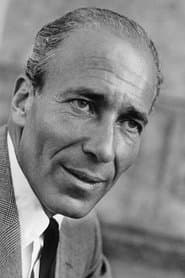
For a film of its time, Walk East on Beacon offers a compelling snapshot of Cold War paranoia, even if its execution has drawn mixed reactions over the decades. What makes it stand out for contemporary viewers? The movie leans heavily into its film noir roots, painting a world of shadows, clandestine meetings, and moral ambiguity, albeit with a clear "us vs. them" narrative. Its official tagline, "MOST THRILLING PICTURE SINCE "HOUSE ON 92ND STREET"!", certainly aimed high, positioning it as a direct successor to classic spy thrillers. Performances are solid, particularly Karel Stepanek as "Laschenko," the communist mastermind, who embodies a chillingly calm menace. Finlay Currie, as "Prof. Kafer," is perhaps a somewhat unlikely choice for a renowned scientist, as one user review points out, but he brings a certain gravitas to the role of the beleaguered target. Good stuff.
Honestly, the film's narrative structure, which some reviewers describe as almost a "Q&A" style, can feel a bit didactic. It's less about character development and more about the methodical unraveling of the spy plot, often accompanied by an omnipresent, "seriously condescending narrative," according to one CinemaSerf review. This heavy-handed approach, a common trope in anti-communist films of the era, might alienate modern audiences looking for subtlety. Yet, it also serves as a potent historical document, reflecting the government's efforts to inform—or perhaps, propagandize—its citizens about the perceived internal threat. The decision to keep the "top secret data" vague, rather than directly referencing atomic secrets, makes the threat feel more diffuse, more pervasive. It’s a drama that, despite its narrative quirks, effectively captures a pervasive fear that gripped the nation. A chilling premise.
Discovering Walk East on Beacon on Major Streaming Platforms
For those eager to experience this slice of Cold War history and espionage thrills, Walk East on Beacon is currently available on major OTT services. This means you won't have to search far and wide to stream this 1952 drama from the comfort of your home. Whether you're a fan of classic film noir, historical thrillers, or simply curious about how Hollywood tackled the early days of Soviet espionage, you'll find it readily accessible. We're constantly updating our listings, and you can always check the "Where to Watch" widget at the top of this page for the most up-to-date streaming availability across all platforms. Movie OTT is dedicated to helping you find where your favorite films are streaming, ensuring you don't miss out on cinematic gems like Walk East on Beacon. For comprehensive guides on streaming options for classic films and new releases alike, visit movieott.com.
Frequently asked questions
Q: What is the plot of Walk East on Beacon? A: Walk East on Beacon follows an FBI agent in Boston who teams up with a refugee scientist and the Coast Guard to expose and dismantle a dangerous Soviet spy ring. The spies are attempting to steal top-secret scientific data critical to national security.
Q: Is Walk East on Beacon based on a true story? A: While not a direct adaptation, Walk East on Beacon was heavily inspired by J. Edgar Hoover's May 1951 Reader's Digest article, "The Crime of the Century: The Case of the A-Bomb Spies." This article detailed real Soviet espionage activities and figures like Klaus Fuchs and Harry Gold, whose testimonies led to the case against Julius and Ethel Rosenberg.
Q: Who directed Walk East on Beacon and when was it released? A: Walk East on Beacon was directed by Alfred L. Werker and released in 1952. The film was produced by RD-DR Productions and Columbia Pictures, bringing the Cold War thriller to audiences during a period of heightened international tension.
Q: How long is Walk East on Beacon? A: Walk East on Beacon has a runtime of 98 minutes. This makes it a concise and relatively brisk watch for a Cold War drama, packing its espionage plot into just over an hour and a half.
Q: What genres does Walk East on Beacon fall under? A: Walk East on Beacon is categorized primarily as a Drama, Crime, and Thriller film. It also exhibits strong elements of film noir, typical of many espionage thrillers from the post-war era, with its shadowy visuals and tense atmosphere.
Is Walk East on Beacon Worth Your Time?
If you're a cinephile with a particular fondness for classic Cold War thrillers or the specific aesthetic of film noir, Walk East on Beacon is definitely worth a watch. It’s a fascinating historical document, showcasing the anxieties and narrative conventions of 1950s espionage cinema. While it might not boast a stellar IMDb score or the nuanced character work of more modern thrillers, its historical context and the sheer audacity of its premise—directly linked to real-world spy cases—make it compelling. Think of it as a time capsule. For fans of period dramas and spy stories, especially those interested in the genre's evolution, this 98-minute feature offers a unique perspective. We think it’s a solid pick for a quiet evening, shedding light on a pivotal moment in global history.