Actor & Director
George Roy Hill
16 films on Movie OTT · 14 as director · Active 1952–1988
George Roy Hill doesn't get talked about enough. That's the thing nobody mentions — here's a director who won the Academy Award for Best Director (for *The Sting* in 1973, per Wikipedia) and shaped two of the most beloved films of the 1970s, yet somehow he's perpetually overshadowed by the stars he made iconic. Born December 20, 1921, in New York City, and died December 27, 2002 — seven days after his 81st birthday — Hill spent four decades quietly building one of Hollywood's most consistent bodies of work (TMDB).
About George Roy Hill
George Roy Hill doesn't get talked about enough. That's the thing nobody mentions — here's a director who won the Academy Award for Best Director (for *The Sting* in 1973, per Wikipedia) and shaped two of the most beloved films of the 1970s, yet somehow he's perpetually overshadowed by the stars he made iconic. Born December 20, 1921, in New York City, and died December 27, 2002 — seven days after his 81st birthday — Hill spent four decades quietly building one of Hollywood's most consistent bodies of work (TMDB).
What's striking is how often Hill managed to make chemistry look effortless. His back-to-back collaborations with Paul Newman and Robert Redford — *Butch Cassidy and the Sundance Kid* (1969) and *The Sting* (1973) — weren't just box-office triumphs; they defined a particular brand of American cool that studios spent the next decade trying to replicate and couldn't. *The Sting* swept seven Oscars, including Best Picture, and Hill's direction of that long, intricate con — the kind of film where you don't realize you've been played until the final frame — earned him his directing prize (Wikipedia).
But Hill wasn't a one-trick auteur. He adapted Kurt Vonnegut's *Slaughterhouse-Five* (1972), brought John Irving's *The World According to Garp* to the screen in 1982, and delivered *Slap Shot* (1977), a genuinely anarchic hockey comedy that's aged into cult-classic territory. After *Funny Farm* (1988), his final film, Hill stepped away from Hollywood and returned to Yale University to teach drama — which, honestly, feels like exactly the move a certain kind of serious filmmaker would make (Wikipedia).
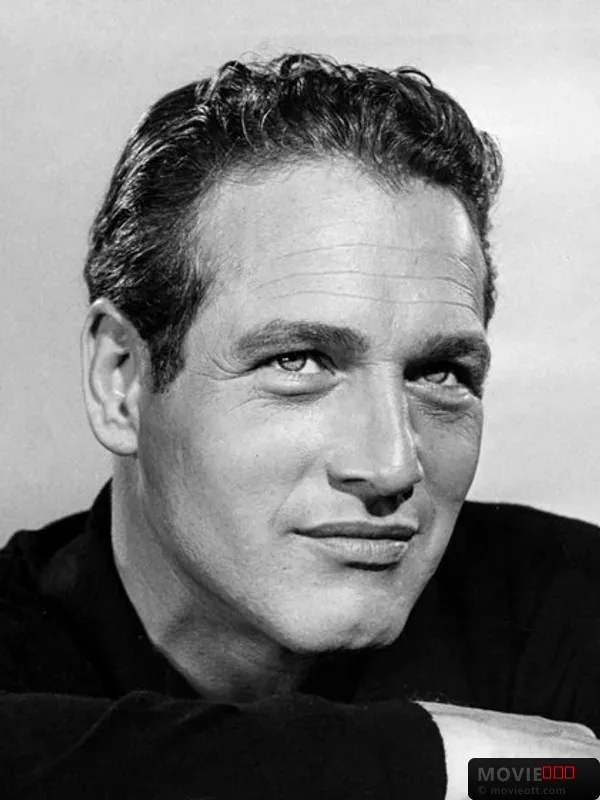
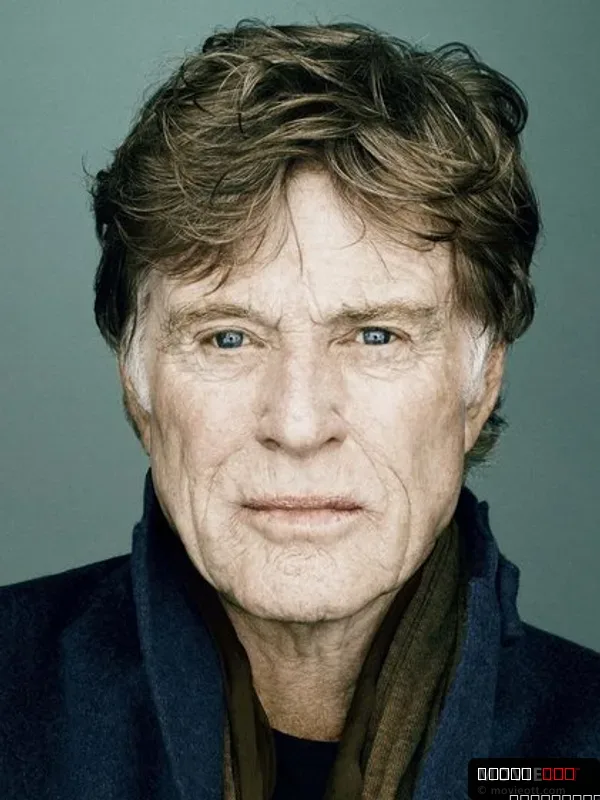
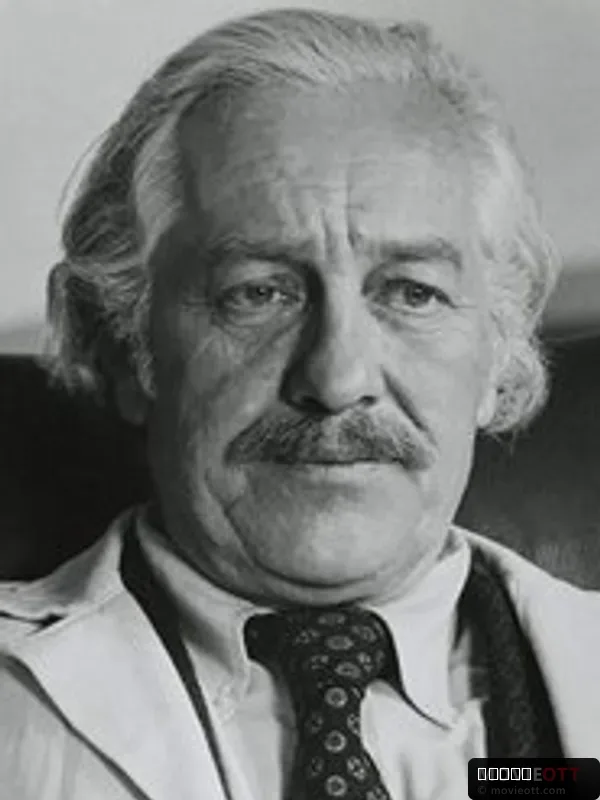
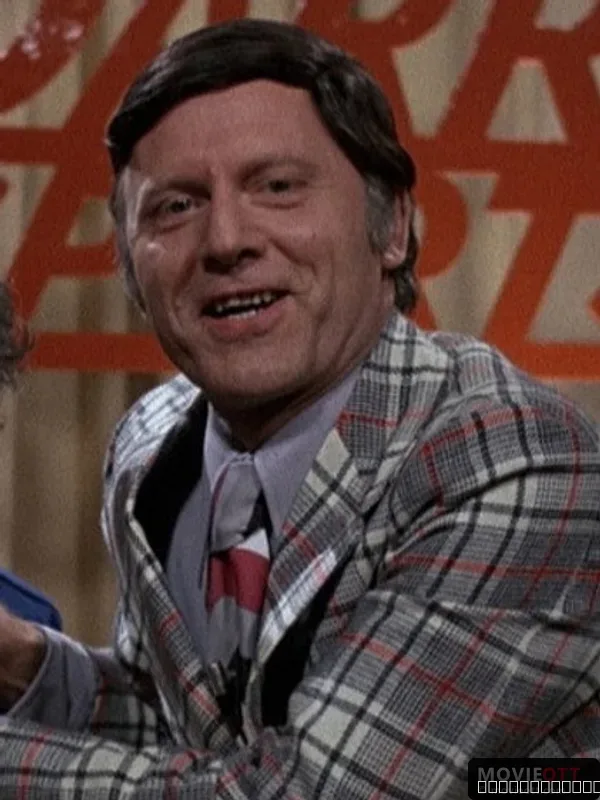
Gallery
5 photosCurrently streaming
3 of 16 on platformsEarly life & background
George Roy Hill was born on December 20, 1921, in New York City, New York (TMDB). Details about his family background and early childhood aren't extensively documented in available sources, but his path eventually led him through academic and theatrical training before he emerged as a director in live television during the 1950s (Wikipedia). His connection to Yale University — where he later returned to teach drama after retiring from filmmaking — suggests a deep-rooted relationship with formal dramatic education. That grounding in theater would prove foundational; Hill wasn't a director who stumbled into film from nowhere, but one who came up through the stage.
Career
Cite this page
For Wikipedia, journalism, or academic references — copy the citation below:
Movie OTT. "George Roy Hill." Accessed Sep 17, 2026. https://movieott.com/talent/george-roy-hillCross-references: Wikipedia
Last updated July 2, 2026 · Sources: tmdb+wikipedia+perplexity+tmdb-credits+ai-claude
Filmography
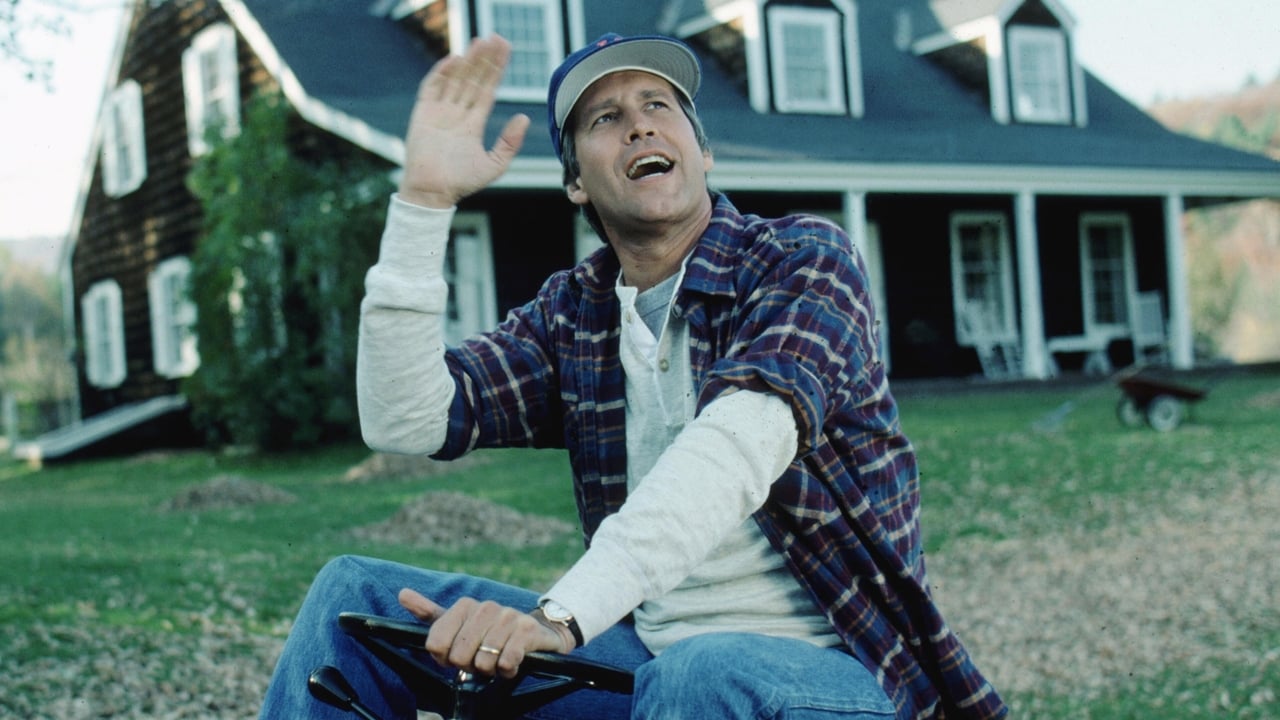
Funny Farm
1988 · Director
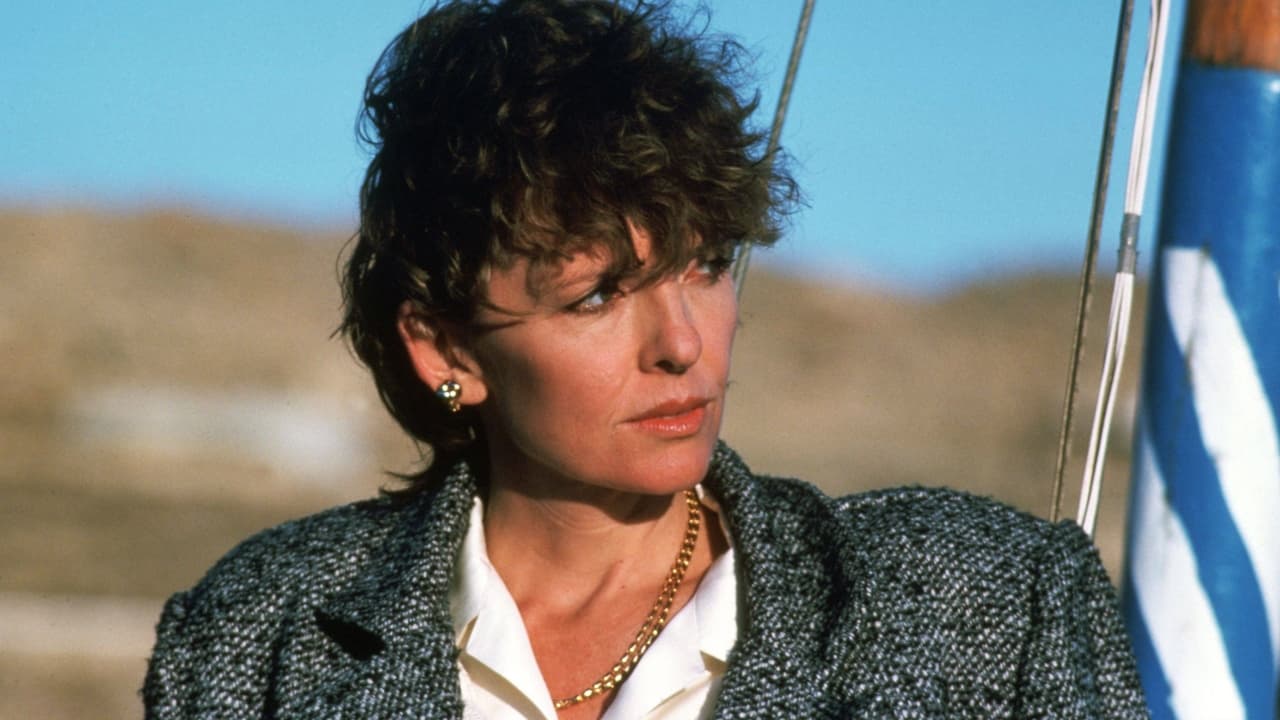
The Little Drummer Girl
1984 · Director
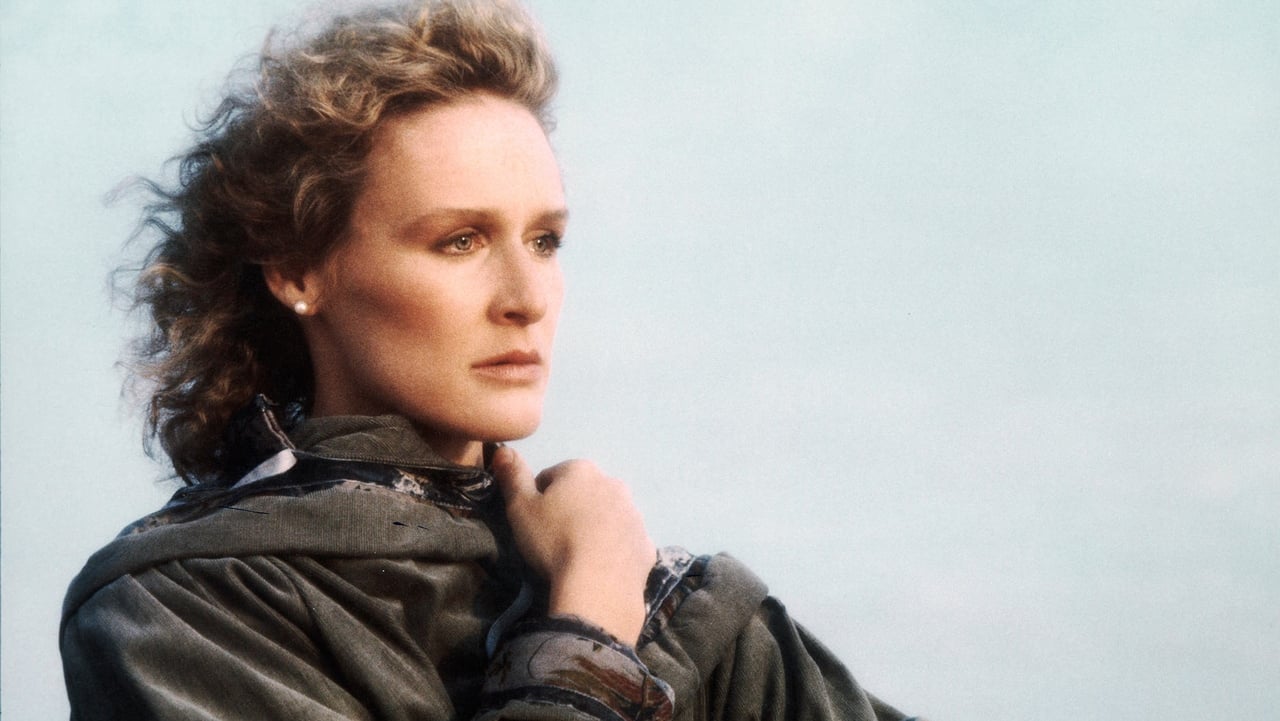
The World According to Garp
1982 · Producer, Director
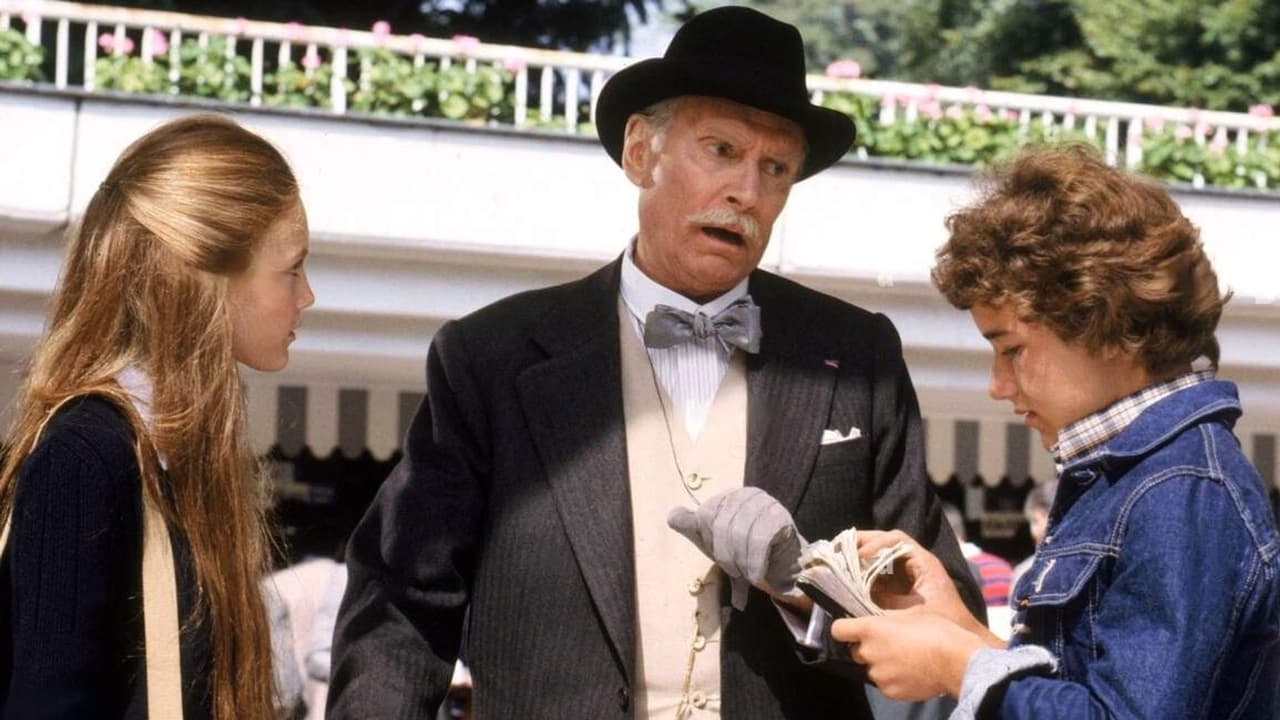
A Little Romance
1979 · Director
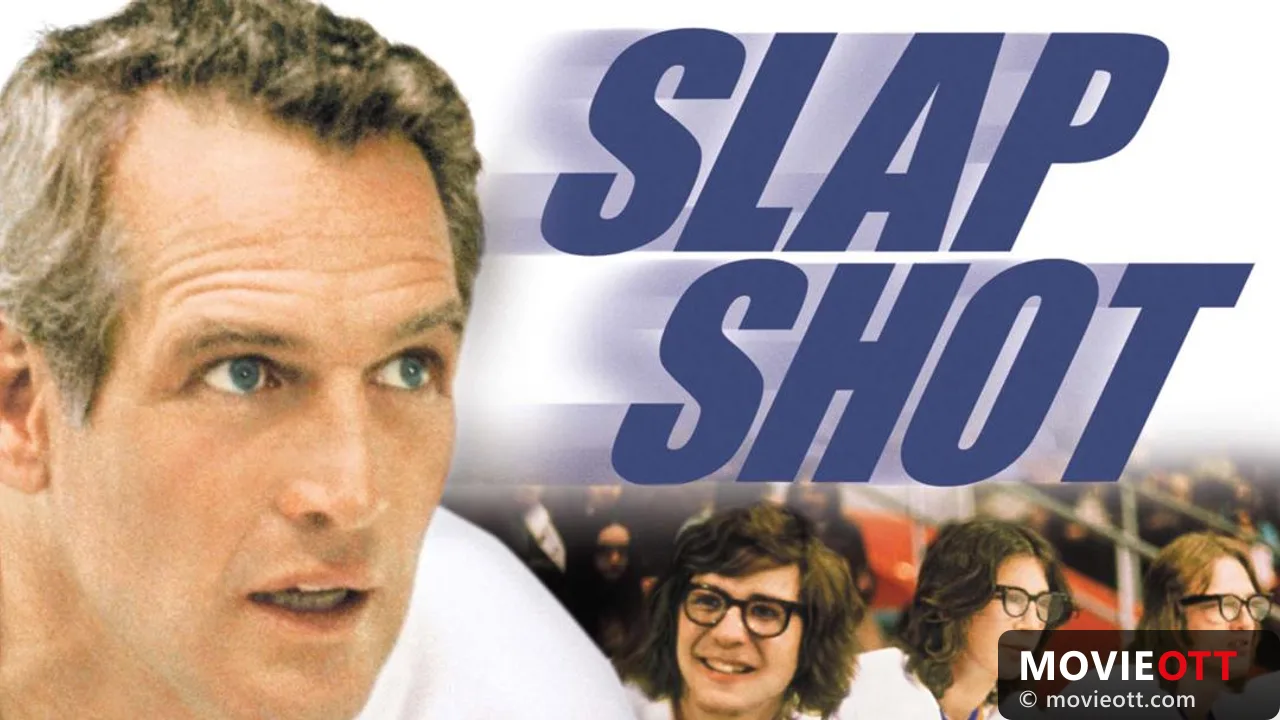
Slap Shot: A Cult Classic of 70s Sports Satire
1977 · Director
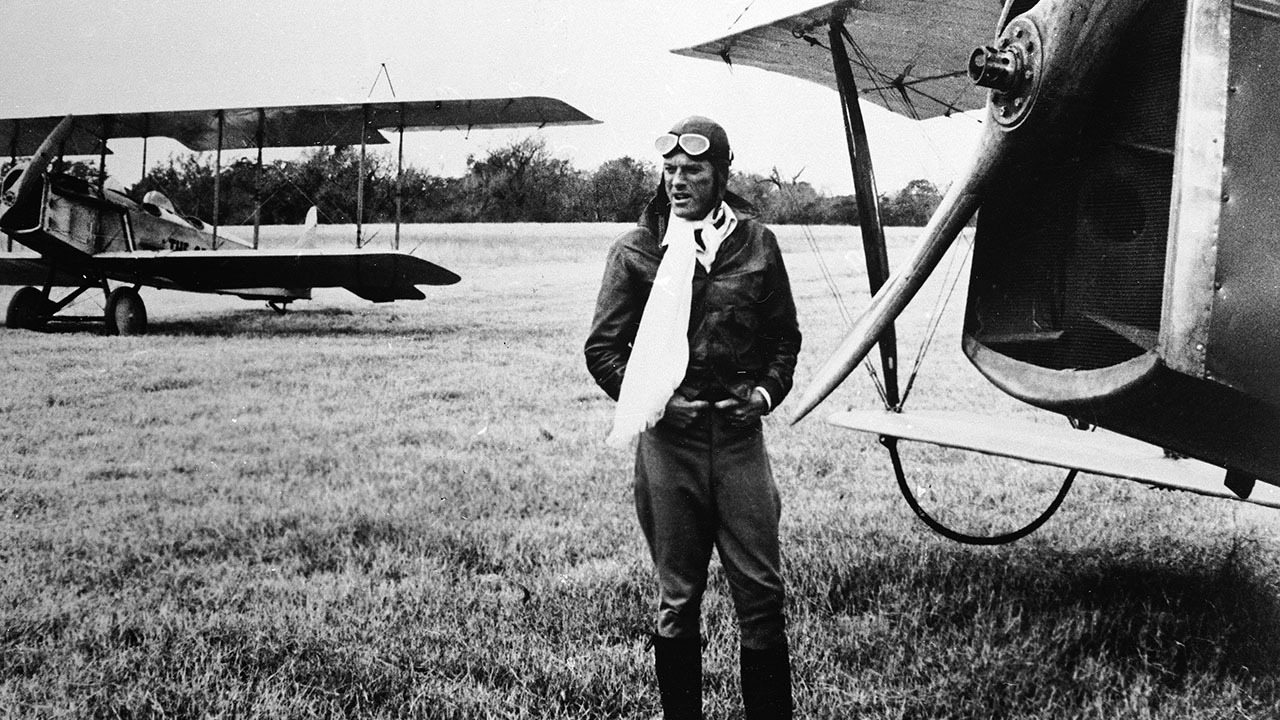
The Great Waldo Pepper
1975 · Producer, Director
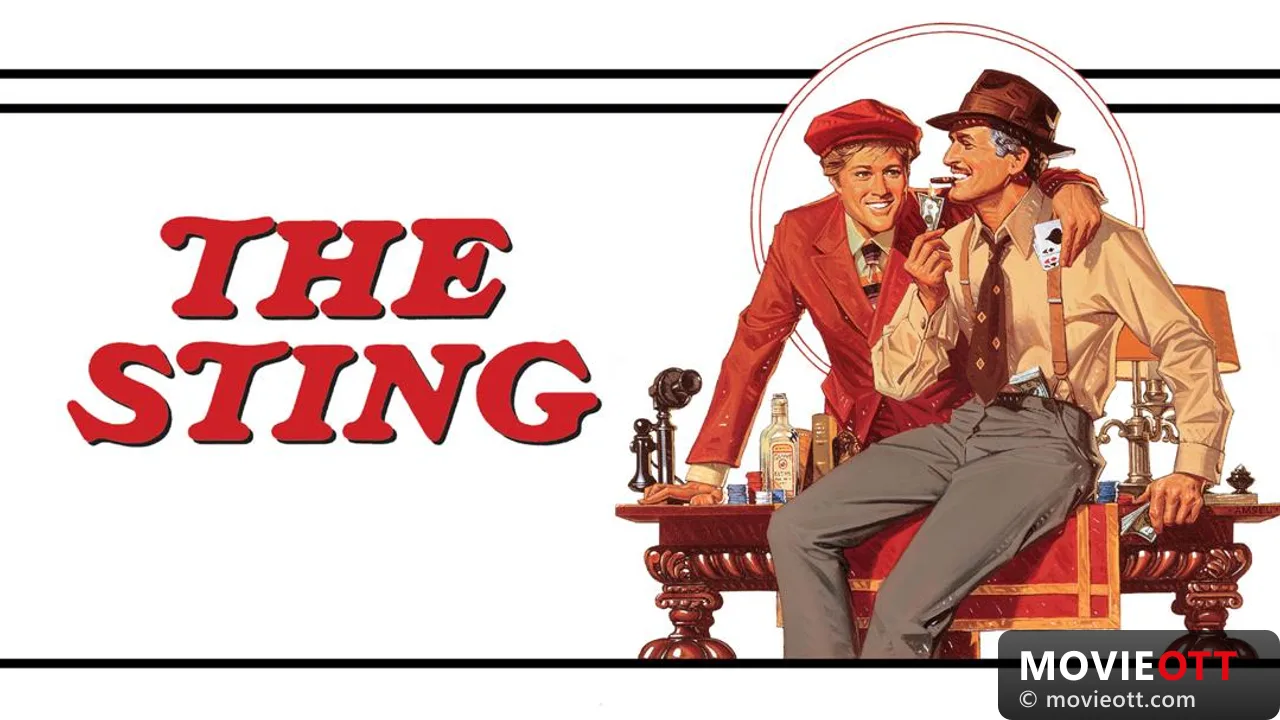
Experience the Timeless Con of The Sting
1973 · Director

Slaughterhouse-Five
1972 · Producer, Director
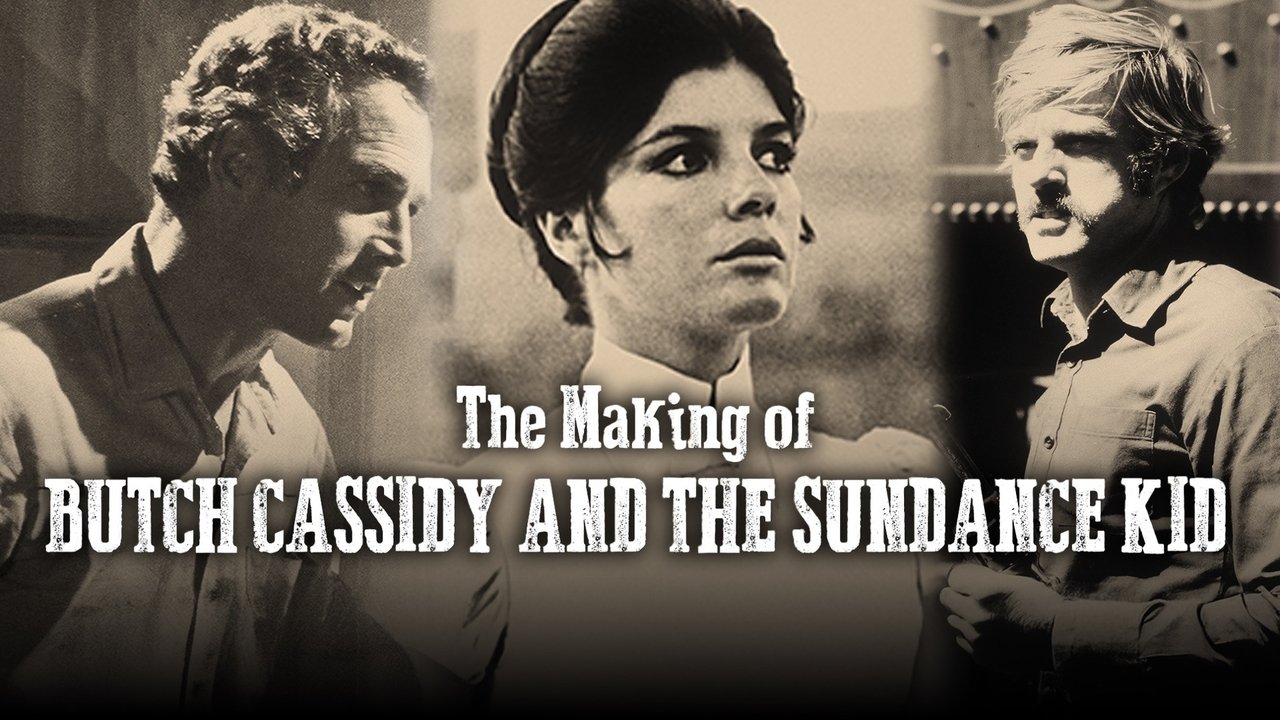
The Making Of 'Butch Cassidy and the Sundance Kid'
1970 · Self
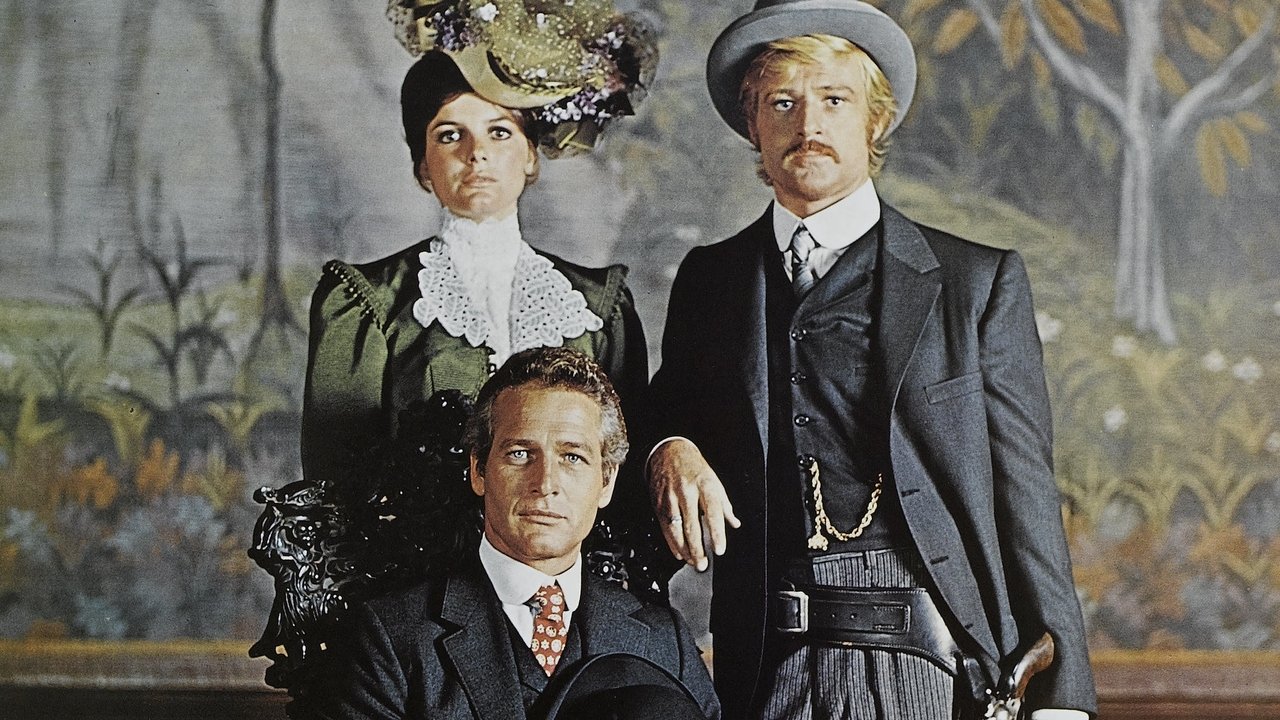
Butch Cassidy and the Sundance Kid
1969 · Director
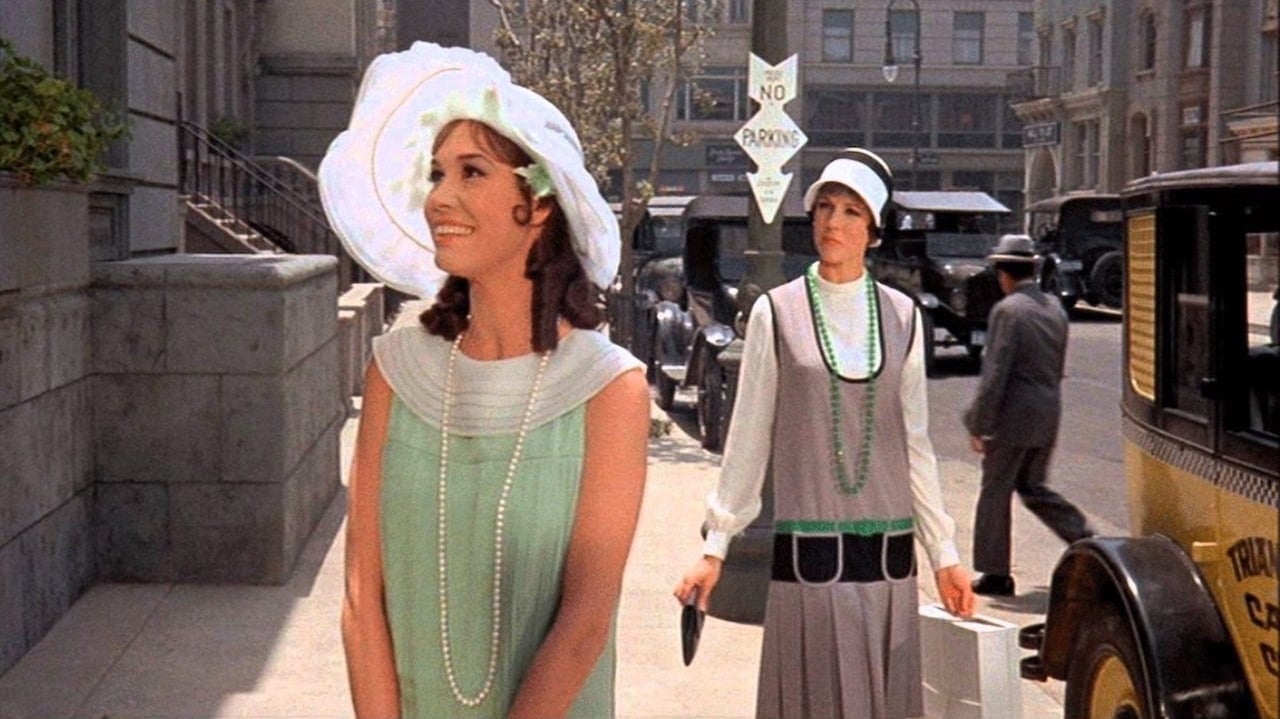
Thoroughly Modern Millie
1967 · Director
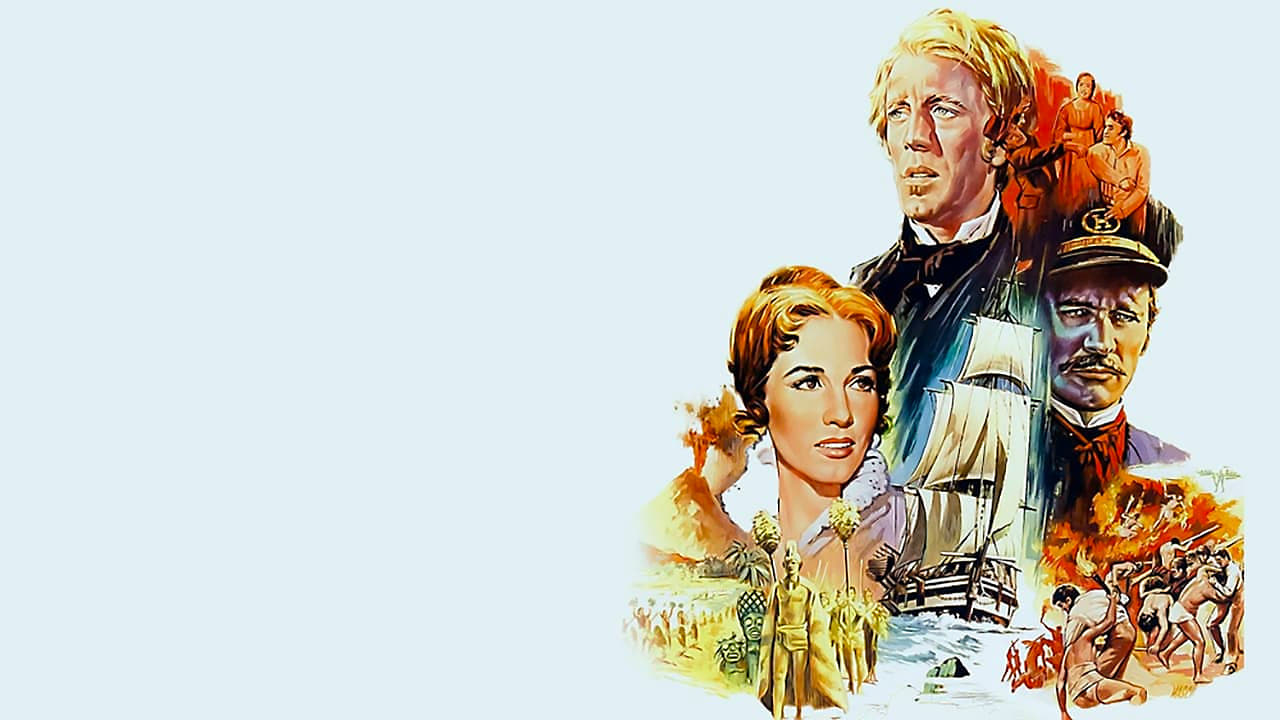
Hawaii
1966 · Director
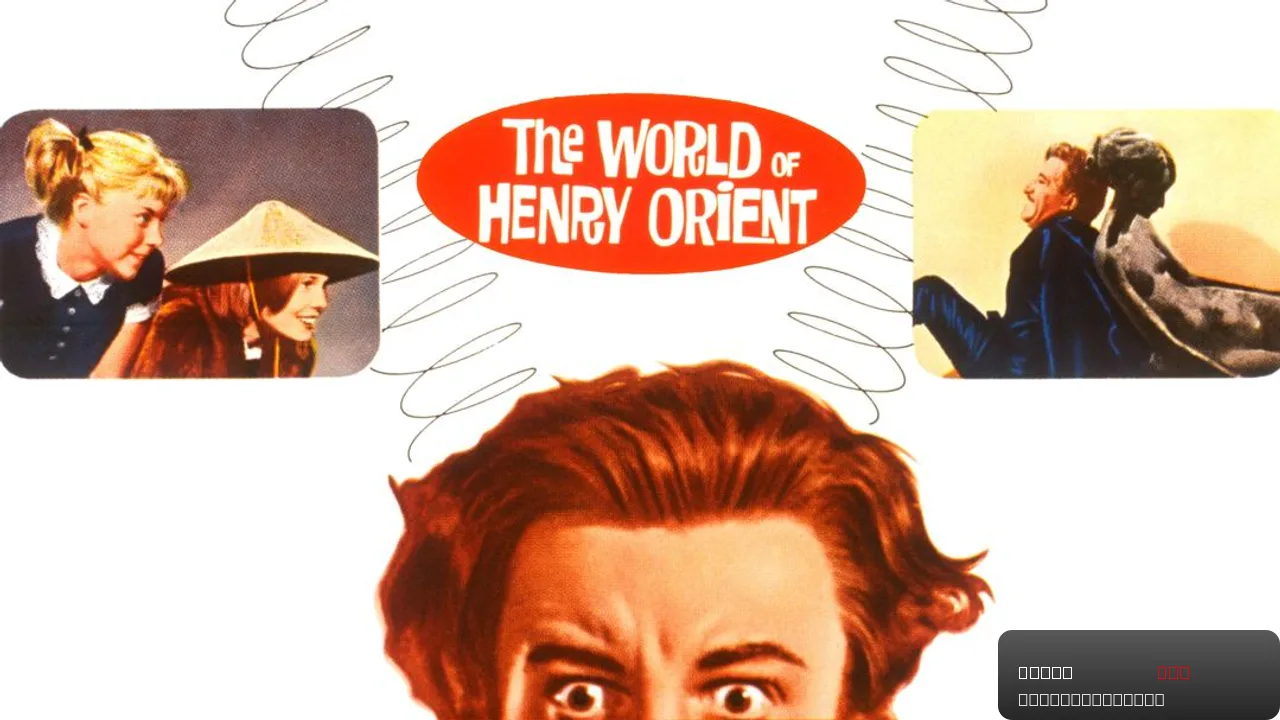
The World of Henry Orient
1964 · Director
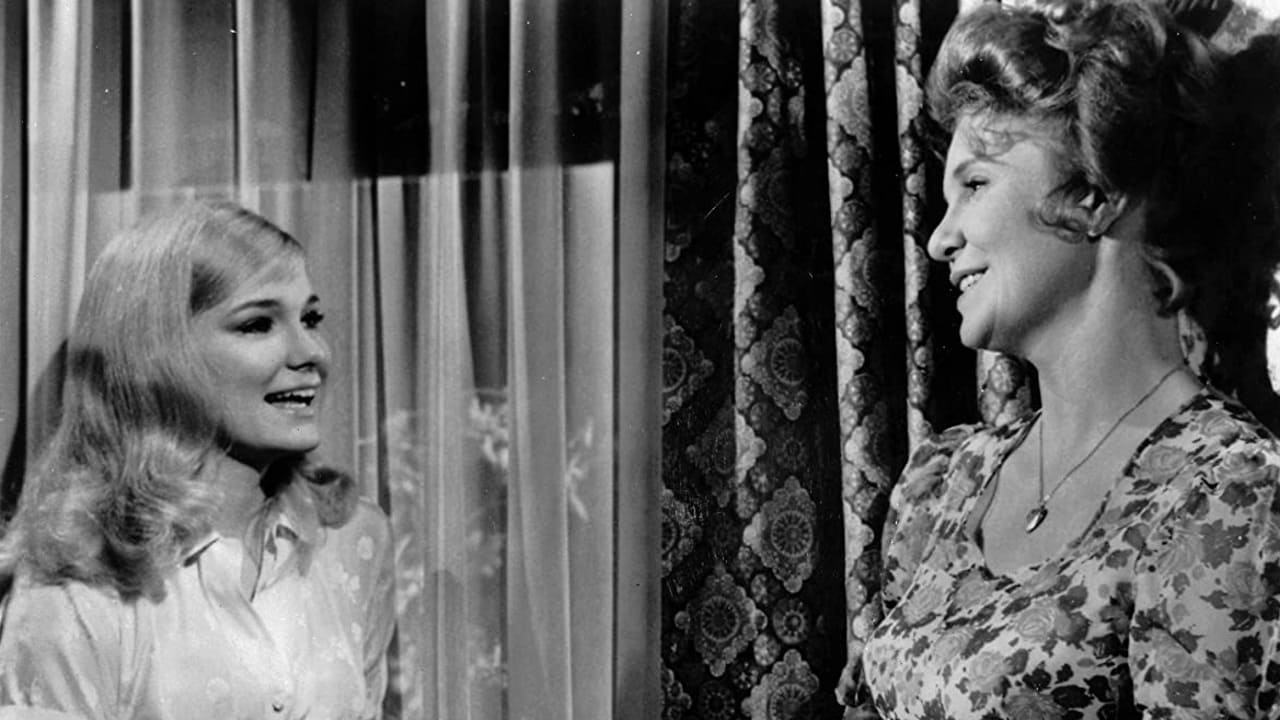
Toys in the Attic
1963 · Director
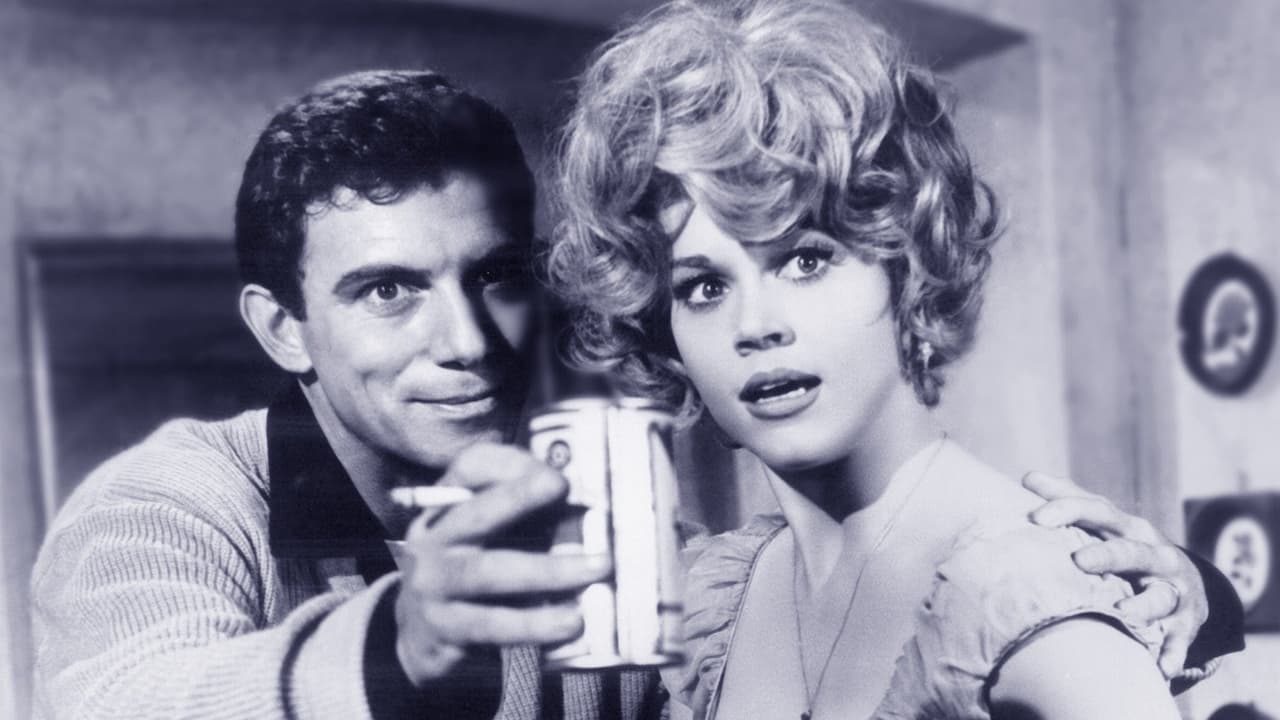
Period of Adjustment
1962 · Director
Walk East on Beacon
1952 · Nicholas Wilben
Frequently asked questions
When and where was George Roy Hill born?
George Roy Hill was born 1921-12-20 in New York City, New York, USA.
What films is George Roy Hill known for?
George Roy Hill has 16 titles indexed on Movie OTT, including Funny Farm, The Little Drummer Girl, The World According to Garp.
Where can I watch George Roy Hill's films?
3 of George Roy Hill's films are currently streaming, available on Netflix, Amazon Prime Video with Ads, fuboTV, MGM Plus.
Has George Roy Hill directed any films?
Yes — George Roy Hill has 14 directorial credits indexed on Movie OTT.
How long has George Roy Hill been active?
George Roy Hill's film career on Movie OTT spans from 1952 to 1988 — 36 years of work.