
The story of Warum die UFOs unseren Salat klauen
Why would UFOs steal our salad? That's the genuinely ridiculous premise at the heart of this 1980 German comedy, and it's exactly the kind of absurdist logic that makes the film tick. Hansjürgen Pohland's Warum die UFOs unseren Salat klauen — which translates literally to "Why the UFOs Steal Our Salad" — takes the alien-invasion trope and strips it of all seriousness, replacing apocalyptic dread with vegetable-based panic. The film follows ordinary Germans as they grapple with the inexplicable fact that extraterrestrials have developed a taste for their lettuce and greens. It's not a film trying to save humanity from extinction. It's a film asking: what happens when the threat is completely, utterly mundane?
The premise alone signals what viewers are in for: a comedy that doesn't take itself seriously, one that finds humor in the collision between the cosmic and the culinary. There's no grand sci-fi philosophy here. Instead, the narrative unfolds as a series of escalating absurdities, each more bewildering than the last. The aliens aren't conquerors or explorers seeking knowledge — they're basically intergalactic produce thieves. And the townspeople's response to this invasion isn't military mobilization; it's confusion, frustration, and the dawning realization that sometimes the threat to your way of life comes from the stars and involves your vegetable garden.
Behind the making of Warum die UFOs unseren Salat klauen
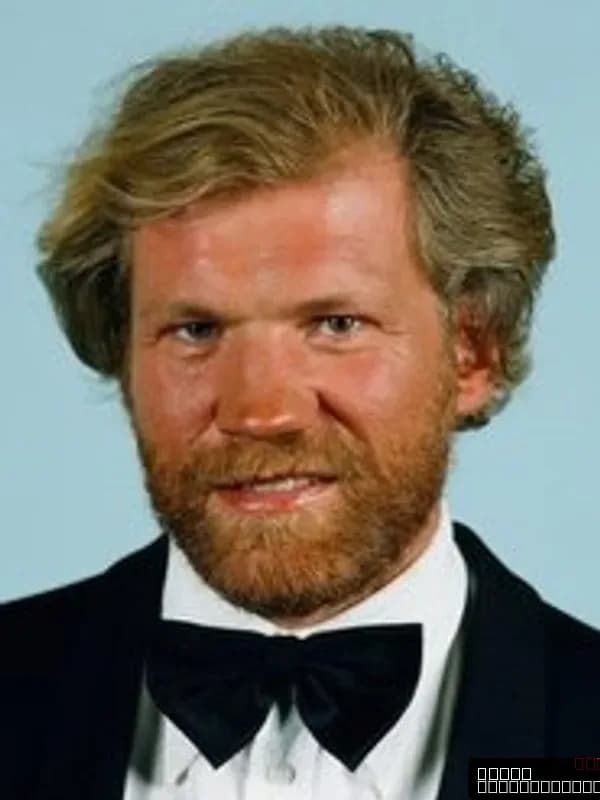
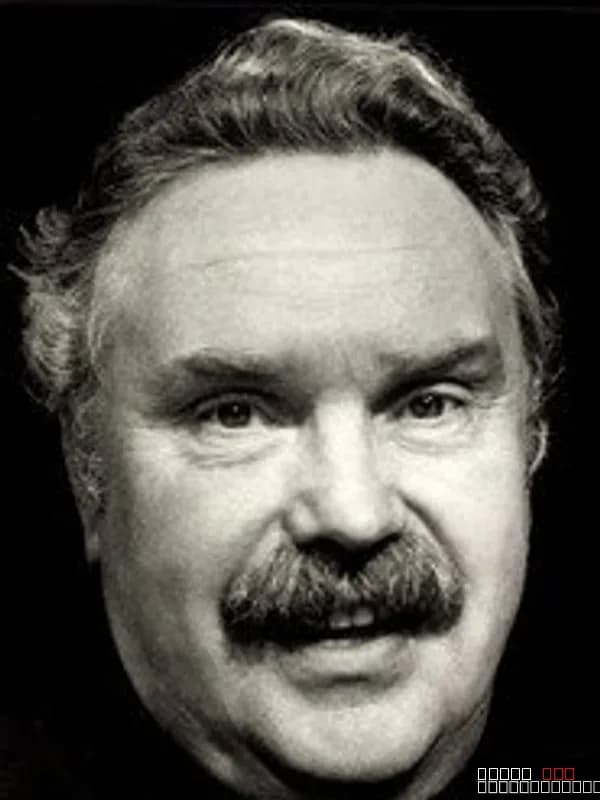
Director Hansjürgen Pohland crafted this offbeat comedy during a period when German cinema was experimenting with genre playfulness and satirical humor. The 92-minute runtime allows the film to sustain its premise without overstaying its welcome — a smart structural choice for what's essentially a one-joke film that knows exactly how long to milk that joke. Pohland assembled a cast that included respected German actors like Hildegard Knef, a legendary figure in German and international cinema, alongside Tommi Piper, Ursela Monn, Raimund Harmstorf, and the veteran character actor Curd Jürgens. That's a solid ensemble. The presence of Knef, who'd appeared in everything from The Postman Always Rings Twice to The Snows of Kilimanjaro, lent a touch of gravitas to what was fundamentally a silly premise — which is exactly what the film needed.
The production design and special effects work, while modest by modern standards, reflect the practical ingenuity of early-1980s European filmmaking. The UFOs themselves are practical models, the kind that required actual craftsmanship and camera trickery rather than digital rendering. There's something charmingly tactile about watching these spaceships menace German farmland and suburban neighborhoods. The film didn't achieve mainstream box-office success — it remains a cult curiosity rather than a blockbuster — but that obscurity hasn't diminished its place in German genre cinema as a genuinely unique artifact. On IMDb, it holds a 5/10 rating across 51 votes, which tells you something about how niche and polarizing the humor remains even among dedicated film enthusiasts. Some viewers get it; others find it baffling. That's kind of the point.
What makes Warum die UFOs unseren Salat klauen stand out
What's striking about this film is its refusal to play by the rules of either sci-fi or comedy in any conventional way. Most alien-invasion comedies — think Mars Attacks! or Dark Star — build their humor around the tension between cosmic stakes and human incompetence. This film doesn't bother with stakes at all. The aliens aren't destroying cities or threatening extinction. They're just... taking vegetables. The comedy emerges not from action or spectacle but from the sheer wrongness of the situation, the bewilderment on the faces of ordinary people confronted with something that violates all rational expectation.
Hildegard Knef brings a deadpan quality to her role that anchors the film's absurdist tone. She doesn't play the material for broad laughs or camp — she plays it straight, which is the only way this premise works. Tommi Piper, a voice actor and performer known for children's entertainment in Germany, provides a different energy, bringing a kind of earnest confusion to proceedings that complements Knef's cool reserve. The ensemble cast, including Raimund Harmstorf and Curd Jürgens, moves through the narrative with the kind of commitment you'd expect from actors trained in European dramatic tradition, which makes the vegetable-theft plot even funnier by contrast. They're treating salad-stealing aliens with the seriousness of a Cold War thriller.
I keep coming back to the film's central insight: that the most unsettling invasion isn't one that threatens your life, but one that threatens your livelihood, your routine, your sense of what's normal. The salad isn't just produce — it's a symbol of everyday stability, of agriculture and commerce and the ordinary rhythms of life. When that gets disrupted by inexplicable cosmic forces, the response is less heroic resistance than existential confusion. The film captures that peculiarly German sensibility of dealing with disruption through bureaucracy, discussion, and a kind of resigned pragmatism.
Where to stream Warum die UFOs unseren Salat klauen online
Warum die UFOs unseren Salat klauen is currently available to stream on Prime Video, making this obscure 1980 German comedy accessible to anyone curious enough to seek it out. If you're tracking down older or harder-to-find films, Movie OTT keeps tabs on where these titles pop up across different streaming services, so you'll always know where to find them. The film's availability on Prime Video is somewhat surprising given how niche it remains — it's the kind of title that suggests Amazon's algorithm occasionally surfaces genuine oddities alongside the mainstream catalog. Check the streaming widget at the top of this page to confirm current availability in your region, as streaming rights shift frequently. For those who appreciate German cinema, vintage sci-fi, or just deeply weird comedies, Prime Video having this film in its library is a small gift.
Frequently asked questions
Q: Who directed Warum die UFOs unseren Salat klauen?
Hansjürgen Pohland directed this 1980 German comedy. Pohland was an experienced filmmaker who understood how to balance absurdist premises with committed performances from his cast.
Q: What's the runtime of Warum die UFOs unseren Salat klauen?
The film runs 92 minutes, a length that allows the central premise to sustain itself without becoming tedious. It's tight enough to maintain momentum without overstaying the joke.
Q: Where can I watch Warum die UFOs unseren Salat klauen?
You can stream Warum die UFOs unseren Salat klauen on Prime Video. Check the Where to Watch widget on this page for current availability in your region.
Q: Who stars in Warum die UFOs unseren Salat klauen?
The film features Hildegard Knef, Tommi Piper, Ursela Monn, Raimund Harmstorf, Gerd Duwner, Curd Jürgens, and Henning Venske. Knef's presence brings a touch of dramatic legitimacy to the absurdist premise.
Q: Is Warum die UFOs unseren Salat klauen based on a true story?
No — this is an original fictional comedy premise. The idea of aliens stealing salad is pure invention, a deliberately absurd concept designed to generate humor through its sheer illogic.
Final thoughts on Warum die UFOs unseren Salat klauen
This film won't be for everyone. The humor is strange, the pacing deliberately unhurried, and the payoff is more conceptual than comedic in any traditional sense. But there's something genuinely admirable about a film that commits so completely to such a ridiculous idea. It doesn't wink at the camera or undercut itself with irony — it just asks you to accept that aliens want salad and see where that takes you. For viewers who appreciate offbeat European cinema, cult curiosities, and humor that operates on a wavelength all its own, Warum die UFOs unseren Salat klauen is worth tracking down. Stream it on Prime Video, settle in, and prepare for something you've probably never seen before.