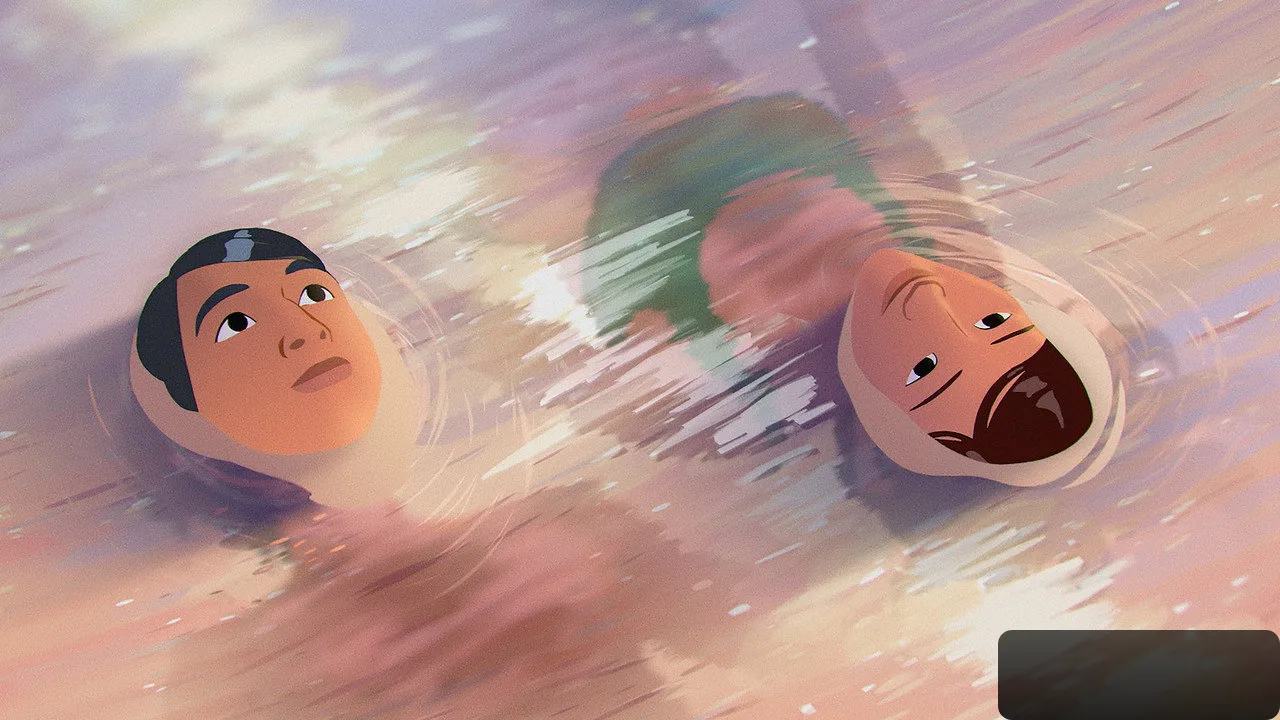









The Story of Waves: Journalism Under Siege
Waves tells the story of two brothers whose lives diverge sharply in the late 1960s, a moment when rock-and-roll filled the airwaves and student uprisings were reshaping the world. The older brother lands a coveted position at a prestigious newsroom within the public radio broadcaster—a position that should feel like a victory, a foot in the door of power and influence. What he doesn't anticipate is that he's walking straight into a collision course between those who report the truth and those determined to bury it. Directed by Jiří Mádl, the film uses the Prague Spring and the subsequent Warsaw Pact invasion of Czechoslovakia as its historical backbone, but it's really about something timeless: the cost of speaking up when silence is demanded. The 131-minute runtime gives the story room to breathe, to show the slow erosion of freedom and the quickening pulse of danger.
Behind the Making of Waves: Awards, Production, and Pedigree
Waves is a genuine international production, bringing together Czech and Slovak talent across multiple studios and broadcasters. The film's production credits read like a who's-who of Central European cinema: Barrandov Studio (one of Europe's oldest and most storied facilities), Česká televize, Český rozhlas, and Wandal Production all had a hand in bringing Mádl's vision to screen. The director, who also wrote the screenplay, has crafted something that resonated immediately with audiences—at the 58th Karlovy Vary International Film Festival, where it had its world premiere, Waves won the audience award, a recognition that carries real weight in the festival circuit. That success didn't go unnoticed by the Academy: the Czech Film and Television Academy selected Waves as the country's official submission for Best International Feature Film at the 97th Academy Awards, a nod to both its artistic merit and its cultural significance. The film holds a 7.379/10 rating on IMDb, suggesting it's found an engaged viewership across multiple territories. With a runtime of 131 minutes, Mádl had the canvas to explore the psychological and political dimensions of his characters' predicament—not a quick thriller, but a measured, deliberate descent into moral ambiguity.
What Makes Waves Stand Out: Performance and Political Precision
What's striking about Waves is how it refuses to simplify its central conflict into heroes and villains. The older brother isn't a crusading martyr; he's a man trying to navigate a job he loves while the ground shifts beneath him. That's where the real tension lives—not in explosions or chase sequences, but in the quiet moments when he realizes that his newsroom, his colleagues, his entire professional world is being infiltrated and compromised by forces he can't see coming. The performances anchor the film in something human and vulnerable rather than merely historical. There's a specificity to how the film captures the texture of that moment: the way information flowed, how rumors became facts, how a broadcast could literally change the course of a nation. Mádl doesn't just show us events; he shows us how they felt to live through, the paranoia and exhilaration mixed together. The dialogue crackles with the kind of authenticity that comes from deep research and a director who understands that the most dangerous conflicts aren't always the loudest ones. What I keep coming back to is how the film treats the secret service not as faceless villains but as men doing a job, which somehow makes the whole enterprise more chilling—this wasn't chaos, it was systematic.
Where to Stream Waves Online
Waves is currently available on major OTT streaming services, and Movie OTT keeps a real-time tracker of exactly which platforms are carrying it in your region. Since availability shifts frequently and varies by geography, checking the "Where to Watch" widget at the top of this page will give you the most current information on whether it's on Netflix, Amazon Prime Video, or any of the other major services where it's been licensed. If you're in Central Europe or have access to international streaming catalogs, you're more likely to find it readily available, given its Czech origins and recent theatrical run. The film's critical success means it's been picked up by several platforms looking to bolster their international drama offerings.
Frequently Asked Questions
Q: Is Waves based on a true story?
Yes, Waves is set during the Prague Spring of 1968 and the subsequent Warsaw Pact invasion of Czechoslovakia. While the characters are fictional, the historical backdrop is real, and the film explores how journalists navigated state control during this pivotal moment in Central European history.
Q: Who directed Waves?
Jiří Mádl wrote and directed Waves. It's his film, and his attention to both the political machinery and the personal stakes of his characters is evident throughout.
Q: What was the runtime of Waves?
The film runs 131 minutes, giving the story ample time to develop its characters and explore the slow-burn tension of the plot.
Q: Did Waves win any awards?
Waves won the audience award at the 58th Karlovy Vary International Film Festival and was selected as the Czech Republic's official submission for Best International Feature Film at the 97th Academy Awards.
Q: What's the IMDb rating for Waves?
Waves holds a 7.379/10 rating on IMDb, reflecting strong audience engagement with the film's blend of historical drama and psychological tension.
Final Thoughts on Waves
Waves isn't a film that lets you off easy. It demands attention, rewards patience, and leaves you thinking about the price of conscience long after the credits roll. If you're drawn to historical dramas that understand how power actually works—not through grand gestures but through the slow suffocation of freedom—this is essential viewing. The 2024 Czech thriller proves that some of the most urgent stories aren't about what's happening right now; they're about what happened when ordinary people had to choose between safety and truth. Worth your time.