

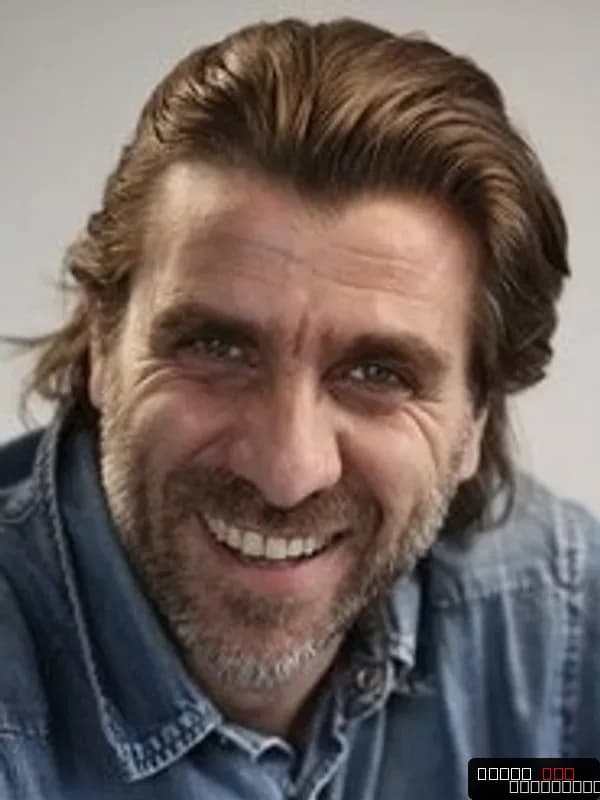





The Story of We Can Do That
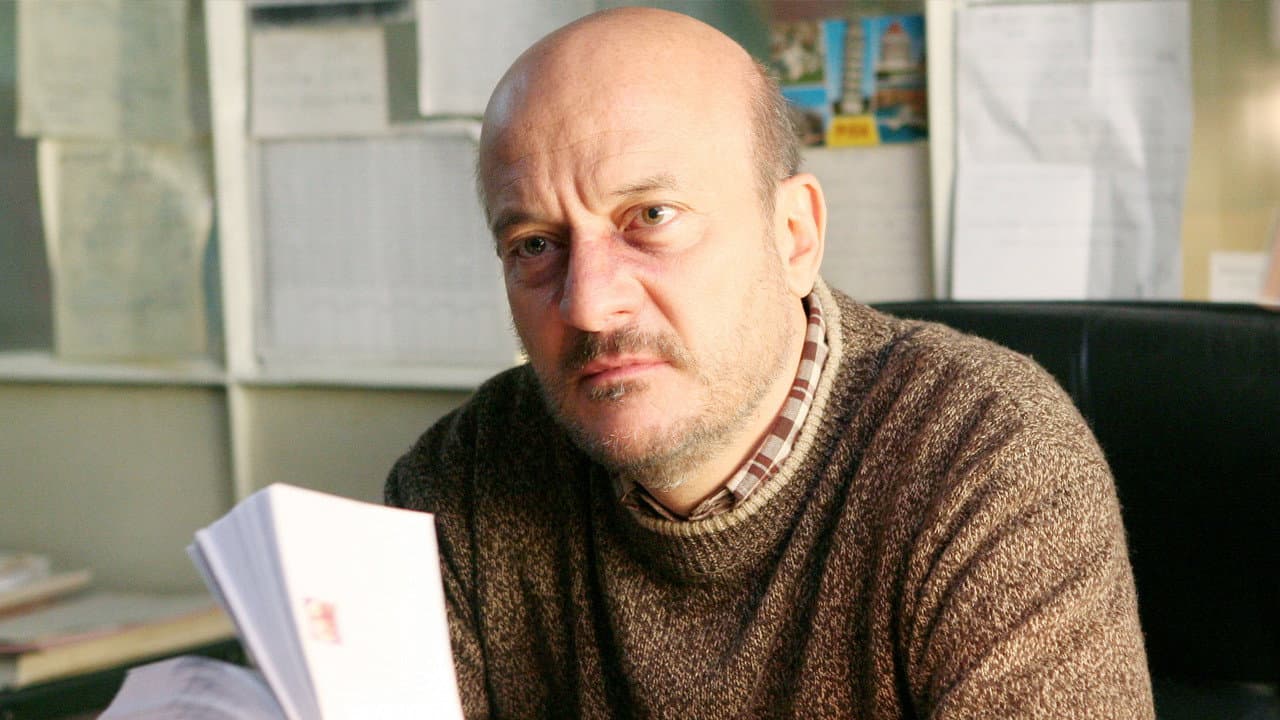
We Can Do That tells the story of Nello, a recently hired director tasked with an impossible job: running a work cooperative for former psychiatric patients in post-institutional Italy. Following the Basaglia Law—which shuttered state psychiatric hospitals and asylums—many patients found themselves cast adrift, stripped of both structure and purpose. This isn't a film about miraculous recovery or neat redemption arcs. Instead, it's a messy, human story about one man's determination to treat his charges as capable individuals rather than permanent invalids, and the complicated reality that good intentions don't always guarantee good outcomes. The film doesn't shy away from showing how pushing boundaries too quickly—even with the best motives—can sometimes exact a price nobody anticipated.
Behind the Making of We Can Do That
Produced by Rizzoli Film, We Can Do That emerged from the Italian cinema tradition of socially conscious filmmaking, though it arrived without major international festival fanfare or a star-studded cast. The 111-minute runtime allows the narrative to breathe, resisting the urge to compress complex human struggles into a tidy two-hour package. What's striking is that the film was made in 2008, well into the modern era, yet it grapples with a historical reality many viewers may not fully grasp: the Basaglia Law itself was passed in 1978, meaning that by the time this story unfolds, decades of deinstitutionalization had already left countless people in limbo. The production team understood that this wasn't about condemning psychiatry or celebrating some utopian alternative—it was about the grinding, unglamorous work of actually trying to help people rebuild autonomy and dignity. The cast, drawn from both professional actors and non-professionals (a common choice in this style of socially engaged cinema), brings authenticity that a more polished ensemble might have missed. On IMDb, the film holds a solid 7.2/10 rating, suggesting it's found an audience among viewers who appreciate character-driven narratives over plot mechanics.
What Makes We Can Do That Stand Out
The film works because it refuses the easy emotional beats. You won't find a moment where Nello's students suddenly "recover" or prove their skeptics wrong through some triumphant performance. Instead, the movie tracks the friction between idealism and reality—Nello genuinely wants to expand his pupils' abilities and help them explore the wider world, but he's also learning on the job, making mistakes, and sometimes discovering that his well-meaning push forward has unintended consequences. There's a scene where the cooperative members attempt something that feels like genuine progress, only for the audience to realize the cost isn't what anyone bargained for. That's the film's real power: it trusts you to sit with ambiguity. The performances anchor everything—what could've been a preachy social-issues movie becomes intimate and specific because the actors (and non-actors) playing these former patients treat them as fully realized human beings with contradictions, desires, humor, and stubbornness. Honestly, that's harder to pull off than it sounds. Most films about marginalized people end up patronizing them, even accidentally. We Can Do That doesn't. The direction keeps the camera close enough to feel the characters' presence but doesn't linger in a way that feels exploitative. It's a quietly assured piece of filmmaking that understands the difference between showing someone's struggle and turning their struggle into a spectacle.
Where to Stream We Can Do That Online
We Can Do That is available across major OTT platforms, and you can check the "Where to Watch" widget at the top of this page to see which services currently carry it in your region. Streaming availability shifts regularly, so Movie OTT tracks real-time platform updates to help you find exactly where titles are accessible right now. The film's modest runtime and character-focused narrative make it perfect for streaming—you're not hunting for a theatrical release or waiting for a DVD shipment. Whether you're browsing on a weekend or looking for something to pair with another drama, the major services that carry international and independent cinema typically include We Can Do That in their catalogs. Check the widget to confirm current availability before you hit play.
Frequently Asked Questions
Q: What is the Basaglia Law that the film references?
The Basaglia Law, passed in Italy in 1978, mandated the closure of state psychiatric hospitals and asylums. It was groundbreaking mental-health policy aimed at deinstitutionalization, but it left many former patients without adequate community support, which is the historical backdrop for We Can Do That.
Q: Is We Can Do That based on a true story?
The film isn't a direct biography, but it's grounded in the real historical and social situation created by Italian deinstitutionalization. Nello and the cooperative are fictional, but the circumstances they navigate reflect genuine challenges faced by former psychiatric patients in post-Basaglia Italy.
Q: How long is We Can Do That?
The film runs 111 minutes, giving it enough space to develop its characters and themes without artificial compression. That runtime is deliberate—it's long enough to feel the weight of change, but not so long that it overstays its welcome.
Q: Who directed We Can Do That?
We Can Do That was produced by Rizzoli Film as an Italian production, representing the country's tradition of socially engaged cinema that doesn't shy away from difficult institutional and personal realities.
Q: What genre is We Can Do That?
It's classified as both comedy and drama—and that's not a marketing hedge. The film genuinely finds humor and lightness in its characters' daily lives, which makes the harder moments land with more impact.
Final Thoughts on We Can Do That
We Can Do That isn't the kind of film that'll make you feel artificially uplifted or morally superior for watching it. It won't wrap things up neatly. But it will stay with you—the way small, honest stories do. It's a reminder that real change is incremental, contradictory, and sometimes costly, even when everyone involved is trying their best. If you're drawn to character studies that trust their audience, or if you're curious about how cinema from outside the English-speaking world tackles social issues with nuance, this is worth your time. Stream it when you're ready to think, not just to be entertained.