




The story of Who Killed Pasolini?
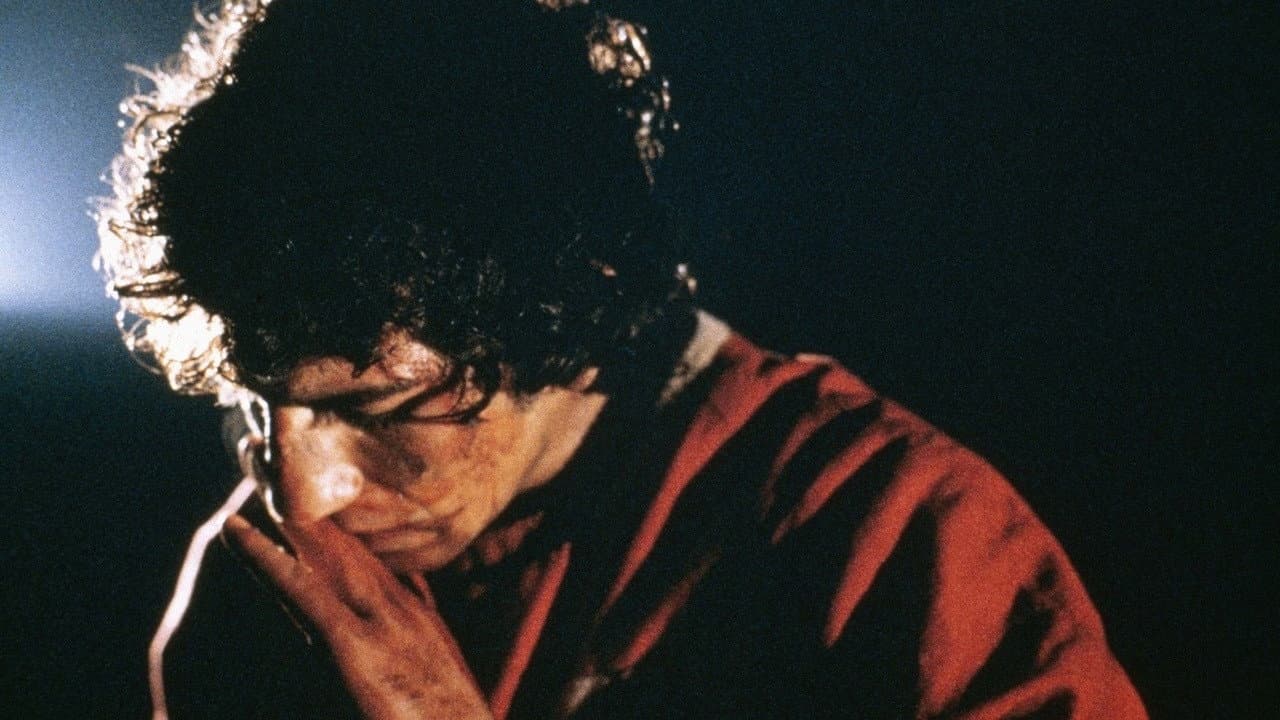
On November 2, 1975, one of Italy's most provocative artists met a brutal end on the outskirts of Rome. Pier Paolo Pasolini—filmmaker, poet, and cultural firebrand—was murdered, and a 17-year-old hustler named Pino Pelosi was arrested. His defense was straightforward: self-defense. Pasolini, he claimed, had assaulted him, and he'd fought back. But the story doesn't hold up under scrutiny. Director Marco Tullio Giordana's 1995 film Who Killed Pasolini? (released internationally after its Italian title Pasolini, un delitto italiano) takes viewers into the courtroom where this narrative unravels, piece by piece. What starts as a seemingly open-and-shut case spirals into something far more sinister—a murder that may have had nothing to do with a sexual encounter and everything to do with Pasolini's politics, his art, his enemies. The inconsistencies pile up. The timeline doesn't match. Was Pelosi even capable of acting alone? The film doesn't offer easy answers, and that's precisely what makes it so compelling.
Behind the making of Who Killed Pasolini?
Giordana, a director known for his unflinching examination of Italian history and institutional corruption, brought a documentary-like rigor to this project. The film was produced by a consortium of Italian and European production companies—Cecchi Gori Group Tiger Cinematografica, C.G.G. Leopard, Numero Cinque, Flach Film, and RAI—all betting on a filmmaker who understood how to make historical crime feel urgent and immediate. Released on July 3, 1996 (though completed in 1995), the film arrived at a moment when Italian cinema was reassessing its own relationship to political violence and institutional failure. The 100-minute runtime is lean, almost spare—there's no room for digression, no padding. Every scene serves the investigation. While the film didn't become a box-office juggernaut, it found its audience among cinephiles and those interested in true-crime narratives that refuse to simplify their subjects. Giordana's approach—treating the trial as a lens through which to examine not just a murder, but an entire society's complicity—resonated with critics who saw in it a serious engagement with a historical wound that'd never fully healed.
What makes Who Killed Pasolini? stand out
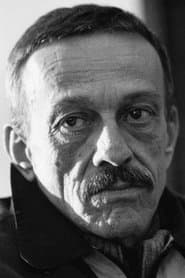
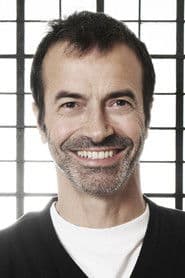
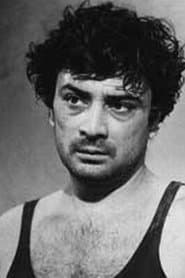
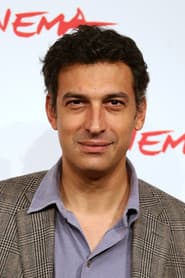
What's striking is how the film refuses the comfort of closure. Most crime dramas wrap things up neatly: guilty or not guilty, case closed. Not this one. The performances—particularly the portrayal of Pelosi and the various witnesses and officials—carry a weight of ambiguity that mirrors real courtroom uncertainty. You watch faces shift as testimonies contradict each other. You see lawyers grasping for narrative coherence when none exists. There's a scene early on where Pelosi's story is presented to the court with such confidence, such apparent simplicity, that you almost believe it—until the prosecutor begins asking questions, and suddenly the whole thing cracks. That's the film's real power: it doesn't tell you what to think; it shows you how easily we construct false certainties around violent deaths. The IMDb rating of 6.4/10 might suggest a middling film, but that score misses the point entirely. This isn't a film designed to entertain in the traditional sense. It's meant to unsettle, to make you sit with uncomfortable questions about justice, sexuality, power, and who gets to define the truth when a body's found dead in the dark. I keep coming back to how Giordana uses the courtroom not as a stage for drama, but as a space where language itself becomes suspect—where words fail to capture what actually happened.
Where to stream Who Killed Pasolini? online
If you're looking to watch Who Killed Pasolini?, the film is currently available on major OTT services. The exact platforms rotate based on licensing agreements, so Movie OTT maintains an up-to-date "Where to Watch" widget at the top of this page showing all current streaming homes for the title. Rather than hunting across multiple apps, that widget gives you the real-time picture of where you can access it right now—whether that's a subscription service, rental platform, or free ad-supported option. Given the film's niche appeal and European production, availability can vary by region, so checking that widget before you settle in is worth the thirty seconds it takes. The 100-minute runtime means it's a manageable evening watch, and the intellectual engagement it demands makes it perfect for the kind of focused viewing that streaming at home actually enables.
Frequently asked questions
Q: Is Who Killed Pasolini? based on a true story?
Yes. The film dramatizes the real 1975 murder of Pier Paolo Pasolini and the subsequent trial of Pino Pelosi, who was convicted of the crime. However, the case remains controversial, with many historians and investigators suggesting the official narrative doesn't account for all the evidence.
Q: Who directed Who Killed Pasolini??
Marco Tullio Giordana directed and co-wrote the film. Giordana is an Italian filmmaker known for his historical dramas that examine institutional corruption and political violence in Italian society.
Q: What was Pier Paolo Pasolini known for?
Pasolini was a filmmaker, poet, novelist, and cultural critic—one of Italy's most important and controversial artistic figures. His films and writings often explored sexuality, power, and social injustice, which made him a target for both admiration and hatred.
Q: How long is Who Killed Pasolini??
The film runs 100 minutes, making it a compact but dense examination of the trial and the murder's circumstances.
Q: What's the verdict in the film?
The film doesn't provide a definitive answer about who actually killed Pasolini or whether Pelosi acted alone. Instead, it presents the evidence and inconsistencies, letting viewers grapple with the ambiguity—much like the real case itself remains contested.
Final thoughts on Who Killed Pasolini?
This is a film for viewers who don't need their crime stories resolved neatly. If you're drawn to historical mysteries, Italian cinema, or narratives that trust audiences to sit with moral and factual ambiguity, Who Killed Pasolini? deserves your time. It's a masterclass in how to make a courtroom drama feel like an investigation into truth itself. The film won't give you answers. But it'll make you ask better questions.